





Vintage Rosewood Casket
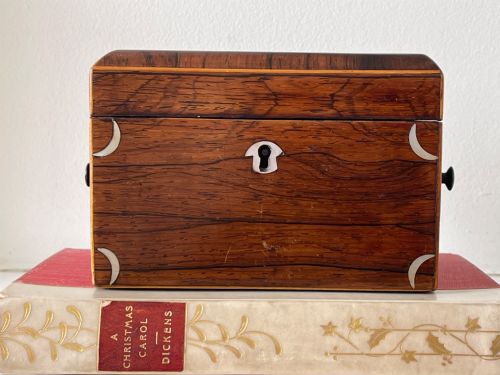
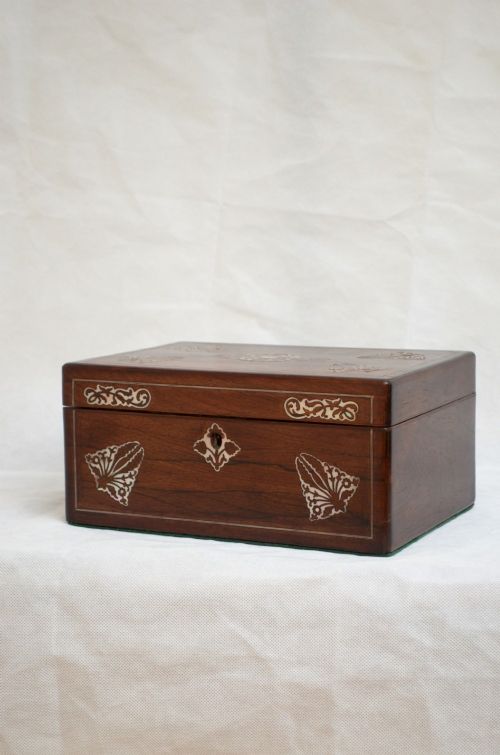
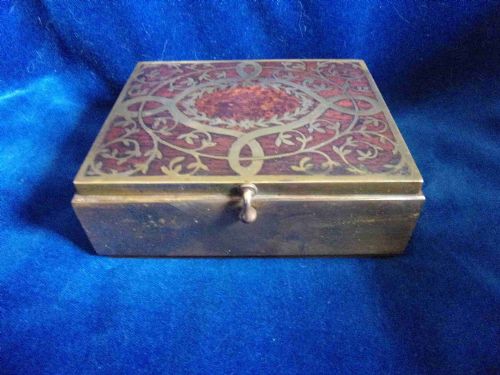
These vintage rosewood casket examples offer dense grain and rich tone, providing secure and decorative storage for personal valuables.
Vintage Rosewood Casket
A vintage rosewood casket brings together dense exotic timbers and functional compartment layouts designed for writing, sewing, or jewellery storage. The pieces listed across this page span Georgian, Regency, and Victorian periods, alongside later Jugendstil and Chinese Republic examples.
Most items you encounter here take the form of jewellery boxes, work boxes, and tea caddies featuring hinged lids and fitted interior trays. You will also find document boxes, trinket boxes, and work tables utilising the same timber and decorative methods.
The aesthetic ranges from plain brass-bound campaign boxes to highly decorative Tunbridge Ware mosaic work and marquetry inlays. Victorian and Regency periods dominate the selection, offering traditional British craftsmanship alongside continental and eastern variations.
Quality factors in rosewood boxes
The precision of the dovetail joinery and the integrity of the veneer determine the structural standard of each box. Superior examples maintain tight mitres and stable timber movement despite age and atmospheric changes.
The complexity of the decorative scheme separates standard production items from exceptional commissions. Fine brass binding, intricate mother of pearl inlay, and complete internal velvet or silk fittings elevate the piece.
Originality of the interior fitments, working locks with matching keys, and well-preserved mosaic or marquetry panels influence the desirability of the container.
Vintage Rosewood Casket Retail Price Guide 2026
Typical asking prices for vintage rosewood casket among the pieces listed under this phrase on Sellingantiques today, from the lower quarter to the upper quarter. They describe what is for sale here now, not the wider market.
Listings demonstrate that rosewood boxes frequently incorporate mother of pearl and brass inlay across Victorian and Regency periods.
Erhard and Sohne
The Vintage Rosewood Casket Glossary
- Rosewood
- A dense, heavy tropical timber prized for its dark grain patterns and purplish-brown colouration. It takes a high polish and forms the primary carcass material for these boxes.
- Tunbridge Ware
- A type of woodwork originating from Kent featuring tiny mosaic tesserae made from naturally coloured woods. These tiles create pictorial or geometric designs on box lids.
- Marquetry
- The art of applying pieces of veneer to a structure to form decorative patterns and pictures. Craftsmen use varied wood species to achieve tonal contrast.
- Escutcheon
- A flat plate surrounding a keyhole that protects the surrounding wood from wear. They are commonly cast from brass on these containers.
- Campaign Box
- A portable container made for travel featuring recessed brass handles and reinforced corners. These were built to withstand movement during military or colonial service.
Vintage Rosewood Casket: Frequently Asked Questions
What are vintage rosewood caskets used for?
These boxes served multiple domestic and travel purposes, primarily holding jewellery, sewing implements, writing materials, or tea leaves. Interiors often feature partitioned trays designed to keep small personal items organised.
Today, they function well on dressing tables or sideboards for storing modern trinkets, watches, and letters while adding period character to a room.
How do I identify a Regency rosewood box?
Regency pieces typically date from the early nineteenth century and lean towards architectural proportions with clean lines. They frequently incorporate brass banding, recessed campaign handles, and stringing.
Look for heavier brass mounts and simpler geometric aesthetic choices that distinguish them from the more heavily inlaid and carved Victorian iterations.
What is Tunbridge Ware inlay?
Tunbridge Ware involves assembling thousands of tiny coloured wood prisms into a mosaic picture or geometric border. Craftsmen sliced these bundles to veneer box lids with detailed views of castles, flowers, or tumbling blocks.
This meticulous technique requires close inspection to appreciate the microscopic scale of the individual wood blocks used to build the image.
How should I care for rosewood furniture?
Rosewood benefits from stable environmental conditions away from direct sunlight and sudden temperature shifts. Excessive heat can cause the underlying timber to shrink and split the veneer.
Apply a minimal amount of appropriate wax polish occasionally to nourish the timber, buffing gently with a soft cloth to maintain the surface sheen.