


Vintage Rococo Low Table
These vintage rococo low table pieces bring ornamental curves and carved walnut frames into modern reception rooms.
Vintage Rococo Low Table
A vintage rococo low table combines the exaggerated scrolls and asymmetrical motifs of eighteenth-century revivals with the lower proportions suited to modern seating. When searching for a vintage rococo low table, buyers encounter low coffee tables, occasional tables, and adapted stools originating from the nineteenth and twentieth centuries.
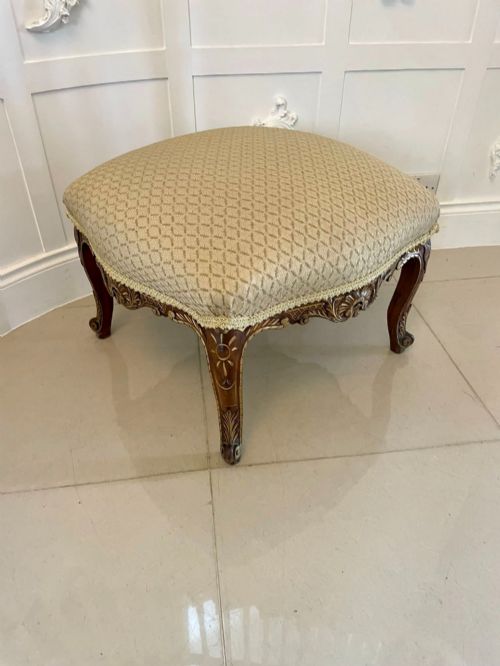
The selection ranges from nineteenth-century walnut centre tables and Victorian stools down to twentieth-century French and Italian revival pieces. Many examples draw on Louis XV style, French Rococo revival, and Italian baroque designs, often featuring low wooden frames built for convenience and display.
How they were made
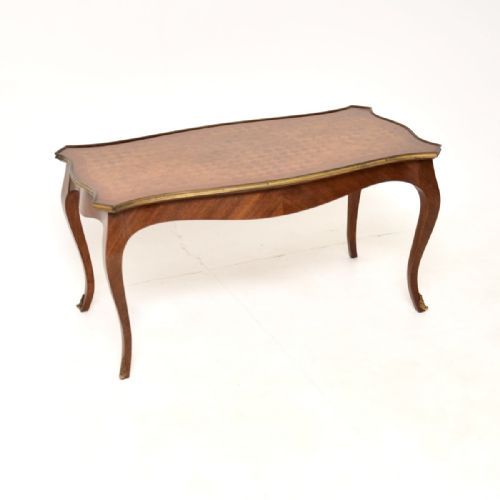
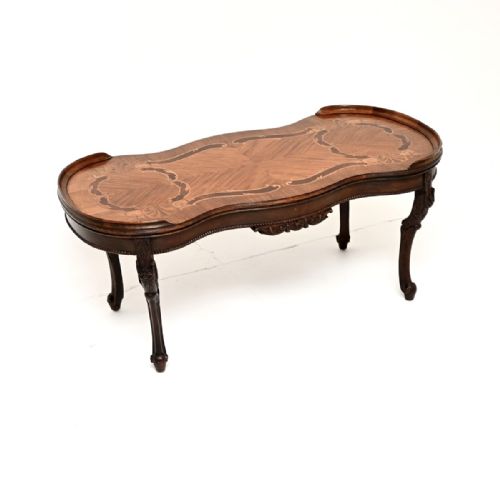
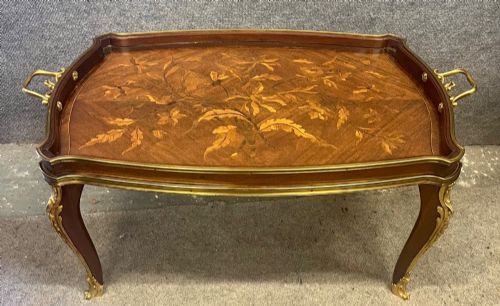
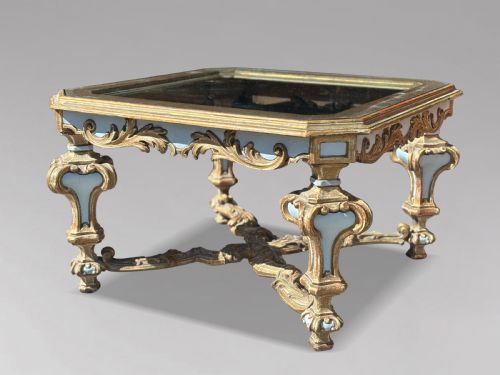
Carpenters constructed the underlying structures using solid walnut, mahogany, or pine, applying decorative veneers such as kingwood and satinwood in parquetry or marquetry patterns. Giltwood frames and painted wood finishes provide the bright surface ornamentation characteristic of the revival styles.
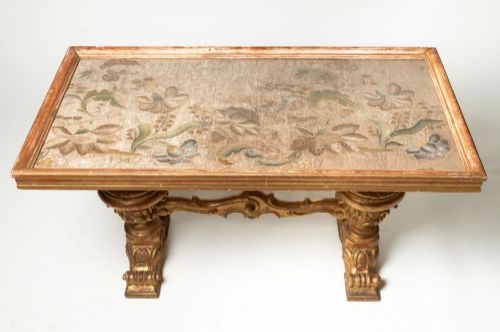
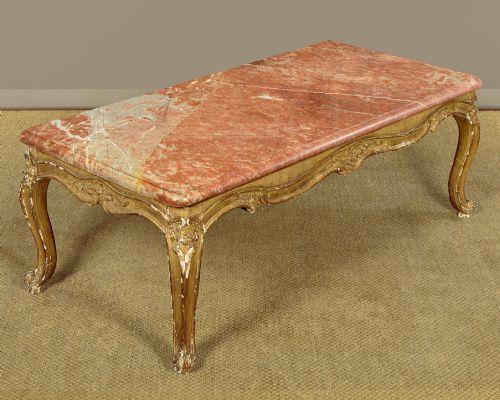
Insets of white marble or glass frequently form the top surfaces of the coffee tables, whilst brass mounts and hardware accent the corners and legs. Some tables incorporate fabric upholstery or woven elements beneath glass tops, showing varied combinations of traditional cabinet-making and surface decoration.
Object forms span coffee tables, occasional tables, and adapted upholstered stools.
What varies in quality
The standard of carving determines much of the distinction between ordinary and superior pieces, with crisp, deep relief work showing greater artisan skill than shallow machine moulding. The choice of timber grain, particularly figured walnut or intricate floral marquetry, elevates the visual depth of the top surface.
Gilding technique and the application of gold and silver leaf create significant differences in finish longevity and light reflection. Heavier marble slabs and solid brass mounts likewise separate substantial architectural tables from lighter decorative adaptations.
B Battioli Varese·Harrods
The Vintage Rococo Low Table Glossary
- Marquetry
- The art of forming decorative patterns on a wooden surface by fitting together small pieces of veneer. Craftsmen use contrasting timbers like satinwood and kingwood to build floral or geometric designs.
- Giltwood
- Timber that has been coated with a thin layer of gold leaf or powder. This treatment brightens carved rococo frames and highlights intricate scrollwork.
- Parquetry
- Geometric mosaic woodwork used for floors and table tops. Pieces of timber are arranged in repeating patterns such as squares or chequers.
- Cabriole leg
- A furniture leg that curves out and then in, resembling an animal's leg. This shape forms a central feature of Louis XV style design.
- Burr walnut
- Wood taken from a walnut tree growth containing swirling grain patterns. It provides a rich and highly textured surface for table tops.
Vintage Rococo Low Table: Frequently Asked Questions
How do I style a vintage rococo low table?
Pair the curved wooden frame and ornate carved details with simple, neutral modern sofas to let the table stand out as a focal point.
Keep surface accessories minimal, such as a single art book or a small tray, to avoid cluttering the detailed marquetry or marble top.
Are these tables sturdy enough for daily use?
Most pieces use robust hardwoods like walnut or mahogany for their frames, providing solid support for everyday living room placement.
Tables with inset marble tops require care to prevent staining, whilst glass tops benefit from regular wiping with gentle cleaner.
What is the difference between rococo and baroque tables?
Baroque designs tend to be heavier, more symmetrical, and intensely grand, reflecting seventeenth-century power and monumental scale.
Rococo styles introduce lighter, more asymmetrical curves, playful scrollwork, and natural motifs suited to intimate interior spaces.
How do I tell a nineteenth-century table from a twentieth-century revival?
Nineteenth-century examples often display deeper patination, heavier timber construction, and hand-carved details shaped by traditional cabinet-making methods.
Twentieth-century revival pieces from the 1920s and 1930s sometimes incorporate painted finishes, black lacquer, or modern hardware alongside older stylistic forms.