




Vintage Relief Carved Panel
These vintage relief carved panel examples offer tangible history for your walls, bringing architectural depth and hand-wrought texture into a room.
Vintage Relief Carved Panel
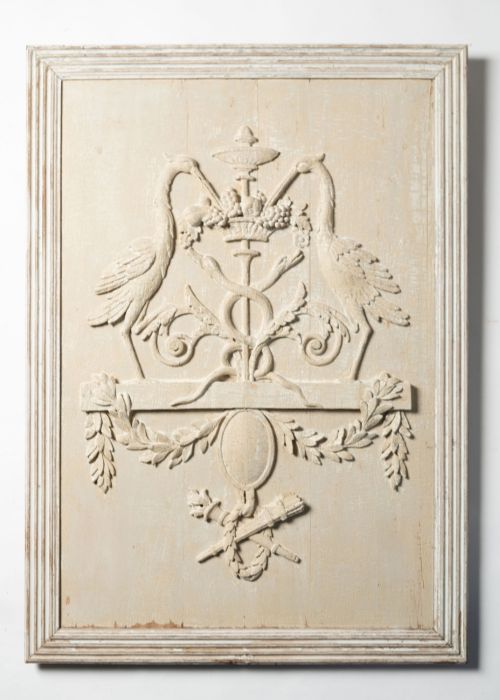
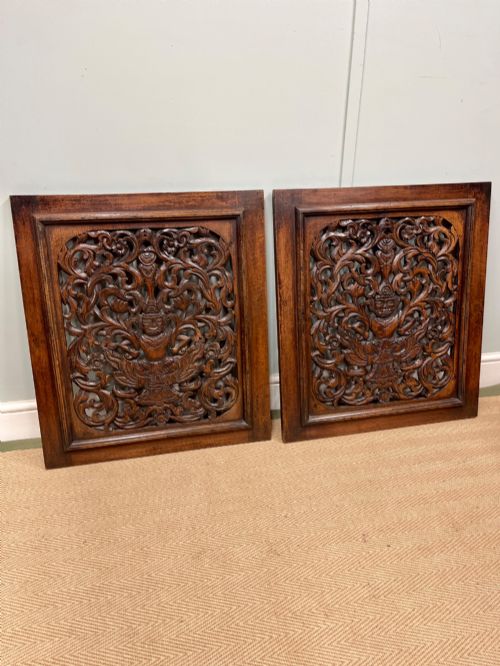
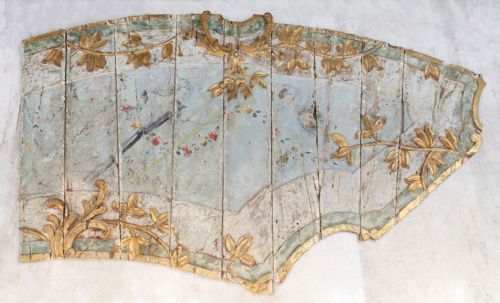
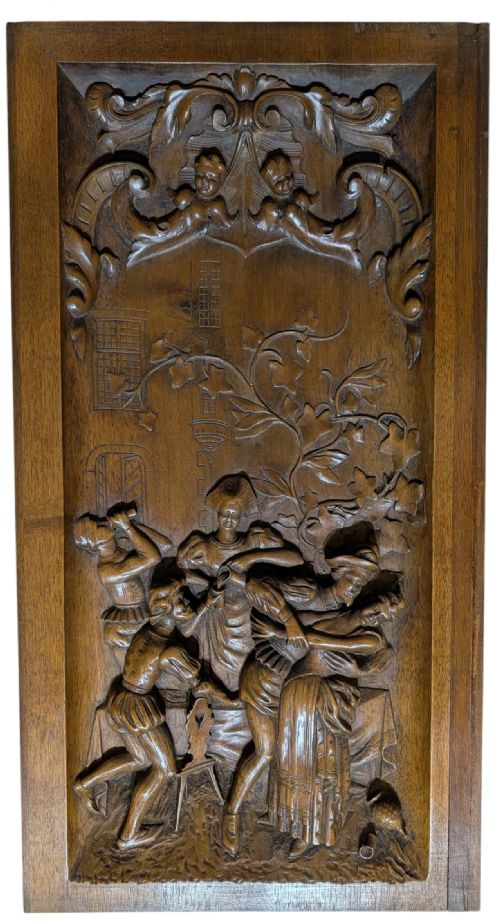
A vintage relief carved panel brings dimensional woodwork into interior spaces, serving as wall art, architectural salvage, or functional architectural fragments. When you search for a vintage relief carved panel, you encounter diverse regional traditions ranging from European oak ceiling bosses and French chateau doors to Chinese dragon screens and Burmese carvings.
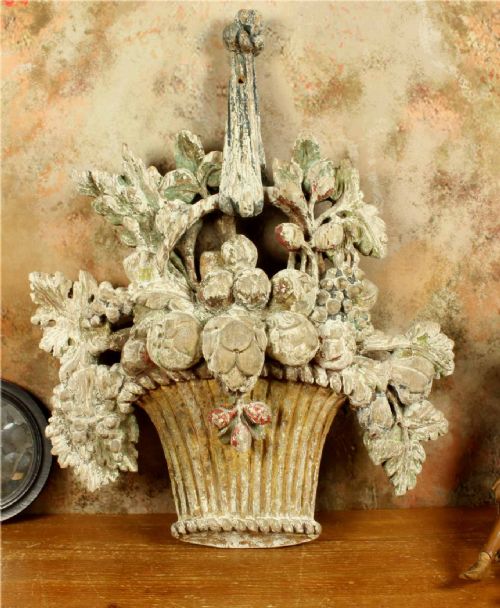
The pieces on this page span several centuries, with items originating from the eighteenth, nineteenth, and early twentieth centuries. Forms vary from simple wall plaques and flower basket carvings to large room dividers, fire screens, and intricate friezes.
Materials and construction
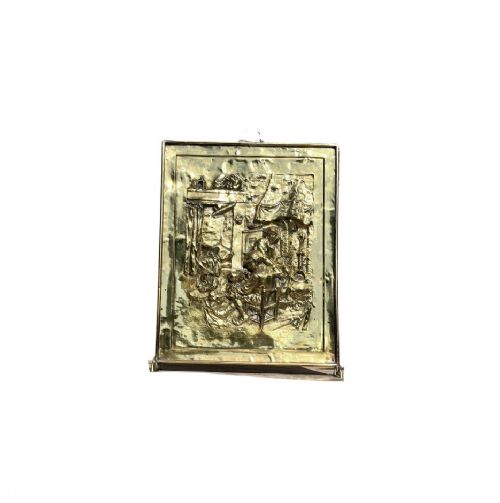
Makers utilised solid wood, oak, teak, and various hardwoods as the primary substrate for chiselling three-dimensional motifs. Skilled artisans shaped the timber by hand, sometimes combining carved wood with paint, gesso, brass, or copper elements to enhance the visual texture.
Surface treatments range from natural waxed timber and stained hardwood to painted finishes and lacquered details. Certain architectural fragments incorporate applied decorations or metalwork alongside the primary woodwork.
The listings on this page span the eighteenth, nineteenth, and early twentieth centuries, incorporating oak, teak, brass, and painted gesso.
What separates the finest examples
Quality rests upon the depth and crispness of the hand chiselling, where fluid lines and confident undercut details distinguish superior carving from mechanical or heavy-handed work. The integrity of the timber, the preservation of original surface finishes, and the complexity of the composition dictate the standing of each piece.
Provenance and regional fidelity also matter, as authentic period joinery and untouched patination carry more aesthetic weight than later alterations or heavy restorations.
The Vintage Relief Carved Panel Glossary
- Relief carving
- A sculptural technique where figures or patterns project from a flat background. The depth of this projection defines whether the work is low relief or high relief.
- Architectural salvage
- Elements rescued from older buildings, including doors, panels, and friezes, repurposed for modern interior decoration.
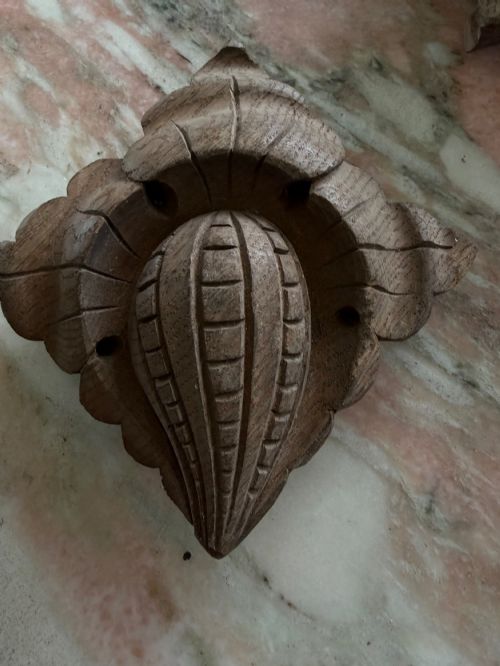
- Ceiling boss
- A decorative projecting block placed at the intersection of ribs in a ceiling, frequently carved from solid oak in earlier centuries.
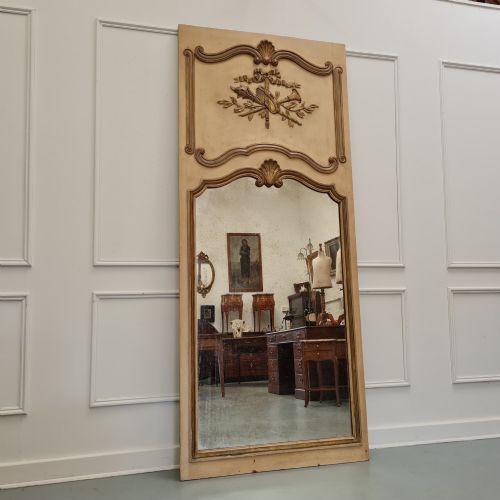
- Trumeau
- A decorative wall mirror or panel placed between windows, often featuring painted surfaces and carved wood details.
- Gesso
- A plaster-like mixture applied to wood surfaces as a smooth base for paint or gilding.
- Hardwood
- Dense timber derived from broad-leaved trees, favoured by carvers for its ability to hold fine, intricate detail without splitting.
Vintage Relief Carved Panel: Frequently Asked Questions
What is the difference between oak and teak panels?
Oak panels typically originate from European workshops and feature deep, sturdy grain structures suited to traditional domestic interiors and architectural salvage.
Teak and other exotic hardwoods appear more frequently in Asian and tropical carvings, offering tight grains that accommodate exceptionally intricate, fine detailing.
How do I clean an antique carved wooden panel?
Remove dust gently using a soft-bristled brush or a dry microfiber cloth to avoid lodging fibres within the recesses of the carving.
Avoid liquid cleaners, harsh detergents, or soaking the wood, as moisture can damage aged finishes, gesso, and dry timber.
Can these panels be used outdoors?
These pieces are intended for interior display and lack the modern weather-resistant sealants required to survive exterior moisture, frost, and direct sunlight.
Placing antique timber or painted panels outside risks warping the wood, lifting gesso, and degrading the original surface patination.