




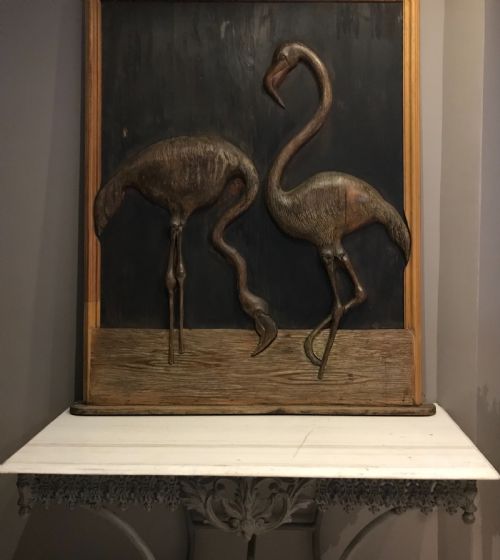

Decorative Wooden Wall Plaque
These decorative wooden wall plaques bring genuine architectural character and texture to a room, ranging from carved oak panels to painted fragments.
Decorative Wooden Wall Plaque
A decorative wooden wall plaque brings physical depth and historical narrative to an interior space. These pieces function as independent focal points, transforming blank walls with carved relief and textured surfaces.
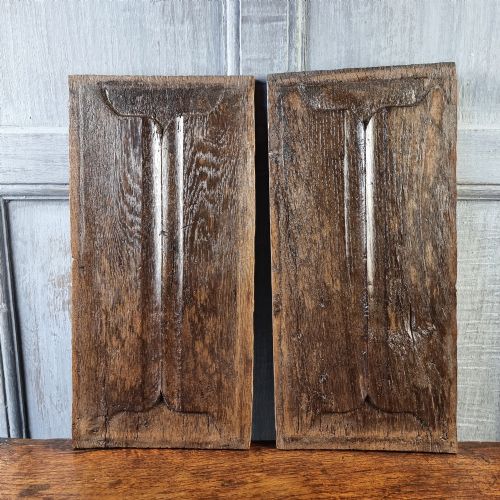
The selection here encompasses everything from domestic panels and linenfold fragments to architectural salvage and cart doors. You will frequently encounter carved oak panels alongside painted or lacquered Asian examples.
Origins span several centuries and geographies, covering European folk art and revival styles alongside Chinese and Japanese craftsmanship. Each piece represents a fragment of a larger functional or architectural context repurposed for display.
How they were made
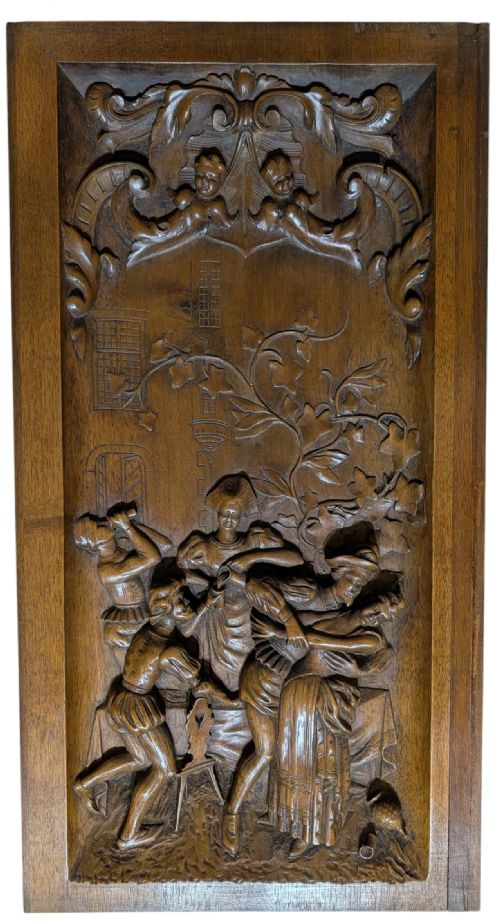
Makers shaped these pieces primarily from dense timbers such as oak, walnut, and various hard woods using traditional hand-carving chisels. Relief work required deep incision to achieve dramatic play of light and shadow across the grain.
Many surfaces feature applied finishes including polychrome paint, dark lacquer, and intricate mother-of-pearl or abalone inlay. Certain panels integrate iron elements or ceramic tiles to provide contrasting textures within the wooden framework.
Listings feature works spanning from the sixteenth century through to the Art Deco era, utilising oak, walnut, lacquer, and paint.
What varies in quality
Depth of carving and crispness of detail separate standard decorative panels from exceptional sculptural works. Master carvers achieved remarkable anatomy in animal forms and fluidity in floral motifs.
The integrity of the original surface finish dictates much of the visual impact. Retained original paint, undisturbed patination on bare wood, and secure inlay work distinguish superior examples.
The Decorative Wooden Wall Plaque Glossary
- Linenfold
- A style of wood carving that mimics folded linen cloth, common on Tudor and early oak panels. It gives flat surfaces a draped, textile appearance.
- Polychrome
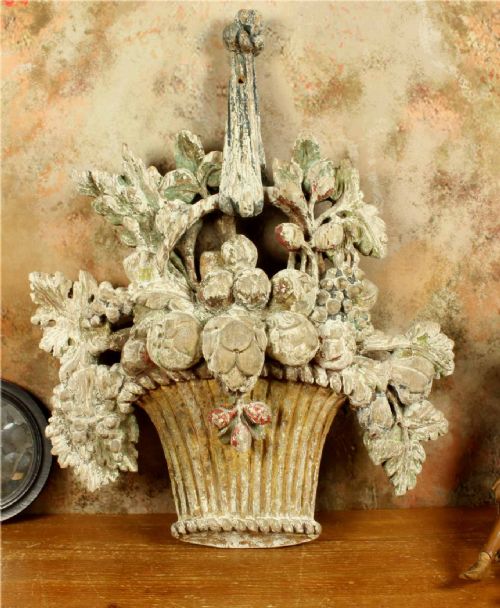
- Painted in several colours, often found on folk art panels and architectural fragments. This technique enhances decorative relief through contrasting pigments.
- Marquetry
- The art of applying pieces of veneer to a structure to form decorative patterns. It creates pictorial designs using various natural wood tones.
- Architectural salvage
- Elements rescued from older buildings, such as doors, panels, and cart fragments. These pieces retain the weathered patina of their original structural use.
Decorative Wooden Wall Plaque: Frequently Asked Questions
How do I hang a heavy wooden wall plaque securely?
Heavy carved panels require robust fixings attached directly to wall studs or masonry using appropriate heavy-duty brackets. The substantial weight of dense timbers like oak demands professional load-bearing assessment before mounting.
Ensure the hanging wire or integrated metal loops on the reverse are structurally sound and rated for the specific weight of the plaque. Distributing the load evenly across two fixing points prevents the piece from tilting.
How should I clean and maintain antique wood wall panels?
Dust the carved surfaces regularly with a soft, dry brush to prevent dirt settling into deep crevices. Avoid using wet cloths, modern polishes, or chemical cleaners that can strip historic wax and paint.
Maintain stable room humidity to prevent the timber from warping or splitting over time. Natural wood responds to environmental changes, so keep pieces away from direct heat sources and strong sunlight.
Can exterior architectural fragments be hung indoors?
Many cart doors, panels, and salvage pieces originate from exterior use but transition successfully into indoor environments. Their weathered surfaces and remnants of old paint contribute significant character to modern interiors.
Indoor climates protect these aged materials from further weather damage while preserving their existing patination. Simply secure them firmly to a wall just like any other substantial artwork.
What distinguishes Arts and Crafts panels from earlier styles?
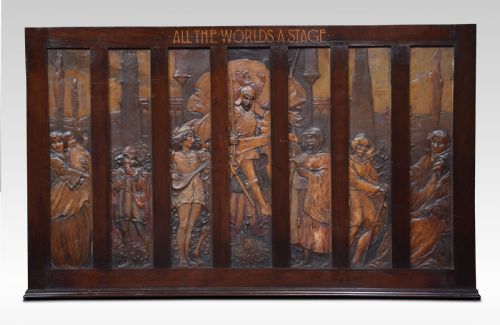
Arts and Crafts panels emphasise natural motifs, such as specific birds and flora, rendered with a direct, honest hand-carved aesthetic. This movement celebrated the visibility of tool marks and traditional craftsmanship over rigid formality.
Earlier periods like the 16th century favoured symmetrical architectural motifs and geometric linenfold patterns. Comparing the subject matter and carving technique helps clarify the chronological origin of a panel.