




Vintage Regulator Clock
A vintage regulator clock brings precise timekeeping and striking architectural presence to a room, ranging from grand longcase models to wall-mounted Vienna styles.

Vintage Regulator Clock
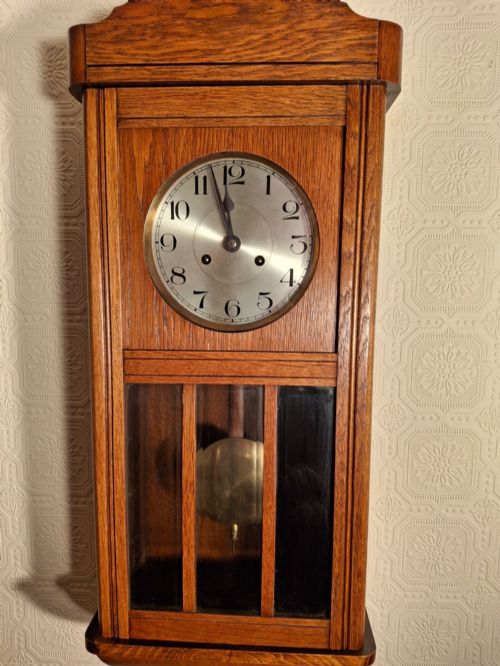
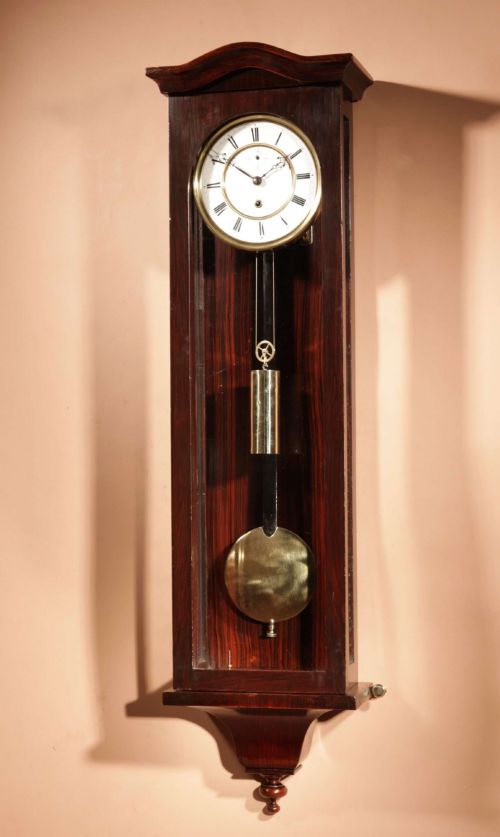
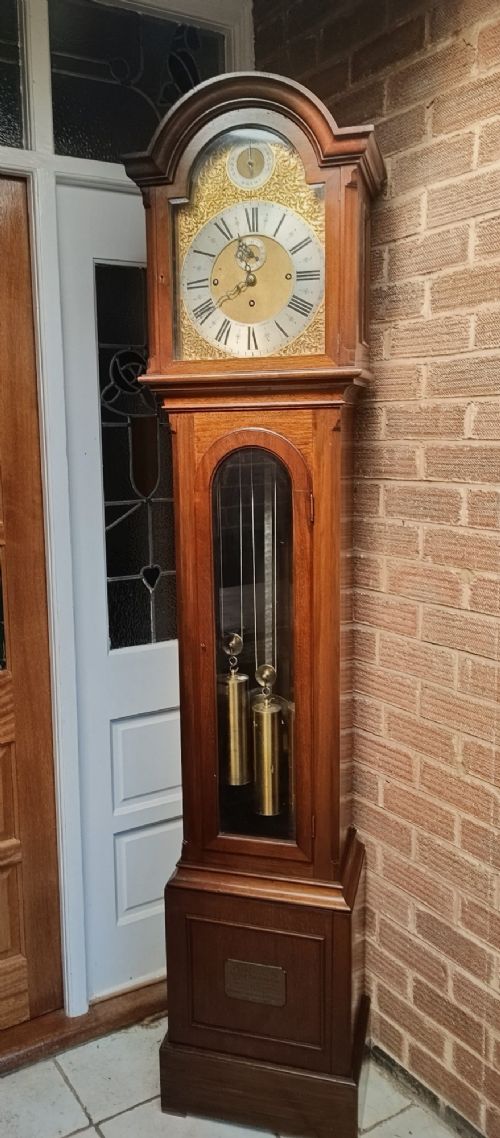
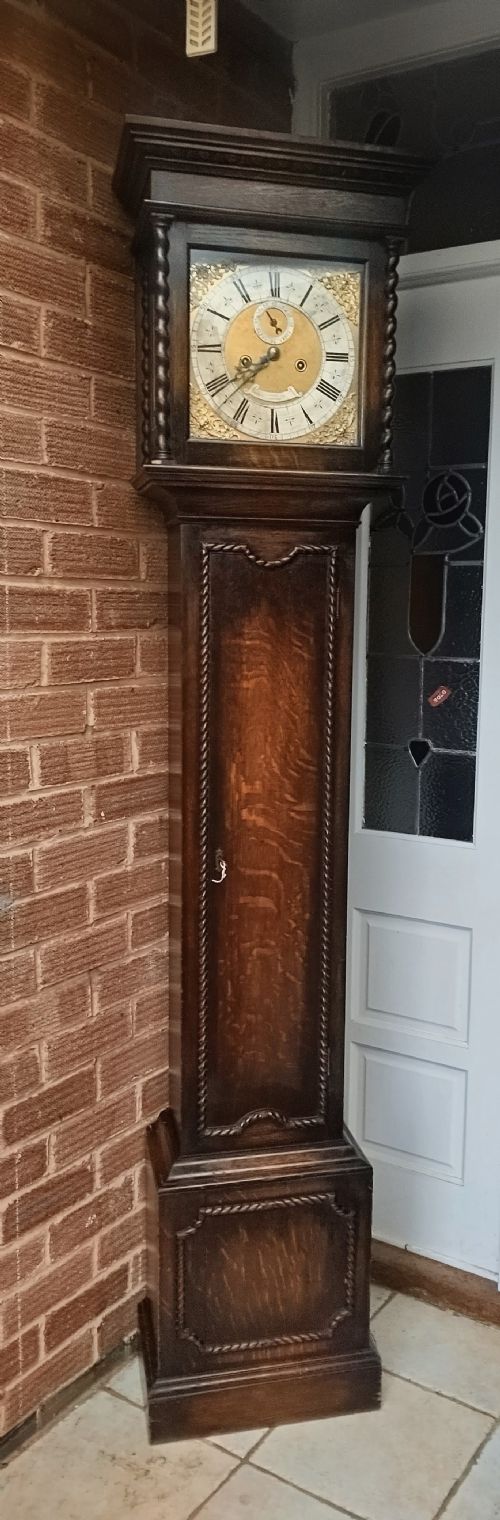
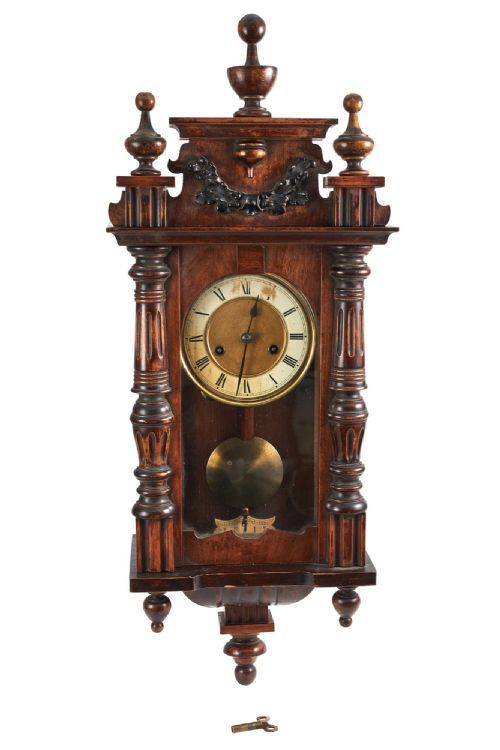
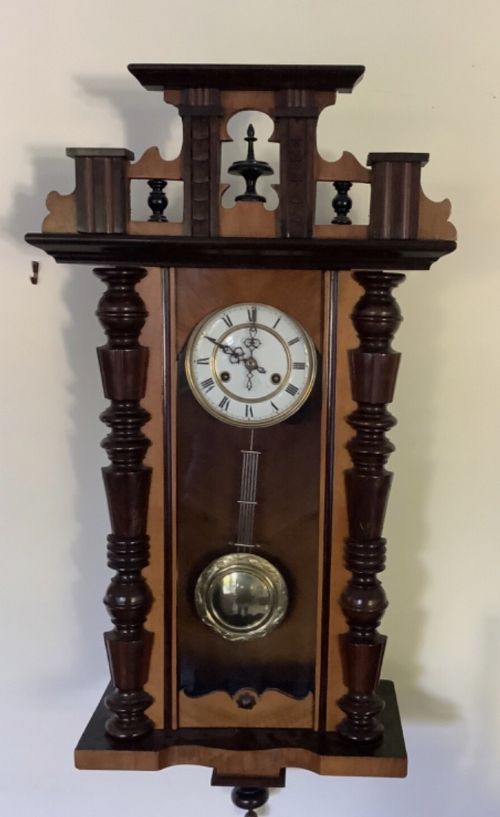
A vintage regulator clock represents high-precision timekeeping developed in the nineteenth century, initially built for exact timing in offices and railway stations before finding a place in domestic interiors. Buyers searching for a vintage regulator clock encounter diverse forms, primarily wall-hanging Vienna styles alongside floor-standing longcase examples.
The selection on this page spans periods from the mid-nineteenth century through to the mid-twentieth century, encompassing Victorian, Edwardian, and Art Deco designs. Wall clocks dominate the offerings, built with glazed front doors and prominent pendulums designed to display the mechanical movement.
Origin points vary across Britain, France, Germany, Austria, and Italy, reflecting distinct regional cabinet-making traditions. Pieces range from modest walnut wall timepieces to elaborate French crystal regulator mantel designs housed in bevelled glass cases.
How they were made
Cases rely on traditional cabinet timbers including walnut, mahogany, oak, and maple, frequently finished with burr veneers or carved architectural details. French and English makers also utilised brass, gilt bronze, or ormolu for dials, bezels, and decorative mounts.
Movements utilise brass gear trains driven by weights or springs, operating with pendulums to maintain accuracy. Crystal and four-glass models incorporate heavy bevelled glass panels held in brass frames to showcase the internal mechanism from every angle.
Some French models feature visible mercury-filled pendulum jars designed to compensate for temperature changes.
What varies in quality
Quality rests in the precision of the movement and the integrity of the cabinetwork. Fine examples feature signed movements from renowned makers, crisp dial enamel, and well-proportioned timber cases with unblemished veneers and original glass panels.
Lower tiers typically involve replacement components, unbranded generic movements, or heavily restored cabinet structures that lack the crisp carving and balanced proportions of high-grade workshop production.
Elliott·Samuel Marti et Cie·Gillett & Johnston·Johann Baptist Beha·L Epee·Gustav Becker
The Vintage Regulator Clock Glossary
- Vienna Regulator
- A high-precision wall clock developed in Austria during the nineteenth century, featuring a long glazed door and a visible pendulum. These clocks were prized for their exceptional timekeeping accuracy and refined architectural wood cases.
- Crystal Regulator
- A mantel or desk clock enclosed in bevelled glass panels held within a brass or gilt bronze frame. This style allows light to pass through the case, fully revealing the escapement and gear train.
- Drop Dial
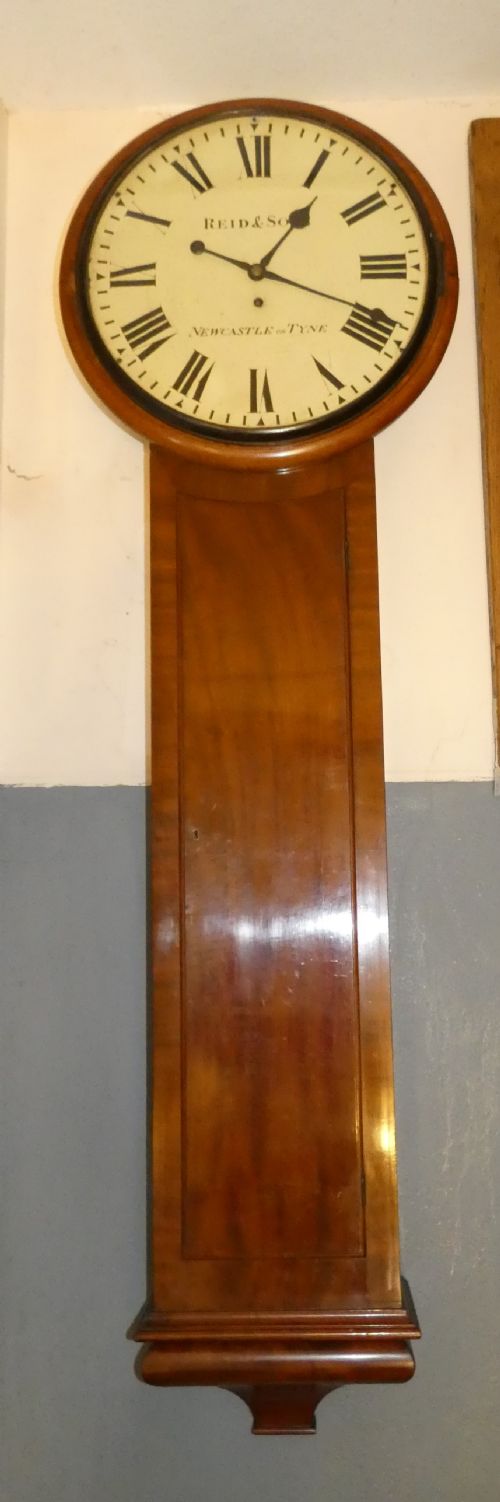
- A wall clock featuring a circular dial face above an extended lower wooden case designed to house the swinging pendulum. This form became popular in public spaces and domestic halls during the nineteenth century.
- Grandmother Clock
- A miniature version of the traditional longcase or grandfather clock, standing shorter in height while retaining full mechanical weight-driven or spring-driven movements. They suit rooms with lower ceilings where standard longcases overwhelm the space.
- Four Glass Clock
- A French mantel clock featuring glass panes on all four sides of the brass-framed case. This construction displays the pendulum and intricate mechanical movement from multiple angles.
Vintage Regulator Clock: Frequently Asked Questions
How do I wind a vintage regulator clock?
Most models use a key inserted into winding holes on the dial face to tension the internal springs or lift the driving weights. Care must be taken not to over-wind the mechanism.
Consult the specific movement type before adjusting the clock, as weight-driven and spring-driven systems require different handling during regular maintenance.
Where should I hang a wall regulator?
Mount the clock on a solid interior wall away from direct sunlight, draughts, and dampness. A stable surface prevents vibrations from disturbing the pendulum beat.
Ensure the wall bracket or hanging hook securely bears the weight of the timber case and brass movement.
Why does my clock lose time?
Timekeeping fluctuations often stem from an unlevel case or changes in ambient temperature affecting the pendulum rod. Adjusting the small nut beneath the pendulum bob usually corrects the rate.
If the gear train requires cleaning or lubrication after decades of use, professional horological servicing restores reliable operation.
How do I identify the period?
Cabinet style, dial materials, and movement signatures offer clear dating clues. Victorian and Edwardian examples often feature heavy walnut or mahogany carving, while Art Deco pieces display streamlined oak or walnut geometry.
Maker stamps on the backplate or dial provide the most reliable evidence for manufacturing dates and workshop origins.