
Vintage Regency Mirror
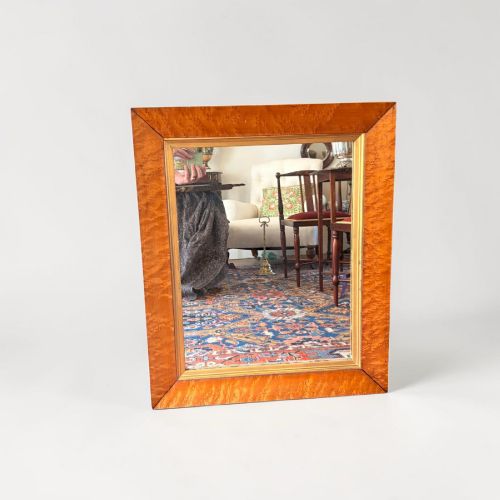
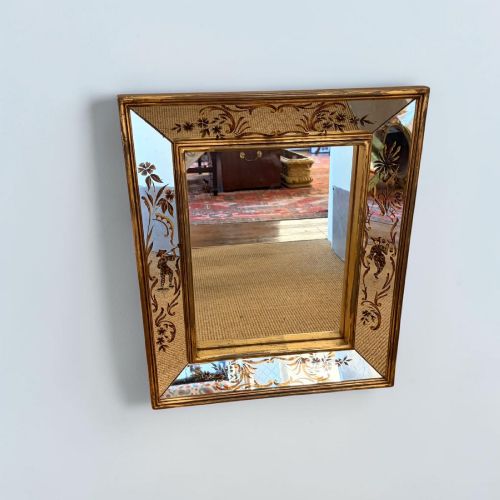
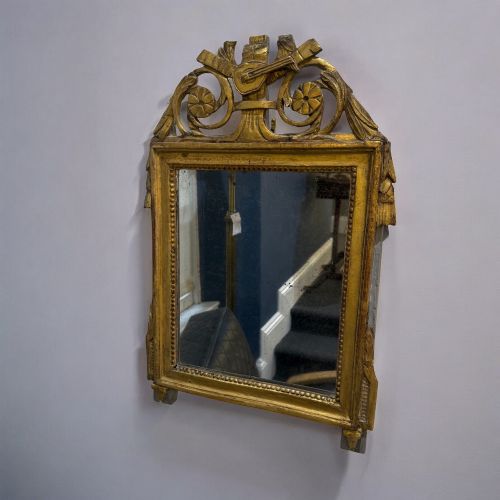
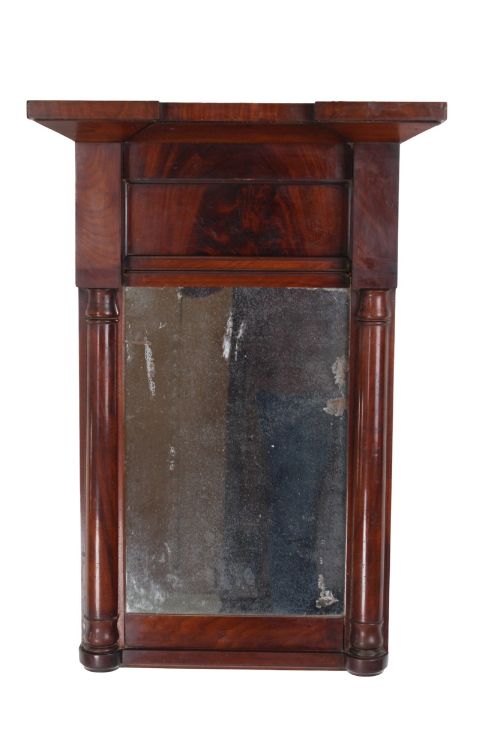
These vintage regency mirror pieces combine giltwood and mahogany in wall, cheval, and convex forms, bringing period light into a room.
Vintage Regency Mirror
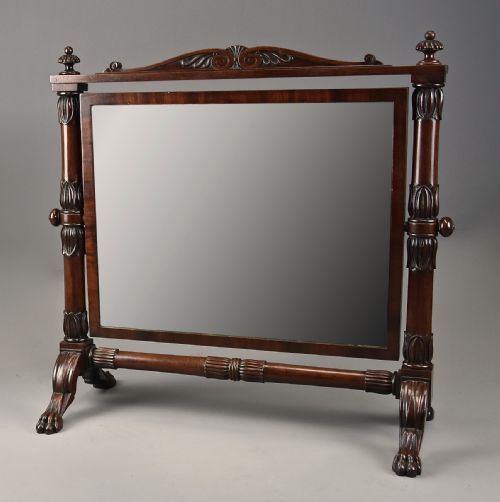
A vintage regency mirror search brings up convex, pier, overmantel, and cheval forms spanning the nineteenth century alongside later revivals. Buyers encounter circular convex frames surmounted by eagles, rectangular pier glasses, and large floor-standing cheval mirrors.
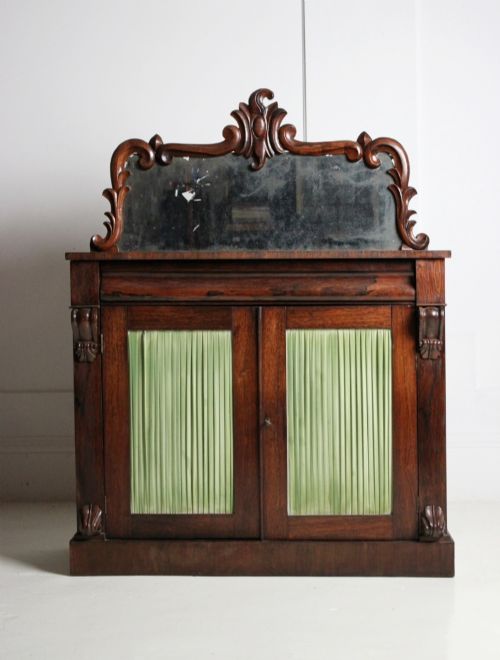
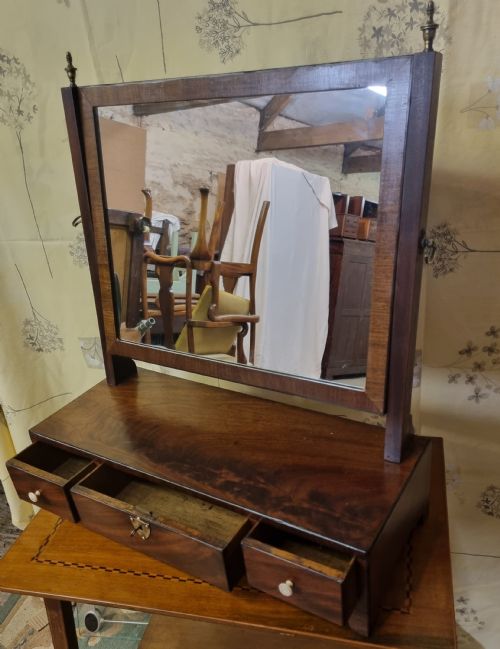
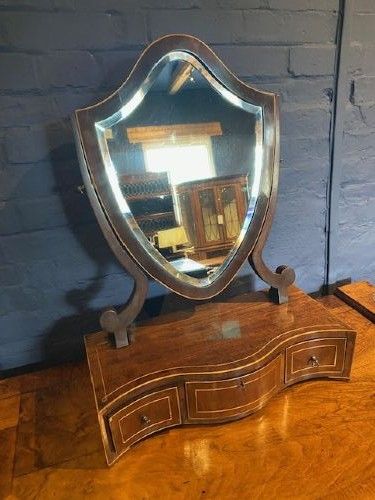
The pieces on this page heavily feature nineteenth-century origins, particularly the Regency period and its later Victorian revivals. Mahogany and giltwood dominate the selection, appearing alongside rosewood and brass in wall and dressing table formats.
Materials and Construction
Frames rely on solid timbers such as mahogany, rosewood, and ebonised wood, often paired with carved gesso and applied gold leaf for giltwood finishes. Brass mounts, ram heads, and chrome details appear in specific variants.
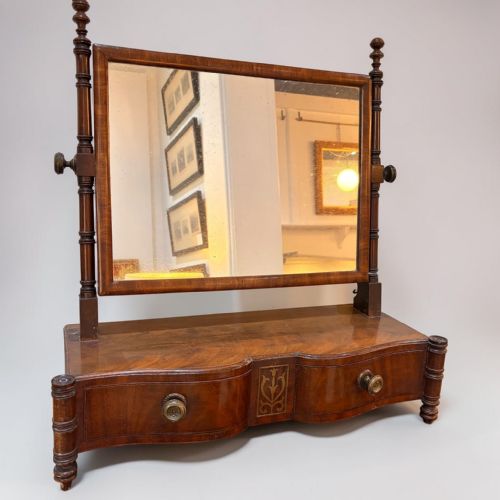
Makers utilised traditional joinery for dressing boxes and cheval frames, whilst convex and wall mirrors employ moulded or carved timber frames secured around original glass plates.
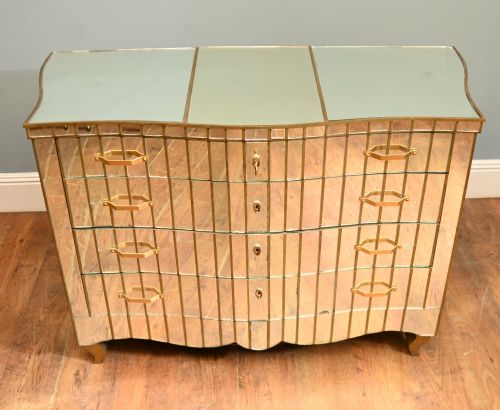
Listings combine nineteenth-century Regency pieces with later Art Deco and Hollywood Regency revivals in brass, glass, and mahogany.
Judging the Standard
Quality rests in the crispness of the carved detail, particularly on eagle surmounts, giltwood mouldings, and mahogany grain selection. Superior examples display refined proportions and hand-applied gilding rather than mass-produced uniformity.
The depth and clarity of the mirror plate, alongside the integrity of the original wood backing and brass hardware, distinguish the finer pieces from simpler utilitarian items.
P & MA Nicholson
The Vintage Regency Mirror Glossary
- Convex mirror
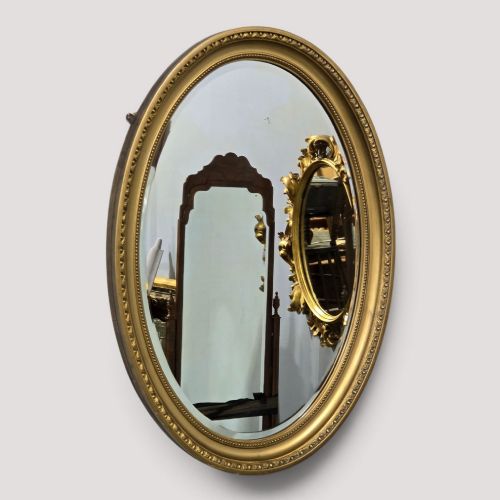
- A circular wall glass with a curved plate that distorts reflections to capture a wide field of vision. These frequently feature giltwood frames with eagle surmounts.
- Cheval mirror
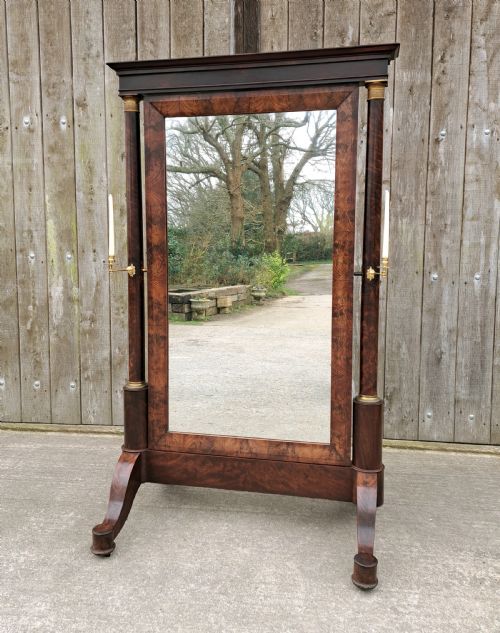
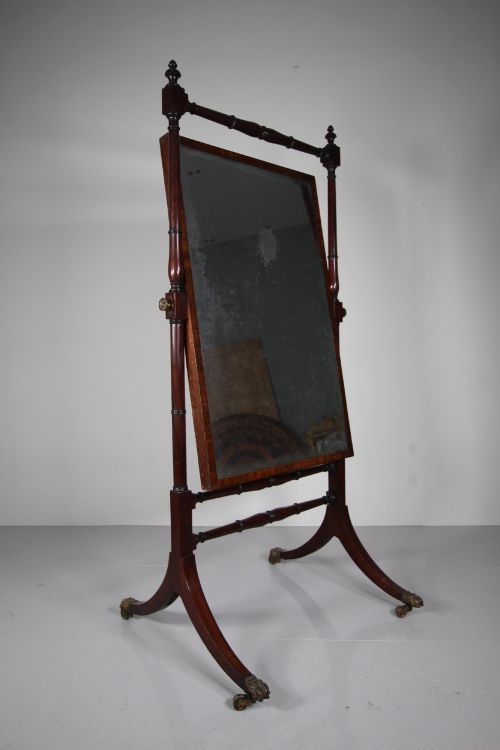
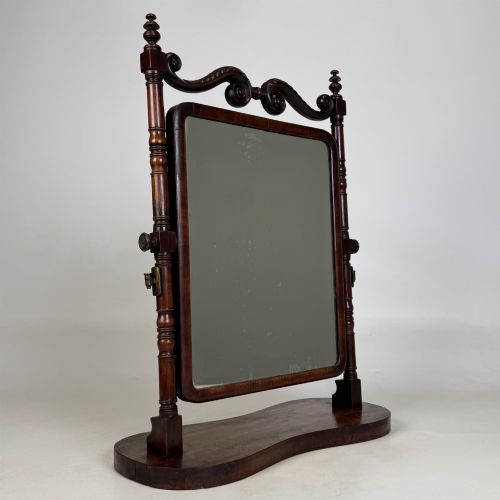
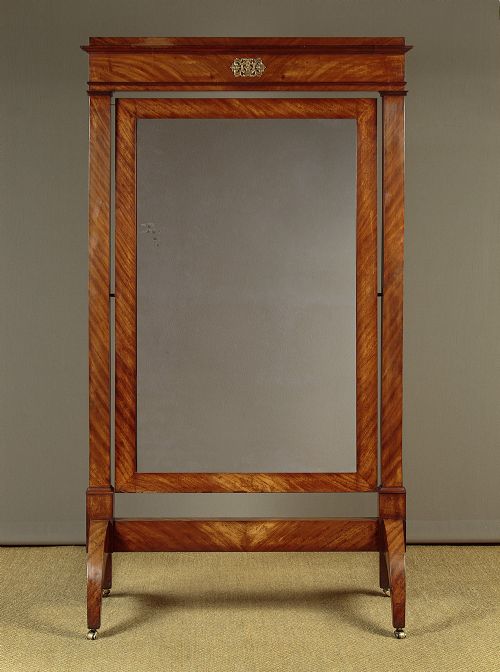
- A freestanding full-length dressing glass suspended on a pivoting frame between four upright posts. They are typically executed in mahogany.
- Pier mirror
- A tall, narrow glass designed to hang on the wall space between windows. They often incorporate giltwood or mahogany frames from the nineteenth century.
- Giltwood
- Timber coated with fine gold leaf over a prepared gesso ground. This finish defines the grander wall and overmantel mirrors.
- Overmantel mirror
- A wide horizontal glass designed to sit directly above a fireplace mantelpiece. Rosewood and gilt versions are common period examples.
Vintage Regency Mirror: Frequently Asked Questions
What is a convex mirror used for?
Convex mirrors were historically placed in grand reception rooms to monitor activity across a wide space through the curved glass plate.
Today, they serve primarily as decorative focal points that bounce natural light into darker corners of a room.
How do I date a mahogany cheval mirror?
Cheval mirrors from the nineteenth century rely on timber selection, such as Cuban mahogany, and the style of the turning on the upright posts.
Earlier examples from the Regency and William IV periods display hand-cut joinery and heavy brass pivoting hardware.
Where should I hang a pier mirror?
Pier mirrors fit naturally into narrow wall spaces, particularly between two windows or above a low console table.
Their vertical proportions help elongate the perceived height of a room while reflecting ambient light.
What is the difference between giltwood and gesso?
Gesso is the plaster-like base material applied to a carved wooden frame to create smooth surfaces and crisp relief details.
Gold leaf is then laid directly over this gesso foundation to produce the characteristic metallic finish of a giltwood mirror.