


Gold Wall Looking Glass
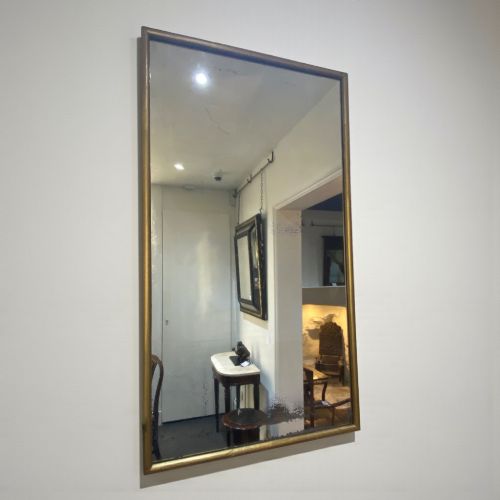
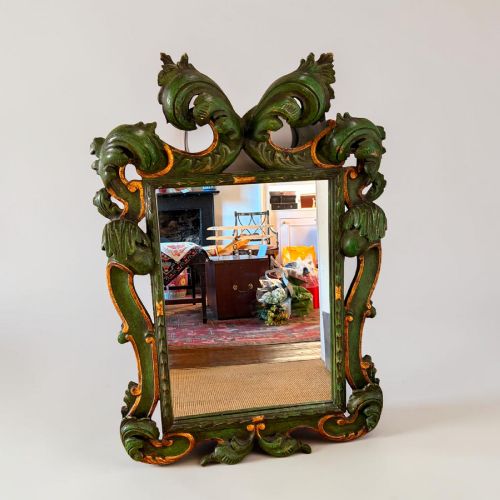
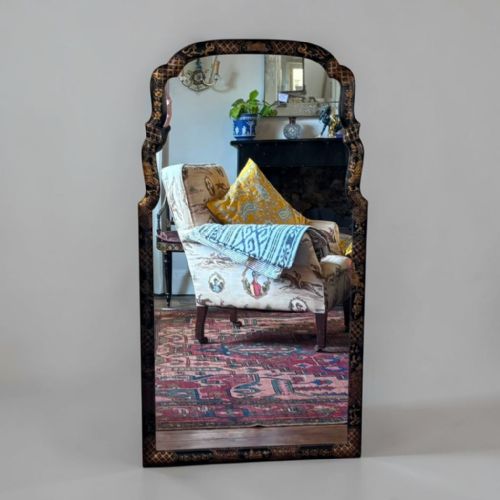
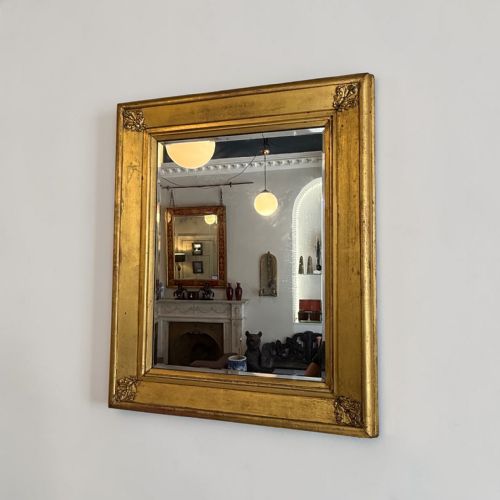
A gold wall looking glass brings depth, reflected light, and classical structure to a room.
Gold Wall Looking Glass
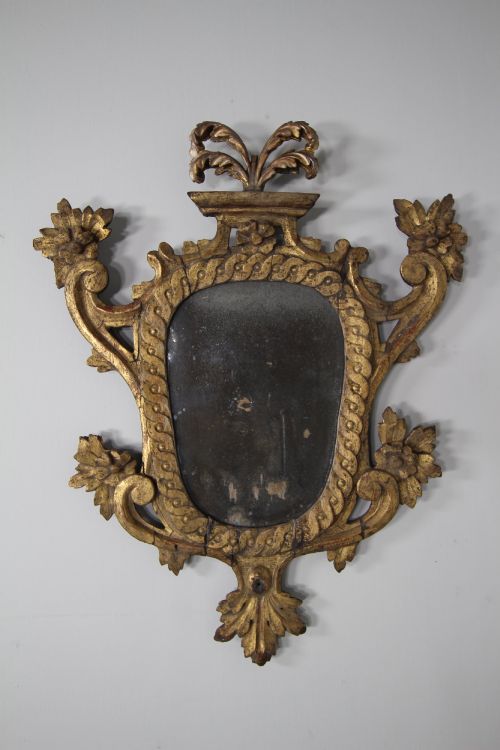
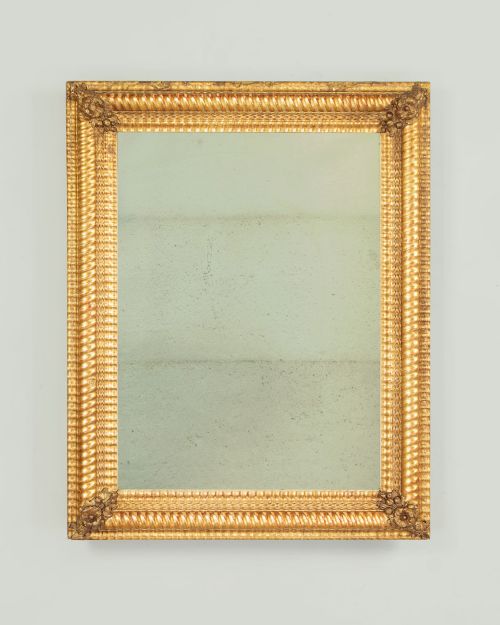
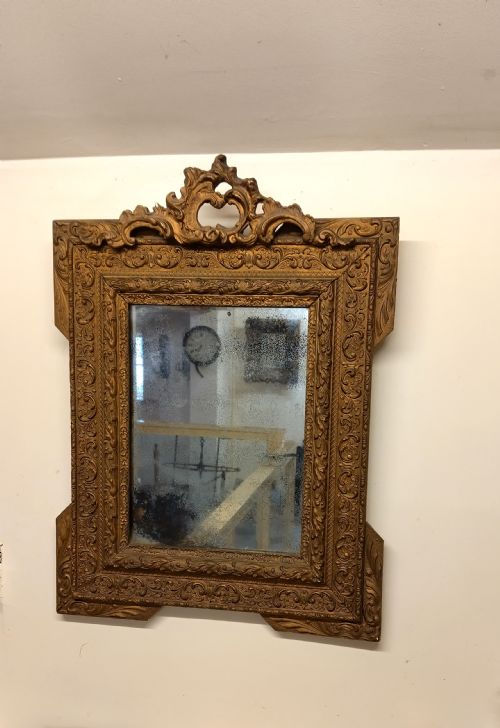
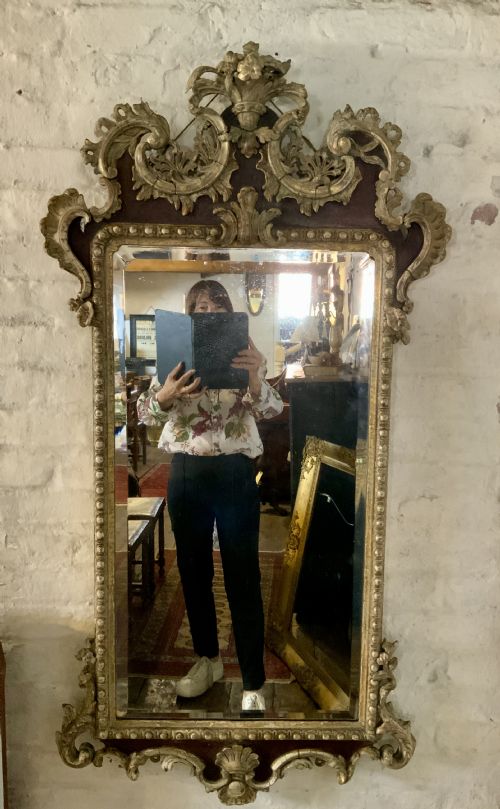
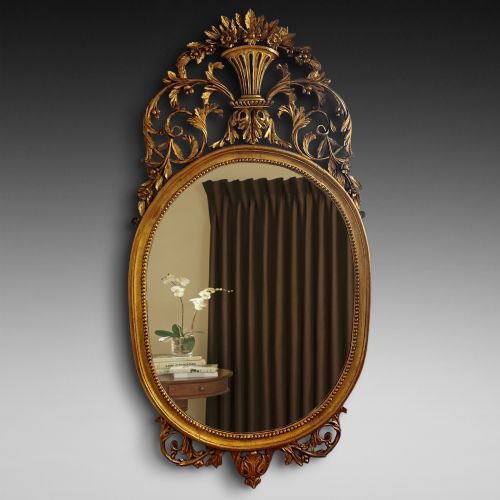
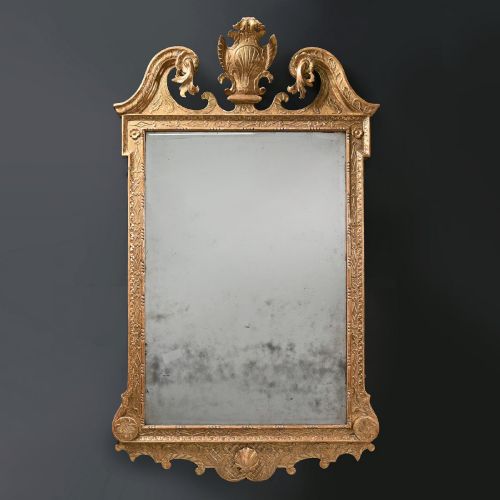
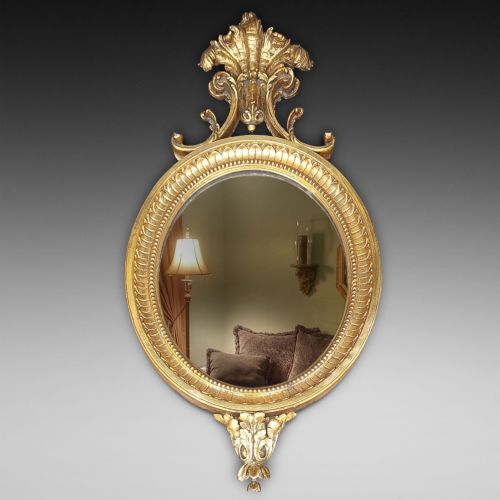
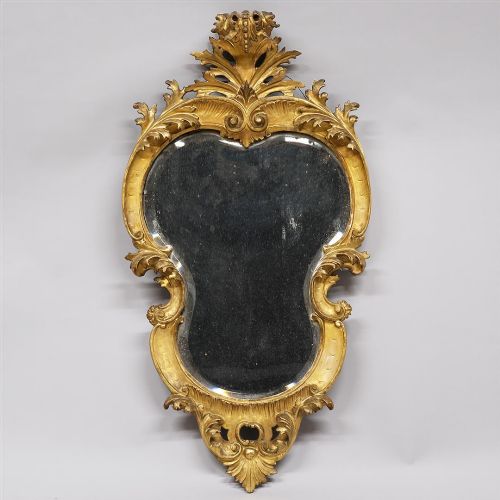
A gold wall looking glass serves as both a functional reflective surface and a commanding architectural ornament within a room. When you examine a gold wall looking glass on this page, you encounter pieces spanning the Georgian, Regency, Victorian, and early twentieth-century periods.
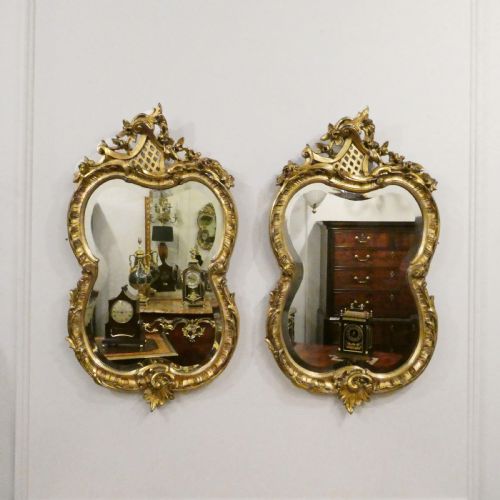
The selection ranges from restrained oval frames to elaborate Rococo Revival and Louis XVI style creations. Makers from different eras employed distinct regional interpretations, yielding French, Italian, Venetian, and Swedish forms alongside domestic British works.
Wall mirrors and pier mirrors dominate the selection, appearing in both single pieces and matched pairs. These items bring historical presence to an interior through gilded surfaces and traditional mirror glass.
Materials and construction
Craftsmen built the foundations of these frames using timbers such as walnut, mahogany, and general carved wood. Gesso was applied over the wooden base to create a smooth, pliable ground for subsequent ornamentation.
Gold leaf or liquid gilding was laid upon the prepared surfaces to achieve the characteristic metallic finish. Artisans utilised hand-carving techniques to shape intricate scrolls, ribbons, bows, and acanthus leaves into the wood and gesso.
Several mirrors include ribbons and bows carved directly into the gesso, capturing a permanent gesture of soft fabric in rigid gold.
Judging quality and craftsmanship
Quality reveals itself in the crispness of the carved detail and the depth of the gilding. Superior examples display sharply defined ornament where the gesso has not softened the underlying wood carving.
The integrity of the frame construction and the originality of the mirror plate distinguish finer specimens from later replacements. Hand-engraved plates and well-preserved original gilt surfaces elevate the standing of a piece.
Benjamin Goodison
The Gold Wall Looking Glass Glossary
- Giltwood
- Wood that has been coated with gold leaf or a gold-coloured substance. This finish provides the bright reflective surface characteristic of these looking glasses.
- Gesso
- A plaster-like mixture applied to wood frames to create a smooth surface for carving and gilding. It allows for intricate relief decoration.
- Pier Mirror
- A tall mirror traditionally designed to hang on the wall space between two windows. These pieces often reflect additional light into darker parts of a room.
- Rococo Revival
- A nineteenth-century style drawing on the asymmetrical scrolls and natural motifs of the eighteenth century. It manifests in exuberant, curving frame designs.
- Parcel Gilt
- A decoration method where only specific portions of an object are gilded, leaving other areas like walnut or mahogany exposed to show the wood grain.
Gold Wall Looking Glass: Frequently Asked Questions
How do I hang a heavy antique mirror?
Heavy antique looking glasses require secure wall fixing into masonry or direct wooden studs using appropriate heavy-duty brackets. The substantial weight of timber, gesso, and glass demands professional installation to ensure the frame remains secure.
Distribute the load evenly across the fixing points rather than relying on a single central cord or wire. This protects the antique frame joints from undue stress over time.
Where should I place a wall mirror?
Positioning a looking glass opposite a window maximises natural light distribution and creates an illusion of expanded space. Consider the reflection to ensure it captures an appealing view rather than a blank wall.
Height placement depends on the furniture beneath it, such as a mantelpiece or console table. Hang the piece so its centre aligns naturally with the line of sight in the room.
How do I clean a gilded frame?
Dust gilded surfaces gently with a soft, dry brush to avoid disturbing fragile gold leaf or aged gesso. Moisture and modern cleaning chemicals can strip the historic finish and damage the underlying preparation.
Keep glass cleaning liquids away from the wooden or gilded edges during maintenance. A damp cloth used strictly on the mirror plate prevents accidental chemical transfer to the antique frame.
What defines the Georgian style?
Georgian design spans the eighteenth century, incorporating Palladian symmetry, classical motifs, and refined proportions. Frames from this era often feature architectural pediments, carved scrolls, and meticulous attention to detail.
Regional cabinet makers interpreted these classical rules with varying degrees of ornamentation, moving from heavier early forms to lighter, more delicate late eighteenth-century expressions.