







Vintage Red Porcelain Dish
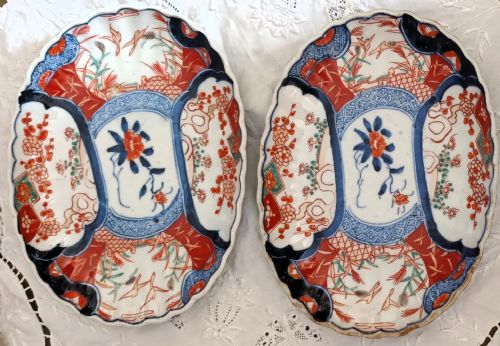
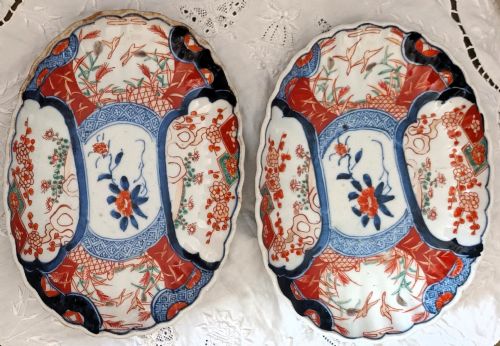
When you search for a vintage red porcelain dish, you enter a world of hand-painted Imari and English wares that bring rich colour to a table.
Vintage Red Porcelain Dish
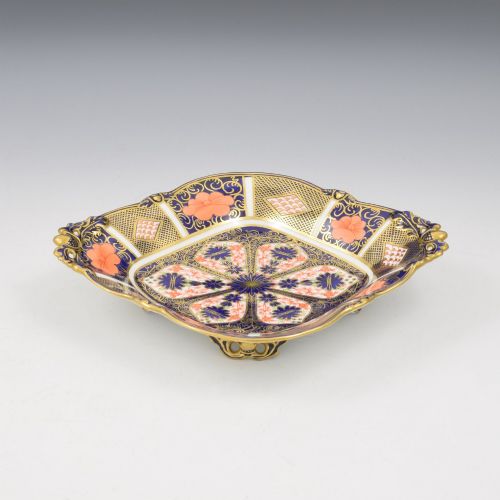
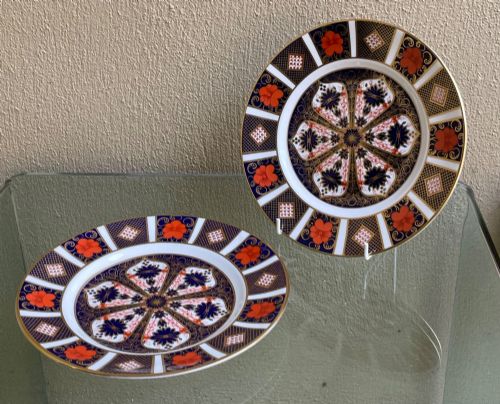
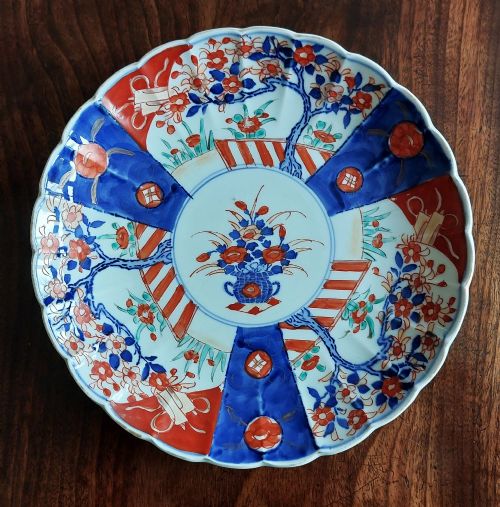
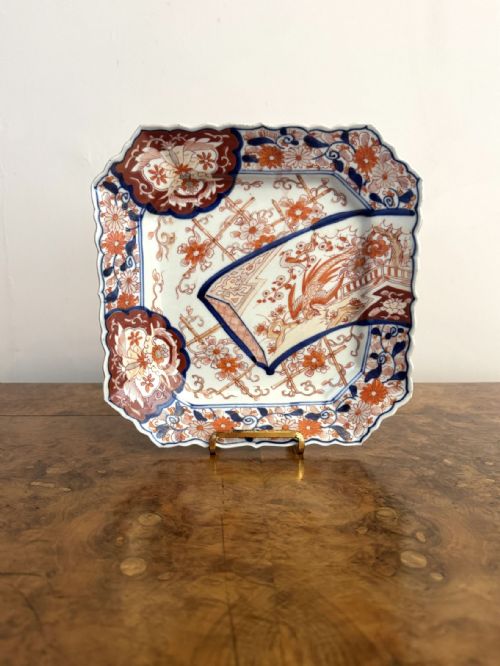
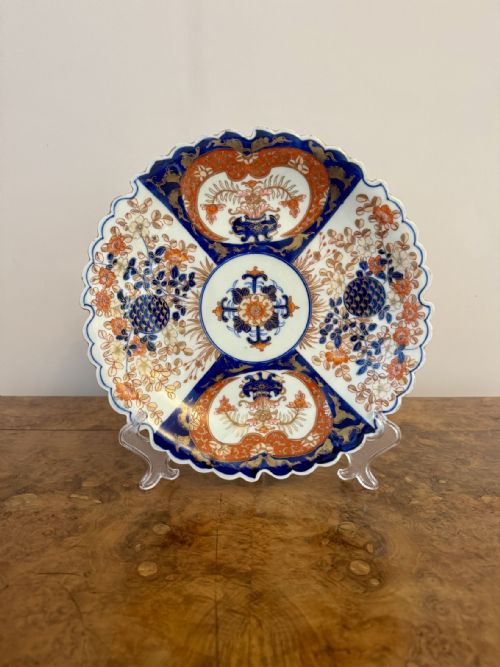
A vintage red porcelain dish encompasses decorative plates, bowls, chargers, and trays originating from Japanese, Chinese, and English kilns. When searching for a vintage red porcelain dish, buyers most frequently encounter Japanese Imari pieces featuring iron red enamel alongside cobalt blue and gold leaf.
The forms range from scalloped and square plates to large chargers and serving trays dating from the nineteenth and early twentieth centuries. These items were made to serve food or display decorative motifs such as the Seven Lucky Gods.
Makers represented in these traditions include Royal Crown Derby and Royal Worcester, alongside unsigned Meiji period Japanese works. Each piece reflects the aesthetic priorities of its period, spanning Victorian, Edwardian, and mid-century eras.
How they were made
The creation of these pieces relies on ceramic bodies such as porcelain and bone china, shaped into bowls, plates, and chargers before initial firing. Artisans then apply underglaze blue and overglaze enamel pigments, often combining iron red with gilt and gold leaf highlights.
Many items incorporate hand-painted details that require multiple kiln firings to set the intricate patterns. Glaze is applied to seal the ceramic body, producing the smooth, reflective surfaces seen on Imari style and Chinese export wares.
Some plates depict the Seven Lucky Gods sharing space with traditional floral motifs, ensuring divine oversight for your afternoon biscuits.
What varies in quality
The standard of a piece rests upon the crispness of the hand-painted brushwork and the precision of the iron red and gold leaf application. Finer examples display detailed motifs without blurring, whereas simpler items show more standardised or heavier pigment application.
Form and shape also influence distinction, with unusual configurations like square plates, ribbon edges, or pierced serving trays representing more ambitious manufacturing techniques than standard circular dishes.
The Vintage Red Porcelain Dish Glossary
- Imari Style
- A decorative ceramic tradition originating in Japan, characterised by a palette of iron red, cobalt blue, and gold leaf. These wares were widely emulated in Europe by factories such as Royal Crown Derby.
- Charger
- A large decorative plate or dish historically used for ceremonial display rather than daily dining. They often feature complex painted scenes and substantial diameters.
- Meiji Period
- A Japanese historical era spanning from 1868 to 1912, noted for a surge in export porcelain featuring intricate hand-painted designs. Pieces from this time frequently employ rich enamel colours.
- Bone China
- A type of soft-paste porcelain incorporating bone ash, which yields a durable, translucent ceramic body. It was utilised by English makers for fine tableware.
- Enamel
- A glass-like decorative coating fused to the surface of fired porcelain at lower temperatures. It provides the vibrant red and other surface hues found on Imari plates.
Vintage Red Porcelain Dish: Frequently Asked Questions
How do I care for a vintage porcelain dish?
Wash these items by hand using warm water and mild soap, avoiding abrasive sponges that might harm the gold leaf or enamel.
Keep them away from modern dishwashers and microwaves to preserve the integrity of the antique glaze and painted surfaces.
Can I use these dishes for serving food?
Most decorative dishes and chargers from the nineteenth and early twentieth centuries are intended for display or light service. Older enamel and gold leaf decorations can wear down with heavy culinary use.
For practical dining, select robust serving trays or plates specifically noted for everyday utility rather than delicate decorative chargers.
How can I tell Japanese Imari from English Imari?
Japanese Imari pieces typically date from the Meiji period or earlier, showing characteristics of traditional hand-thrown porcelain bodies. English versions, such as those by Royal Crown Derby, often feature factory backstamps and bone china bodies.
Examine the weight, foot ring, and any makers' marks on the underside to identify the regional origin of the decoration.
What is a charger plate?
A charger is a large decorative plate that sits beneath other dinnerware during formal dining or stands alone as a decorative wall piece. They provide a broad surface for elaborate painted scenes.
In this selection, chargers frequently showcase complex Imari patterns and rich red enamel highlights across wide rims.