





Vintage Rectangular Footstool
These vintage rectangular footstool pieces offer solid timber frames and varied textile tops, bringing practical comfort and period character to any room.
Vintage Rectangular Footstool
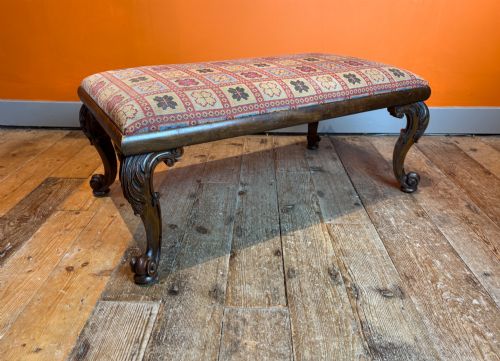
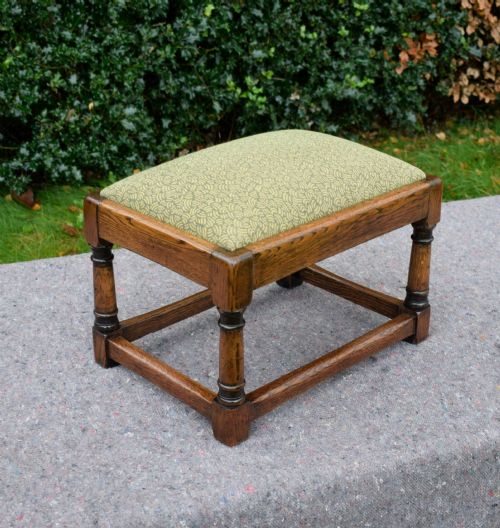
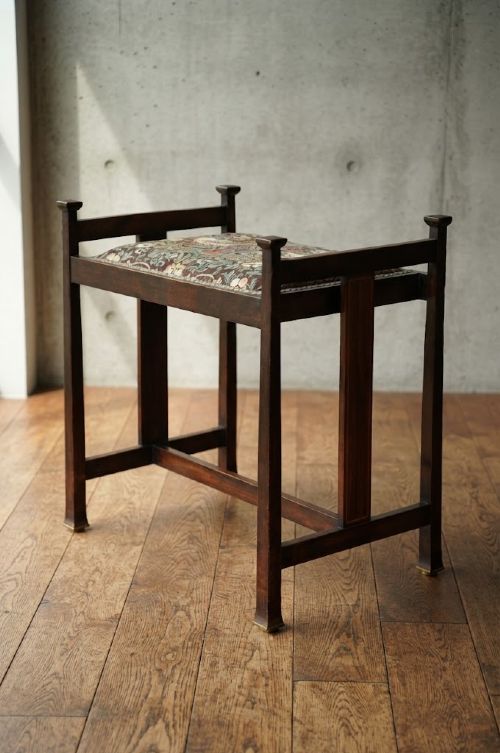
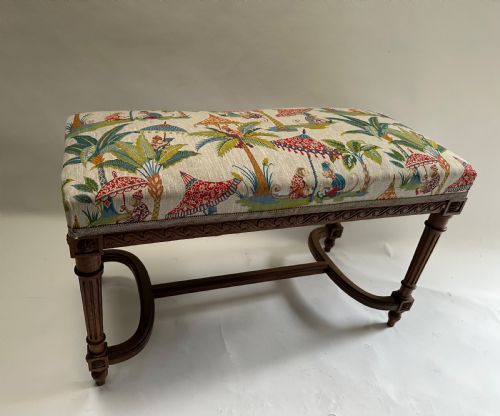
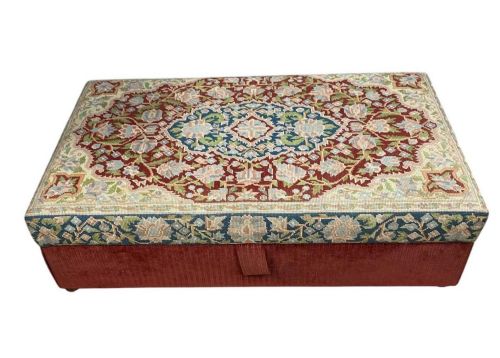
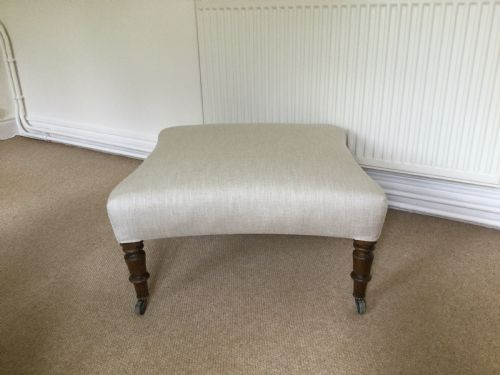
A vintage rectangular footstool provides a sturdy timber base combined with a padded surface, designed for resting feet or serving as a low seat. These furnishings appear in forms ranging from compact Victorian salon examples to large oak centre pieces.
The pieces on this page span several eras, with nineteenth-century examples and early twentieth-century designs appearing most frequently. Sturdy mahogany frames and oak structures predominate across the selection.
Makers utilised various stylistic influences, including Georgian style, Arts and Crafts, and Jacobean Revival. Buyers frequently encounter rectangular formats featuring upholstery in tapestry, velvet, leather, or woven rattan.
How they were made
Carpenters constructed the structural frames from hardwoods such as mahogany, oak, and walnut, employing traditional joinery methods to ensure stability. Carved details and turned legs appear on specific stylistic variants.
Upholstery techniques involved securing textiles like damask, cotton, and tapestry over padding, sometimes incorporating buttoned leather or cane panels. Giltwood finishes and carved mahogany showcase more elaborate decorative approaches.
Vintage Rectangular Footstool Retail Price Guide 2026
Typical asking prices for vintage rectangular footstool among the pieces listed under this phrase on Sellingantiques today, from the lower quarter to the upper quarter. They describe what is for sale here now, not the wider market.
Listings feature items from the eighteenth, nineteenth, and early twentieth centuries, constructed primarily in mahogany and oak.
What varies in quality
The refinement of the timber frame and the depth of hand-carving distinguish finer examples from simpler utilitarian pieces. Crisp detailing on mahogany or oak elements indicates superior cabinet work.
The choice of covering material and the execution of the upholstery affect the overall character. Original tapestry, quality leather, or finely woven cane represent higher tiers of craftsmanship.
Howard and Sons
The Vintage Rectangular Footstool Glossary
- Mahogany
- A durable hardwood commonly utilised for furniture frames due to its rich reddish-brown tone and strength. It takes a fine polish and allows for detailed carving.
- Cane
- Strips of rattan woven into an open pattern to form panels for seats and stool tops. This technique provides a lightweight yet resilient surface.
- Tapestry
- A heavy textile featuring woven designs, frequently employed as decorative upholstery on period footstools. It adds texture and traditional pattern.
- Giltwood
- Timber coated with a thin layer of gold leaf or metallic paint. This treatment appeared on pieces influenced by continental decorative styles.
- Damask
- A reversible figured fabric traditionally woven on a jacquard loom. It provides a formal, patterned surface for upholstery.
Vintage Rectangular Footstool: Frequently Asked Questions
How do I style a footstool?
Position the piece before an armchair or sofa to provide functional support for seating areas. Alternatively, place a large rectangular example in the centre of a room as a low coffee table substitute.
Select a style that complements existing timber furniture in the space. Mixing period pieces with contemporary surroundings adds visual contrast.
Can these stools be reupholstered?
Many frames accept new fabric, allowing owners to update worn textiles while preserving the underlying structure. Traditional webbing and stuffing can be replaced by skilled craftspeople.
Check the method of attachment around the base before undertaking changes. Preserving original upholstery remains preferable for older collector pieces.
What woods were used?
Makers predominantly selected mahogany and oak for structural durability and appearance. Walnut also appears in select nineteenth-century salon pieces.
Secondary timbers sometimes support internal framing. The visible wood typically dictates the character and period of the furniture.
How do I identify the period?
Examine the leg form, carving style, and timber characteristics to determine the era of manufacture. Victorian pieces often display heavier proportions and buttoned leather or rich upholstery.
Earlier examples reflect Regency or Georgian aesthetic influences through simpler lines and refined timber turning. Construction joints also offer clues to the date of creation.