

Vintage Reading Lectern
A vintage reading lectern brings functional elegance to any study, offering a dedicated perch for heavy volumes and manuscripts.
Vintage Reading Lectern
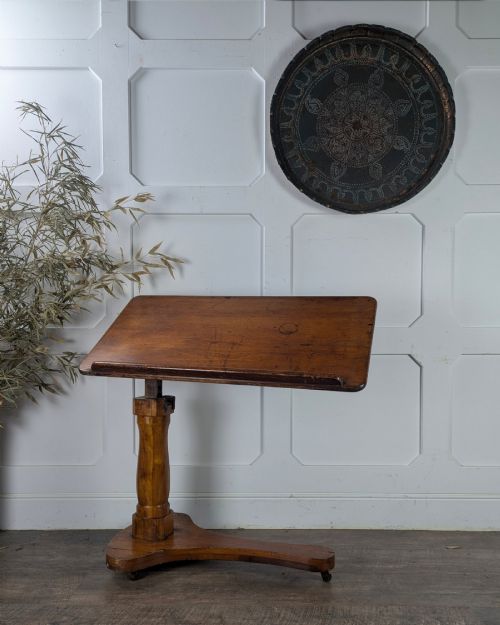
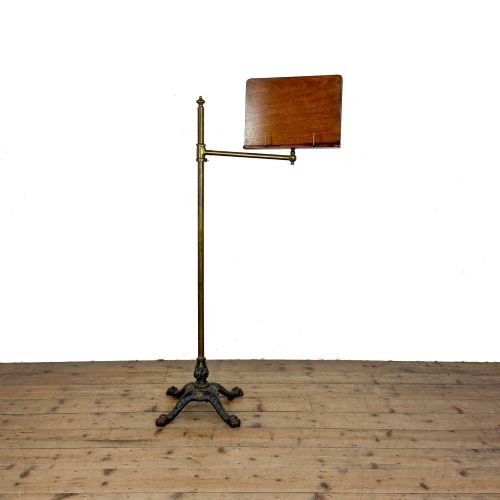
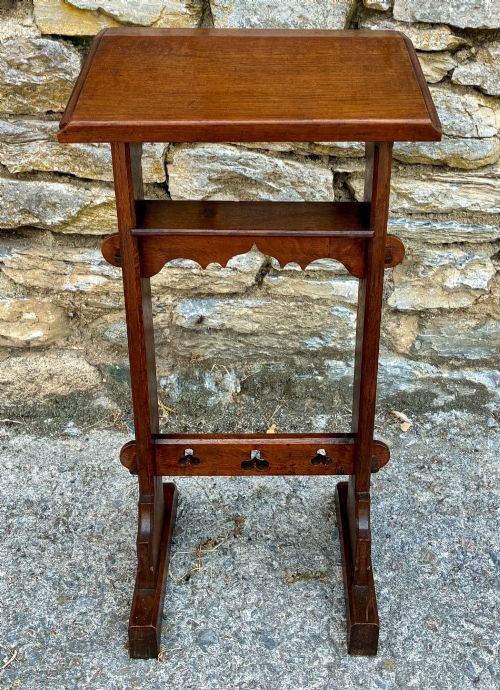
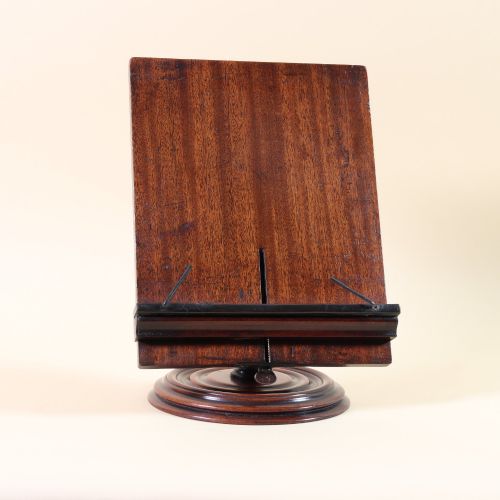
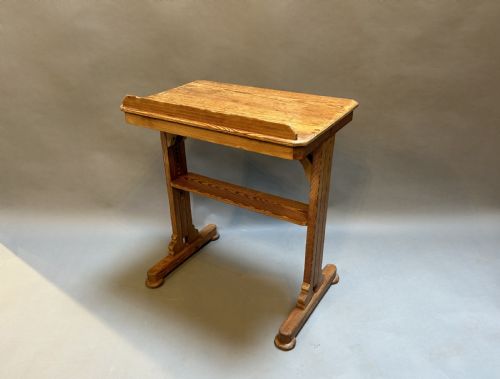
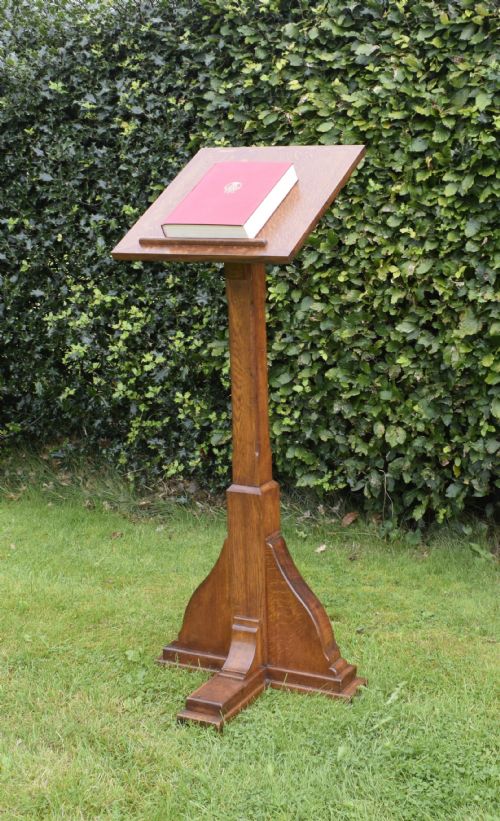
A vintage reading lectern serves as a practical stand designed to hold books, music, or papers at a comfortable angle for the reader. Buyers seeking a vintage reading lectern will discover various forms ranging from floor-standing church styles to adjustable desk-top models.
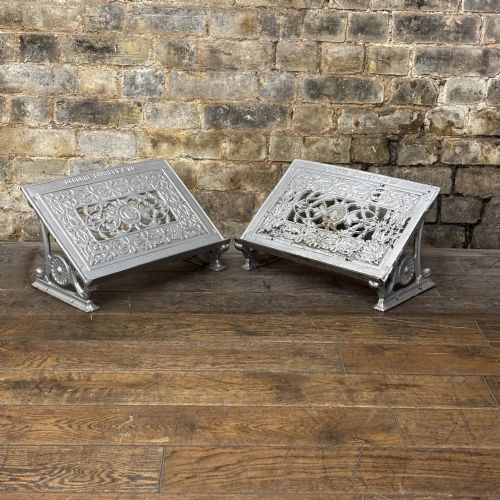
The selection encompasses pieces originating across the nineteenth and twentieth centuries, spanning periods such as the Victorian, Edwardian, and Regency eras. Oak, mahogany, and pine form the predominant wooden structures, frequently paired with brass and cast iron mechanisms.
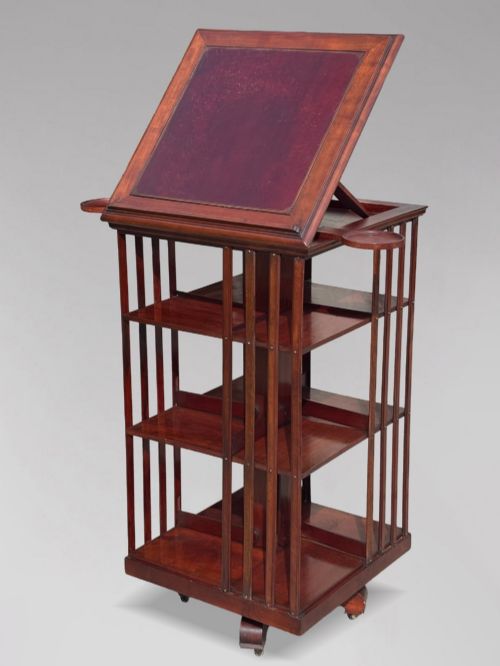
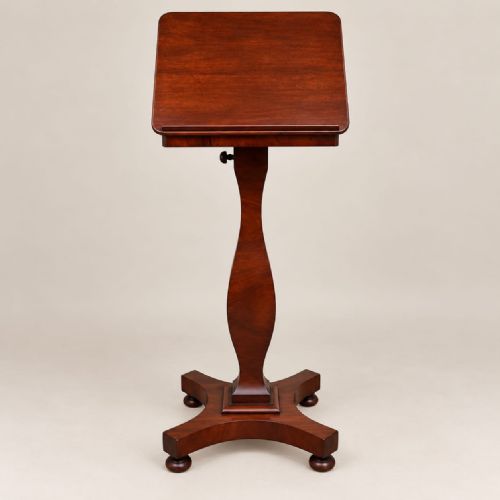
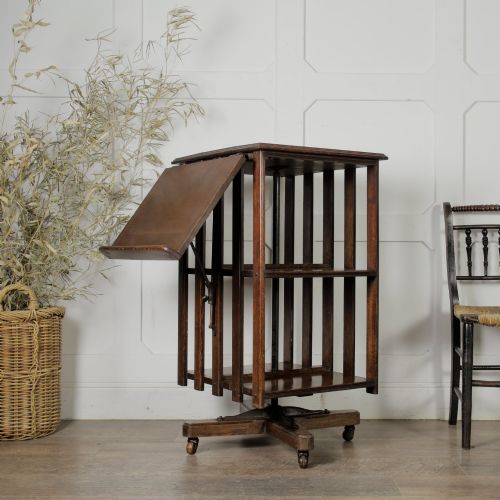
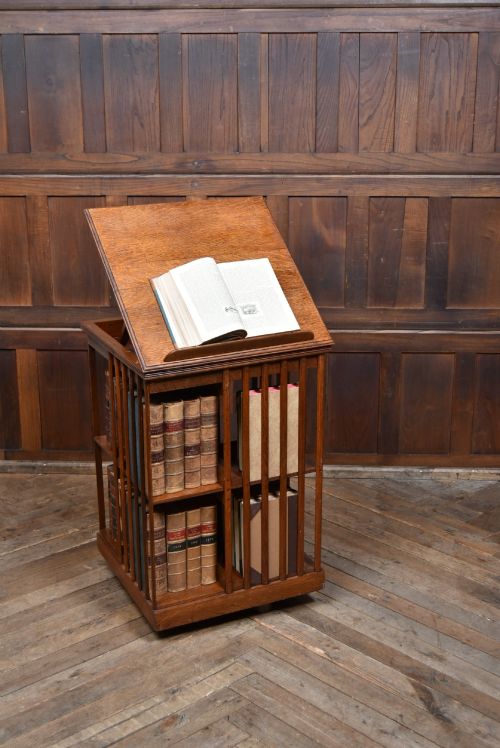
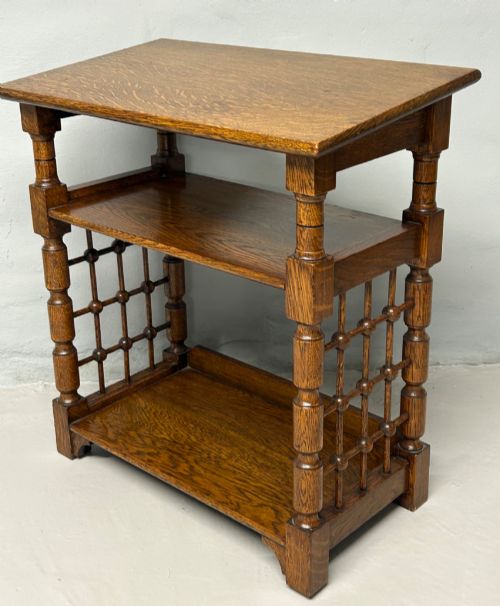
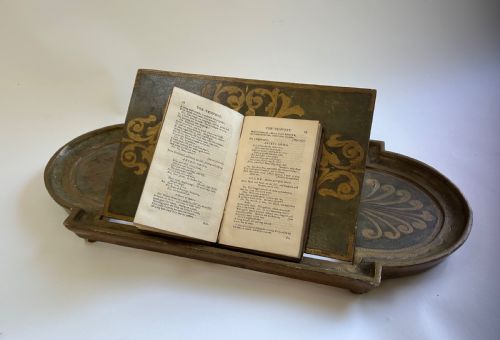
Most examples encountered on this page function as adjustable reading stands, music stands, or revolving bookcases. These functional objects reflect the domestic and ecclesiastical needs of past decades, combining utility with period craftsmanship.
Assessing Quality and Execution
The sophistication of the mechanical adjustment mechanism distinguishes standard pieces from superior examples. Smoothly operating ratchets, screws, and pivoting joints demonstrate the care invested by the original maker.
The choice of primary timber and the execution of secondary decorative elements influence the standing of an individual piece. Solid hardwoods like mahogany and figured oak, combined with precise brass inlay or ironwork, represent higher standards of production.
Proportion and stability define the structural integrity of these stands. Heavier floor-standing models require balanced bases to support large volumes without tipping.
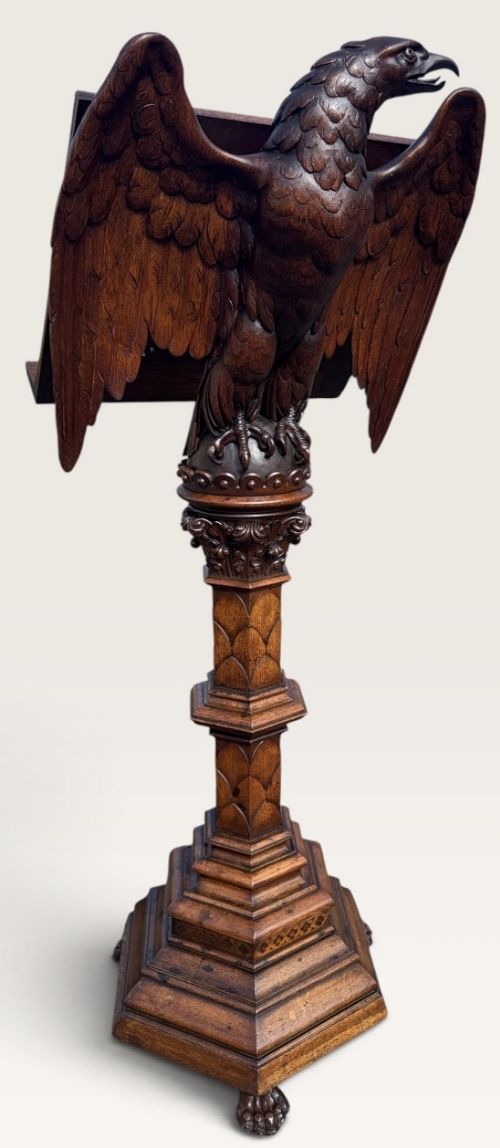
An occasional carved wooden eagle stands ready to support your morning correspondence.
Osborne Garrett And Co·Carters Of London·Harrods
The Vintage Reading Lectern Glossary
- Lectern
- A slanted support holding a book, speech, or music at a height and angle convenient for a standing or seated reader. These objects appear in ecclesiastical and domestic contexts alike.
- Revolving bookcase
- A freestanding tiered bookcase mounted on a swivel base to allow access to books from multiple angles. Edwardian makers produced these in solid oak and mahogany.
- Adjustable reading stand
- A furniture form featuring a movable book rest attached to a standard or table base. Many surviving examples date from the Victorian and Edwardian periods.
- Ebonised
- Wood finished with a dark stain or lacquer to imitate ebony. This treatment was popular for giving furniture a formal, dramatic appearance.
- Gothic Revival
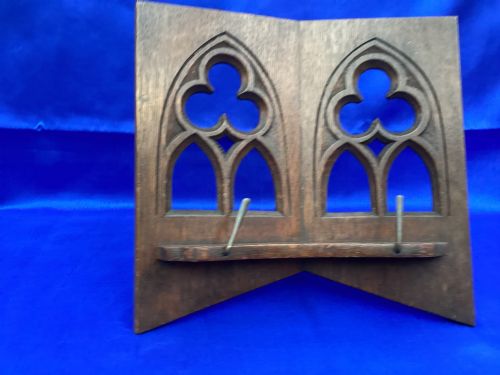
- An architectural and decorative style drawing inspiration from medieval design. It frequently manifests in church lecterns with pointed arches and heavy carved woodwork.
Vintage Reading Lectern: Frequently Asked Questions
How do I adjust the height?
Most adjustable stands utilise a sliding stem secured by a thumbscrew or a ratcheted bracket beneath the book rest. Loosening this mechanism allows the user to raise or lower the reading surface before tightening it into place.
Heavier cast iron or brass stands may employ threaded columns or weighted counterbalances to maintain the chosen position safely.
Can these hold heavy books?
Stands constructed from solid oak, mahogany, and cast iron possess the structural rigidity required for substantial volumes. The weight capacity depends largely on the stability of the base and the strength of the adjustable ledge.
Heavier floor-standing models and desk-top book rests with robust wooden ledges support dictionaries and large art books securely.
How do I date these stands?
Dating relies on identifying the prevailing style, materials, and mechanical construction methods associated with specific historical periods. Victorian and Regency pieces often display rich mahogany veneers and brass inlay, while Edwardian examples favour solid oak and simpler utility forms.
Makers' marks or patent stamps on metal adjustment fittings can also provide a narrower window of manufacture.