


Vintage Railway Station Clock
A vintage railway station clock brings purposeful utility into a room, measuring time with the clear faces and robust movements built for bustling platforms.
Vintage Railway Station Clock
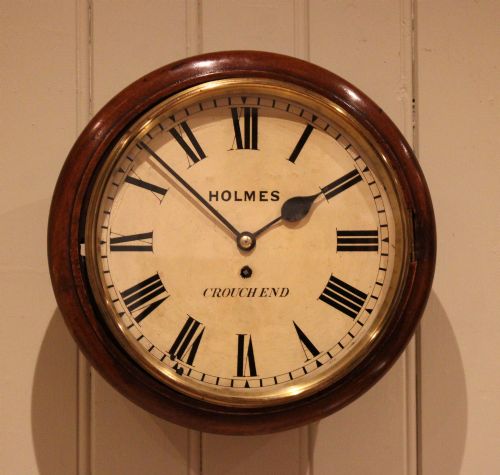
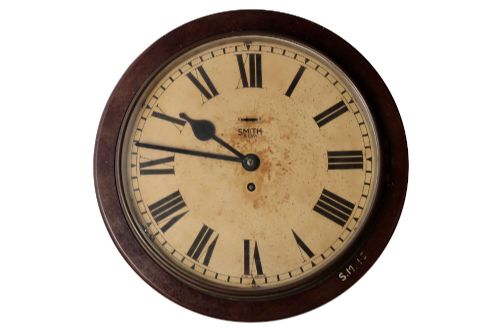
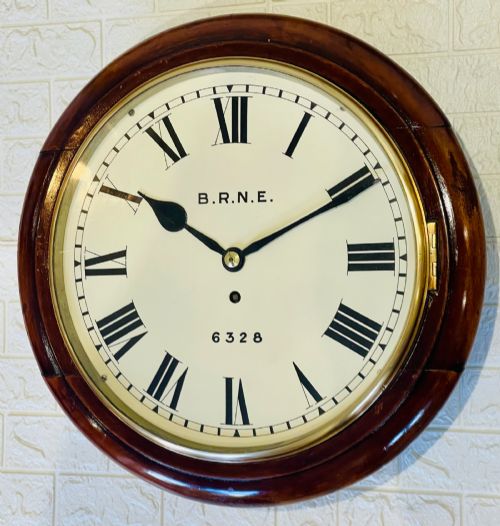
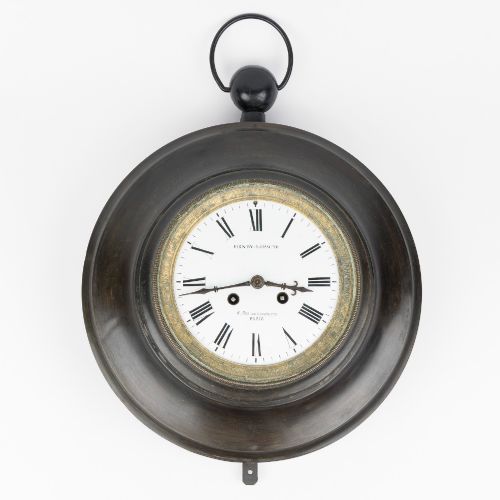
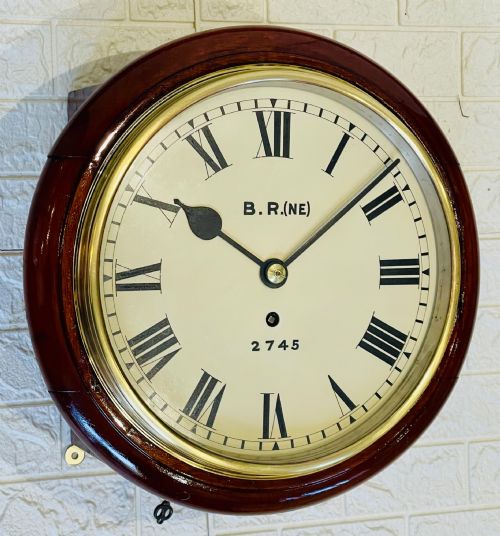
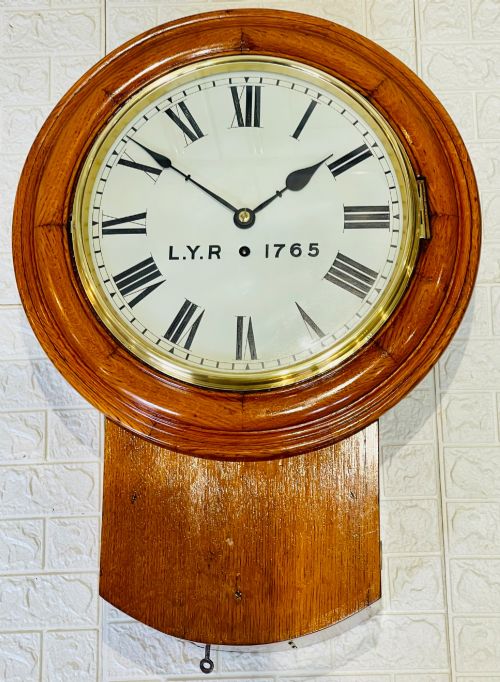
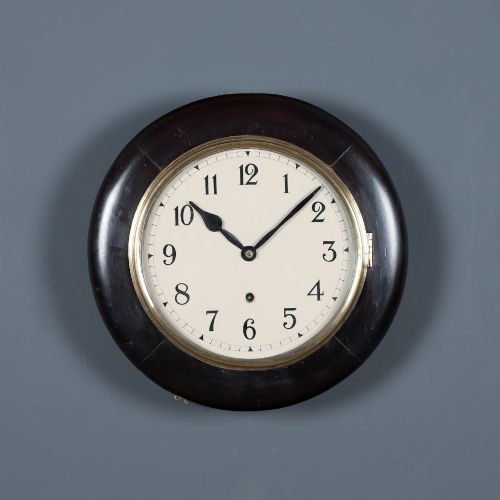
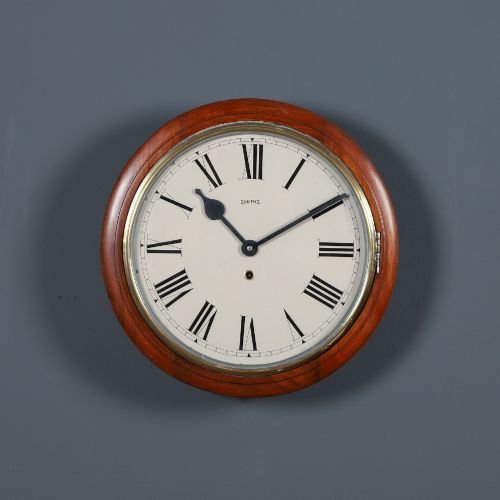
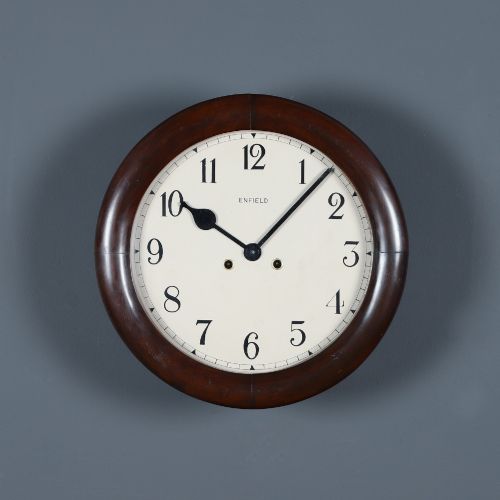
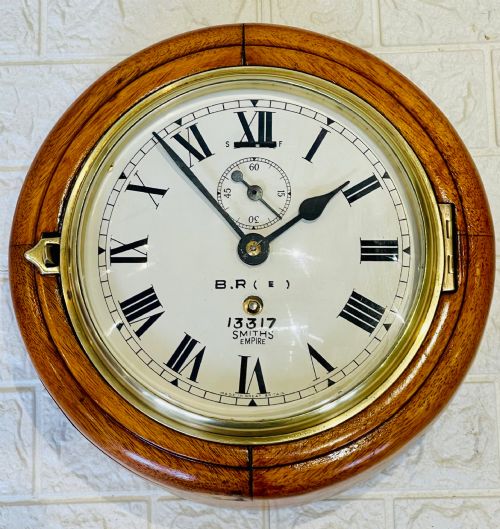
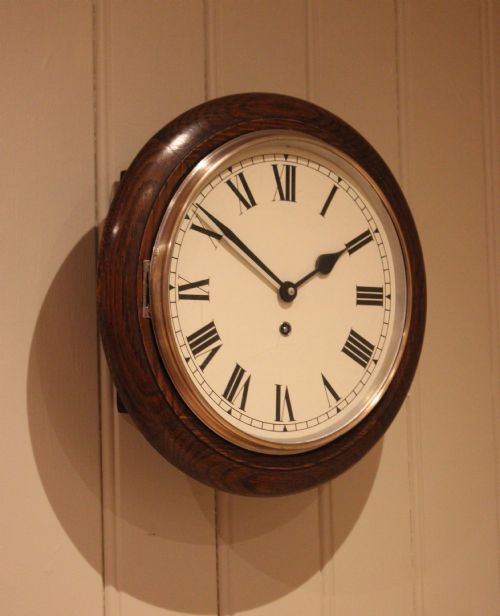
A vintage railway station clock serves as a striking focal point in any room, combining robust utility with distinct historical character. When searching for a vintage railway station clock, buyers encounter heavy round dials designed for high-visibility timekeeping in public transport hubs.
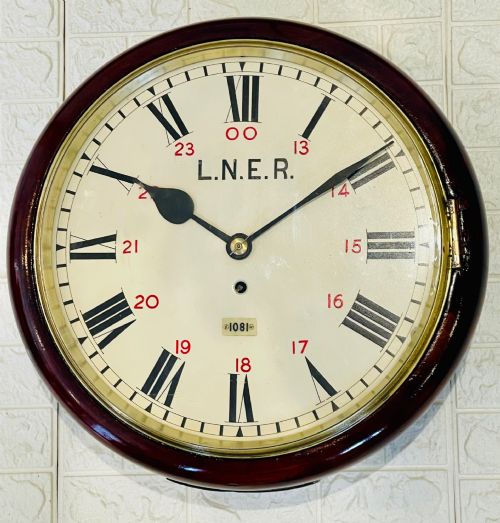
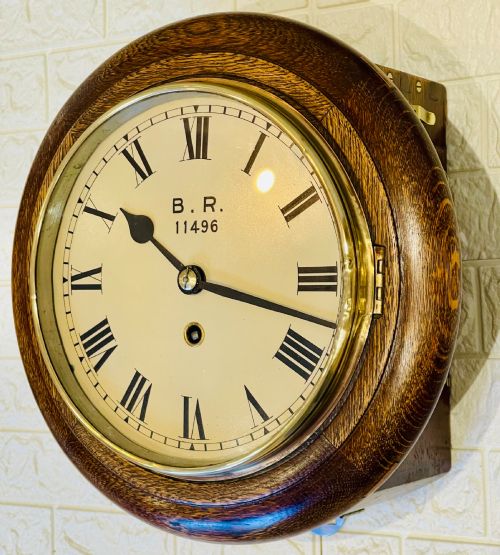
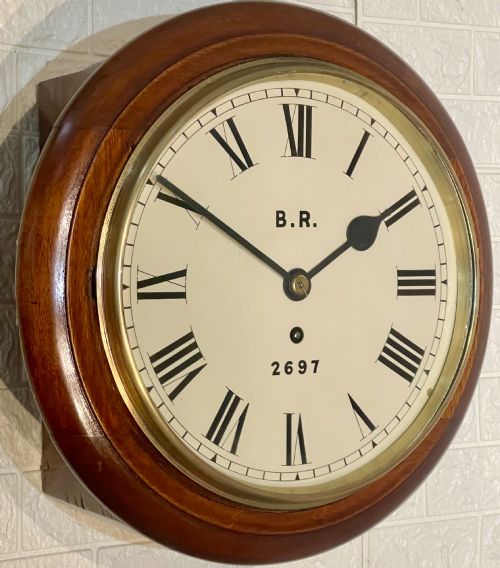
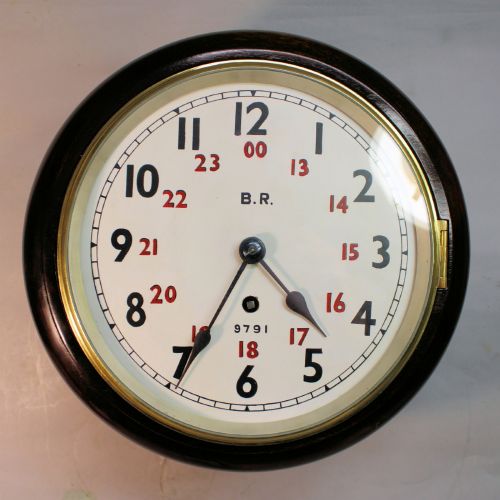
The pieces appearing on this page span several decades, ranging from Victorian fusee wall clocks housed in rich timber cases to mid-century British Rail examples. Most options adopt straightforward round dial designs, often bearing the initials of specific rail networks like the L.N.E.R. or N.E.R.
How They Were Made
Makers housed these movements in sturdy wooden cases, selecting dense timbers like mahogany and oak to withstand industrial environments and shifting temperatures. Brass components ensured the internal gear trains maintained precise engagement over years of continuous operation.
Protection for the dial came from thick glass panels fitted into brass bezels or hinged wooden frames. Enamel and painted metal dials provided a high-contrast background that remained legible in dim station light.
Vintage Railway Station Clock Retail Price Guide 2026
Typical asking prices for vintage railway station clock among the pieces listed under this phrase on Sellingantiques today, from the lower quarter to the upper quarter. They describe what is for sale here now, not the wider market.
Many of these clocks kept station staff strictly on schedule while listening to the distant whistle of approaching steam trains.
What Varies in Quality
The sophistication of the internal movement dictates much of the distinction among these timepieces. Fusee movements, designed to equalise the declining power of the mainspring as it unwinds, represent a higher standard of clockmaking than simpler spring-driven mechanisms.
Provenance and specific railway company markings add depth to a piece. Clocks bearing authenticated station names or specific regional operator ciphers carry a direct connection to operational transport history.
Henry-Lepaute of Paris·John Walker·Camerer Cuss and Co·Smiths·Gents of Leicester
The Vintage Railway Station Clock Glossary
- Fusee
- A conical pulley connected to the mainspring by a chain or cord, designed to maintain even tension and ensure accurate timekeeping as the spring unwinds.
- Dial
- The face of the clock where the numerals and minute markers are displayed for reading the time.
- Bezel
- The metal ring that holds the glass cover in place over the dial of the clock.
- Movement
- The inner mechanical workings of the clock that drive the hands and regulate the time.
Vintage Railway Station Clock: Frequently Asked Questions
How do I wind a fusee clock?
Use the appropriate winding key inserted into the dial hole, turning it gently clockwise until resistance is felt.
Avoid over-winding the mechanism, as this can strain the mainspring and chain.
Where were these clocks originally placed?
These clocks hung in booking halls, platform offices, and station master rooms across the rail network.
Their clear layouts ensured passengers and staff could check the time quickly.
How do I identify a railway company mark?
Initials such as L.N.E.R. or N.E.R. appear painted on the dial or stamped into the timber case.
These letters denote the specific regional operator that once owned the timepiece.
Can I hang a heavy mahogany clock on a partition wall?
Solid timber cases combined with thick glass and brass bezels create considerable weight.
Secure the clock directly into brickwork or locate a sturdy wall stud using appropriate fixings.