



Vintage Racehorse Art
Vintage racehorse art captures the speed and tradition of the turf through period oils, watercolours and engravings.
Vintage Racehorse Art
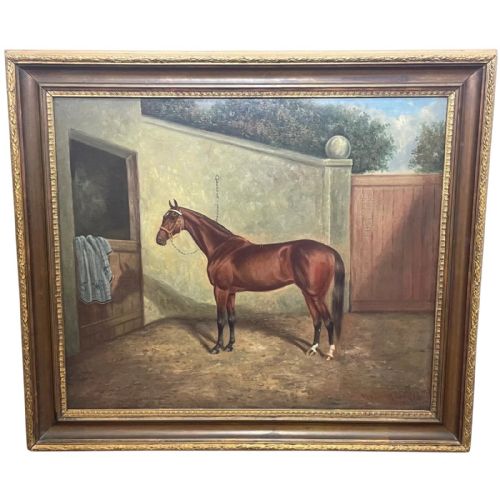
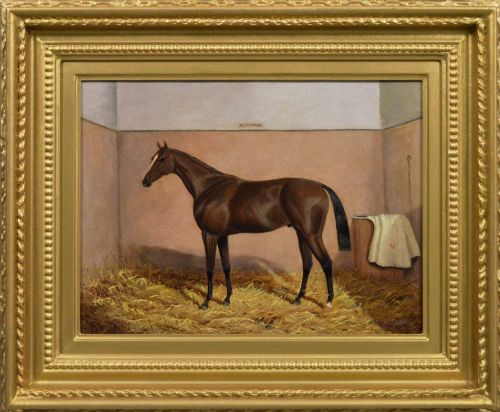
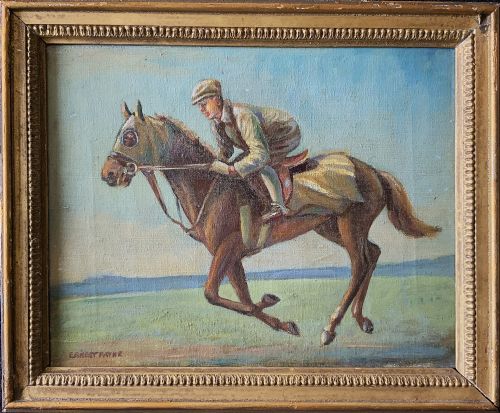
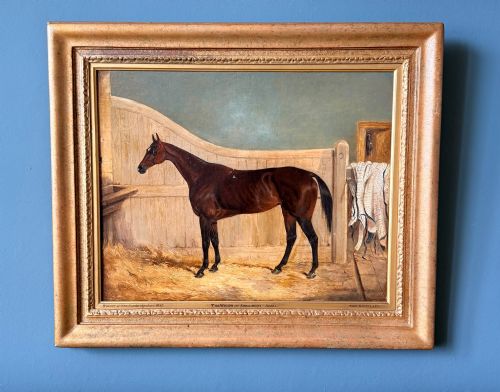
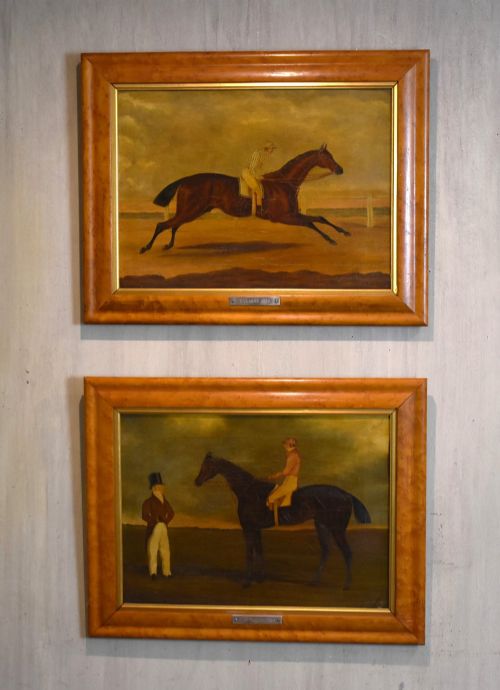
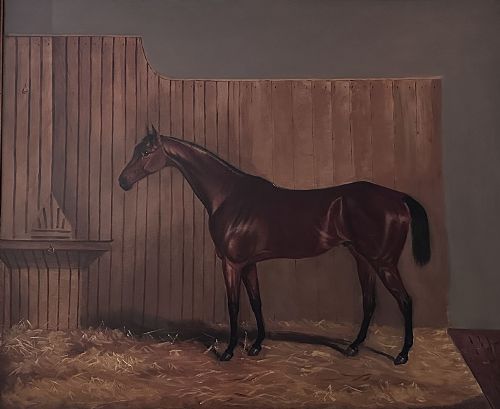
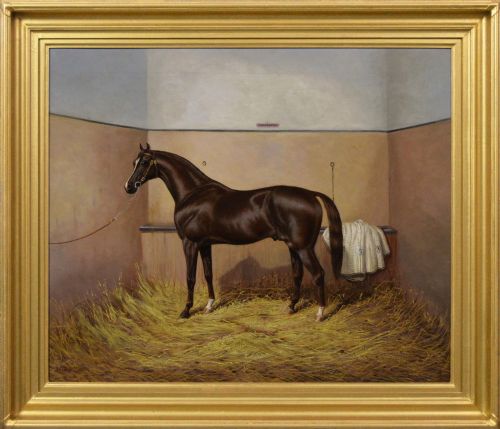
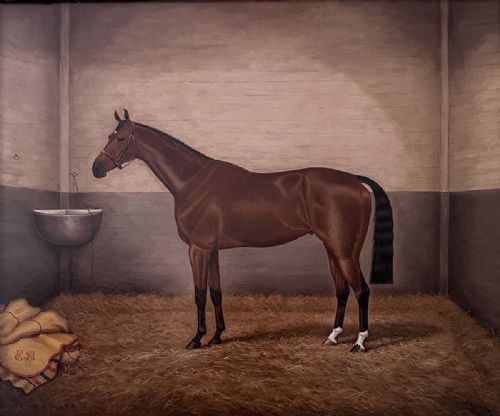
Vintage racehorse art encompasses paintings, drawings and prints depicting famous thoroughbreds, jockeys and racecourse scenes from the nineteenth and twentieth centuries. These works range from detailed oil portraits of Derby winners to atmospheric paddock studies and historical racing prints.
The pieces you encounter on this page span several distinct periods, including Victorian sporting art, Edwardian works and mid-twentieth-century drawings. Oil paintings on canvas and paper-based prints form the core of what is available for collectors of equestrian subjects.
How they were made
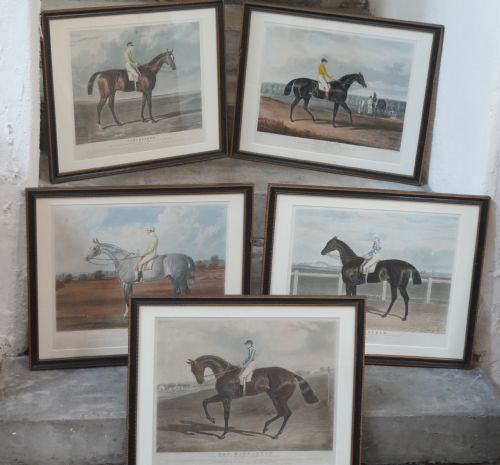
Artists created these works using oil paint on canvas or paper, alongside ink, pastel and watercolour for studies and drawings. Engravings and photographic prints utilised traditional printing techniques to reproduce famous horses and races for a wider audience.
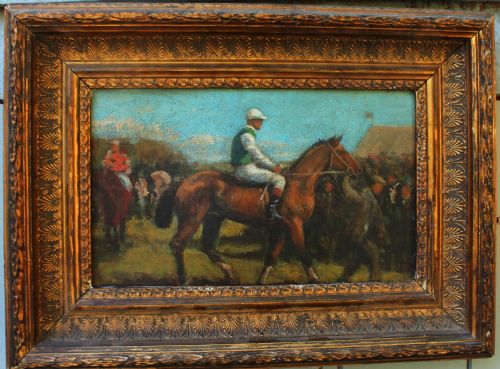
Framing typically involved wood and glass to protect delicate works on paper, while oil paintings on canvas were stretched over wooden frames and occasionally housed in ornate gilt frames.
Several pieces record the exact moment a winner passed the post, ensuring grumpy thoroughbreds are forever immortalised as champions.
What varies in quality
The medium also dictates value and refinement, with hand-painted oil studies showing individual brushwork and depth compared to mass-produced reproductive prints or later photographic reproductions.
Albert Clark·Ernest Payne·Thomas Walker Bretland·John Frederick Herring Snr·Alfred Munnings·John Rattenbury Skeaping·Abraham Cooper·Alfred Wheeler·John Atkinson·Isaac Cullin·Walter Herbert Wheeler
The Vintage Racehorse Art Glossary
- Oil on canvas
- A painting technique where pigments suspended in oil are applied to a stretched fabric surface. This method allows for rich colour blending and texture.
- Aquatint
- A printmaking technique that produces tonal effects similar to watercolour washes. It was frequently used for nineteenth-century sporting prints.
- Eglomise
- A process of applying gold or silver leaf to the rear side of glass. It creates a reflective, decorative border around historical prints.
- Pastel
- A dry medium consisting of powdered pigment and a binder. It produces soft, velvety drawings on coloured paper.
- Sporting art
- A genre of painting and illustration dedicated to equestrian subjects, hunting and horse racing. It flourished in Britain throughout the nineteenth and twentieth centuries.
Vintage Racehorse Art: Frequently Asked Questions
How do I identify the horse in an old painting?
Many nineteenth and twentieth-century racing paintings include inscriptions on the canvas or frame detailing the horse's name, the race won, and the jockey up.
Comparing these names with historical racing records helps confirm the identity of the thoroughbred and the specific event depicted.
What is the difference between an oil painting and a print?
An oil painting is a unique, hand-painted artwork created directly on canvas or paper by the artist's hand. Brush texture and impasto are visible upon close inspection.
Prints are mechanically or manually reproduced copies of an original image, often produced in sets or editions for collectors.
How should I display vintage horse art at home?
These pieces suit traditional studies, hallways or living rooms, particularly when paired with classic wood furniture and neutral wall colours.
Keep works out of direct sunlight to prevent fading on paper prints and oil pigments.
Are jockey silks always accurate in these works?
Commissioned portraits of racehorse winners usually depict the exact racing colours registered to the owner, such as Lord Glanely or King Edward VII.
Artists paid close attention to these specific jacket and cap designs to satisfy the wealthy patrons who commissioned the work.