

Vintage Pub Table
These vintage pub table examples bring robust utility and French bistro character straight into a modern interior.
What They Are
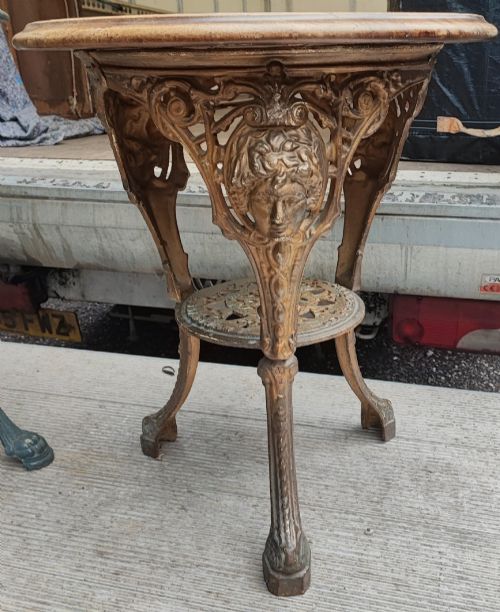
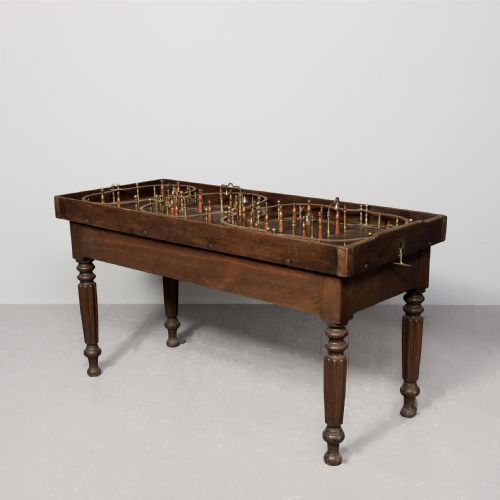
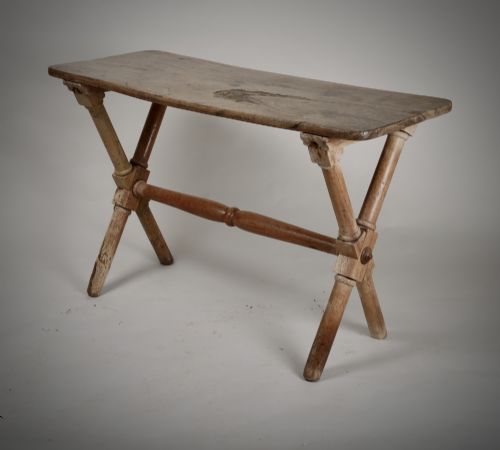
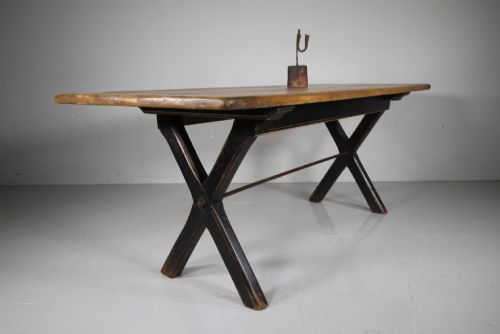
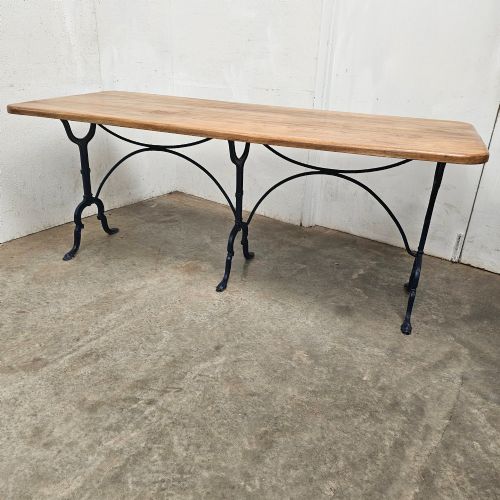
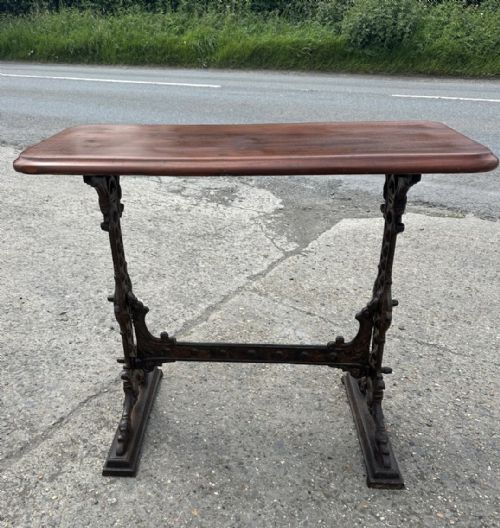
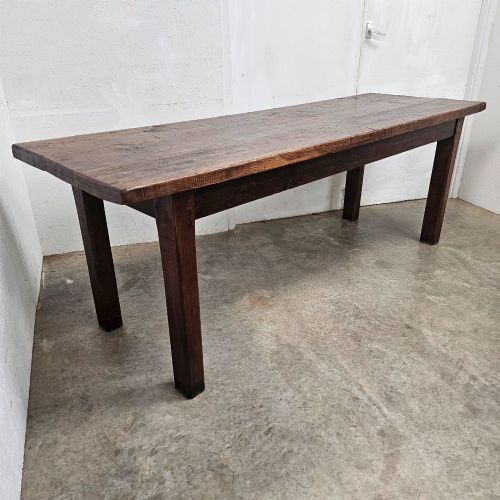
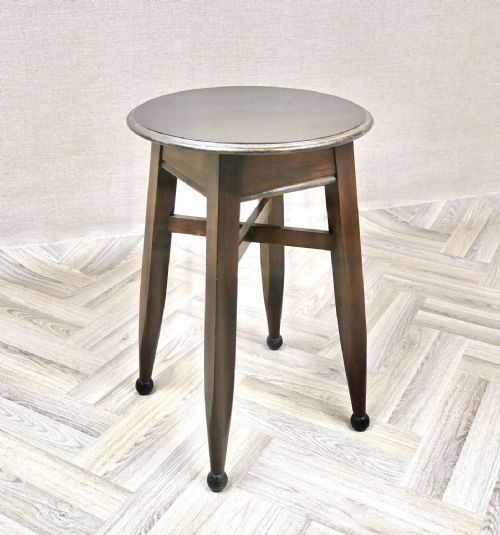
A vintage pub table serves as a sturdy anchor for daily dining or informal gathering, combining utilitarian origins with enduring style. When searching for a vintage pub table, buyers encounter formats ranging from French bistro tables to early twentieth century pine tavern tables.
How They Were Made
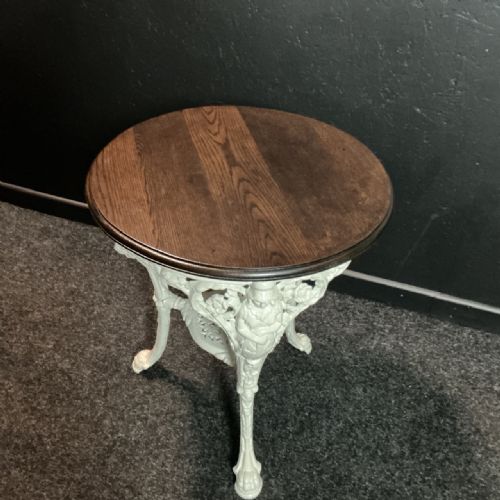
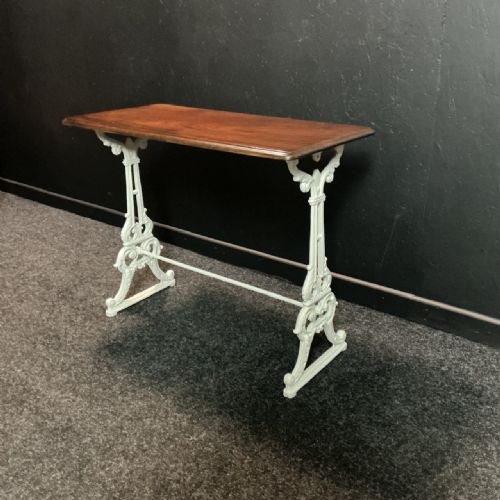
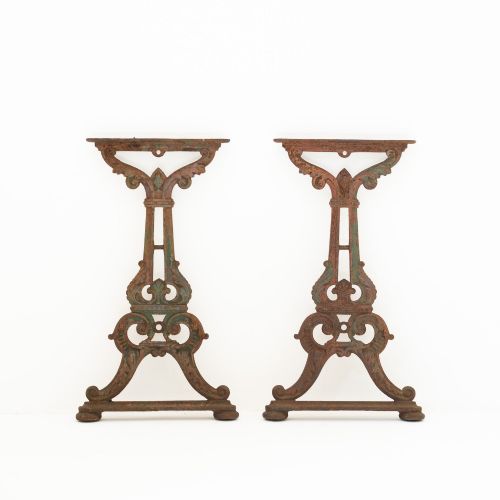
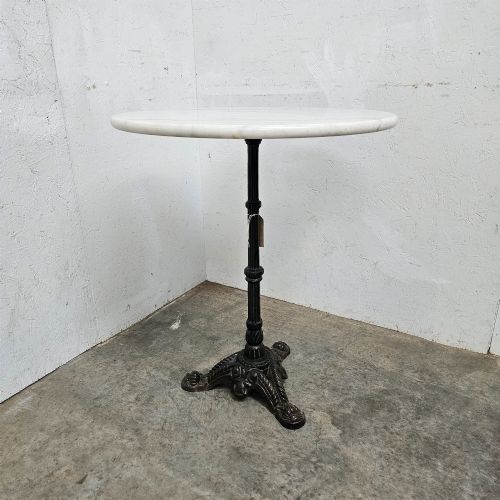
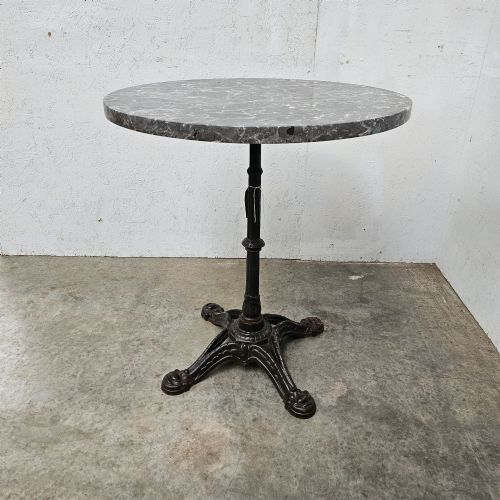
Maker construction relies on heavy metal frames paired with resilient wooden or stone surfaces. Cast iron and standard iron form the structural bases, offering substantial weight and stability.
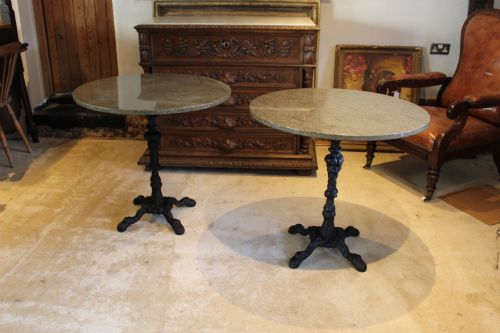
Tops utilise elm, pine, and various marbles including white, grey, and green varieties. These contrasting elements combine iron supports with natural timber or polished stone to withstand rigorous daily employment.
Retail Price Guide 2026
Typical UK retail prices for vintage pub table, calculated from the Sellingantiques database of over a million retail prices indexed since 2003. This retail price guide relies exclusively on Sellingantiques data; no external sources or auction records are used, so the figures do not describe the wider market.
Some tavern tables secretly harbour decades of spilled ale deep within their sturdy pine grains.
What Varies in Quality
Quality rests in the harmony of proportion between the heavy iron base and the selected top material, whether timber or marble. Finer examples display authentic patination on the cast iron alongside well-weathered elm or finely polished green marble.
Subtle differences in foundry work on the iron supports and the selection of dense grain in the pine or elm distinguish standard utility pieces from more refined provincial and industrial specimens.
The Vintage Pub Table Glossary
- Cast Iron
- A hard, brittle alloy of iron and carbon poured into moulds to create intricate base designs. This material provides the necessary weight to keep bistro and tavern tables stable during heavy use.
- Elm
- A durable hardwood known for its interlocking grain and resistance to splitting. It serves as a resilient surface timber on nineteenth century dining and bistro tables.
- Bistro Table
- A small cafe table traditionally utilised in French drinking establishments. These pieces typically feature a central iron pedestal or four legs supporting a round or rectangular top.
- Patina
- The surface sheen and colour acquired by materials through age, wear, and polishing. On these pieces, it reflects decades of pub or cafe use.
Frequently Asked Questions
What defines a vintage pub table?
These tables combine commercial utility with robust materials like iron bases and timber or marble tops. They originate from periods spanning the nineteenth century through the nineteen-twenties.
Their sturdy construction was originally designed to withstand the heavy daily demands of taverns, cafes, and bistros. Today, they serve practical functions in residential kitchens and dining spaces.
Where were these tables made?
The pieces recorded here demonstrate strong French provincial and industrial influences. Styles range from French bistro and rustic farmhouse designs to early twentieth century tavern formats.
Local foundries and workshops produced the iron frames, pairing them with regional timbers such as elm and pine or imported marble.
How do I care for a marble top?
Marble surfaces require gentle cleaning with mild soap and water to preserve the polished finish. Avoid acidic substances that can etch the white, grey, or green stone.
Regular wiping maintains the stone while allowing the natural character and history of the piece to show through.
How do I date a pub table?
Dating relies on examining the construction methods of the iron base and the wear patterns on the wooden or stone top. Pieces span from the nineteenth century into the early twentieth century.
Stylistic cues from French bistro and industrial designs help narrow the period of manufacture alongside material choices like cast iron and solid elm.