

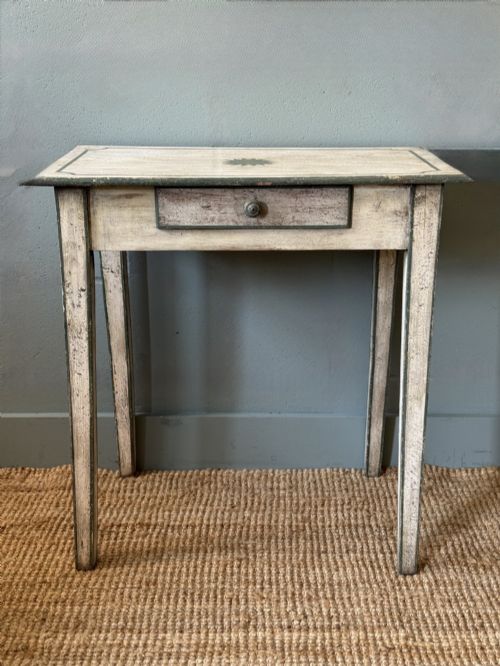

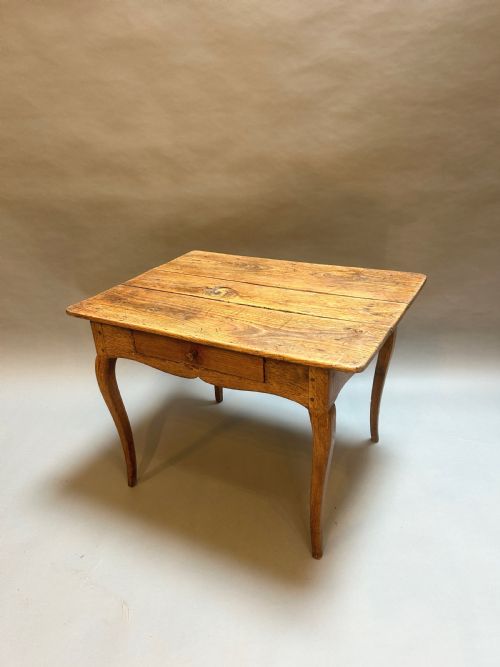


Vintage Provincial End Table
A vintage provincial end table brings rustic utility and regional charm to a room, offering sturdy timbers and historic character.
Vintage Provincial End Table
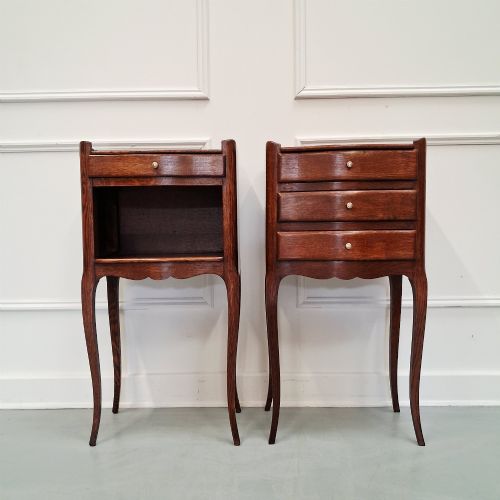
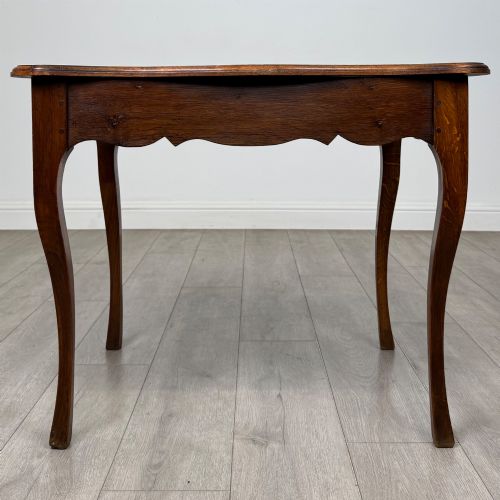
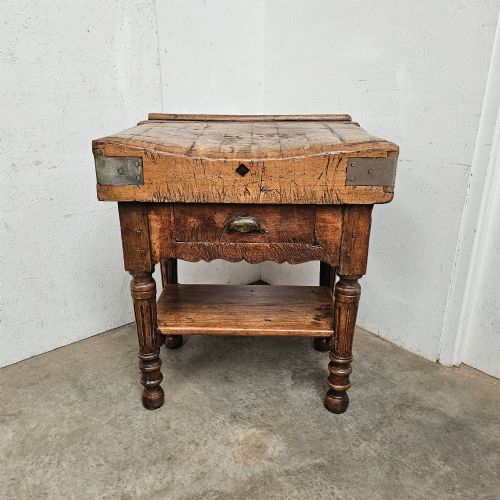
A vintage provincial end table encompasses smaller utilitarian surfaces originating from rural or regional workshops across Europe, particularly drawing on French and English country traditions. When exploring a vintage provincial end table, buyers encounter forms ranging from compact side and lamp tables to bedside cabinets and chopping blocks spanning the eighteenth to early twentieth centuries.
The construction frequently reflects local domestic needs rather than grand court tastes, resulting in sturdy proportions and practical surfaces. Pieces from this tradition often display regional vernacular details, connecting modern interiors directly to historical rural craft.
Materials and construction methods
Construction relies heavily on regional hardwoods such as oak, walnut, beech, fruitwood, and elm, selected for local availability and durability. Joinery is straightforward and robust, designed to withstand daily domestic labour in farmhouses and provincial homes.
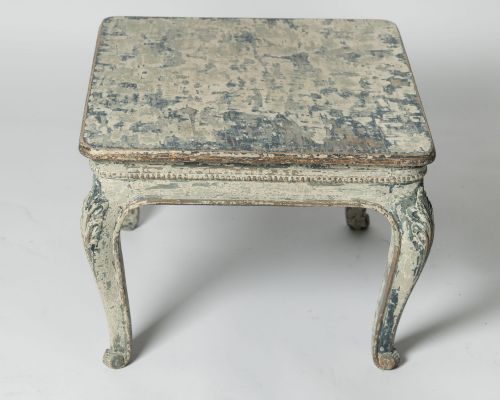
Surface treatments vary from polished timber finishes to original painted coats, bleached oak, and decorative elements like floral marquetry or parquetry. These techniques highlight the natural grain of the wood while accommodating regional aesthetic preferences.
Vintage Provincial End Table Retail Price Guide 2026
Typical asking prices for vintage provincial end table among the pieces listed under this phrase on Sellingantiques today, from the lower quarter to the upper quarter. They describe what is for sale here now, not the wider market.
Listings span from the 18th century through the Edwardian period, featuring oak, walnut, beech, elm, and painted wood finishes.
Factors of quality and distinction
Quality rests upon the integrity of the timber selection, the crispness of any hand-carved details, and the preservation of original surfaces such as early paint or bleached finishes. Tables featuring sophisticated parquetry tops or refined floral inlay stand apart from utilitarian chopping blocks through their elevated decorative ambition.
The balance of proportions and the retention of original brass hardware further distinguish finer examples from standard vernacular pieces. A harmonious integration of regional style with sound structural preservation marks the higher echelon of these tables.
The Vintage Provincial End Table Glossary
- Parquetry
- Geometric wood inlay forming decorative patterns on table tops. This technique adds visual texture through contrasting wood tones.
- Marquetry
- Elaborate veneer work depicting floral or pictorial designs. It transforms a simple functional surface into a decorative centrepiece.
- Bleached oak
- Timber treated to lighten its natural tone while preserving the grain. This finish yields a softer, more relaxed aesthetic.
- Vernacular
- Architectural and furniture design created from local traditions and materials. It prioritises practical utility over academic stylistic rules.
- Side table
- A small functional surface designed to stand against a wall or beside seating. These pieces offer convenient placement for lamps and small objects.
Vintage Provincial End Table: Frequently Asked Questions
What defines a provincial table?
Provincial tables originate from regional areas outside major capital cities, reflecting local domestic traditions rather than court fashions.
They emphasise practical utility, robust timber construction, and straightforward regional charm over elaborate metropolitan styling.
How are these tables used today?
These tables function effectively as bedside cabinets, lamp tables, or small coffee surfaces in contemporary sitting rooms.
Their modest scale allows them to fit easily beside upholstery while adding historic warmth and texture to an interior.
How do I identify older timbers?
Older timbers display deep patination, tool marks from hand working, and natural grain variations acquired through decades of use.
Examining the underside and joints often reveals hand-cut elements distinct from modern mechanical production.
What is the difference between oak and walnut pieces?
Oak pieces generally exhibit a pronounced, open grain and a reputation for robust, heavy-duty domestic service.
Walnut variants often permit finer carving, warmer tones, and sophisticated parquetry or inlay work.