




Light Oak End Table
A light oak end table brings a pale timber grain and compact surface to a sitting room, ready to hold a lamp or book.
Light Oak End Table
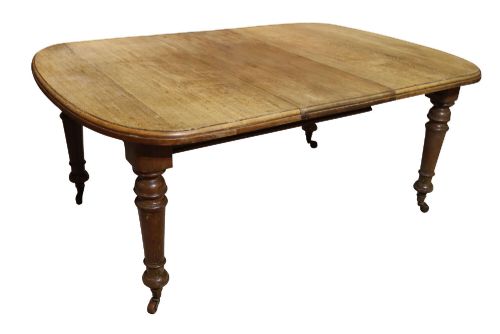
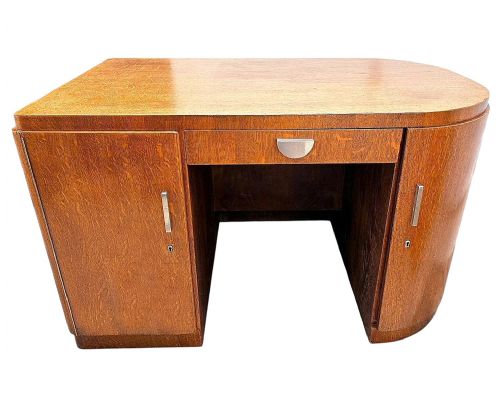
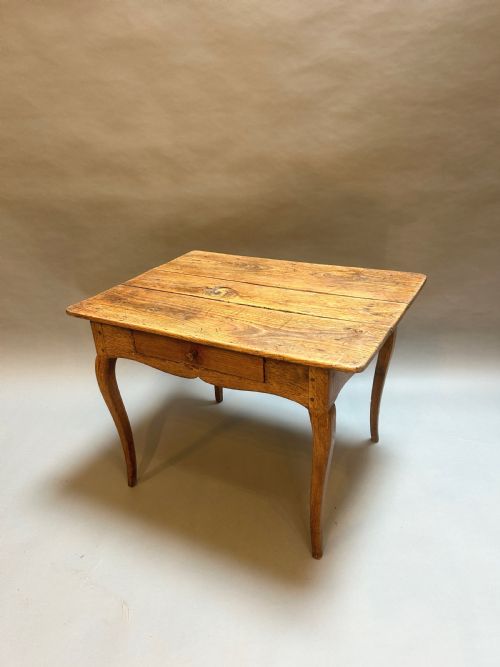
A light oak end table encompasses compact side tables, lamp tables, bedside cabinets, and occasional coffee tables rendered in pale timber. These forms span from the late nineteenth century through the mid-twentieth century, drawing on French provincial, Art Deco, and revivalist idioms.
The versions most commonly met in this grouping include side tables and occasional tables dating from the nineteen-twenties and nineteen-thirties, often manifesting blonde or bleached oak surfaces. Alongside these are older Victorian examples and French farmhouse pieces showing lighter wood finishes.
Buyers seek these pieces to integrate functional small-scale surfaces into interiors where darker woods feel too heavy. Their scale suits placement beside seating or beds, offering surface utility without dominating a room.
Materials and Construction
Makers utilised solid oak and oak veneers, occasionally combining the timber with brass or chrome details and glass inserts. Surface treatments range from natural grain finishing to intentional bleaching.
Construction methods reflect the period of origin, moving from nineteenth-century joinery traditions into modernist twentieth-century forms. Tables are built as standalone side pieces, nests, or two-sided desks.
Light Oak End Table Retail Price Guide 2026
Typical asking prices for light oak end table among the pieces listed under this phrase on Sellingantiques today, from the lower quarter to the upper quarter. They describe what is for sale here now, not the wider market.
Listings feature oak, bleached oak, and wood veneer, alongside secondary materials including brass, chrome, and glass.
Judging Quality
Quality rests upon the crispness of the timber's grain and the integrity of the joinery supporting the top and legs. Finer examples show thoughtful proportion and clean execution of period styling.
The treatment of the oak surface determines visual success, whether through a well-preserved original patina or a sympathetic twentieth-century blonde finish. Heavy-handed alterations or unsympathetic modern stripping diminish the integrity of the piece.
The Light Oak End Table Glossary
- Bleached oak
- Timber treated to lighten its natural colour, producing a pale blonde finish popular in twentieth-century modernist and Scandinavian-influenced design.
- Occasional table
- A small, movable piece designed for intermittent use in living spaces, such as holding a lamp, drink, or book.
- Jacobean Revival
- A nineteenth and early twentieth-century style borrowing heavily from seventeenth-century English furniture characteristics, featuring turned supports and panel details.
- Nest of tables
- A set of graduated tables designed to stack neatly beneath one another when not in use.
- French Provincial
- A domestic style originating from French regions outside Paris, known for straightforward construction and understated provincial charm.
Light Oak End Table: Frequently Asked Questions
What periods do these tables come from?
The pieces span from the late nineteenth century through the mid-twentieth century, with significant representation from the eighteen-eighties, nineteen-twenties, and nineteen-thirties.
Earlier examples often reflect Victorian or provincial French origins, while later items embrace Art Deco and modernist aesthetic movements.
How do I style a light oak table?
The pale timber tone allows these tables to sit comfortably beside both contemporary neutral upholstery and traditional darker furnishings. Their compact footprint makes them versatile additions to corners, bedside areas, or beside sofas.
Pair them with ceramic lamps or simple decorative objects that do not obscure the grain of the wood surface.
Are these tables made of solid oak?
Construction varies between solid timber and wood veneer over secondary woods, depending on the specific period and design of the piece. Twentieth-century modernist designs frequently utilised veneers to achieve smooth, clean geometric planes.
Nineteenth-century and provincial pieces more commonly rely on solid oak boards for their primary surfaces and frames.
What is the difference between a side table and an occasional table?
While both terms describe small movable surfaces, a side table often implies a fixed position beside a chair, bed, or wall. An occasional table suggests a versatile piece moved around the room as needed for temporary tasks.
In practical terms within these listings, both function similarly to hold lamps, books, or small decorative items.