

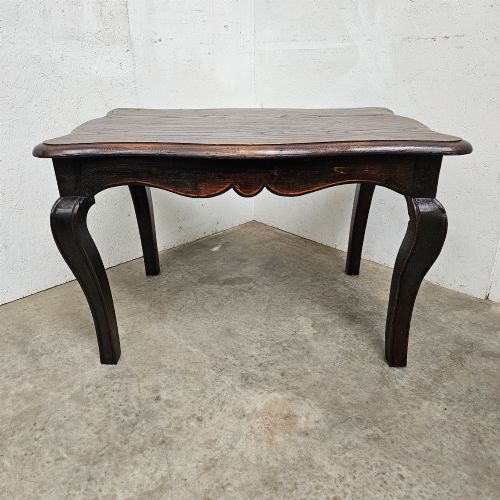


French Rustic Occasional Table
These french rustic occasional table examples are solid wooden pieces built for daily country use, offering honest charm and practical surfaces.
French Rustic Occasional Table
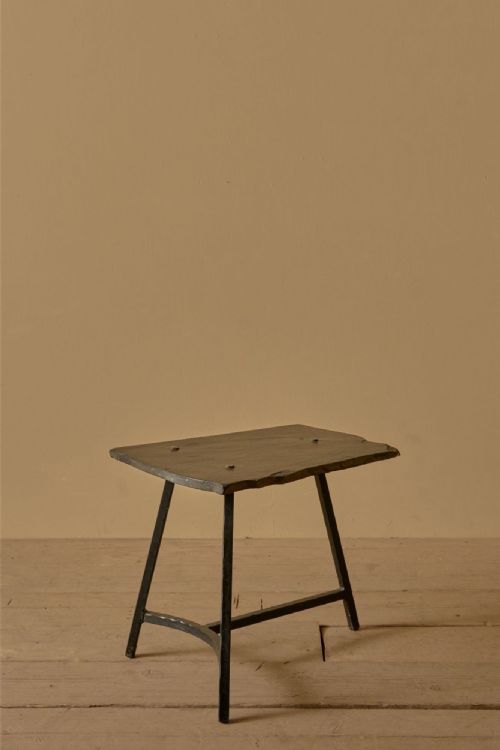
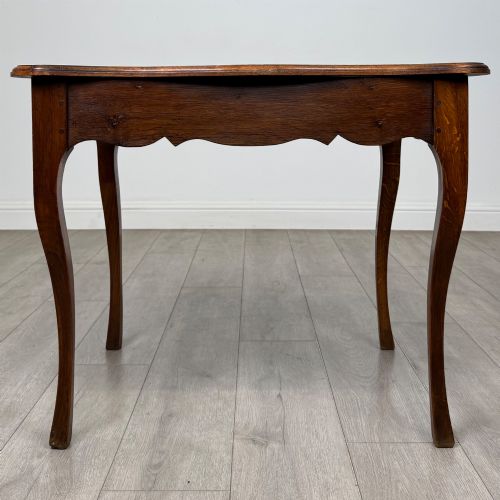
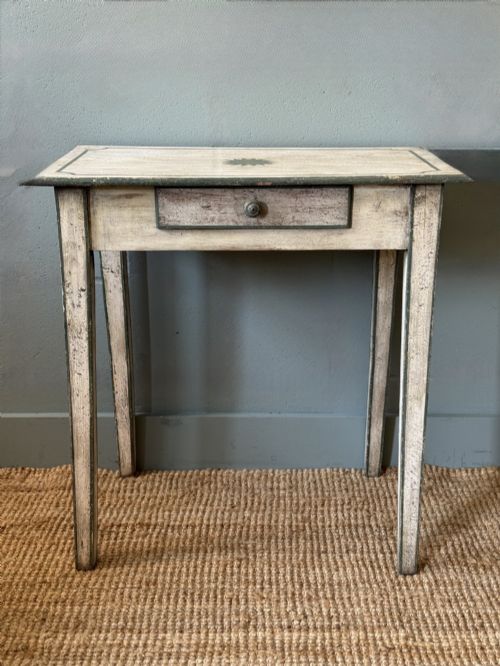
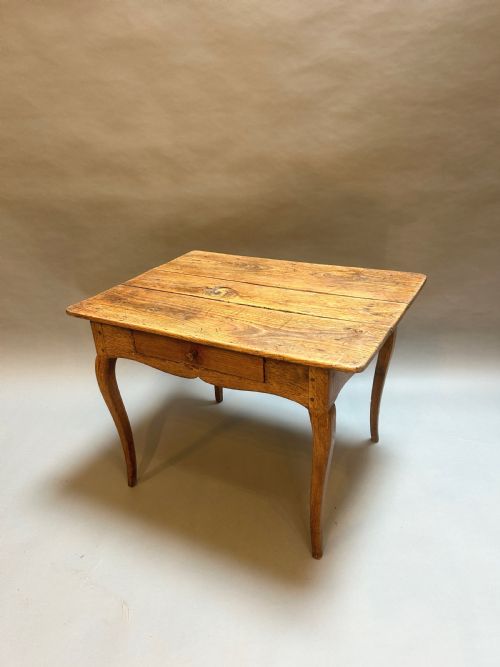
A french rustic occasional table is a domestic wooden surface designed for everyday placement beside seating or against walls. The listings show forms ranging from side tables and lamp tables to coffee tables and low tables.
Most pieces met here date from the eighteenth century through to the early twentieth century. You will frequently encounter side tables and low tables originating from French provincial workshops.
Makers utilised native timbers to build sturdy items intended for practical service. The selection spans straightforward country designs alongside French Arts and Crafts interpretations.
How They Were Made
Cabinetmakers built these tables using solid regional timbers such as oak, fruitwood, chestnut, walnut, cherry, and pine. Construction often incorporates turned legs and fitted drawers for storage.
Surfaces display the natural grain of the wood, while some examples feature applied paint finishes or decorative brass elements. Carpenters shaped these materials by hand to create durable household furniture.
French Rustic Occasional Table Retail Price Guide 2026
Typical asking prices for french rustic occasional table among the pieces listed under this phrase on Sellingantiques today, from the lower quarter to the upper quarter. They describe what is for sale here now, not the wider market.
The listings show tables constructed from eight distinct materials, with oak and walnut appearing alongside fruitwood, chestnut, pine, cherry, paint, and brass.
What Varies in Quality
Superior quality rests in the choice of dense, characterful timber and the weight of the construction. Tables shaped from solid walnut or fruitwood exhibit a richer patina than softer pine alternatives.
The sophistication of the joinery and turning distinguishes finer provincial pieces from simpler utility items. Subtle maker details, such as individual stamps, set particular examples apart.
The French Rustic Occasional Table Glossary
- Occasional table
- A small movable table intended for specific, intermittent use in a room. These versatile pieces suit placement beside chairs or beds.
- Fruitwood
- Timber harvested from fruit-bearing trees such as pear or cherry, valued by country cabinetmakers for its dense grain and warm tone.
- French provincial
- Furniture styles originating from regional regions outside Paris, reflecting local tastes and practical country living.
- Turned leg
- A wooden support shaped on a lathe to create cylindrical, decorative profiles. This traditional technique provides structural stability.
- Patina
- The deep surface sheen and colour developed by aged wood through handling, polishing, and exposure to light over centuries.
French Rustic Occasional Table: Frequently Asked Questions
Where should I place a french rustic occasional table?
These tables fit easily beside armchairs, sofas, or beds to hold lamps and daily items. Their compact proportions allow them to sit in hallways or small corners without crowding the room.
Because they originate from country workshops, they blend naturally with traditional interiors as well as simpler modern spaces. Their modest scale makes them straightforward to move wherever a surface is needed.
How do I care for the wooden surface?
Keep the wood clean by wiping it gently with a dry or slightly damp cloth, avoiding harsh chemical cleaners. Applying a natural wax occasionally helps protect the aged finish and preserves the patina.
Protect the timber from direct heat sources and strong sunlight to prevent drying or fading. Allowing the wood to breathe naturally maintains its character over time.
What is the difference between side tables and coffee tables?
Side tables stand taller and were traditionally designed to hold lamps or smaller objects next to seating. Coffee tables sit lower to the ground and developed for central placement in a room.
Both forms utilise similar country timbers and construction methods in these provincial pieces. The choice depends entirely on the height you need for your seating arrangement.
How can I tell the age of these tables?
Age is indicated by the construction methods, tool marks left by the maker, and the natural wear on the timber. Eighteenth-century examples often display hand-cut joinery and deep patination accumulated through generations of use.
Twentieth-century pieces generally show more uniform machining and lighter wood tones. Comparing the wood species and leg turning styles helps place the table within its historical period.