



Vintage Pricket Light
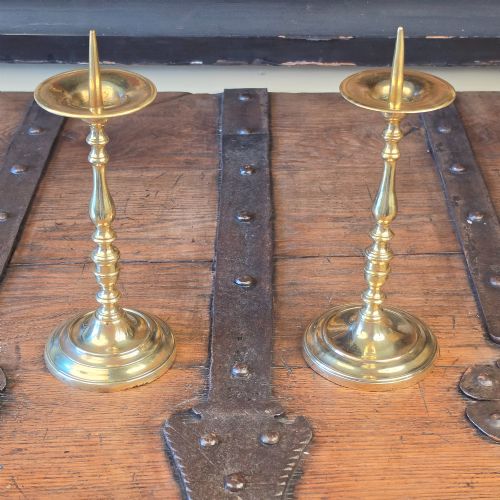
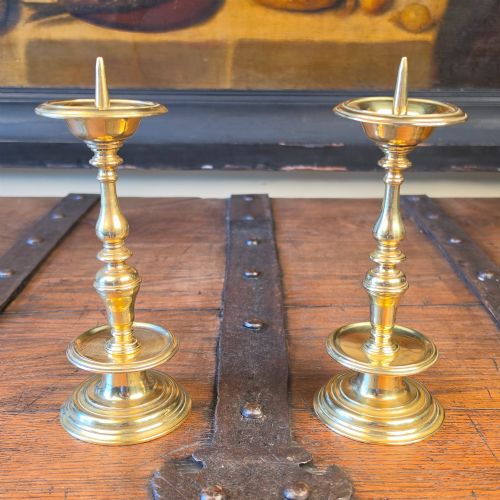
These vintage pricket light examples bring architectural height and warm illumination to a room, using spike mountings designed to hold tall tapers.
Vintage Pricket Light
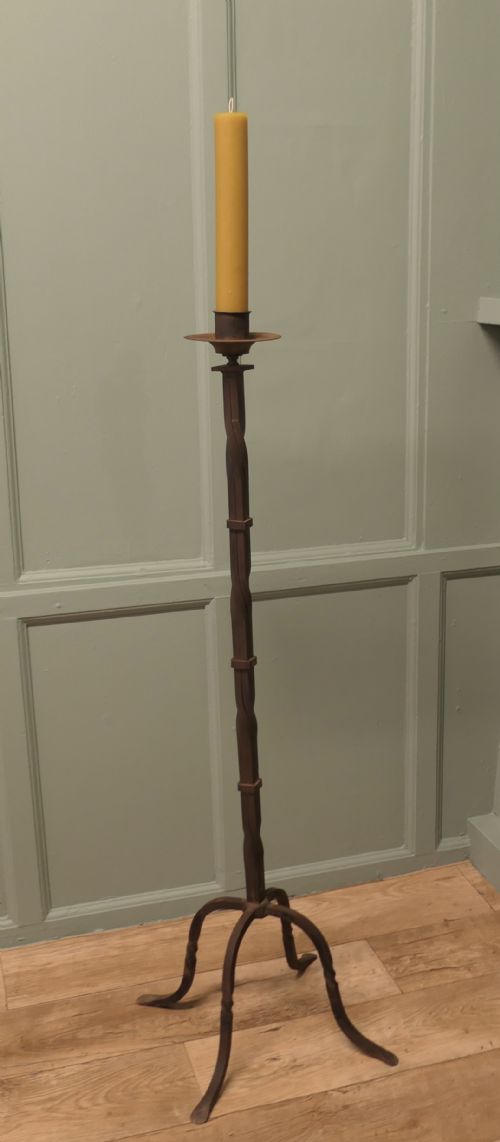
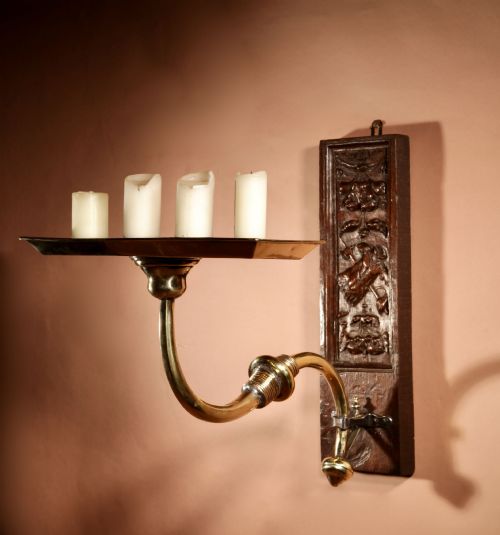
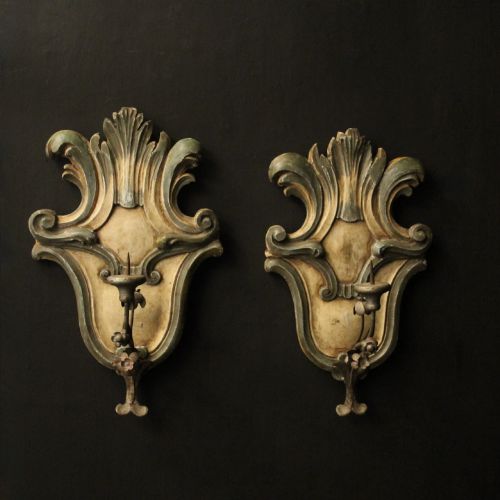
A vintage pricket light relies on a central spike rather than a socket to secure a candle, originating from traditional church and altar furnishings. The selection here spans compact table pieces up to tall floor-standing torchères and wall sconces.
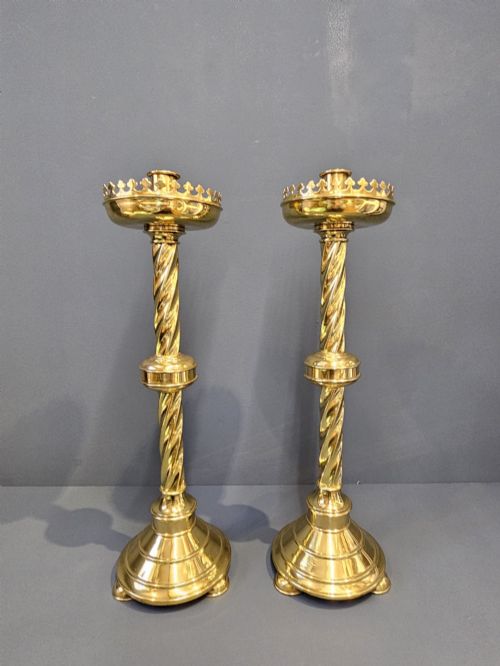
Most examples date from the nineteenth century or interpret seventeenth-century baroque and gothic styles. Buyers encounter both original altar metalwork and later adaptations converted into standard lamps.
Materials and construction methods
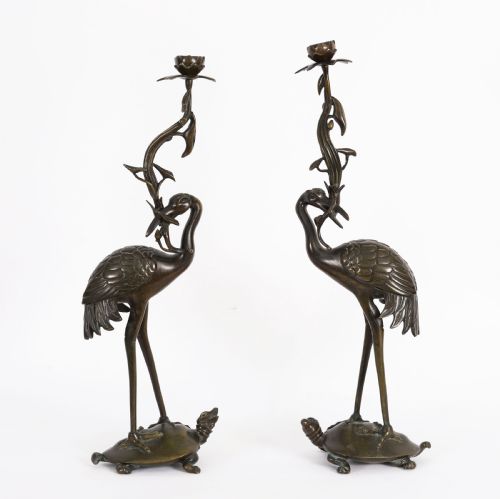
Foundries cast brass, bronze, copper, and iron into heavy bases and stems, sometimes combining metals or adding patinated finishes. Blacksmith-made wrought iron examples display hand-forged scrollwork and structural joins.
Carved wood items utilise oak, treen, or softwoods finished with gesso and giltwood overlays. Artisans shaped these components with decorative motifs before applying surface gilding or paint.
Vintage Pricket Light Retail Price Guide 2026
Typical asking prices for vintage pricket light among the pieces listed under this phrase on Sellingantiques today, from the lower quarter to the upper quarter. They describe what is for sale here now, not the wider market.
Listings feature materials spanning brass, bronze, wrought iron, gesso, and carved giltwood across the nineteenth and early twentieth centuries.
Distinctions in construction and finish
Cast metal weight and thickness separate heavy altar-grade pieces from lighter domestic items. Crisp detail in chased brass or hand-carved giltwood indicates superior craftsmanship.
Original surface patination and intact gilding preserve the integrity of older items. Conversions to lamps vary according to how cleanly wiring integrates with the historic structure.
The Vintage Pricket Light Glossary
- Pricket
- A metal spike on a candlestick designed to impale the base of a candle. This method predates the socket candle holder.
- Torchère
- A tall ornamental stand or candlestick used to support a light source. They often feature carved or wrought stems.
- Giltwood
- Wood that has been coated with a thin layer of gold leaf. It appears frequently on baroque style Italian and French pieces.
- Amsterdam School
- An architectural and design style from the early twentieth century. Pieces from this movement show expressive brickwork or metal forms.
- Altar lamp
- A hanging or standing light fixture intended for ecclesiastical use. Many examples incorporate pricket spikes or oil fonts.
Vintage Pricket Light: Frequently Asked Questions
How do I mount a candle on a pricket light?
You press the base of the candle directly onto the vertical metal spike at the top of the stick. The spike holds the taper steady as it burns down.
For taller church candles, warming the bottom slightly helps seat the wax firmly onto the point without splitting.
Are these lights suitable for everyday use?
Many examples function well with traditional tapers or standard candle bulbs if converted. Their substantial weight provides good stability on tables or floors.
Position them away from drafts to ensure even burning and to protect surrounding surfaces from wax drips.
How can I identify the period of a brass piece?
Nineteenth-century items often draw on seventeenth-century baroque or gothic revival styles, showing heavier casting methods. Amsterdam School examples from the early twentieth century feature distinct geometric or expressive metalwork.
Tool marks, casting seams, and the nature of the metal patination offer clues to the manufacturing era.
What is the difference between a candlestick and a torchere?
Candlesticks are typically shorter table or altar objects designed for single tapers. Torcheres stand much higher as floor-standing furniture pieces supporting larger lights.
Both formats utilise pricket spikes across various historic European styles.