


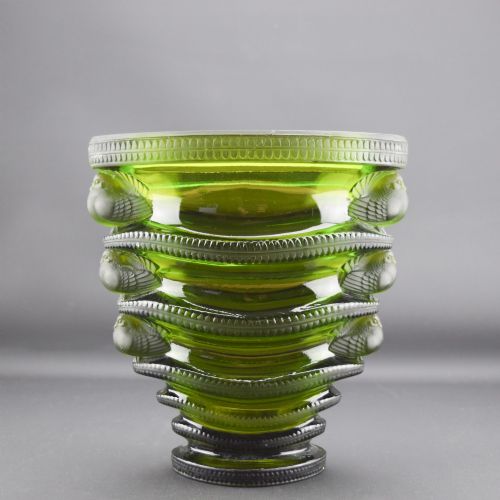


Vintage Pressed Glass
These vintage pressed glass pieces bring tactile depth and sculptural form to a room through heavy moulds and tactile finishes.
Vintage Pressed Glass
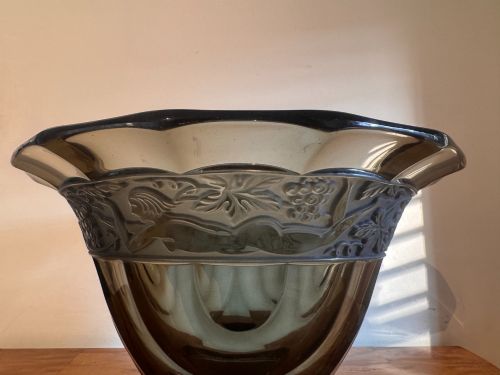
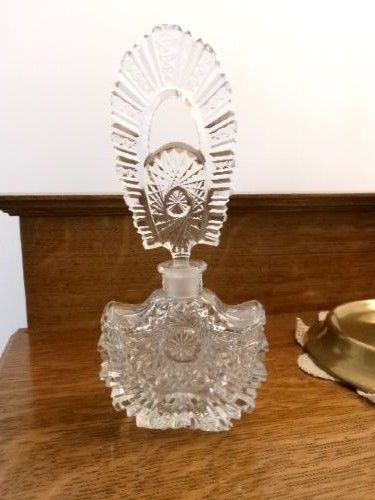
Vintage pressed glass encompasses decorative bowls, vases, scent bottles, and paperweights shaped by heavy mechanical moulds rather than free-blowing. The selection centres on striking Art Deco designs from the 1920s and 1930s, alongside earlier Victorian examples.
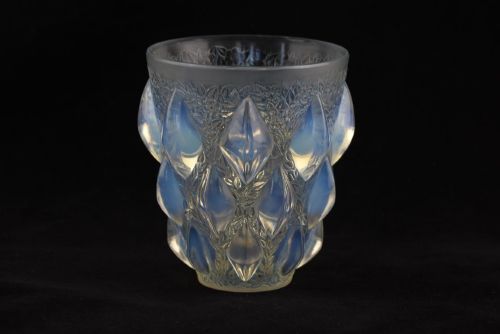
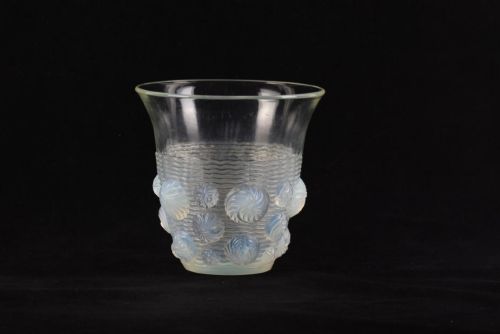
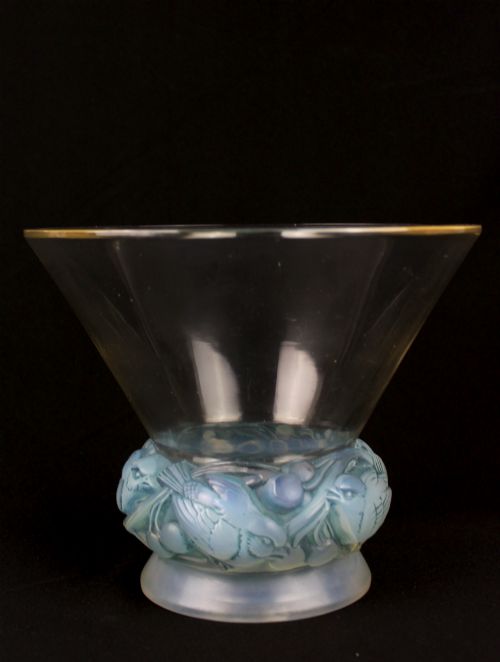
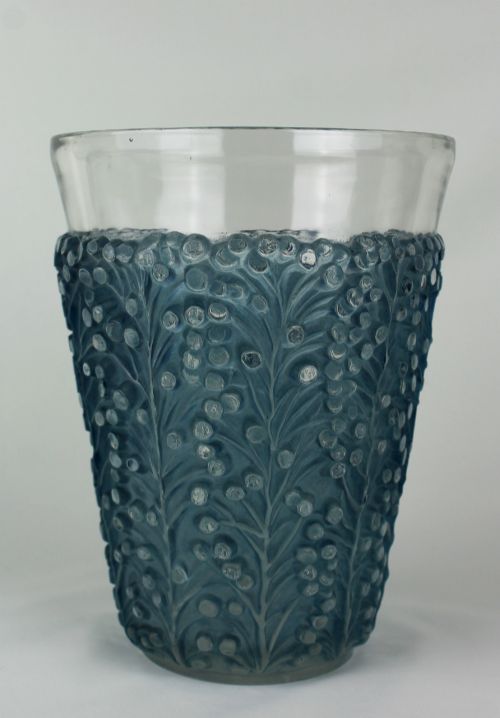
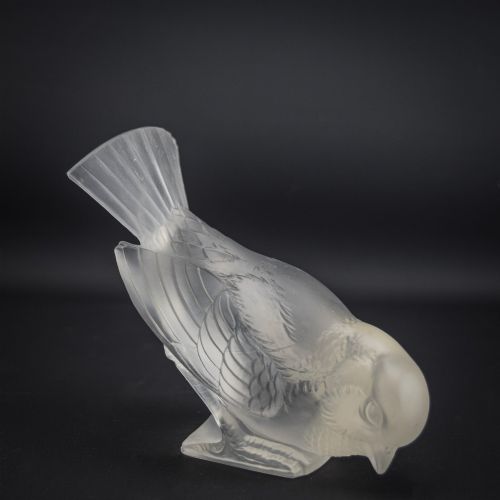
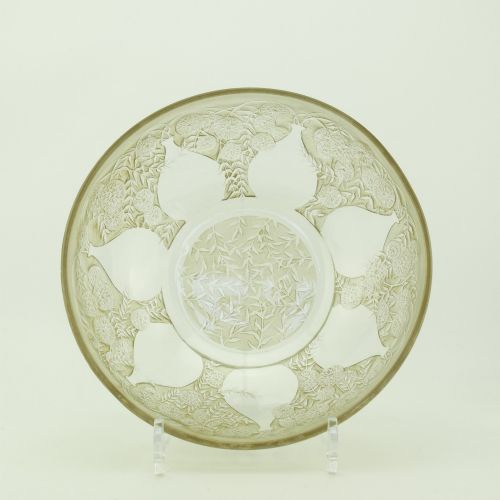
Vases and bowls dominate the forms, frequently decorated with stylised flora, birds, or figurative motifs that catch the ambient light. Many pieces combine utility with sculptural presence, functioning simultaneously as vessels and display objects.
Production and Materials
Molten metal is forced into metal moulds using a mechanical plunger, capturing intricate relief work in a single operation. This technique allows for sharp contours and consistent repetition across production runs.
Makers utilise clear glass, opalescent glass, and frosted glass, frequently enhancing the relief surfaces with coloured stains or enamels. The interaction between translucent body and opaque highlights creates the characteristic depth of these objects.
Vintage Pressed Glass Retail Price Guide 2026
Typical asking prices for vintage pressed glass among the pieces listed under this phrase on Sellingantiques today, from the lower quarter to the upper quarter. They describe what is for sale here now, not the wider market.
Listings feature opalescent glass, frosted glass, and moulded glass across Victorian and Art Deco periods.
Judging Quality
The sophistication of the secondary finishing, such as hand-applied staining or precise frosting, separates standard production from exceptional studio outputs. Weight, metal distribution, and optical purity in the glass body further differentiate the tier of manufacture.
René Lalique·Jobling·Libochovice·Verlys·Lacroix
The Vintage Pressed Glass Glossary
- Opalescent Glass
- Glass that displays milky, bluish highlights under transmitted light and warm tones under reflected light. This optical effect results from specific chemical agents added to the batch before melting.
- Frosted Glass
- Glass treated to achieve a matte, non-reflective surface texture. Acid etching or mechanical abrasion creates this diffusion.
- Moulded Glass
- Glass shaped by pressing molten material into an enclosing form rather than blowing it freehand. The method creates uniform walls and high-relief exterior patterns.
- Plafonnier
- A ceiling-mounted bowl light fixture held by metal mounts. These fixtures diffuse illumination evenly across interior spaces.
Vintage Pressed Glass: Frequently Asked Questions
What is vintage pressed glass?
Vintage pressed glass describes vessels and decorative objects shaped by mechanical plungers and metal moulds rather than mouth-blowing. The technique emerged strongly during the nineteenth century and evolved into sophisticated decorative items during the Art Deco period.
These pieces rely on the mould to impart pattern and texture directly to the material. Production often involved heavy lead or soda-lime formulations to withstand the thermal shock of the manufacturing process.
How do I clean opalescent glass?
Clean opalescent glass using lukewarm water and a mild, non-abrasive detergent with a soft cloth. Avoid harsh chemical cleaners or abrasive pads that can damage surface staining or delicate frosted textures.
Dry the piece immediately with a lint-free cloth to prevent water spots from settling on the textured surfaces. Submersing antique glass in water of fluctuating temperatures should be strictly avoided to prevent thermal cracking.
How do I date pressed glass pieces?
Dating pressed glass relies on stylistic indicators such as Art Deco geometric forms or Victorian floral motifs, alongside registration numbers and factory marks. The weight and composition of the glass also offer clues regarding the manufacturing era.
Design patents and maker signatures pressed into the base provide the most reliable chronological anchors. Comparing pattern catalogues helps verify the exact production window for marked specimens.
Where should I display bowls and vases?
Display these items on stable surfaces near natural light sources to fully activate the opalescent and frosted qualities. Windowsills, mantels, and illuminated cabinets provide ideal settings for highlighting surface relief.
Ensure heavy pieces sit on secure furniture away from high-traffic zones to prevent accidental impacts. The refractive nature of the material benefits from direct illumination overhead or from behind.