



Vintage Pressed Glass Dish
These vintage pressed glass dish examples bring tactile surface relief and light play into any room through nineteenth and twentieth century forms.
Vintage Pressed Glass Dish
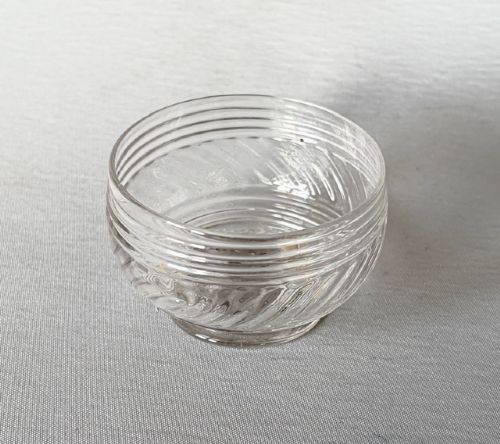
A vintage pressed glass dish encompasses decorative bowls, plates, trinket boxes, and vanity pots produced across the Edwardian period, the 1920s, and the 1930s. Buyers searching this phrase typically encounter tableware and display pieces designed in the Art Nouveau, Art Deco, and Victorian styles.
The selection ranges from footed bowls and shallow chargers to small sweetmeat dishes and lidded table boxes, reflecting the domestic utility and decorative tastes of their eras.
Materials and production methods
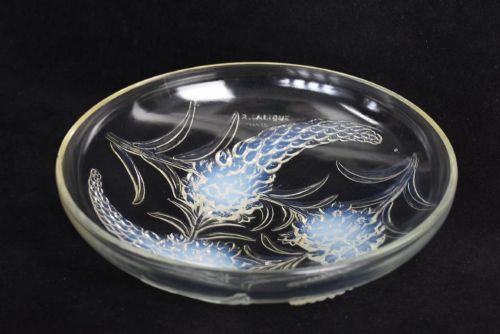
Glass is shaped using moulds and mechanical pressing techniques, producing textured surfaces and raised motifs characteristic of pressed and moulded glassware. Makers utilise clear glass, frosted glass, and opalescent glass to catch and diffuse light.
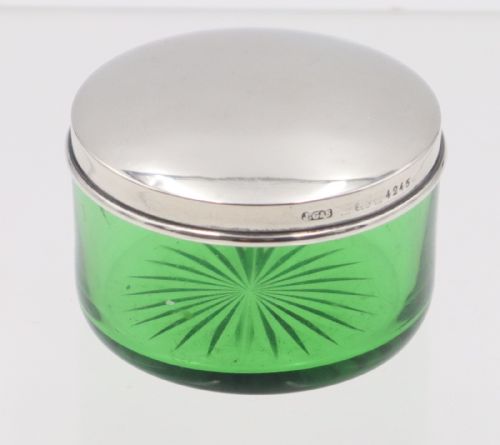
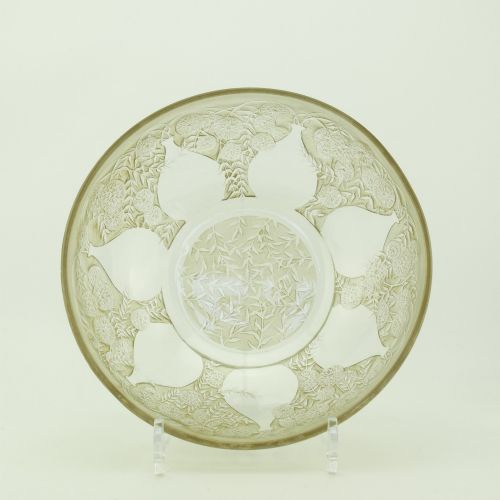
Certain pieces incorporate sepia stain or silver mounts, adding tonal contrast and functional hardware to the pressed body. The interaction between the moulded relief and the optical properties of the glass defines the visual weight of each piece.
Vintage Pressed Glass Dish Retail Price Guide 2026
Typical asking prices for vintage pressed glass dish among the pieces listed under this phrase on Sellingantiques today, from the lower quarter to the upper quarter. They describe what is for sale here now, not the wider market.
Listings feature items spanning the Edwardian period, the 1920s, and the 1930s, incorporating Art Deco, Art Nouveau, and Victorian styles.
Assessing quality and execution
Quality rests upon the crispness of the moulded detail and the sophistication of the glass formulation, particularly in opalescent and frosted varieties where light diffusion creates depth. The precision of signature marks or registry numbers indicates the standing of the maker.
The integration of secondary materials, such as silver mountings on table boxes, and the subtlety of applied sepia staining further distinguish the execution of individual items.
Rene Lalique·G Vallon·JOBLING·Etling·Sabino
The Vintage Pressed Glass Dish Glossary
- Opalescent Glass
- Glass that displays a milky, bluish hue when viewed by reflected light and a warm amber or orange tone by transmitted light. This optical effect depends on the chemical composition and controlled cooling during manufacture.
- Pressed Glass
- Glass formed by pressing molten metal into a metal mould using a plunger. This technique allowed manufacturers to produce patterned tableware at scale with consistent relief designs.
- Frosted Glass
- Glass treated to achieve a matte, non-reflective surface texture through acid etching or sandblasting. It softens light transmission and highlights raised design elements.
- Sepia Stain
- A brownish pigment applied to specific recessed areas of a glass piece to accentuate the moulded design. It creates tonal depth and emphasises figurative or geometric motifs.
- Sweetmeat Glass
- A small dish or bowl traditionally used for serving small confections, nuts, or sweetmeats. These items often feature decorative rims or footed bases.
Vintage Pressed Glass Dish: Frequently Asked Questions
How do I care for a vintage pressed glass dish?
Wash these pieces by hand in lukewarm water using a mild detergent, avoiding harsh abrasives that can scratch the surface or damage applied stains. Dry them immediately with a soft, lint-free cloth to prevent water spots.
Keep them away from direct heat sources and sudden temperature changes, which can stress antique glass. When displaying table boxes or bowls, ensure they rest on stable, level surfaces.
What periods do these glass dishes come from?
The pieces span the Edwardian era, the 1920s, and the 1930s. Each period introduces distinct stylistic traits, moving from ornate Victorian and Edwardian aesthetics towards geometric Art Deco designs.
Design hallmarks shift from floral motifs to streamlined animal and plant forms as tastes evolved through the interwar years. Dating relies on stylistic cues, registry numbers, and documented maker patterns.
How can I tell Art Deco from earlier styles?
Art Deco pieces typically feature symmetrical geometric patterns, stylised flower heads, and bold relief motifs characteristic of the 1920s and 1930s. They emphasise clean lines and industrial-influenced symmetry.
Earlier Victorian and Edwardian designs lean towards naturalistic foliage and softer, undulating contours associated with Art Nouveau. The overall silhouette and framing of the decorative motifs clarify the design period.
Were these dishes meant for display or daily use?
Many items served practical domestic functions, such as holding vanity items, serving sweets, or containing table provisions. Their robust pressed construction made them suitable for everyday handling in period homes.
Over time, their decorative qualities as sculptural glass objects shifted many examples into display roles. Today, collectors appreciate them for both their ornamental presence and their historical utility.