


Vintage Preserve Pot
A vintage preserve pot brings domestic history to the table, taking the form of copper pans, cut glass jars and glazed earthenware.
Vintage Preserve Pot
A vintage preserve pot covers a broad group of tableware, kitchenware and cookware designed for holding jams, jellies, marmalade or honey. These vessels bridge the gap between utilitarian kitchen equipment and refined dining room accessories, spanning centuries of domestic preparation and service.
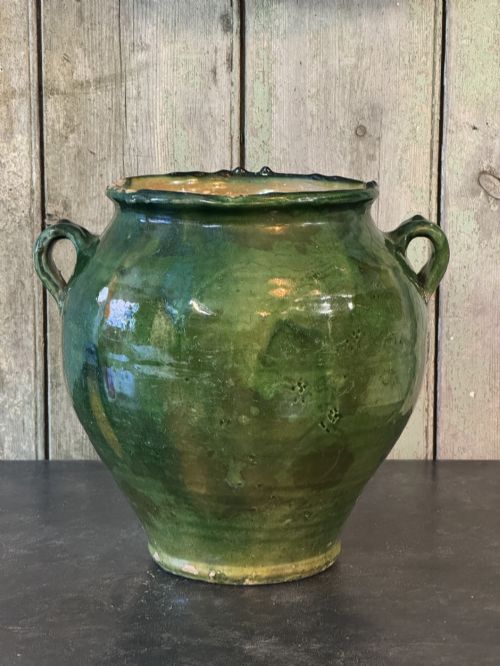
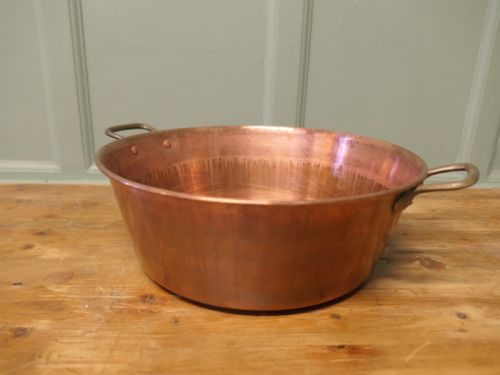
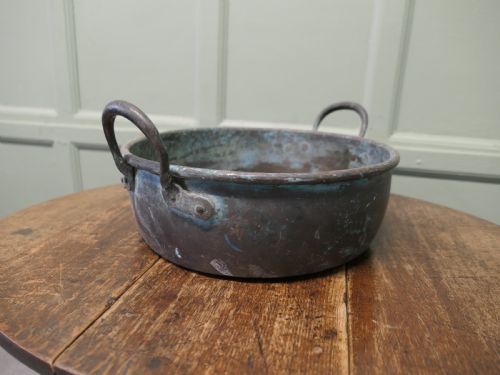
The selections on this page lean heavily towards generous copper preserving pans from the nineteenth century alongside smaller Edwardian and Victorian glass condiment jars mounted in silver plate or sterling silver. French confit pots in glazed terracotta and specific novelty forms also appear among the tableware.
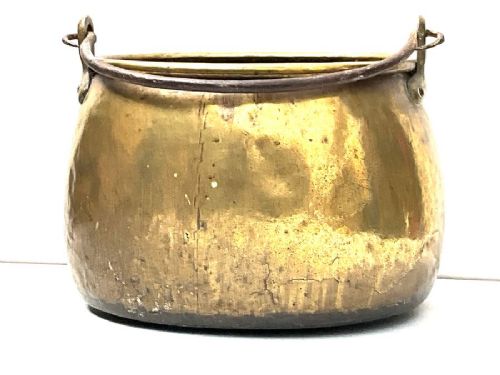
Origins range from English Georgian workshops to French provincial kilns, utilising materials suited to both the hearth and the formal dining table. Buyers encounter everything from heavy brass display pans to delicate cranberry glass dishes intended for afternoon tea or breakfast service.
How they were made
Metal vessels rely on hand-beaten copper and heavy brass construction, often joined with riveted iron handles designed to withstand the weight of boiling fruit and sugar. Smiths shaped these thick copper pans over open fires, leaving subtle hammer marks across the exterior surfaces.
Glass and ceramic examples combine mould-blowing with hand-finishing, seen in deeply faceted cut glass jars paired with pierced silver spoons or silver-gilt baskets. Terracotta confit pots utilise traditional throwing techniques followed by partial or full lead-glazing to seal the porous earthenware bodies.
The listings span the eighteenth, nineteenth and twentieth centuries, featuring materials ranging from raw terracotta and copper to cut glass and sterling silver.
What varies in quality
Quality rests upon the weight of the metal and the clarity of the glass, distinguishing heavy utilitarian cookware from lighter decorative pieces made purely for display. Thick-gauge copper pans with solid iron or brass handles demonstrate substantial heft compared to thinner later alternatives.
Artistic execution dictates value in the smaller silver and glass condiment jars, where hallmarked sterling mounts, intact silver-gilt plating and crisply cut crystal elevate simple tableware into fine specimens. Pottery pieces rely on the crispness of painted patterns and the uniform coverage of the glaze.
Hukin and Heath·Asprey and Co·Richard Ginori·Walker and Hall·Wedgwood
The Vintage Preserve Pot Glossary
- Confit pot
- A traditional French earthenware vessel featuring a glazed upper body, originally designed for storing preserved meats or fruits in fat. These jars typically exhibit two small loop handles and earthy terracotta tones.
- Cranberry glass
- A rich pinkish-red glass created by adding gold chloride to the molten batch, widely favoured during the Victorian and Edwardian eras for decorative tableware and jam dishes.
- Preserving pan
- A wide, shallow metal vessel with sloping sides designed to evaporate moisture quickly during jam and preserve making. They are frequently forged from heavy copper or brass.
- Silver plate
- A base metal such as copper or Britannia metal coated with a thin layer of pure silver through electroplating or old Sheffield plating techniques. This method offered the appearance of solid silver at a lower cost.
- Jasper ware
- A fine stoneware developed by Josiah Wedgwood, characterised by its unglazed matte finish and applied white relief figures against a coloured ground.
Vintage Preserve Pot: Frequently Asked Questions
What were vintage copper preserve pans used for?
These large vessels were designed for boiling fruit and sugar over an open fire or stove to create jams, jellies and preserves. The high thermal conductivity of copper allowed for even heat distribution, preventing the mixture from burning during the long reduction process.
Today, these heavy pans find a second life as decorative fireside accessories, log holders or garden planters. Their rich patinated surfaces and riveted iron handles bring warmth and historical texture to modern interiors.
How do I date an antique glass preserve jar?
Dating relies on examining the manufacturing marks, such as moulded registration numbers, silver hallmarks or the presence of rough pontil scars on the base of older blown glass. Cut glass patterns and the weight of the accompanying silver mounts also offer strong clues to the period.
Victorian and Edwardian examples often feature intricate cranberry glass inserts paired with pierced silver spoons or electroplated stands. Later twentieth-century pieces tend to show cleaner machine-made glass edges and standardised maker marks.
Are French confit pots waterproof?
Traditional French confit pots are usually glazed on the interior and upper exterior to prevent seepage, while the lower body remains unglazed raw terracotta. This construction reflects their original function for subterranean food storage rather than watertight display.
When using them in a modern home for flowers or plants, it is wise to place a protective saucer inside to catch any moisture. The porous nature of the unglazed clay can otherwise allow dampness to mark wooden surfaces over time.
How do I clean antique silver-plated jam pots?
Maintenance requires gentle washing with warm soapy water and a soft cloth to remove sticky residues from old preserves without harming the delicate plating. Avoid abrasive metal polishes that can wear away the thin layer of silver over the underlying base metal.
Glass liners can usually be removed and washed thoroughly on their own. Keeping the metal dry after cleaning prevents tarnishing and preserves the soft lustre of the antique silver.