







Vintage Pottery Dish
These vintage pottery dish options span centuries of regional ceramic traditions, offering collectors durable serveware and decorative chargers with hand-painted glazes.
Vintage Pottery Dish
When you search for a vintage pottery dish, you encounter a diverse selection of utilitarian and decorative ceramics spanning from the eighteenth century to the mid-twentieth century. The inventory on this page ranges from modest domestic tableware to substantial display chargers and specialised serving vessels.
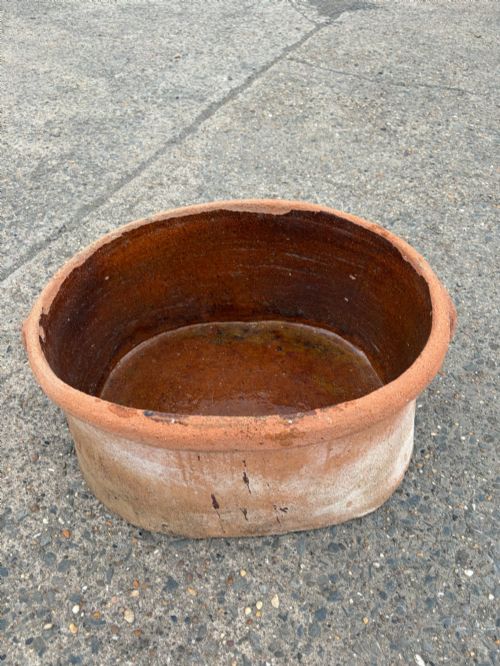
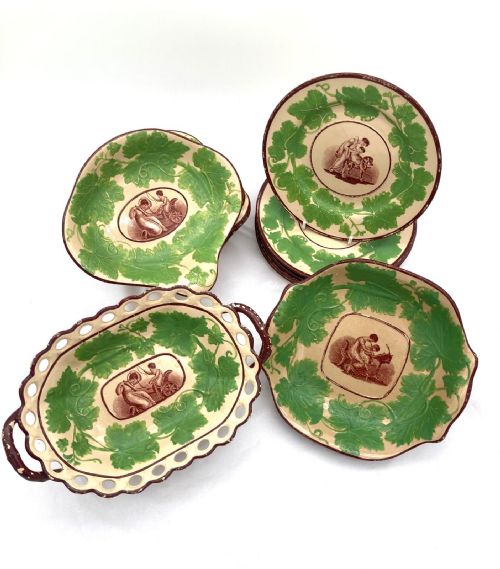
You are most likely to meet nineteenth-century earthenware and transferware pieces, alongside tin-glazed chargers and nineteenth-century creamware. Forms vary from simple decorative plates and bowls to large cheese domes, vegetable tureens, and wash sets.
Geographic origins stretch across English potteries, French faience workshops, Italian majolica traditions, and Japanese export porcelain. This variety reflects the changing domestic needs and decorative tastes of successive periods from the Georgian era through the Art Deco years.
How they were made
Potters shaped these objects from earthenware, stoneware, ironstone, and porcelain, applying manual techniques or transfer-printing methods depending on the period. Tin-glazing, enamel painting, and gold leaf additions provide the surface decoration seen across many items.
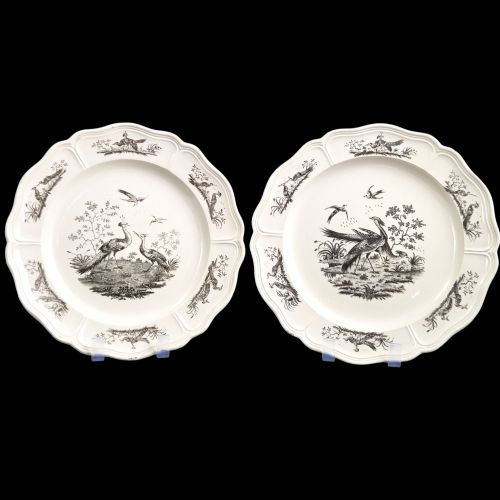
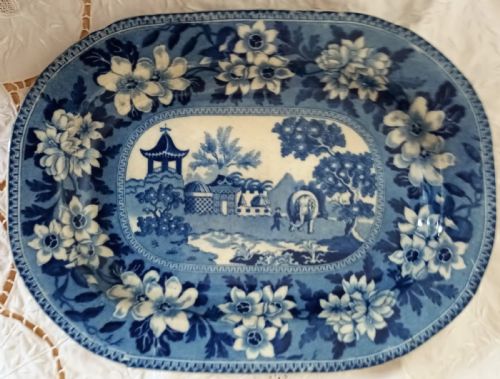
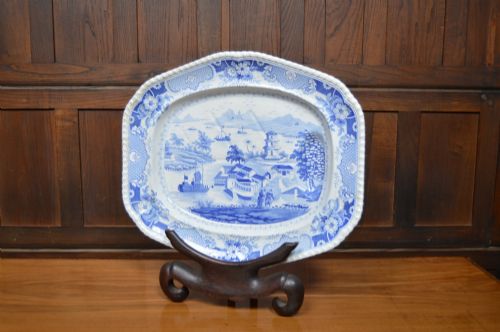
Transfer-printing allowed workshops to apply intricate blue and white patterns onto creamware and earthenware bodies with great consistency. Hand-painted majolica, faience, and imari wares relied on skilled brushwork directly onto the raw or fired glaze.
Vintage Pottery Dish Retail Price Guide 2026
Typical asking prices for vintage pottery dish among the pieces listed under this phrase on Sellingantiques today, from the lower quarter to the upper quarter. They describe what is for sale here now, not the wider market.
A ceramic hen sits permanently on her nest egg, guarding a nineteenth-century kitchen from mundane breakfast routines.
What varies in quality
Quality rests upon the crispness of the transfer print, the skill of the hand-painted brushwork, and the preservation of the glaze. Pieces bearing signature marks from established decorators or notable potteries demonstrate higher levels of craftsmanship.
The complexity of the form and the depth of the ceramic body also separate standard domestic items from exhibition pieces. Finer specimens maintain clean lines, even glazing, and well-preserved enamel or gold leaf detailing.
John Rogers and Son·John and Richard Riley·Frank Butler·Charlotte Rhead
The Vintage Pottery Dish Glossary
- Charger
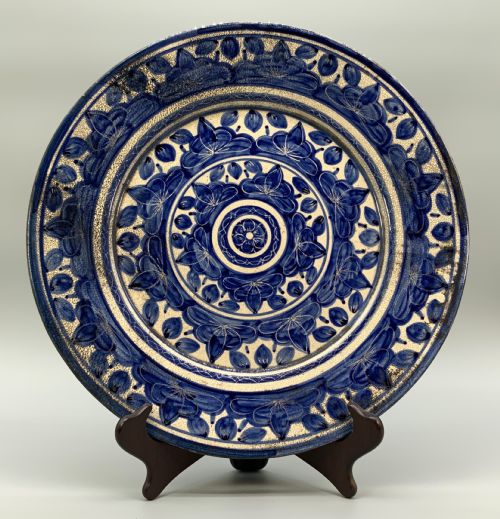
- A large decorative plate or dish historically used for ceremonial dining or displayed upright on a sideboard. These substantial pieces often feature pictorial transfer prints or hand-painted tin glazes.
- Faience
- European tin-glazed earthenware, particularly associated with French production centres such as Quimper, Rouen, and Desvres. It typically displays colourful hand-painted motifs on an opaque white glaze.
- Transferware
- Pottery decorated by applying a printed design from an engraved copper plate onto tissue paper, which was then transferred onto the ceramic body prior to glazing and firing. This technique allowed for repeatable, highly detailed patterns.
- Creamware
- A refined earthenware developed in eighteenth-century England, characterised by its pale yellow or buttery cream hue. Leeds Pottery and other factories utilised this body for fine tableware.
- Majolica
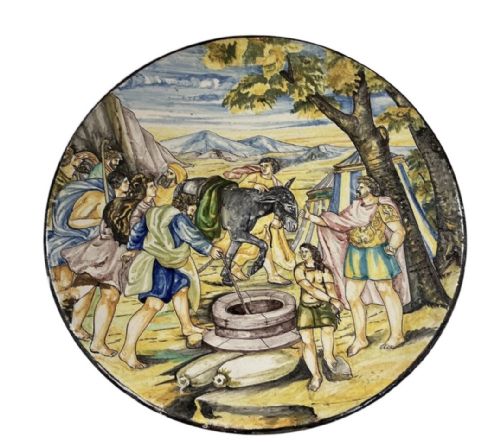
- Low-fired earthenware covered with an opaque white tin glaze and painted with metallic oxide colours. Italian and later Victorian makers produced robust, vibrantly coloured wares in this style.
Vintage Pottery Dish: Frequently Asked Questions
How do I date a pottery dish?
Dating relies on identifying backstamps, factory marks, style periods, and manufacturing techniques like transfer-printing or hand-painting. Examining the type of ceramic body, such as creamware or ironstone, provides a reliable window of production.
Comparison with documented pieces from makers listed in the titles helps narrow the decade. Wear patterns and glaze characteristics also offer clues to an item's age.
What is the difference between earthenware and porcelain?
Earthenware is a porous, opaque pottery fired at lower temperatures, requiring a glaze to become waterproof. Porcelain is a dense, vitreous ceramic fired at high temperatures, often appearing translucent when held to the light.
Earthenware pieces like creamware or majolica feel heavier and thicker, whereas porcelain items present a more refined, ringing body. Both materials support diverse decorative styles across different centuries.
How were cheese domes used?
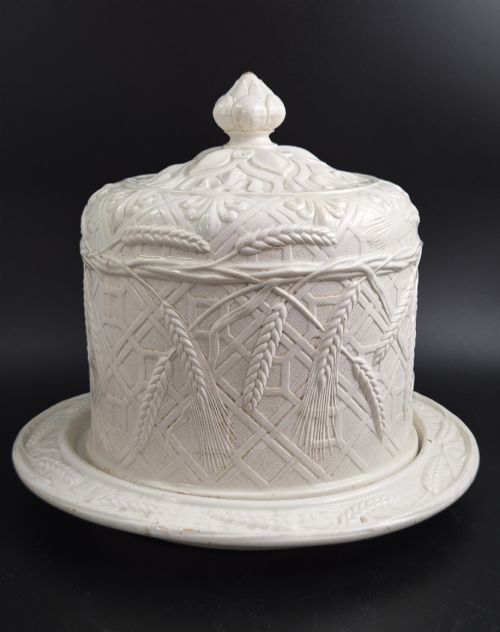
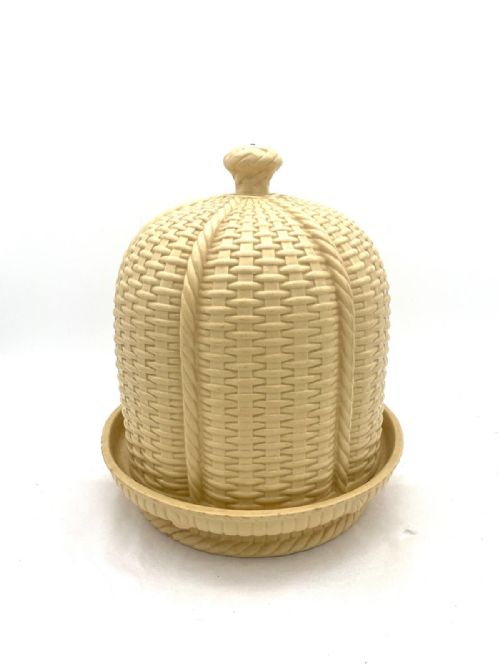
Nineteenth-century households used cheese domes and matching stands to protect hard cheeses from drying out and to contain strong aromas on the dining table. The heavy ceramic cover rested upon a flat tray or base.
Servants brought the covered cheese to the table at the conclusion of a meal. Today, these domes function as decorative display items or functional kitchenware.
Can I use these vintage dishes for food?
Many sturdy ironstone and earthenware dishes remain structurally sound for serving food, provided the glaze is intact and free from heavy cracking. Care must be taken with antique enamel, gold leaf, and porous bodies.
Hand washing preserves the historic glazes and prevents thermal shock in older ceramics. Items with significant glaze breakdown are best reserved for display.