




Vintage Portraiture Wall Art
When you search for vintage portraiture wall art, you encounter centuries of faces captured in oil, pastel, and print.
Vintage Portraiture Wall Art
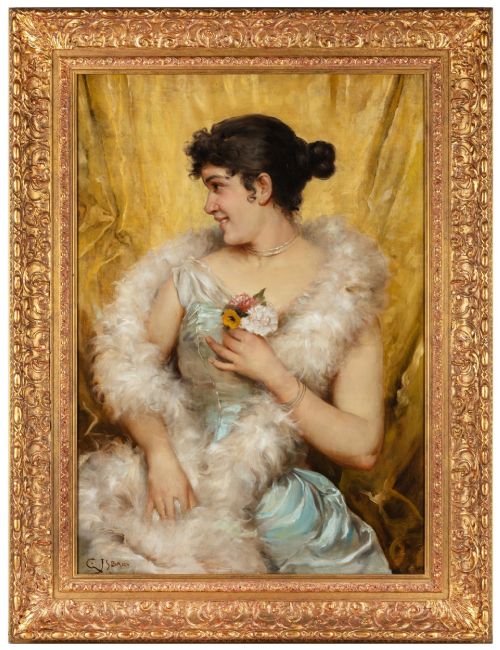
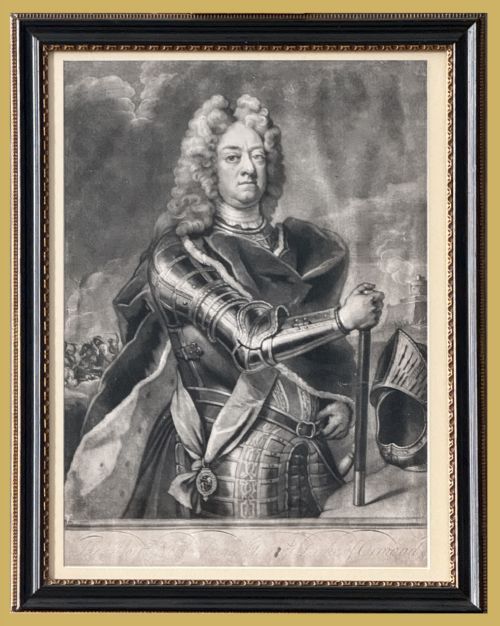
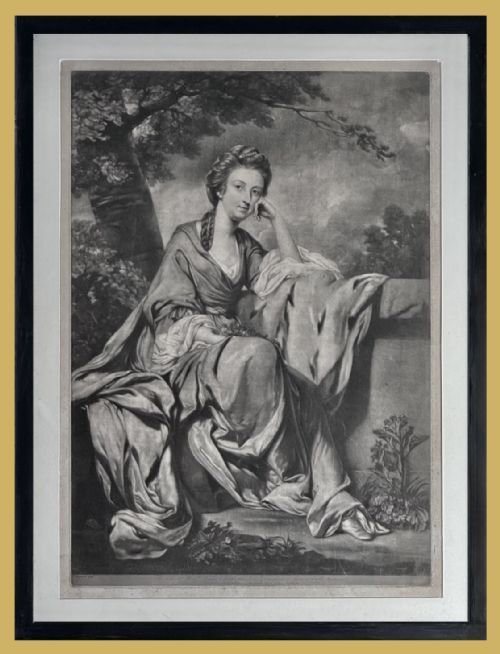
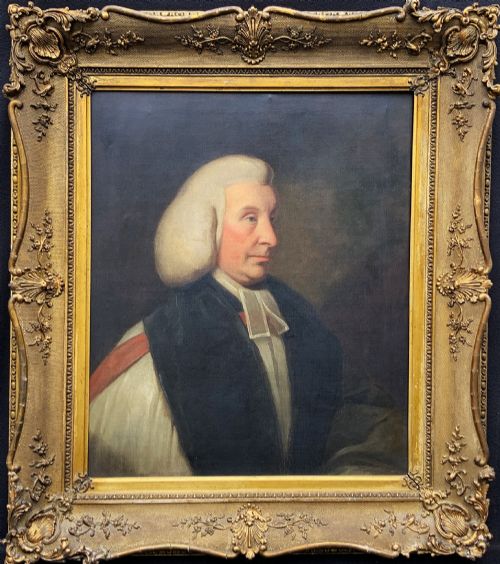
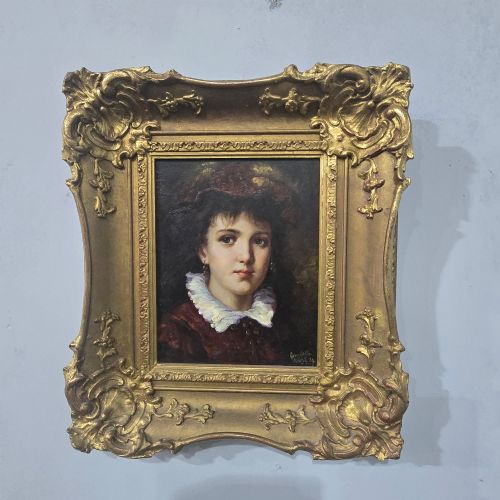
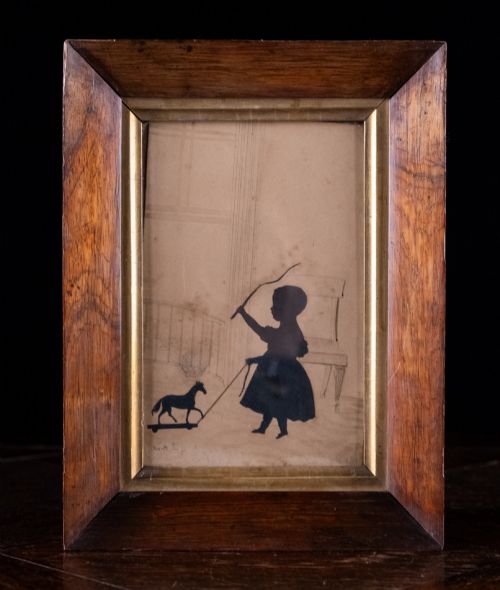
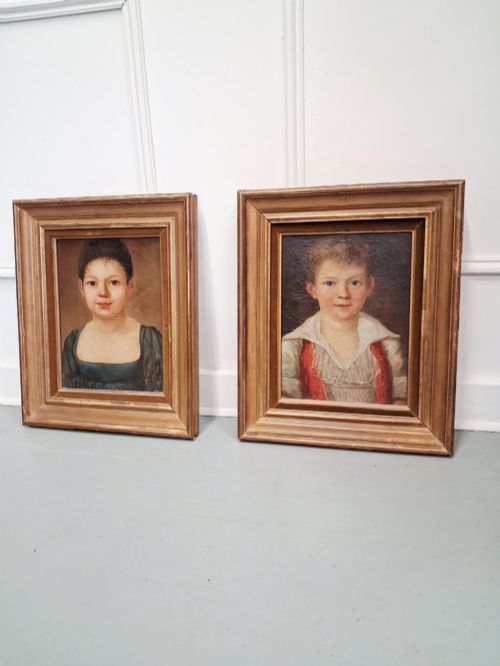
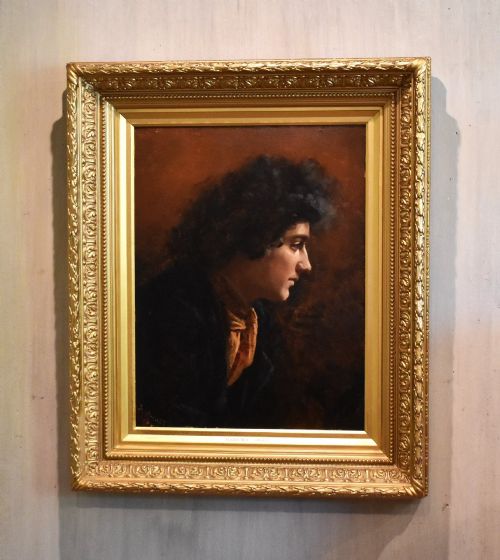
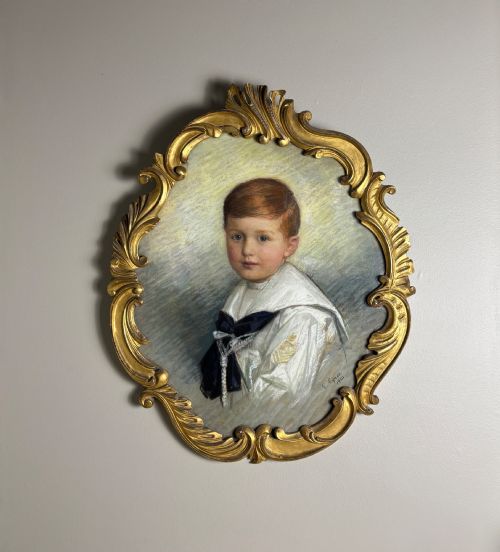
Vintage portraiture wall art spans oil paintings, pastels, silhouettes, and mezzotints created across the eighteenth, nineteenth, and twentieth centuries. These works depict noblewomen, children, sporting horses, dogs, and notable figures in framed formats.
You are most likely to meet nineteenth-century oil paintings on canvas and panel alongside twentieth-century works reflecting traditional realism, mid-century styles, and modern British portraiture.
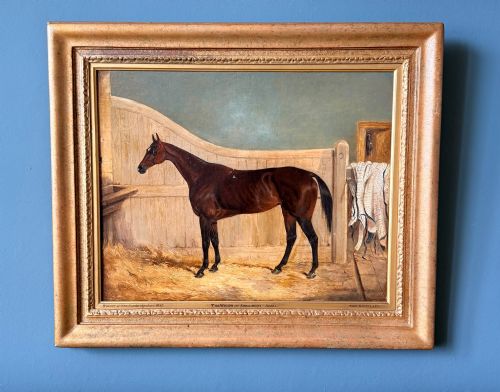
The subjects range from formal studies of judges and royalty to intimate sketches of young ladies and animal portraits in stable or garden settings.
Materials and Technique
Artists painted primarily with oil paint on canvas or board, utilising wooden stretchers and occasionally mounting works on paper or card. Pastels on paper appear alongside printed mezzotints and delicate silhouettes.
Frames play a structural and aesthetic role, frequently consisting of moulded wood finished with gilt or giltwood to house the artwork securely.
Listings include works spanning the 17th, 18th, 19th, and 20th centuries, executed in oil, pastel, watercolour, and print.
Distinctions in Quality
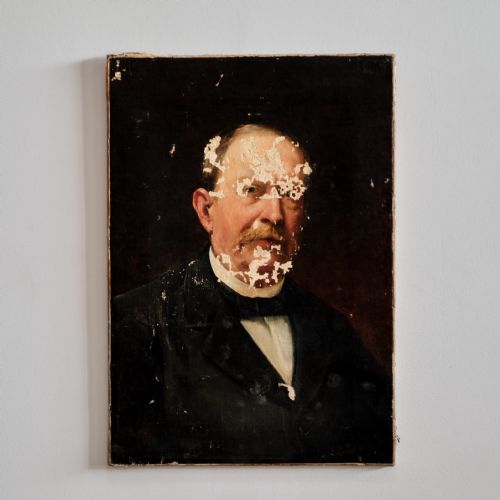
The preservation of the original paint layer, canvas integrity, and the compatibility of the period frame contribute to the overall standard of a piece.
G. J. S. Bary·John Simon·Michael Dahl·Edward Fisher·Sir Joshua Reynolds·John Hayls·Emily Eyres·Jonny Gaston·Augustin Edouart·Florence Small·Thomas Walker Bretland·Attilio Toro·Edward Lloyd of Ellesmere·Sir Winston Churchill·Philip Naviasky·S Dennant Moss·Frank Moss Bennett·Valentine Thomas Garland·Fernand Toussaint·Jean Denis Maillart·John Emms·Paul Storr·William Albert Clark·Bernard Meninsky·Allan Gwynne-Jones
The Vintage Portraiture Wall Art Glossary
- Mezzotint
- A printmaking process of the tonal method, enabling rich darks and subtle gradations to render portraits from painted originals. This technique gained prominence in the eighteenth century for reproducing famous artworks.
- Giltwood
- Wood carved and coated with gold leaf or a gold-coloured metallic finish, commonly used for period picture frames. It provides a reflective border that complements the tones of an oil painting.
- Pastel
- A dry painting medium consisting of powdered pigment and a binder, shaped into sticks for direct application on paper. Works executed in this medium require glass protection to prevent the pigment from smudging.
- Silhouette
- A portrait profile filled in with a solid dark colour, typically black, cut from paper or painted on card. Early examples frequently capture the likeness of sitters before the widespread adoption of photography.
Vintage Portraiture Wall Art: Frequently Asked Questions
What periods do these portraits cover?
The selections span from the seventeenth century through the Georgian, Victorian, and Edwardian eras up to mid-century twentieth-century works.
Individual pieces reflect the prevailing aesthetic of their specific decade, ranging from formal aristocratic commissions to intimate domestic sketches.
How were these portraits framed originally?
Many works are housed in period wooden frames, often finished with gilt or giltwood moulding suited to the era of the painting.
These frames were constructed to protect the edges of the canvas or paper while complementing the visual weight of the portrait.
Are animal portraits common in this category?
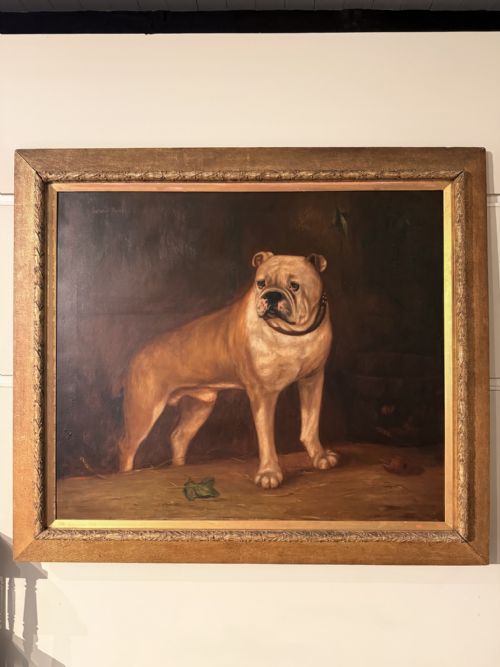
Artists frequently painted animals alongside human subjects, producing dedicated studies of sporting horses, terriers, spaniels, and cats.
These works utilise the same oil and pastel techniques found in human portraiture, often placing the animals in stables, gardens, or domestic interiors.
What media are used besides oil paint?
Beyond oil on canvas or board, works appear in pastel on paper, watercolour, and printed mezzotint.
Silhouettes cut from paper or painted on card also represent early forms of portraiture within the selection.