

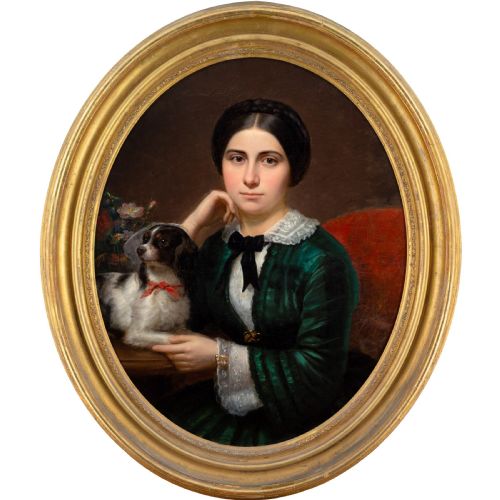
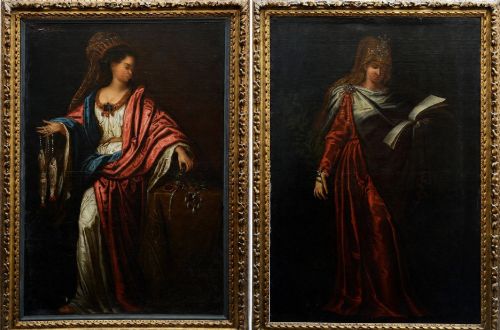
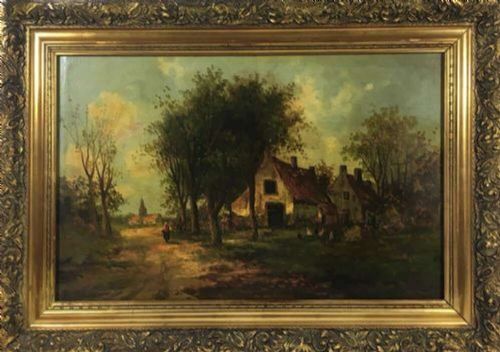
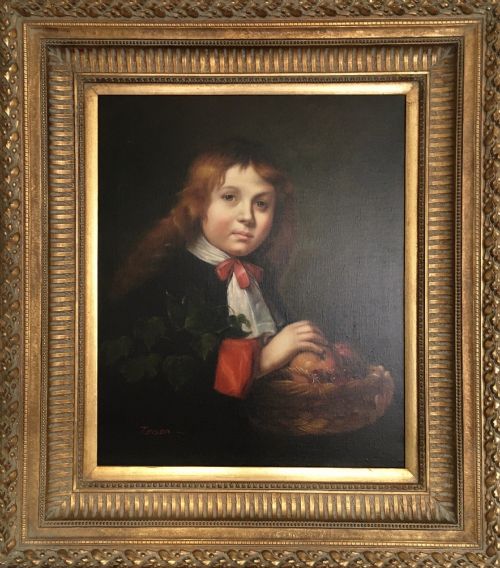
French Portrait Oil Painting
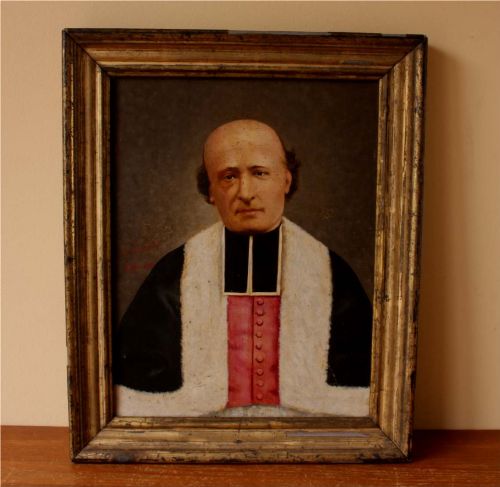
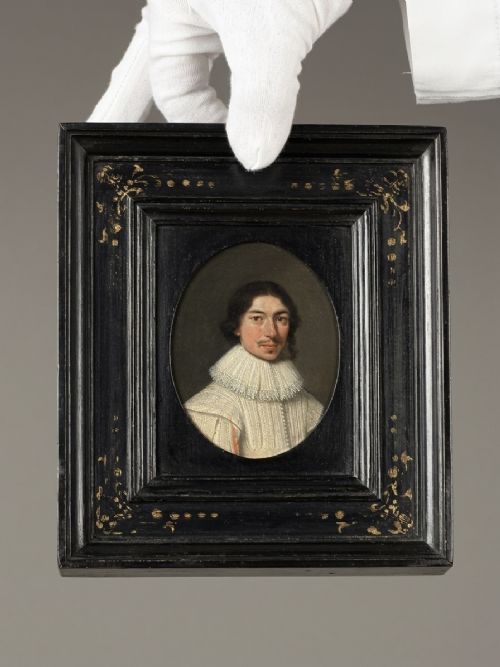
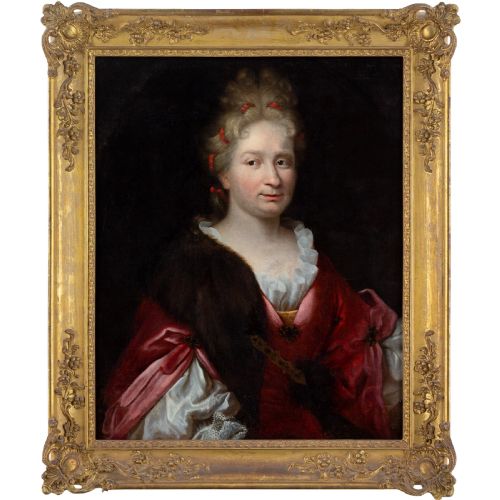
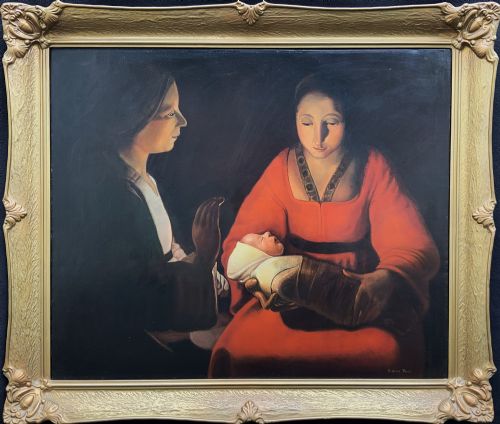
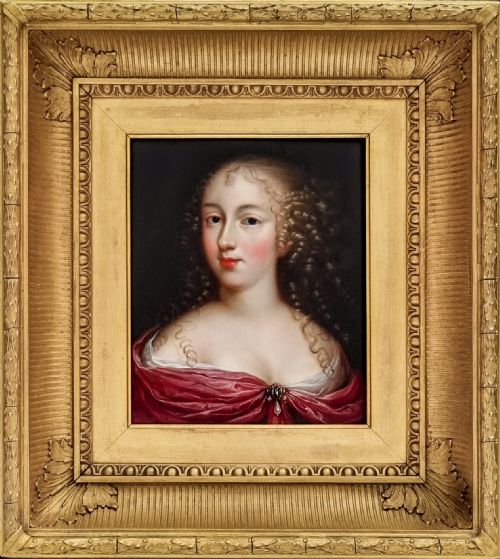
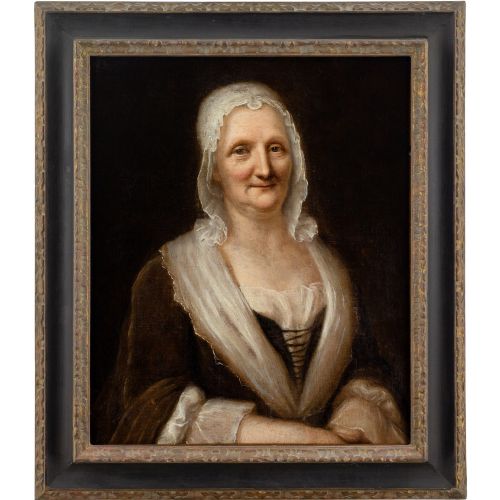
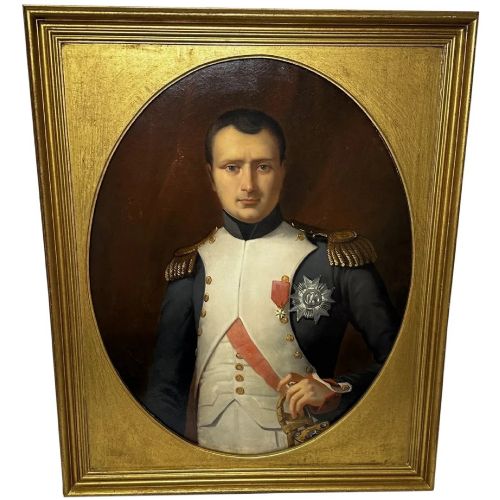
A french portrait oil painting captures centuries of human character, offering collectors tangible links to historical sitters from nobility to military officers.
French Portrait Oil Painting
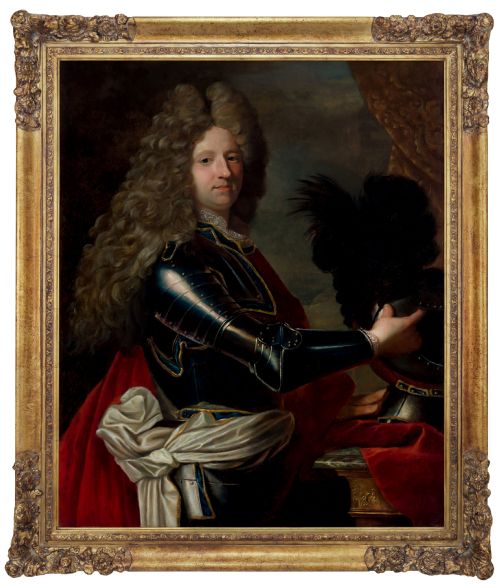
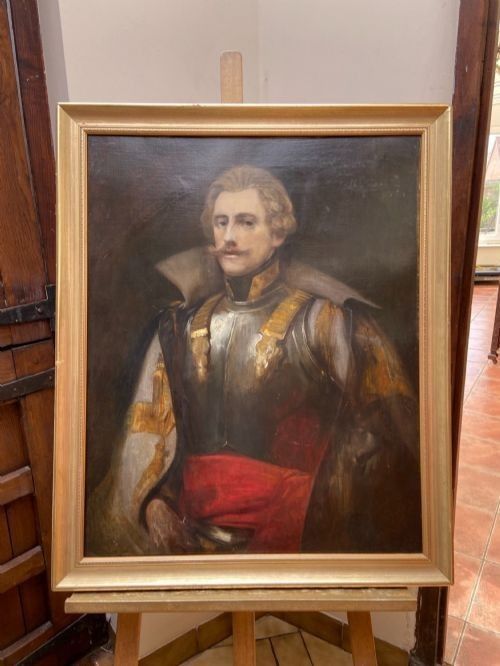
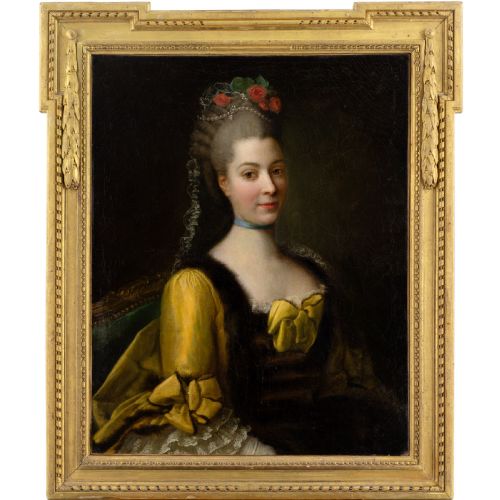
A french portrait oil painting encompasses works depicting specific individuals, military officers, judges, and noble figures created across multiple centuries. Buyers encounter pieces originating from anonymous regional workshops as well as identified historical French schools.
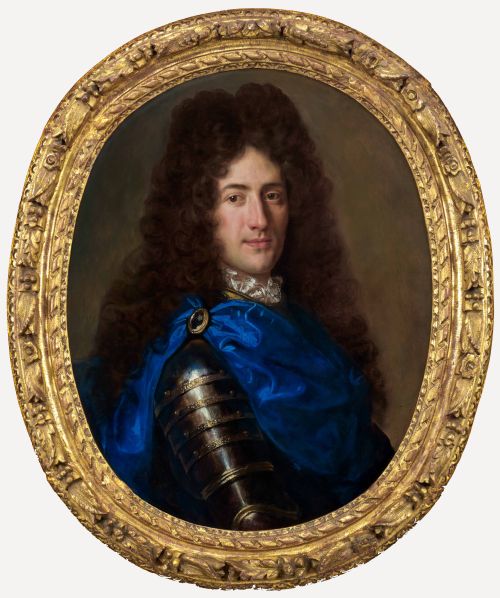
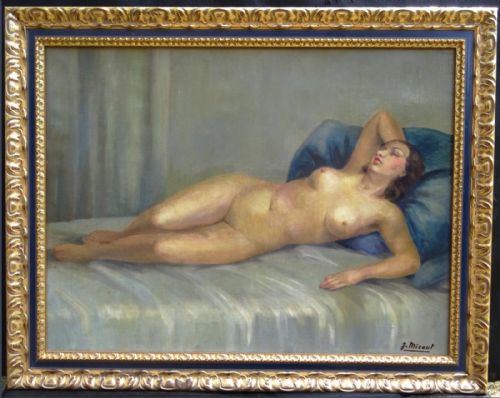
The selection ranges from seventeenth-century depictions of aristocrats in armour to nineteenth-century academic studies and early twentieth-century modernist works. Formats include traditional framed wall art, panels, and integrated pieces upon decorative items like screens.
Many examples emerge from named movements such as the Barbizon School or bear attributions to specific historical circles and followers of master painters. These artworks preserve the likenesses, attire, and social status of past eras through enduring oil pigments.
How They Were Made
Artists built these compositions primarily using oil paint applied to woven canvas supports or solid wooden panels, occasionally utilising copper plates. Pigments were manipulated to render nuanced skin tones, detailed textiles, and complex facial expressions.
Finished canvases typically resided within decorative wooden housings, frequently featuring gilded ornamentation or carved giltwood frames. These surrounds complement the visual weight and historical period of the central painted portrait.
French Portrait Oil Painting Retail Price Guide 2026
Typical asking prices for french portrait oil painting among the pieces listed under this phrase on Sellingantiques today, from the lower quarter to the upper quarter. They describe what is for sale here now, not the wider market.
Several sitters share wall space with curious companions, including a focused canine, playing kittens, and an apprentice cook resting from Parisian duties.
What Varies In Quality
Technical execution separates routine workshop output from masterful portraiture, particularly in the rendering of hands, fabrics, and psychological depth. Superior works demonstrate precise command over light and shadow to create lifelike anatomical presence.
The documentation surrounding a sitter and the certainty of attribution heavily influence a piece's standing among collectors. Works linked directly to exhibited salon artists or documented historical figures carry greater contextual weight than anonymous regional student pieces.
Pierre Mignard·Edouard Pingret·Achille Fould·Alfred Arthur Brunel de Neuville·Charles Zacharie Landelle·Edouard Julien·Raymond Moritz·André Charles Voillemot·Henri Vincent Anglade·Ferdinand Victor Leon Roybet·Gaetan Dumas
The French Portrait Oil Painting Glossary
- Canvas
- A heavy woven fabric stretched across a wooden frame to serve as the primary support for oil painting. This material provides a durable and textured surface for pigment adhesion.
- Giltwood
- Wood carved and coated with a thin layer of gold leaf, frequently utilised for ornate period picture frames. It adds reflective brilliance and structural framing to the artwork.
- Oil Paint
- A slow-drying medium composed of pigments suspended in a drying oil, typically linseed. This substance allows artists to blend colours smoothly and achieve rich luminosity.
- Panel
- A flat wooden board prepared as a rigid support surface for painting. Panels were especially common in earlier centuries before canvas became the dominant medium.
- School
- A grouping of artists working in a similar style, region, or period, often under the influence of a master. This designation helps categorize anonymous historic works.
French Portrait Oil Painting: Frequently Asked Questions
How do I identify the period of a portrait?
Clothing styles, hairstyles, and framing techniques offer primary clues for dating historic portraits. Examining the construction of the canvas support or wooden panel further assists in establishing an accurate timeframe.
Comparison with documented examples from specific regional schools helps narrow down the decade of creation. Written inscriptions on the reverse often provide direct evidence regarding the sitter and date.
Were these paintings always framed?
Most works were housed in protective surrounds designed to complement their aesthetic and historical context. Ornate giltwood frames were standard for formal academic and aristocratic commissions.
Some secondary pieces or panels may have undergone re-framing over the centuries to suit changing domestic interiors. Original frames matching the exact era of the canvas remain particularly desirable to collectors.
What is the difference between canvas and panel supports?
Canvas offers a flexible, textured woven surface that became standard for larger portraits from the seventeenth century onward. Wooden panels provide a rigid, smooth foundation frequently utilised for smaller or earlier compositions.
Panel paintings require careful environmental monitoring to prevent warping of the wood over time. Both supports were widely employed by portraitists depending on regional tradition and scale.
How should I care for an antique oil painting?
Display the artwork away from direct sunlight and fluctuating heat sources to protect the delicate oil pigments and wooden supports. Gentle dusting with a soft, dry brush maintains the surface without disturbing the aged varnish.
Avoid applying liquid cleaners or attempting restoration without professional conservation assistance. Stable indoor humidity prevents the canvas from slackening and safeguards the structural integrity of the frame.