


Green Dress Portrait Art
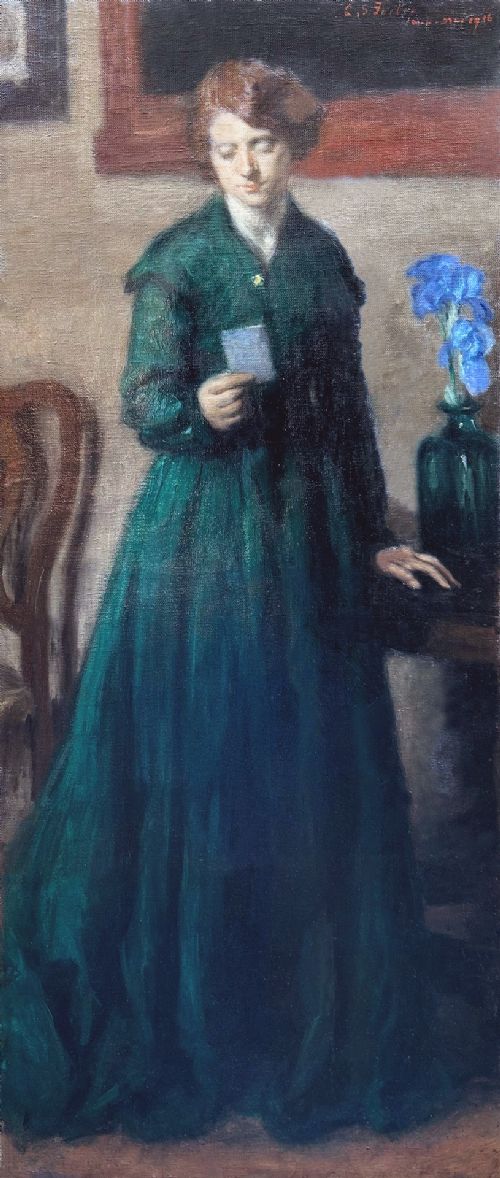
Green dress portrait art brings together centuries of painted likenesses, where a specific garment anchors the focus of the canvas.
Green Dress Portrait Art
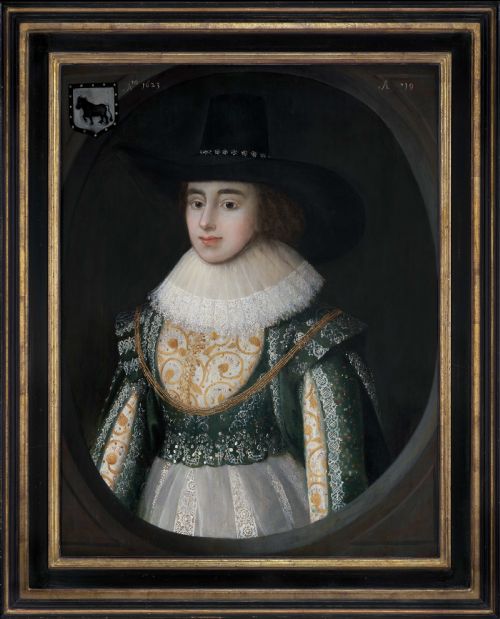
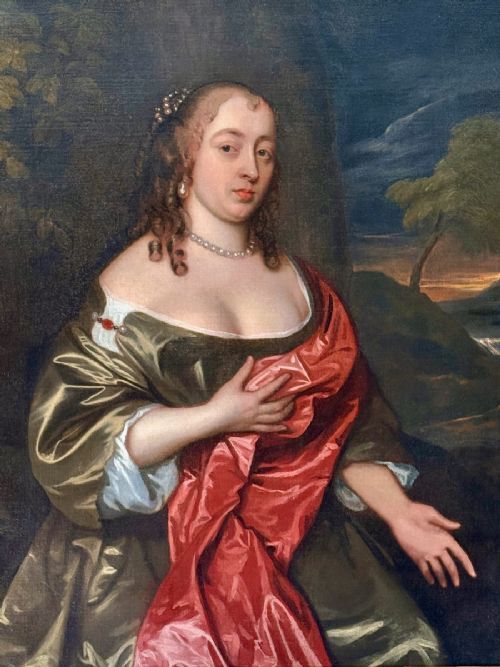
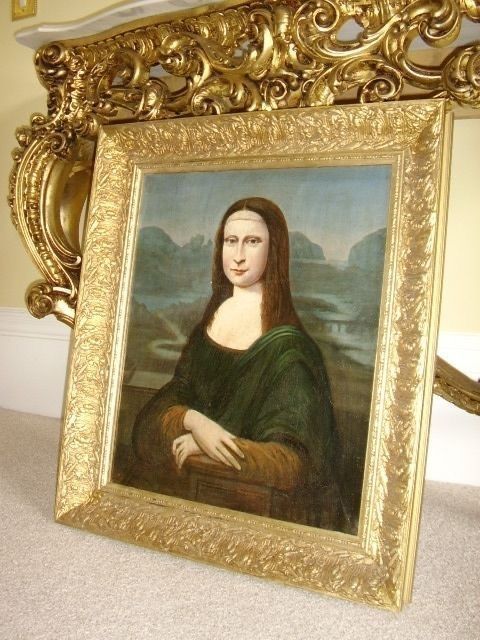
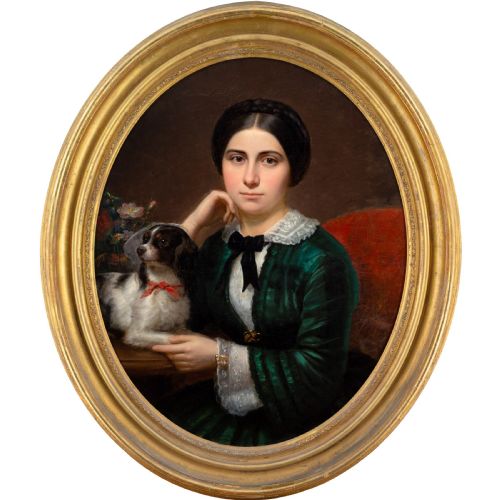
Green dress portrait art encompasses oil paintings, watercolours, pastels and reverse glass prints spanning from the seventeenth century through to the mid-twentieth century. Buyers encounter works ranging from formal seventeenth-century depictions of aristocratic sitters in silk gowns to later impressionist and twentieth-century studies.
The dominant forms on this page are oil paintings on canvas or panel, alongside works on paper executed in watercolour or pastel. Portraits from European schools, particularly British and French traditions, frequently appear alongside individual signed pieces by named artists.
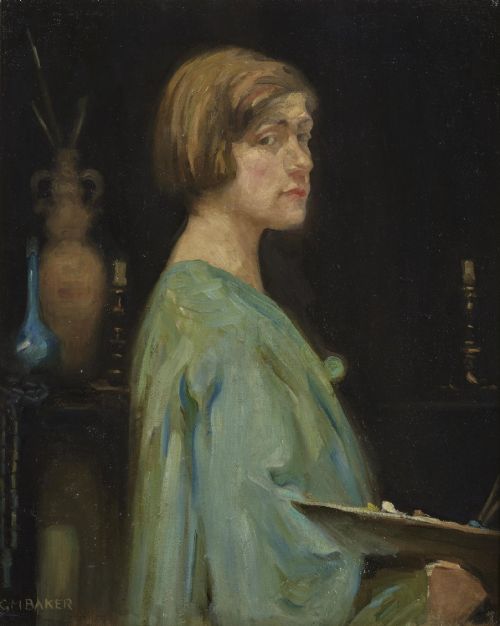
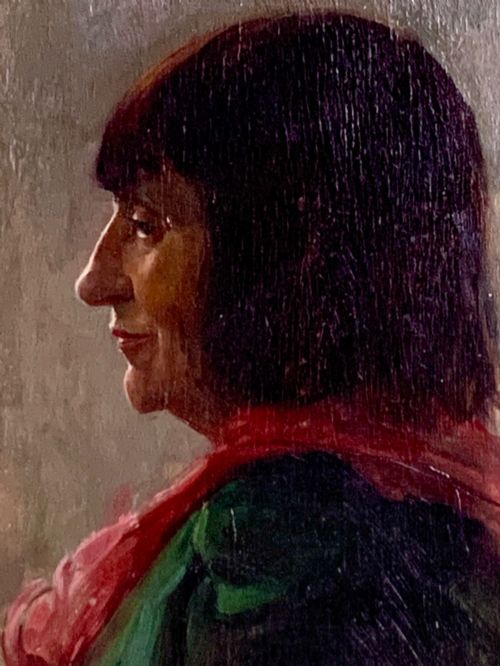
The subjects vary from commissioned likenesses of elite society members to informal genre studies and self-portraits. Each piece captures a specific textile rendering, setting the human subject against pastoral, architectural or muted studio backdrops.
Materials and technique
Painters relied principally on oil paint applied to stretched canvas, prepared wooden panels or paper supports, building depth through successive layers of pigment and glaze. Watercolours and pastels utilised paper or board, requiring careful handling to preserve delicate surface textures and powdery dry media.
Framing and mounting often involved traditional giltwood surrounds or protective glass panels, particularly for fragile works on paper and reverse glass prints. The handling of textiles, such as silk or satin gowns, involved precise brushwork to capture the sheen and drape of the fabric under studio light.
The works combine formal seated portraiture with intimate watercolour sketches and reverse glass prints.
Evaluating the works
The distinction between standard works and exceptional pieces rests upon the confidence of the draughtsmanship and the artist's ability to render facial expression and textile textures convincingly. Masterworks demonstrate superior anatomical proportion and atmospheric perspective, whereas lesser examples display stiffness in pose or formulaic background execution.
Condition plays a central role in valuation, specifically the stability of the paint layer, the absence of excessive overpaint, and the preservation of the original support material. Pieces retaining their period frames and clear provenance documentation command greater attention from collectors.
John Hayls·Cornelius Johnson·Nicolaes Maes·Thomas Gainsborough·Sir Peter Lely·James Bertrand·John Osborn·George Perfect Harding·Enoch Seeman·Francis Alleyne·Pierre-Louis Bouchard·William Lee-Hankey·Cowan Dobson
The Green Dress Portrait Art Glossary
- Oil on canvas
- A painting medium where pigments suspended in drying oils are applied to a woven fabric support. This combination allowed artists to achieve rich colour saturation and subtle blending.
- Reverse glass print
- An image applied directly to the rear side of a glass panel, viewed through the transparent front. This technique produced glossy surfaces popular in earlier decorative arts.
- Pastel drawing
- A dry medium composed of powdered pigment and a binder, worked onto paper or board. It yields velvety colour effects that require glazing for protection.
- Post-Impressionism
- An art movement extending beyond impressionist limits, emphasising symbolic content, formal order and expressive use of paint. Artists prioritized structural brushstrokes over naturalistic recording.
- Provenance
- The documented history of ownership surrounding an artwork from its creation to the present day. Clear records establish authenticity and historical context.
Green Dress Portrait Art: Frequently Asked Questions
What periods do these portraits represent?
The selection spans from the seventeenth century up to the 1950s, including seventeenth-century baroque examples, eighteenth-century classical pieces, nineteenth-century realism, and early twentieth-century post-impressionist works.
Buyers find both historical aristocratic commissions and later domestic scenes, reflecting changing artistic conventions across four centuries.
How should I care for an antique oil painting?
Display oil paintings away from direct sunlight and extreme temperature fluctuations to prevent canvas slackening and pigment cracking. Dust the surface gently with a soft, dry brush without applying pressure.
Avoid using liquid cleaners or household solvents on the painted surface, and consult a professional conservator for deep cleaning or canvas repairs.
What is a reverse glass print?
A reverse glass print is a technique where the image is painted or printed onto the back of a glass sheet, making the composition visible from the front through the glass. This method gives the artwork a glossy, protected surface.
These pieces were popular decorative items in earlier centuries and require secure wall mounting to protect the fragile glass support.
How do I identify the school of a painting?
Attributions to specific schools, such as the French School or British School, rely on stylistic traits, costume details, handling of paint, and historical context. Unsigned works are often grouped by geographic origin and active period.
Examining the canvas preparation, stretcher bars and framing style also assists specialists in determining the likely region of creation.