


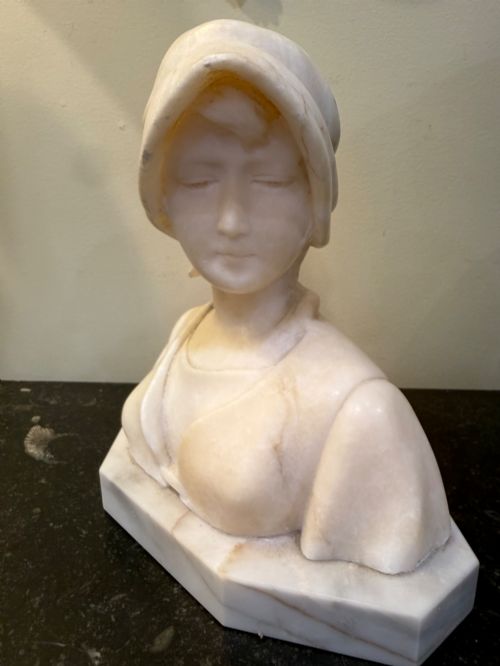
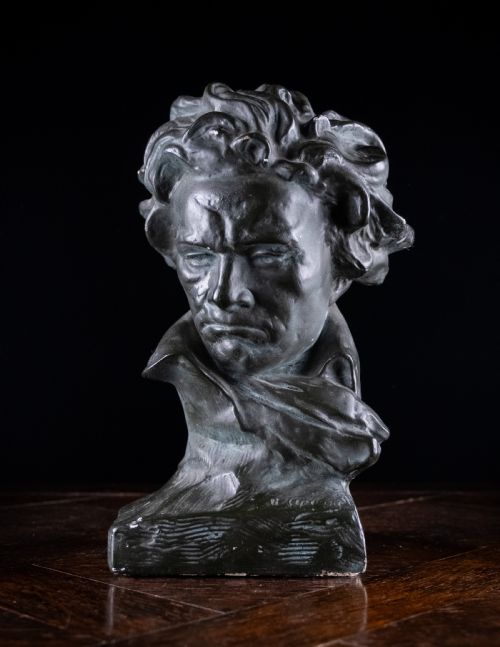
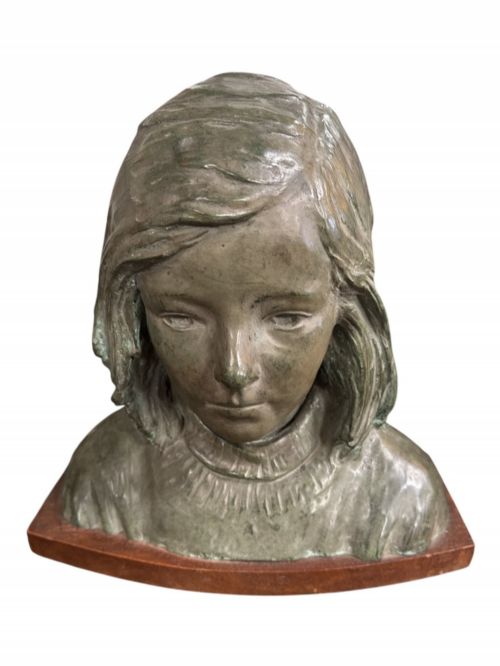
Vintage Portrait Sculpture
Vintage portrait sculpture captures individual likenesses through enduring materials like marble, bronze and plaster, offering character and history to any interior.
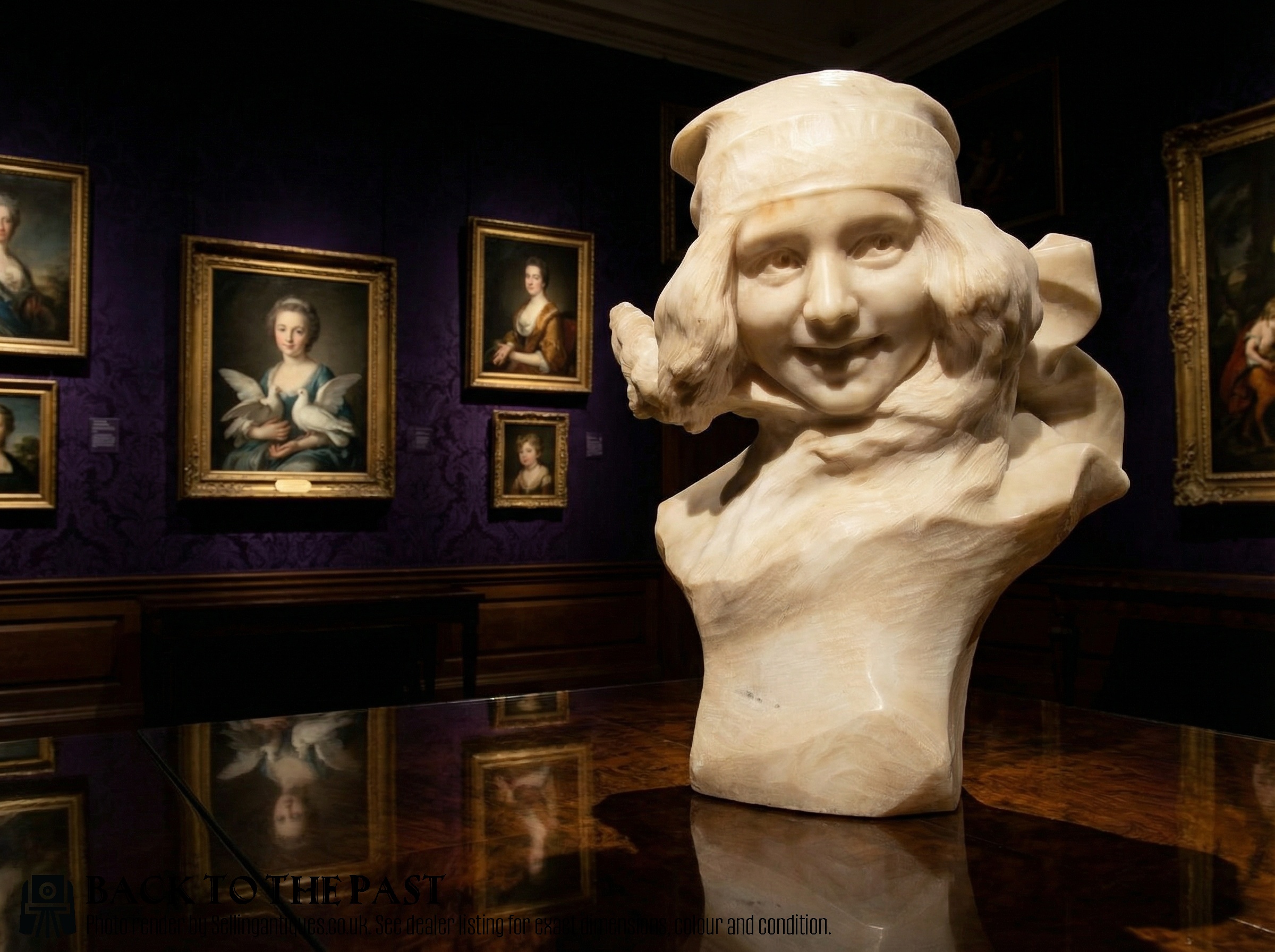
Vintage Portrait Sculpture
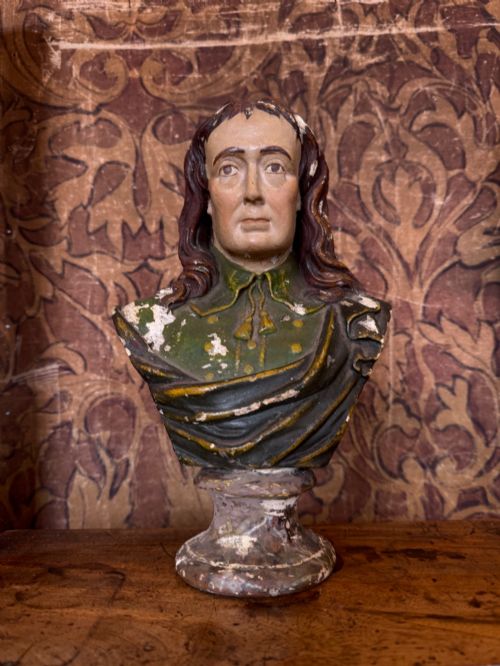
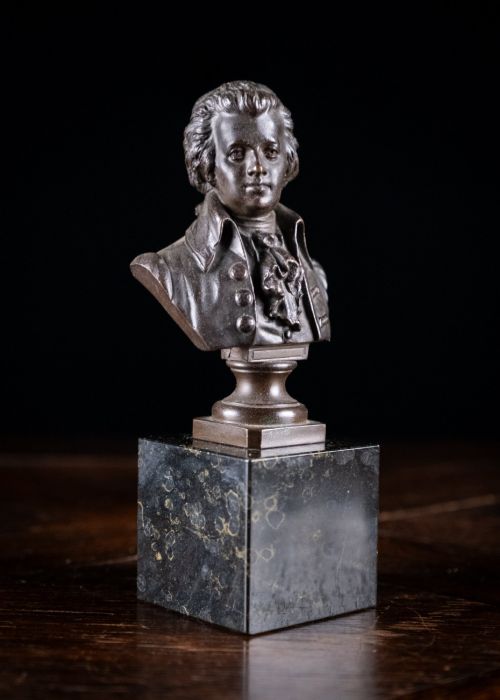
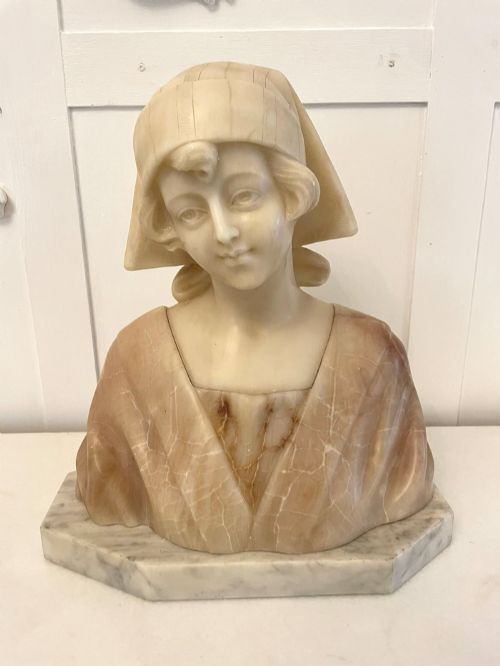
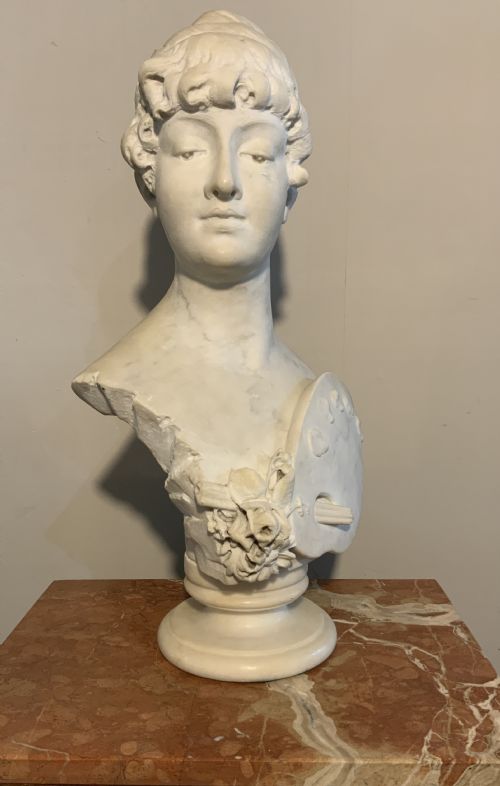
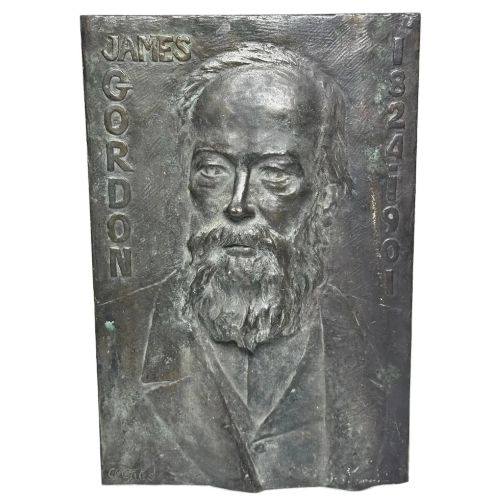
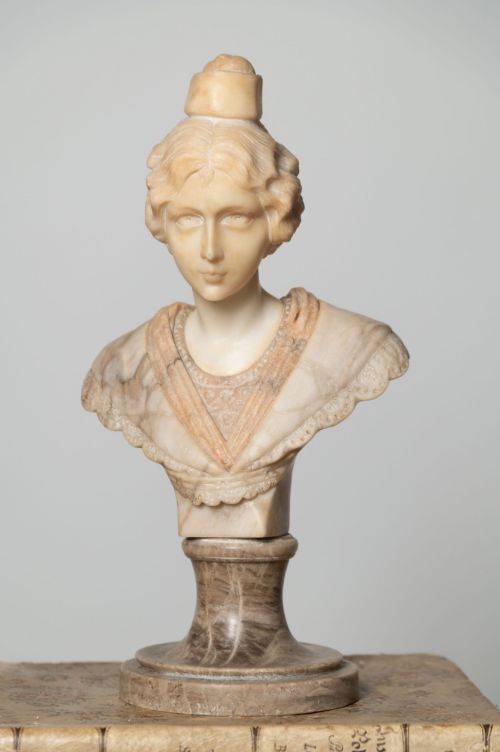
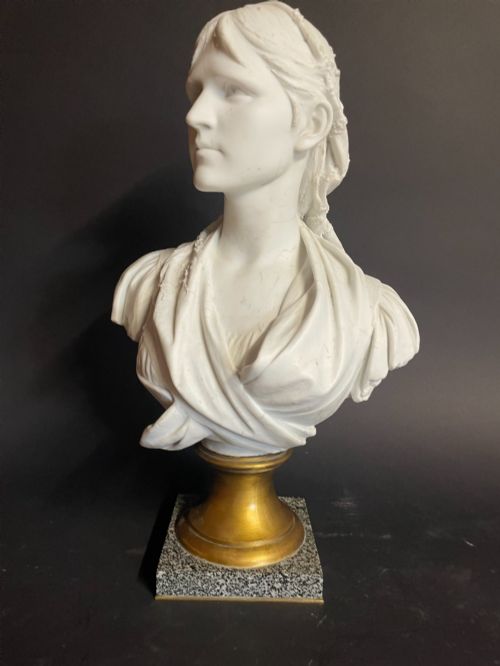
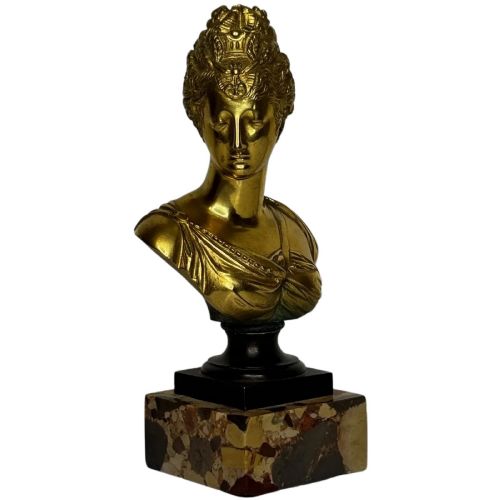
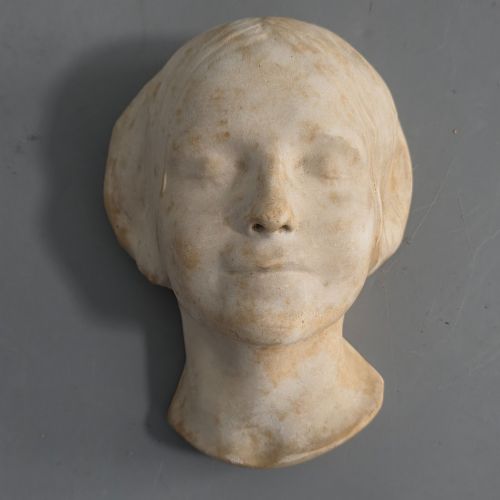
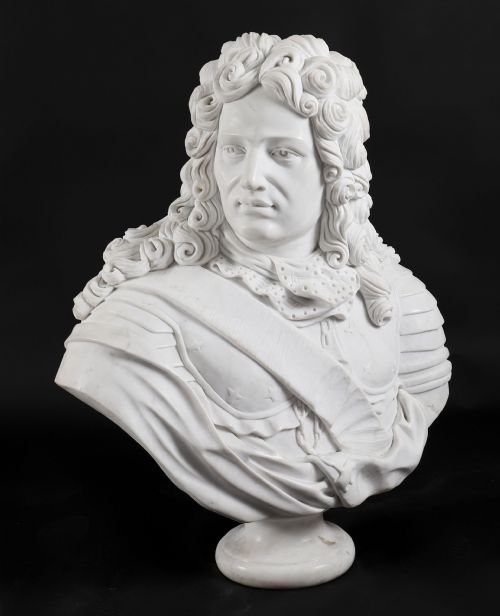
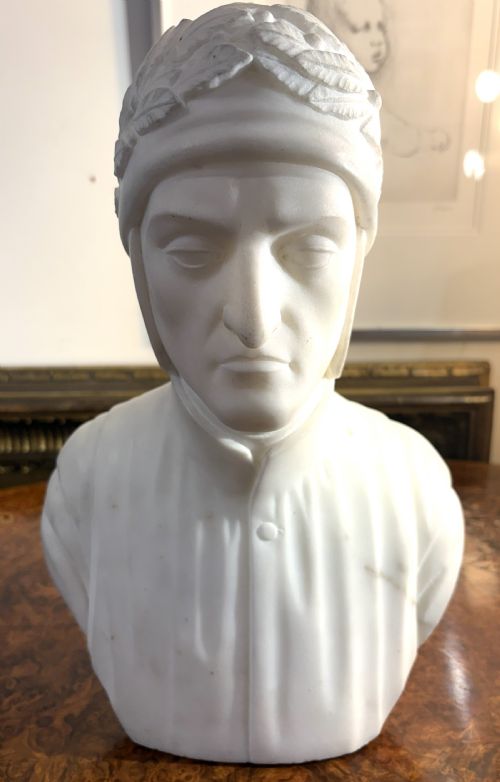
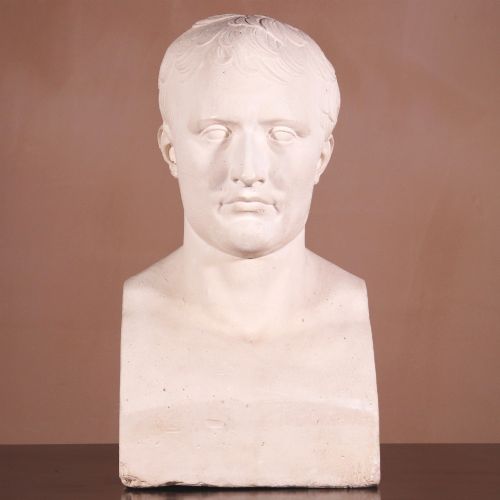
A vintage portrait sculpture renders a specific human likeness, taking the form of library busts, wall plaques, death masks and bookends. These pieces emerge from the nineteenth and twentieth centuries, spanning periods from the Victorian era through Art Deco and mid-century modern design. Buyers encounter subjects ranging from classical historical figures and literary icons to anonymous children and foreign nobility.
Marble, bronze, terracotta and plaster dominate the available selections, frequently shaped by European foundries and studios. Italian marble works and French bronzes appear alongside English plaster casts and folk art wood carvings. The grouping includes tabletop library pieces as well as substantial life-size wall sculptures.
Materials and methods
Sculptors utilised direct carving for hard materials such as Carrara marble, alabaster, walnut and pear wood, revealing the grain or crystalline structure of the medium. Soother materials like terracotta and plaster required moulding, casting and hand-finishing, sometimes receiving a patinated bronze finish or surface paint.
Foundries cast bronze using the lost-wax method or sand casting, capturing fine details in hair, armour and facial expression before applying chemical patination. Wood and stone pieces relied on chisels and files, while plaster works depended on precise liquid plaster mixtures poured into intricate mould systems.
Vintage Portrait Sculpture Retail Price Guide 2026
Typical asking prices for vintage portrait sculpture among the pieces listed under this phrase on Sellingantiques today, from the lower quarter to the upper quarter. They describe what is for sale here now, not the wider market.
Listings feature portrait sculptures cast in bronze and carved from marble, alabaster, wood and terracotta across the nineteenth and twentieth centuries.
Evaluating sculptural quality
The anatomical precision of the carving or casting determines the lifelike quality of the subject's expression and musculature. Master sculptors capture subtle tension in the jaw and depth in the gaze, whereas lesser works rely on rigid symmetry and shallow surface detailing.
The purity and weight of the material influence the tactile presence of the piece, from dense Carrara marble to heavy cast bronze. Signatures from recorded artists and foundry marks elevate the provenance, distinguishing studio pieces from commercial reproductions.
Raffaelo Monti·George Henry Paulin·Hermann Steiner·Ernst Whaliss
The Vintage Portrait Sculpture Glossary
- Bust
- A sculpted representation of a person from the chest or shoulders up. This format focuses attention entirely on the facial expression and head shape.
- Patina
- The surface sheen or colour change developed naturally over time or applied chemically to bronze and metal. It adds depth and protects the underlying metal.
- Relief
- A sculptural technique where the figures project from a flat background. Wall plaques often utilise this method to create a three-dimensional portrait on a two-dimensional plane.
- Terracotta
- Baked clay modelled into sculptural forms and left unglazed or painted. The resulting ceramic material ranges in colour from pale buff to deep reddish-brown.
- Alabaster
- A fine-grained, translucent stone carved into smooth portrait heads and small busts. Its natural translucency allows light to penetrate the surface gently.
Vintage Portrait Sculpture: Frequently Asked Questions
How do I display a heavy marble bust?
Place heavy stone and bronze busts on sturdy, low furniture where the weight rests securely near the centre of gravity. Ensure the supporting surface stands level to prevent any risk of tipping.
Position the sculpture away from heavy foot traffic areas and direct heat sources to protect the stone or metal from accidental impacts and thermal shock.
What is the difference between plaster and marble?
Marble is a natural, hard metamorphic stone with a cool touch and crystalline sparkle. Plaster is a softer, manufactured mixture poured into moulds and finished by hand.
Plaster pieces feel lighter and show a uniform matte surface unless painted, while marble displays natural veining and exceptional weight.
How do I clean antique plaster sculptures?
Dust plaster sculptures gently with a dry, soft-bristled brush or a microfiber cloth. Avoid using water or liquid cleaners, which dissolve or stain porous plaster surfaces.
Keep plaster works indoors away from damp environments to prevent moisture absorption and surface degradation over time.
Are bronze portrait sculptures signed?
Many bronze portrait sculptures carry an artist signature, foundry stamp or cast number along the base or shoulder edge. These marks verify the workshop origin and production period.
Unsigned pieces remain common, particularly in nineteenth-century decorative castings and anonymous folk art creations.