
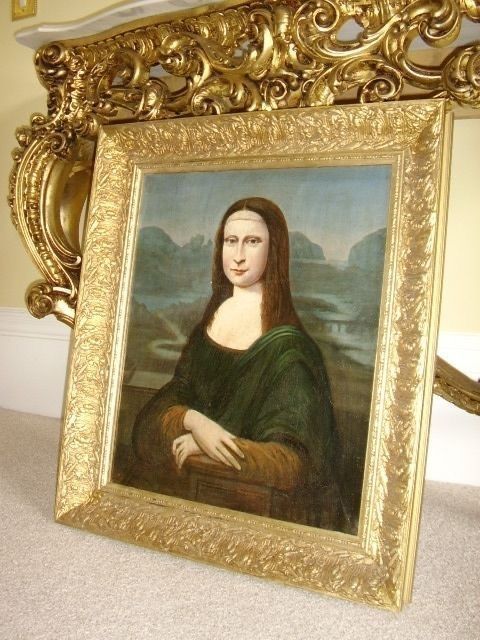
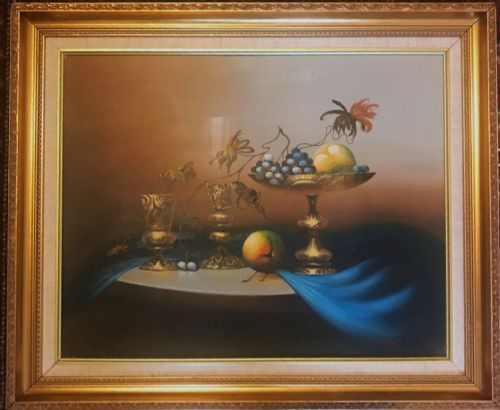
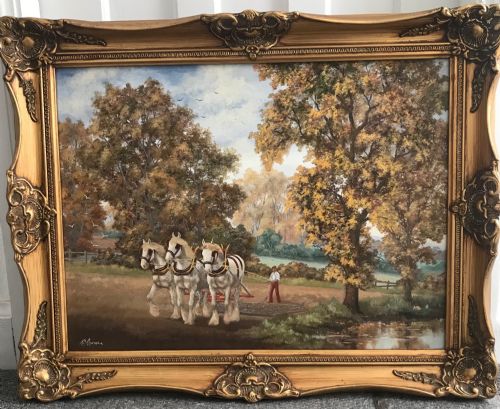
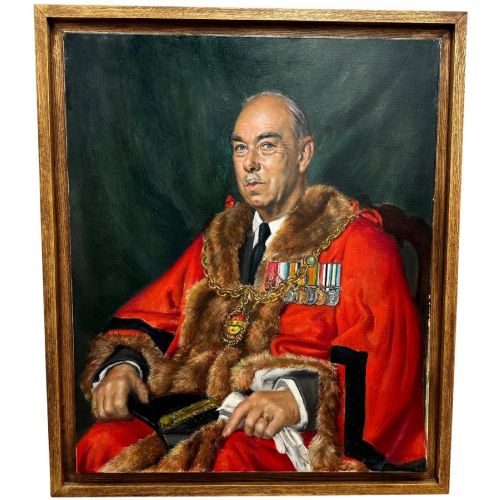
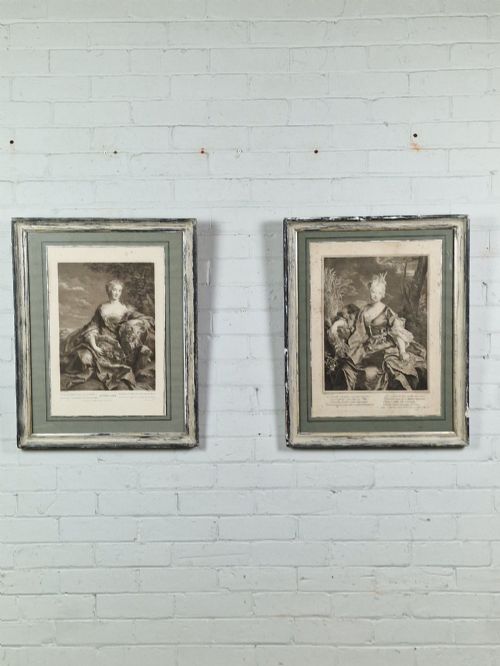
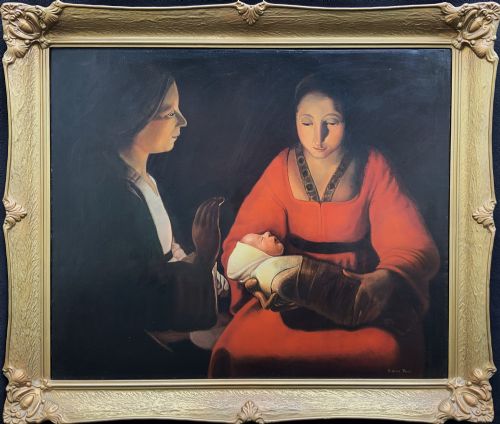


Vintage Portrait Frame
When you search for vintage portrait frame, you are looking at centuries of framed likenesses, from oil paintings to silhouettes.
Vintage Portrait Frame
A vintage portrait frame brings together framed likenesses and historical subjects spanning multiple centuries and artistic traditions. When exploring this selection, buyers encounter everything from oil on canvas to delicate paper silhouettes and pastels.
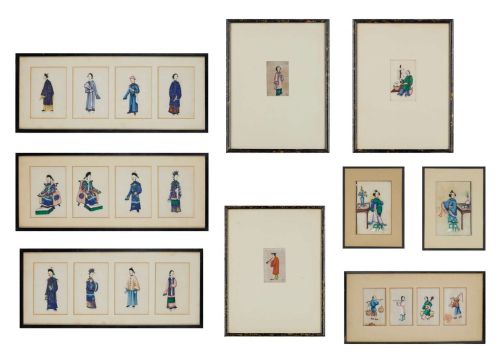
The objects represented here stretch across Georgian, Victorian, Regency, and Art Deco periods, alongside Chinese pith paintings and French engravings. These framed works capture human subjects, nobility, animals, and historical figures in diverse media.
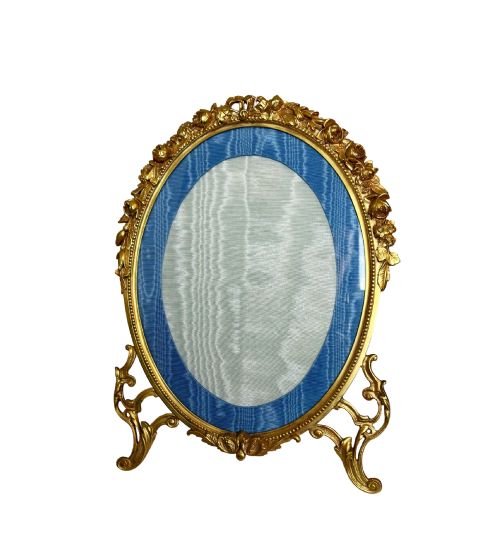
Most examples combine period artwork with corresponding surrounds in wood, glass, and giltwood. Buyers find both intimate drawings on buff paper and substantial oil paintings housed in their original enclosures.
How they were made
Makers utilised traditional mediums including oil paint, watercolour, pastel, and gouache applied to canvas, board, paper, and vinyl canvas. Artisans shaped surrounds from timber, bronze, and giltwood, sometimes incorporating gold leaf for decorative emphasis.
Framing techniques often matched the prevailing aesthetic of the period, from ornate French Rococo and Baroque mouldings to clean Art Deco lines. Works on paper typically relied on glass for protection, while heavy canvas required sturdy wooden structural support.
Vintage Portrait Frame Retail Price Guide 2026
Typical asking prices for vintage portrait frame among the pieces listed under this phrase on Sellingantiques today, from the lower quarter to the upper quarter. They describe what is for sale here now, not the wider market.
Materials documented across the pieces include giltwood, gold leaf, paper, glass, and various traditional timbers.
What varies in quality
The integrity of the surrounding mount and housing significantly affects the overall character of the piece. Original period frames that retain their original gilding or patina hold greater visual harmony with the artwork they enclose.
John Simon·Michael Dahl·Edward Fisher·Sir Joshua Reynolds·John Boydell·Pier Francesco Mola·John Smith·J Sommer·John Hayls·Emily Eyres·Dumini Leopoldo·Cornelis Van Der Voort·James Watson·John Bowles·Sir Peter Lely·Samuel Cooper·John Hassall·King George V·Reginald Arthur Borstel·Herskind·Moussa Ayoub
The Vintage Portrait Frame Glossary
- Mezzotint
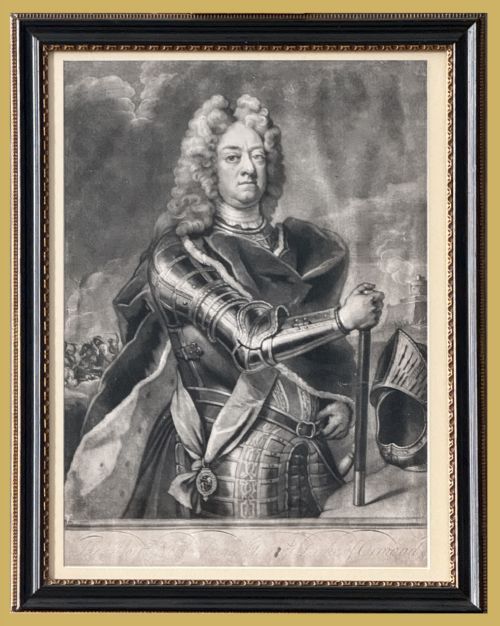
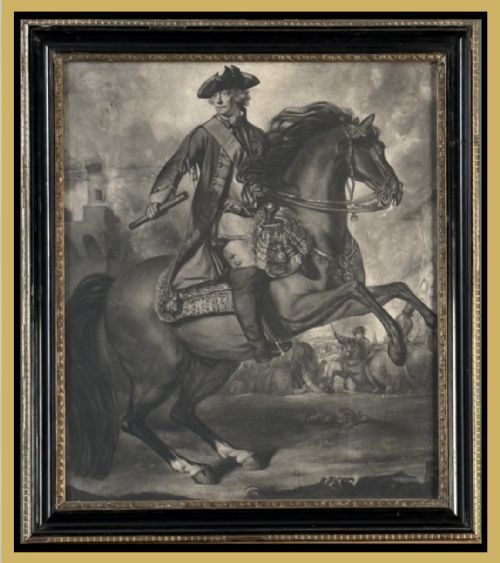
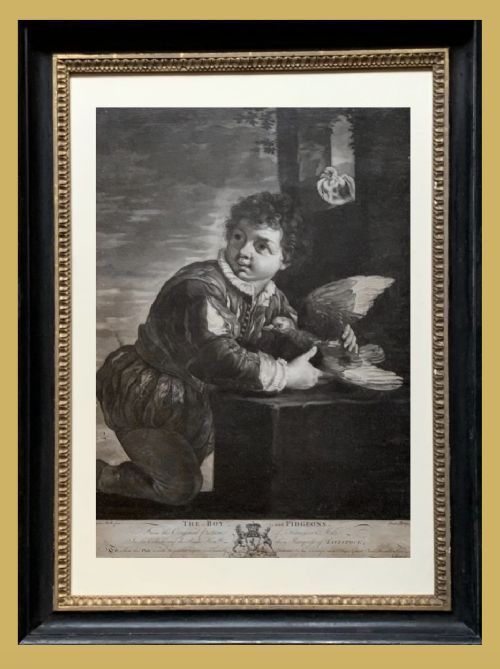
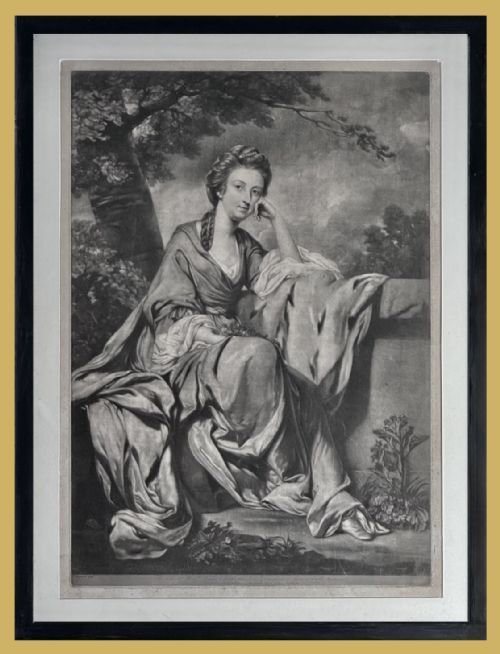
- A printmaking process of the intaglio family, where the plate is roughed uniformly to achieve rich tonal gradations. This technique was widely used in past centuries for reproducing oil paintings.
- Giltwood
- Wood that has been treated with a thin layer of gold leaf or powder for decorative effect. It appears frequently on ornate picture frames across the Georgian and Victorian eras.
- Silhouette
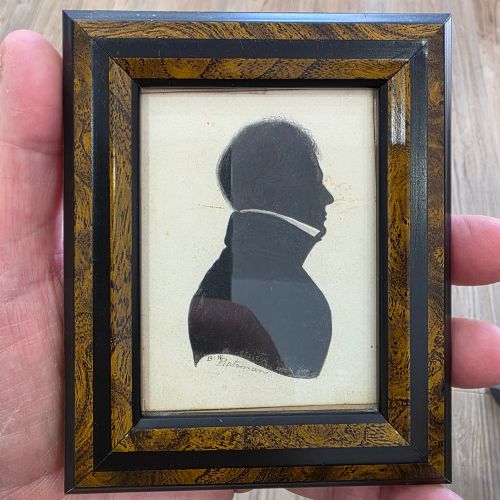
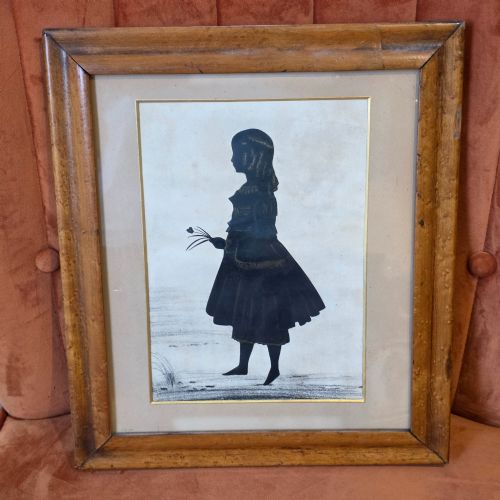
- A portrait represented as a solid shape of a single colour, usually black, outlined and filled in. These were popular in paper and cut-work during the Regency period.
- Pith painting
- Artwork created on thin layers of plant pith, characteristic of 19th century Chinese export art. These delicate pieces often depict figural scenes in vibrant watercolours.
Vintage Portrait Frame: Frequently Asked Questions
How do I date a portrait frame?
Dating relies upon stylistic markers in both the artwork and the surrounding mount. Wood types, joinery methods, and framing profiles shift perceptibly between the Georgian, Victorian, and later periods.
Examining the backboards, fixings, and any historical labels provides additional clues. Construction details often reveal whether the frame is contemporary to the artwork it holds.
What is a pith painting?
Pith paintings are delicate artworks produced on sheets cut from the pith of the Tetrapanax papyrifer plant. They are particularly associated with 19th century Chinese export workshops.
The material possesses a velvety texture that absorbs watercolour brilliantly, resulting in luminous colours. These fragile works require careful preservation behind glass.
Are silhouettes from the Regency period?
Silhouettes achieved immense popularity during the Regency era, though the form exists across multiple centuries. Artists captured profiles using cut paper, watercolour, or ink on card.
Signed examples by known practitioners are especially sought after by collectors. They offer an intimate glimpse into the appearance of historical sitters.
How should I display antique framed portraits?
Antique portraits benefit from placement away from direct sunlight and fluctuating moisture levels. Protecting paper works and pastels behind appropriate glazing prevents fading and surface damage.
Hang pieces securely using fixings matched to the weight of the frame and wall type. Allowing adequate spacing lets each portrait retain its individual visual presence.