


Vintage Portrait Engraving Framed
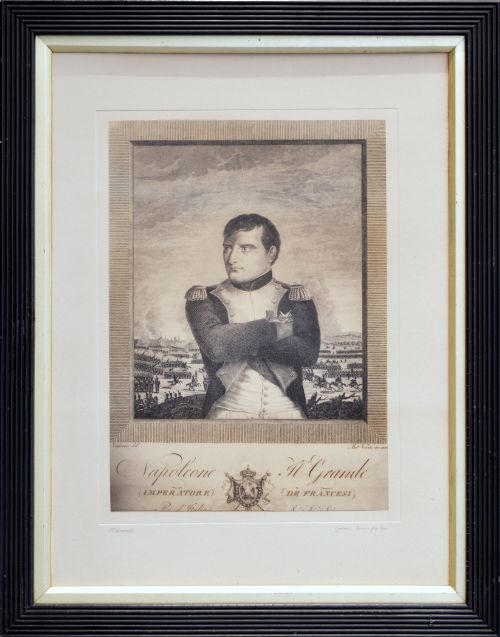
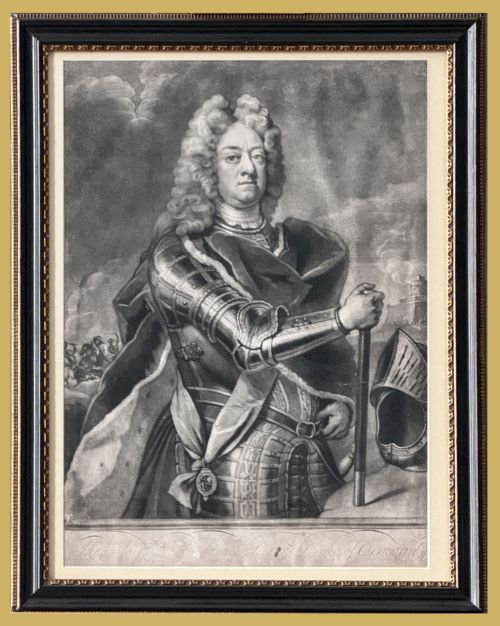
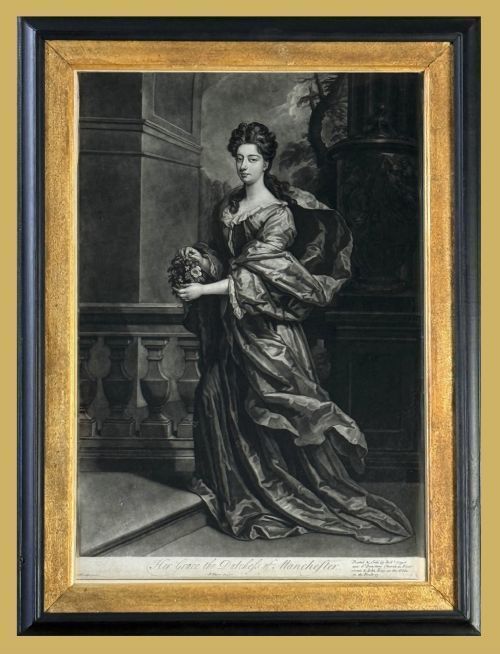
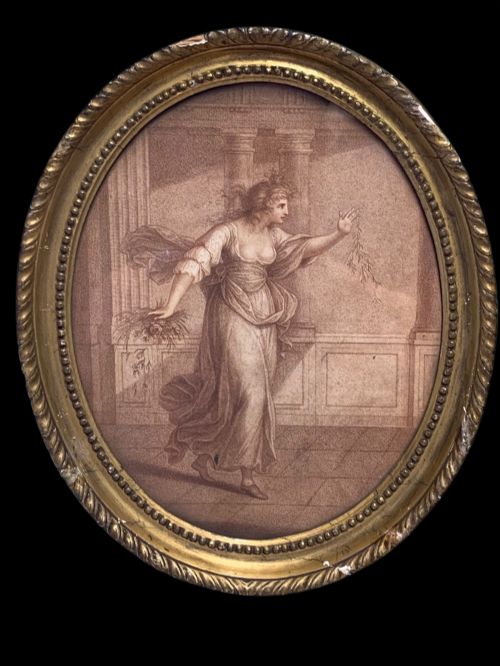
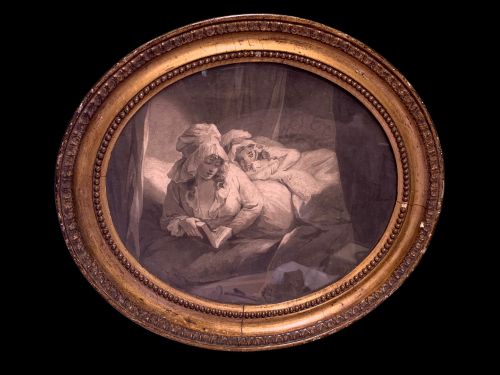
These vintage portrait engraving framed pieces capture notable historical figures and nobility in ink on paper, preserved behind glass within period wood and gilt surrounds.
Vintage Portrait Engraving Framed
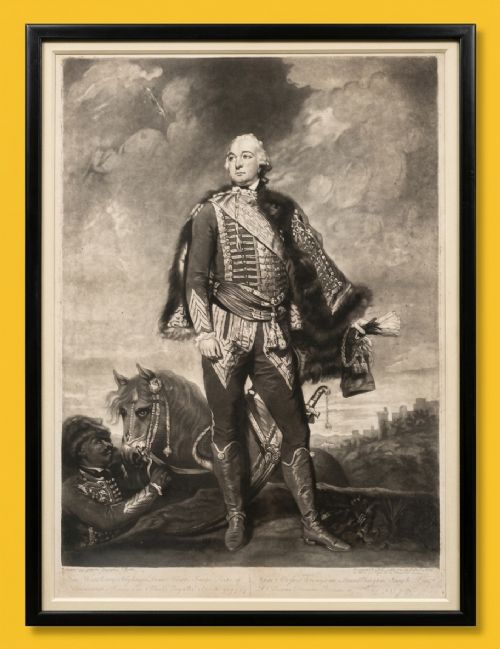
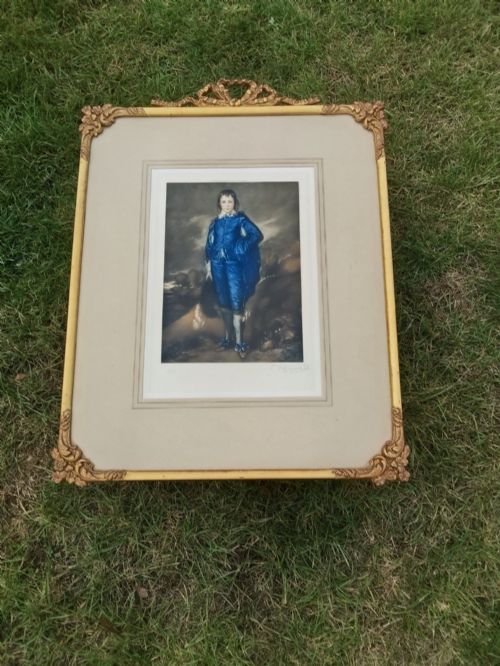
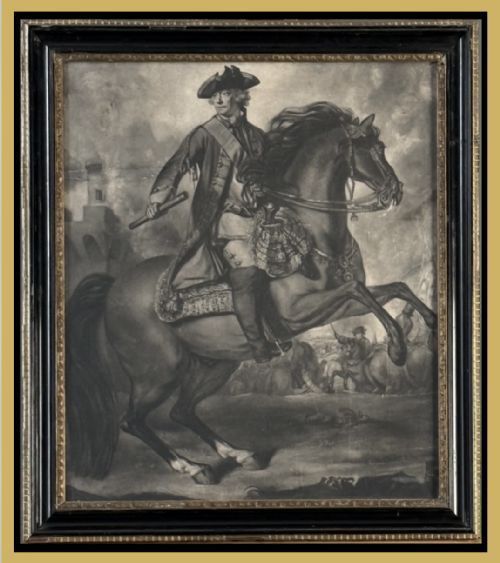
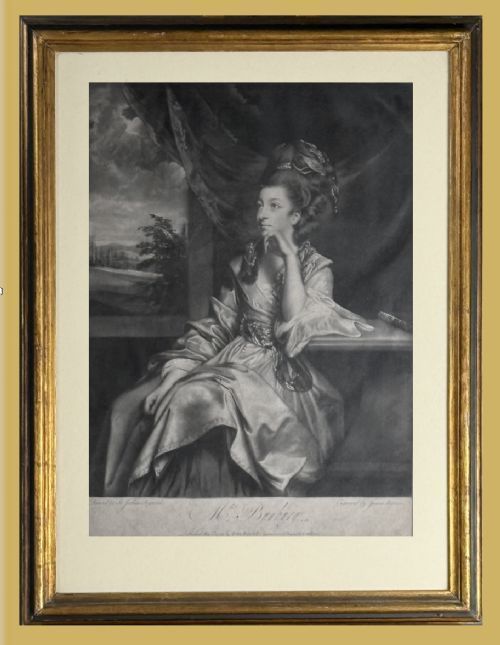
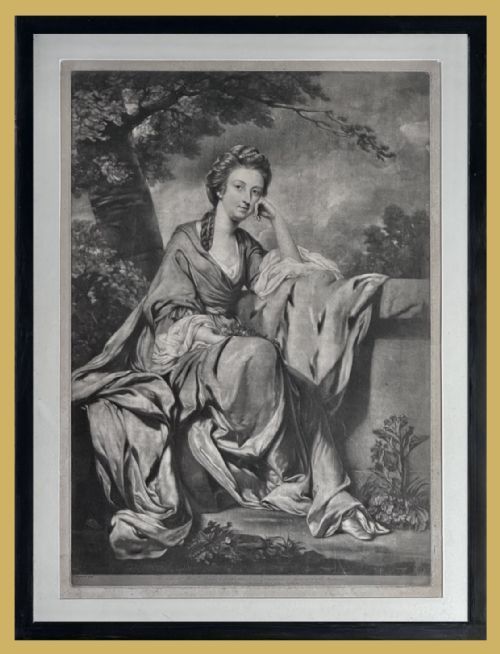
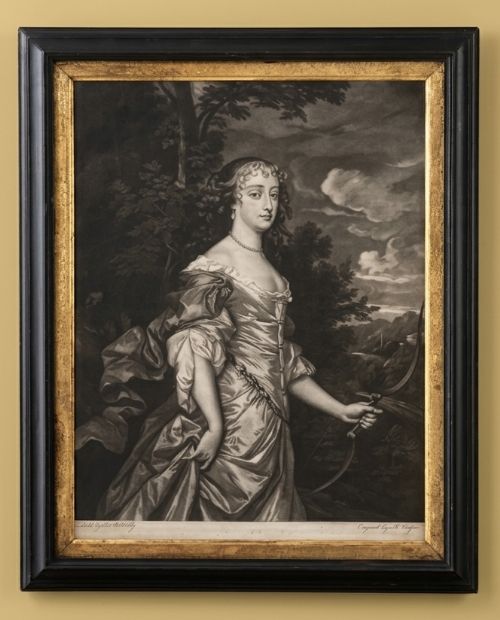
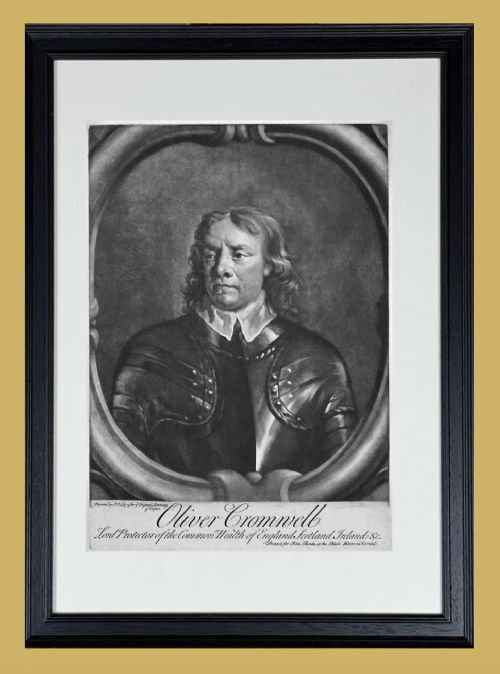
A vintage portrait engraving framed selection brings together centuries of intaglio printmaking, spanning from the 17th century through the Georgian, Regency, and Victorian eras into the early 20th century. These works capture likenesses of aristocrats, military officers, and historical personages, rendered through meticulous manual carving and printing techniques.
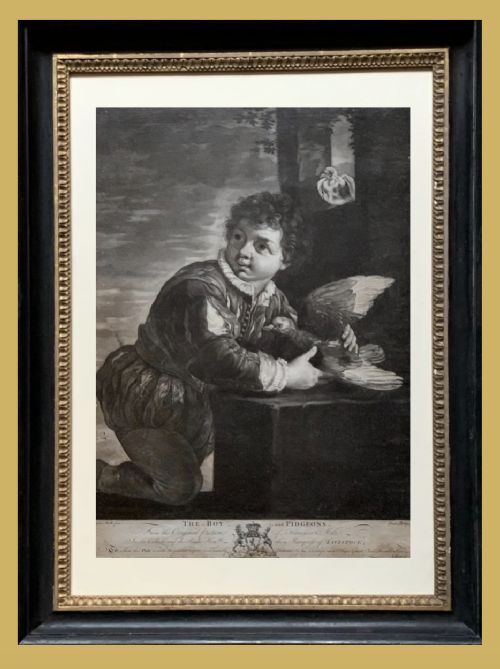
Most items encountered on this page belong to the 18th and 19th centuries, appearing as mezzotints, stipple engravings, and etchings housed in contemporary or later wooden frames. Subjects range from grand nobility depicted after master painters like Sir Peter Lely and Sir Joshua Reynolds to theatrical personalities and literary figures.
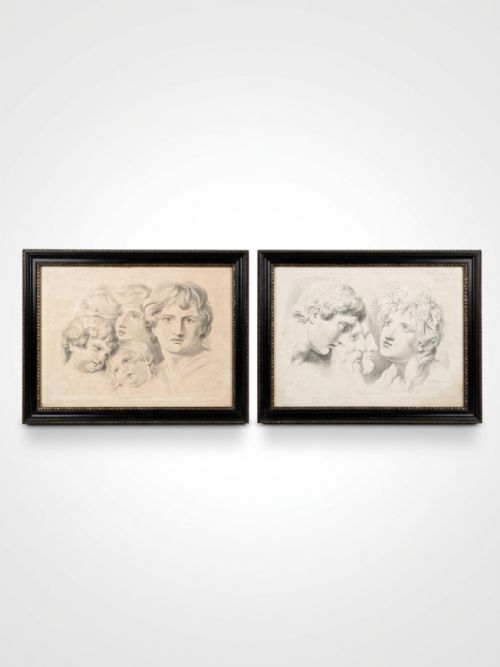
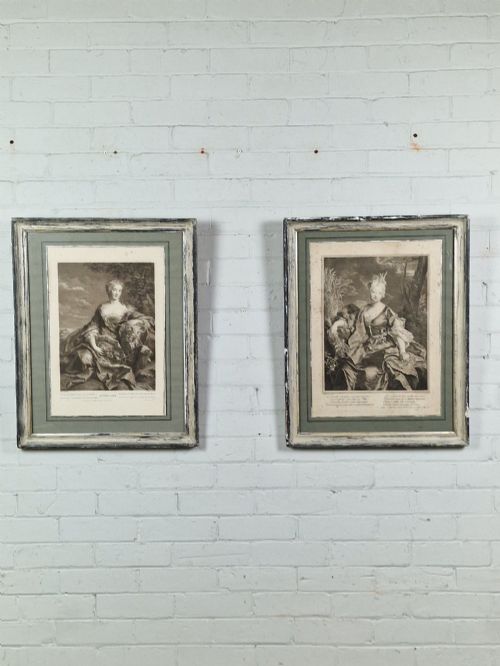
Beyond standalone single portraits, the inventory includes companion pairs and matched series such as seasonal sets or animal studies. These framed works function as historical documents and decorative wall art, retaining the original aesthetic character of their respective periods.
Materials and technique
Printmakers utilised copper or steel plates to create these images, cutting lines directly into the metal using burins, etching acids, or roughening the surface with rockers for mezzotints. Ink was applied to the plate, wiped from the smooth surface, and transferred under pressure onto heavy laid or woven paper.
The finished prints were subsequently secured behind protective glass within handcrafted wooden frames. These surrounds frequently incorporate gesso ornamentation, gilding with gold leaf, or simple ebonised Hogarth profiles designed to complement the monochrome tones of the ink.
Vintage Portrait Engraving Framed Retail Price Guide 2026
Typical asking prices for vintage portrait engraving framed among the pieces listed under this phrase on Sellingantiques today, from the lower quarter to the upper quarter. They describe what is for sale here now, not the wider market.
Materials recorded across the selection include paper, ink, glass, wood, gold leaf, and sterling silver.
Assessing craftsmanship
Quality rests primarily upon the crispness of the impression and the skill of the original printmaker who translated the painted portrait into metal. Early impressions pulled from a freshly engraved plate display deep contrast and delicate tonal gradations, whereas later strikes lose fine details in heavily inked or worn areas.
The integrity of the framing materials also determines overall standard, with period giltwood or Hogarth frames retaining original patination holding higher regard than later replacements. The presence of contemporary hand-colouring or strong provenance adds further distinction to individual plates.
Thomas Watson·John Simon·Edward Fisher·John Boydell·James Watson·John Smith·James Macardell·John Faber Jr·Robert Williams·Edward Stodart·Herbert Dicksee·Sydney Wilson
The Vintage Portrait Engraving Framed Glossary
- Mezzotint
- A printmaking process where the copper plate is roughened uniformly to produce rich dark tones, and scraped back to create highlights. This technique allows for subtle gradations of shadow and light, making it popular for portraiture.
- Stipple engraving
- A method of creating images on a metal plate using dots rather than continuous lines. This approach produces soft tonal effects that mimic chalk drawings.
- Drypoint
- An intaglio technique where the artist scratches directly into the metal plate with a sharp needle. This creates a raised ridge of metal called a burr, which holds extra ink and produces a rich, velvety line when printed.
- Giltwood
- Wood that has been coated with a thin layer of gold leaf or gesso and gold paint. It frequently frames formal 18th-century portrait prints.
- Hogarth frame
- A narrow, stepped wooden frame with a distinct profile, often finished in black and gold. These frames gained popularity for displaying Georgian and Regency prints.
Vintage Portrait Engraving Framed: Frequently Asked Questions
How do I care for framed paper prints?
Keep prints away from direct sunlight to prevent the ink and paper from fading over time. Maintain stable room humidity to avoid moisture damage to the paper and the wooden frame.
Dust the glass gently with a dry microfibre cloth and avoid using liquid cleaners directly on the frame or glass surface.
Are these prints original period pieces?
The works listed are original engravings, etchings, and mezzotints produced during the centuries indicated in their descriptions. They are printed from metal plates created in the stated periods rather than being modern photographic reproductions.
Examining the paper texture, plate marks, and framing helps confirm the period origin of each piece.
What is the difference between an etching and a mezzotint?
An etching relies on acid biting lines into a metal plate that has been covered with an acid-resistant ground. The resulting image consists primarily of crisp lines and cross-hatching.
A mezzotint works from dark to light by roughening the entire plate surface and smoothing areas to create deep, velvety tones without relying on line work.
How can I identify the subject of a portrait?
Many portraits include inscribed lettering beneath the image detailing the name of the sitter, the artist who painted the original canvas, and the engraver who made the plate. Biographical details of historical figures, military officers, and nobility often match these inscriptions.
Comparing the recorded names against historical records provides confirmation of the sitter's identity.