

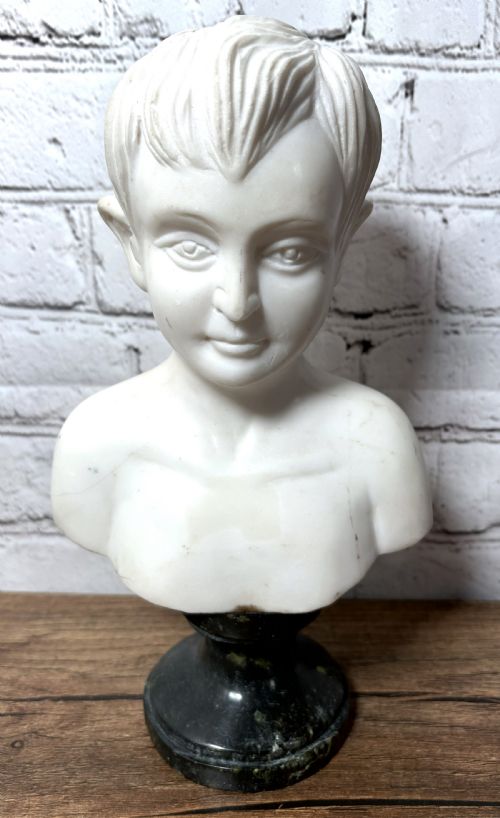


Vintage Portrait Bust Marble
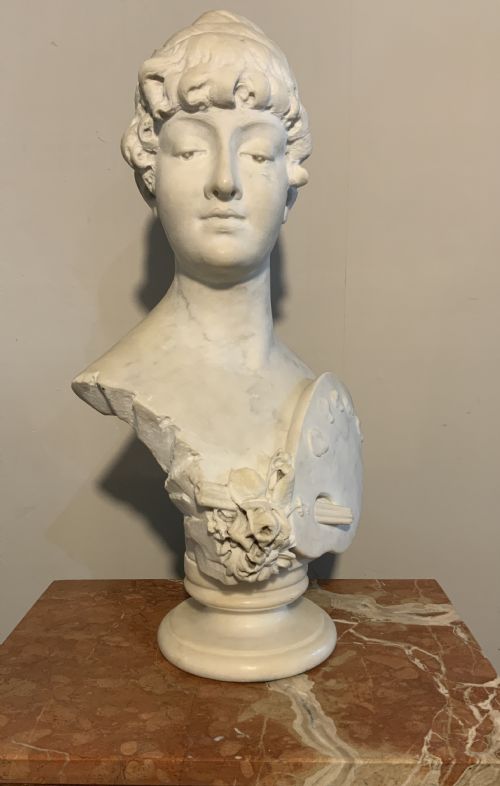
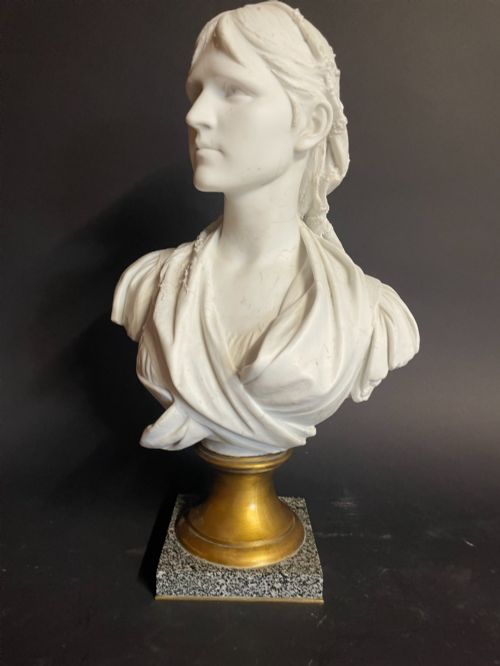
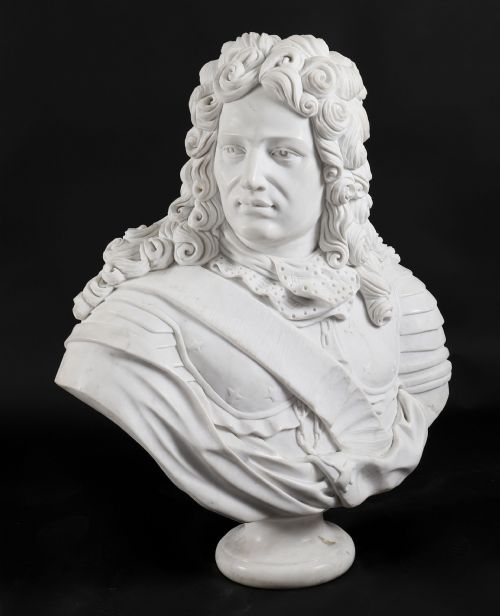
A vintage portrait bust marble captures classical presence in carved stone, offering an enduring focal point for an interior.
Vintage Portrait Bust Marble
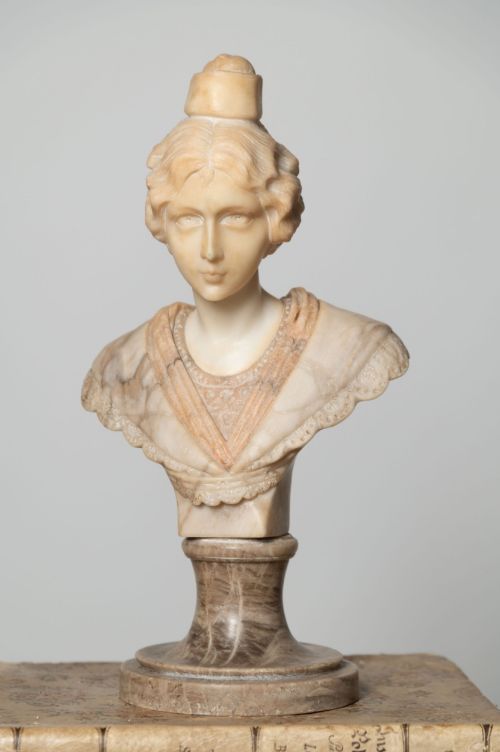
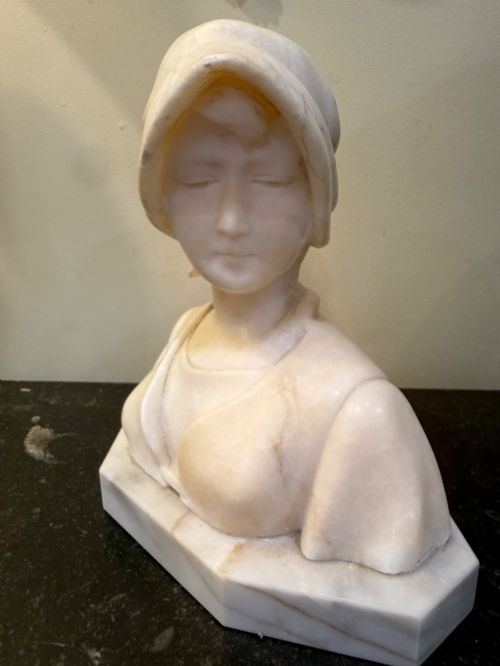
A vintage portrait bust marble presents carved likenesses of historical figures, nobility, and anonymous subjects originating from the nineteenth and early twentieth centuries. These pieces manifest across Neoclassical, Classical Revival, Art Nouveau, and Art Deco styles, reflecting changing aesthetic preferences through the decades.
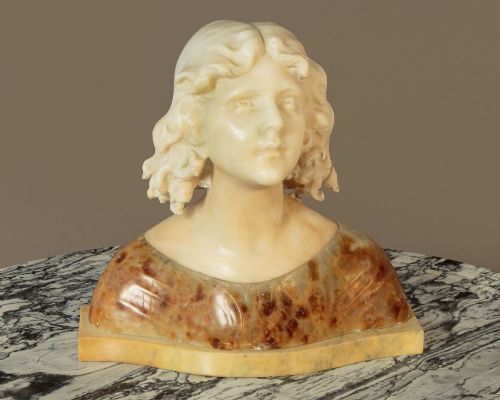
The selections available centre on Italian, French, and English works executed in marble, alabaster, and bronze combinations. Forms range from library busts of literary figures to life-sized depictions of young women and noblemen.
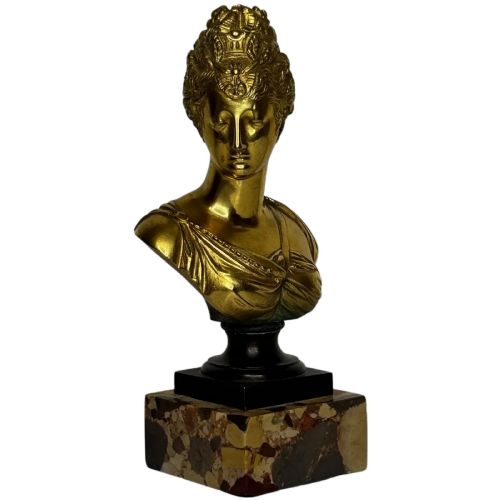
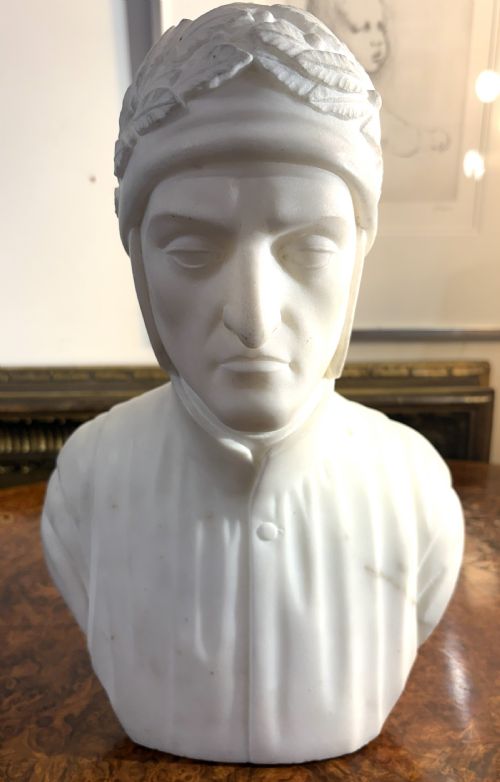
Buyers frequently encounter nineteenth-century interpretations alongside Edwardian and mid-century examples. Figures such as Dante Alighieri, William Shakespeare, and Diana de Poitiers appear frequently among historical representations.
Materials and carving techniques
Carvers utilised Carrara marble, white marble, and translucent alabaster, often mounting stone sculptures onto contrasting black marble or granite plinths. Bronze and gilt bronze elements occasionally complemented the stone work, particularly in mixed-media portraiture.
Sculptors shaped these materials through hand-chiselling, filing, and polishing to achieve detailed facial expressions, drapery folds, and hair textures. Signatures and foundry marks appear incised directly into the stone or metal surfaces.
Dante Alighieri makes multiple appearances on library desks, keeping a watchful stone eye over centuries of readers.
Distinctions in craftsmanship
Quality rests in the anatomical precision of the carving, particularly around the eyes, hands, and hair. Superior pieces display subtle gradation in the stone and realistic drape of fabric rather than stiff, uniform lines.
The selection of the raw material also dictates the standard of the piece. Fine-grained Carrara marble and flawless alabaster without natural inclusions command greater appreciation than heavily veined or compromised stone.
Georges-Charles Coudray·Mieczyslaw Leon Zawiejski
The Vintage Portrait Bust Marble Glossary
- Carrara marble
- A type of white or blue-grey marble quarried in the city of Carrara in Tuscany, prized for its use in classical sculpture.
- Alabaster
- A fine-grained, translucent stone softer than marble, frequently utilised for nineteenth-century portrait figures and decorative carvings.
- Library bust
- A smaller scale portrait sculpture traditionally intended for display on bookshelves or study desks.
- Plinth
- The heavy base or block upon which a bust or sculpture is mounted for stability and elevation.
- Neoclassical
- A Western cultural movement drawing inspiration from the art and culture of classical antiquity.
Vintage Portrait Bust Marble: Frequently Asked Questions
Where should I display a marble bust?
These pieces suit placement on sturdy pedestals, mantelpieces, or library bookcases where adequate lighting highlights the carved contours.
Ensure the supporting surface bears the considerable weight of solid stone safely.
How do I clean a marble sculpture?
Dust the surface regularly with a soft, dry cloth to prevent particulate accumulation within the carved crevices.
Avoid using chemical cleaning agents or excess water, which can damage softer stones like alabaster.
What distinguishes alabaster from marble?
Alabaster is significantly softer than marble and possesses a natural translucency that allows light to penetrate beneath the surface.
Marble offers greater hardness and durability with a more opaque, crystalline structure.
Are these busts signed by artists?
Certain pieces bear incised signatures or foundry marks along the rear truncation or base, identifying the sculptor or workshop.
Many period works remain unsigned, reflecting the commercial production of European art foundries.