
Vintage Portrait Art
Vintage portrait art captures historical likenesses across centuries through diverse mediums, offering buyers a tangible connection to past lives.
Vintage Portrait Art
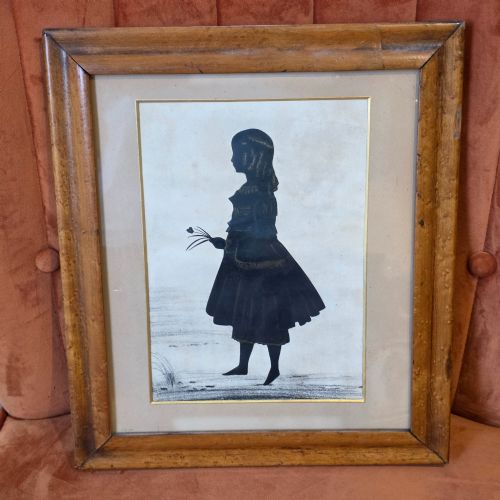
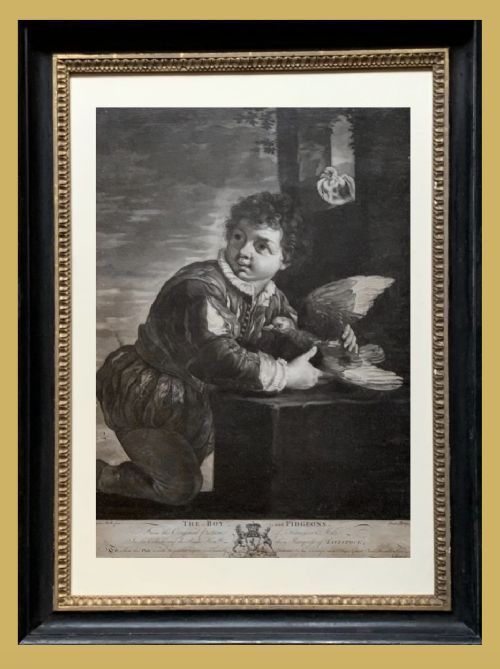
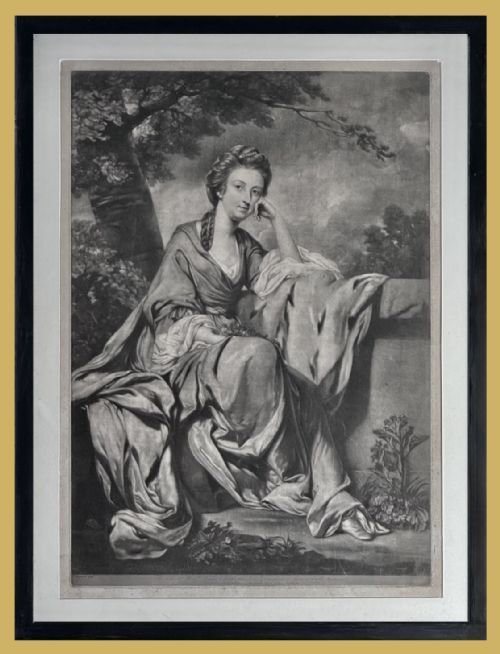
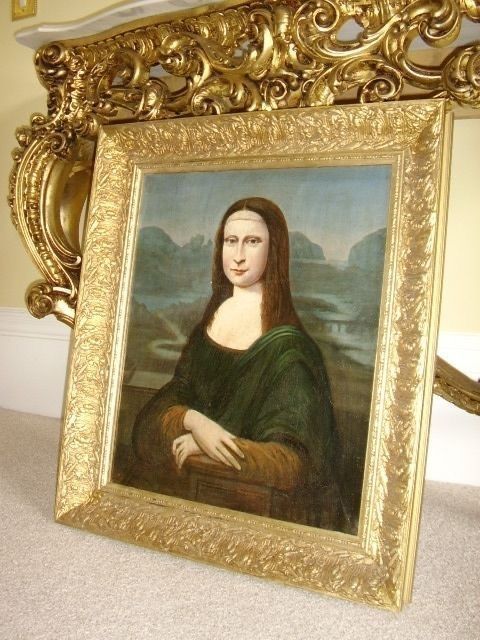
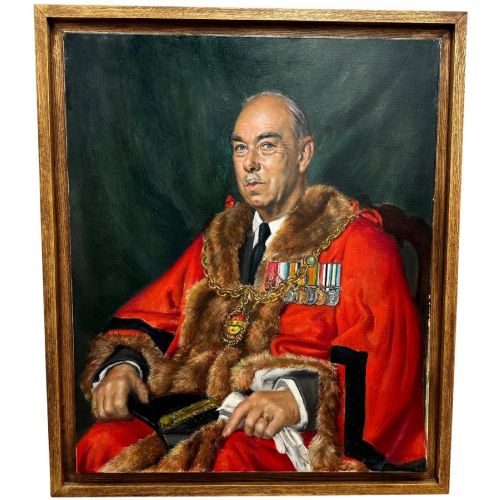
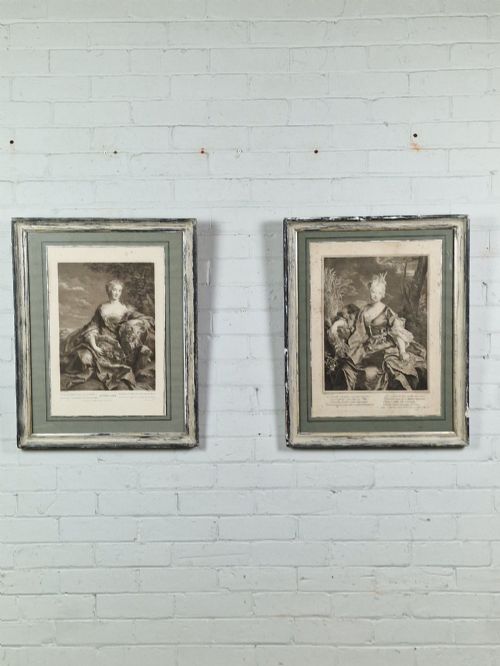
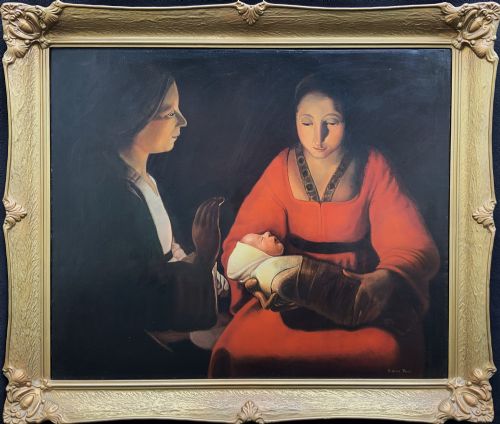
When you search for vintage portrait art, you encounter a wide spectrum of historical depictions ranging from formal oil paintings to intimate sketches and silhouettes. The pieces appearing here span multiple eras, including the eighteenth century, the Victorian period, and mid-twentieth century works.
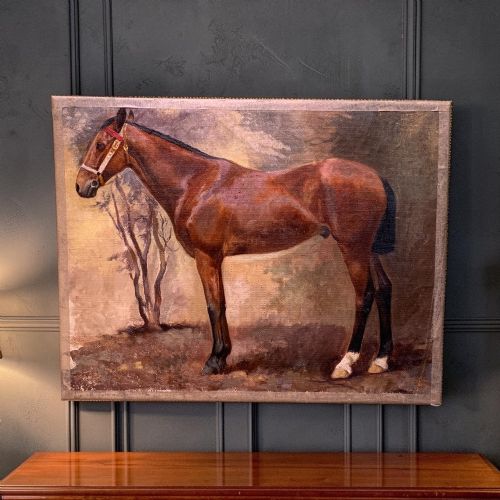
The subjects depicted vary widely, incorporating noble figures, everyday people, animals, and notable historical personalities. Common formats include framed oils on canvas, delicate watercolours, and detailed pastel drawings.
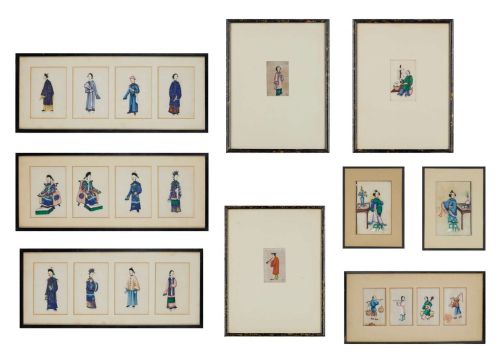
Buyers frequently find works created in various international traditions, from British school paintings to Chinese pith paintings and French portraiture. These diverse objects reflect the changing artistic standards and social customs of their respective periods.
Materials and techniques
Many works utilise oil paint applied to canvas, wood panels, or board, often finished with protective varnishes. Artists also worked with watercolours, ink, and chalk pastels on paper to achieve softer textures and finer lines.
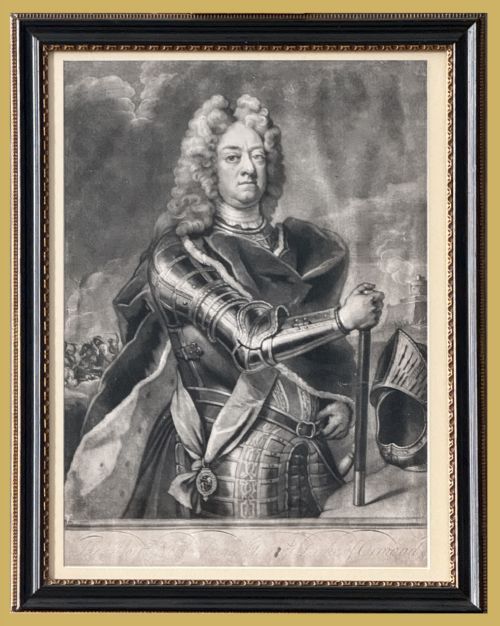
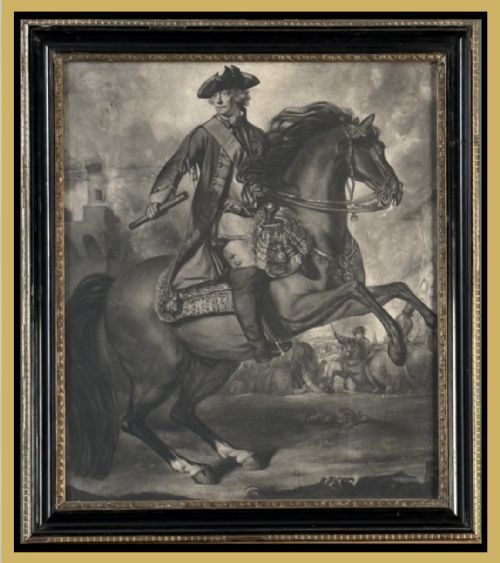
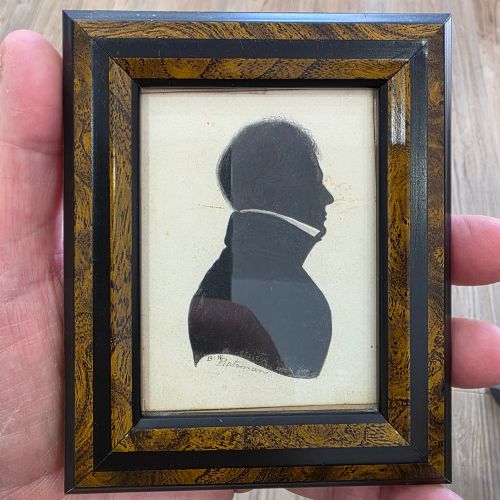
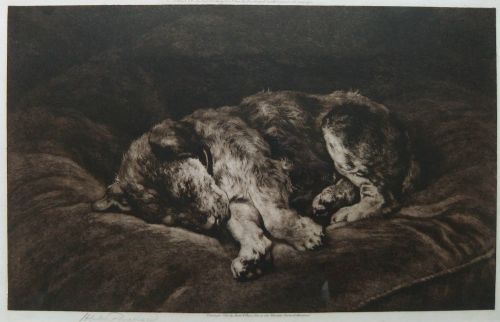
Specialised techniques such as mezzotint engraving required intricate metal plates scraped and burnished by hand to produce tonal graduation. Silhouette artists utilised cut paper combined with watercolour highlights to create crisp profiles.
Vintage Portrait Art Retail Price Guide 2026
Typical asking prices for vintage portrait art among the pieces listed under this phrase on Sellingantiques today, from the lower quarter to the upper quarter. They describe what is for sale here now, not the wider market.
Materials represented include oil paint, chalk pastel, watercolour, ink, and cut paper.
Factors determining quality
The skill of the hand dictates the success of a portrait, visible in the accurate rendering of facial anatomy and the expressive depth given to the sitter's eyes. Superior draughtsmanship and confident brushwork distinguish master works from routine commercial output.
Materials contribute significantly to a piece's longevity and finish, with heavy-weight canvases, stable wood panels, and genuine gold leaf frames elevating the overall execution. Condition also plays a part, as undisturbed original surfaces and legible signatures enhance historical value.
John Simon·Michael Dahl·Edward Fisher·Sir Joshua Reynolds·John Boydell·Pier Francesco Mola·Leonardo Da Vinci·Jozsef Molnar·Bernard Hailstone·Georges de La Tour·Herbert Dicksee·John Smith·J Sommer·John Hayls·Emily Eyres·Dumini Leopoldo·Cornelis Van Der Voort·James Watson·John Bowles·Sir Peter Lely·Samuel Cooper·John Hassall·Reginald Arthur Borstel·Horace Hone·Herskind
The Vintage Portrait Art Glossary
- Mezzotint
- A printmaking process where the copper plate is roughened to achieve rich dark tones and subtle gradations of light. This technique allowed printmakers to reproduce oil paintings with remarkable fidelity.
- Silhouette
- A portrait represented as a solid shape of a single colour, usually black, outlined and filled in or cut from paper. These profiles gained immense popularity during the eighteenth and nineteenth centuries.
- Pith painting
- Artwork created on thin, delicate slices of plant pith native to southern China, often depicting figures or local customs. These items were widely produced for Western export during the nineteenth century.
- Enamel portrait
- A miniature painting fired onto a metal base such as copper or gold to fuse the pigments permanently. This method ensured the colours remained vibrant and resistant to fading over time.
- Naive school
- Art produced by self-taught painters who lacked formal academic training, characterised by a charming disregard for conventional perspective. These works rely on direct observation and unpretentious composition.
Vintage Portrait Art: Frequently Asked Questions
What is vintage portrait art?
Vintage portrait art encompasses historical depictions of people and animals created across various centuries using media like oil, pastel, and print.
These works record the likenesses of named individuals and anonymous sitters alike, reflecting the aesthetic preferences of their originating eras.
How do I date a portrait?
Dating relies heavily on the sitter's costume, hairstyle, and the framing style typical of specific historical periods.
Signatures, inscriptions on the reverse, and the type of canvas or paper substrate also provide reliable chronological clues.
How should I display these artworks?
Portrait art benefits from placement away from direct sunlight to prevent fading of sensitive pigments like watercolours and pastels.
Using period-appropriate frames helps preserve the historical context and visual balance of the piece.