





Vintage Portable Clock
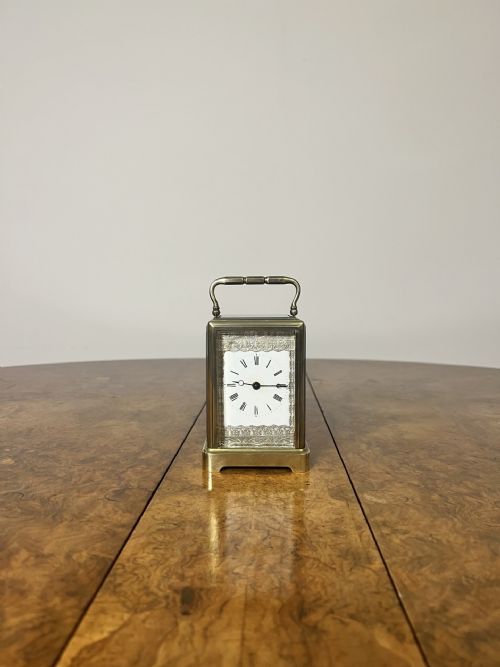
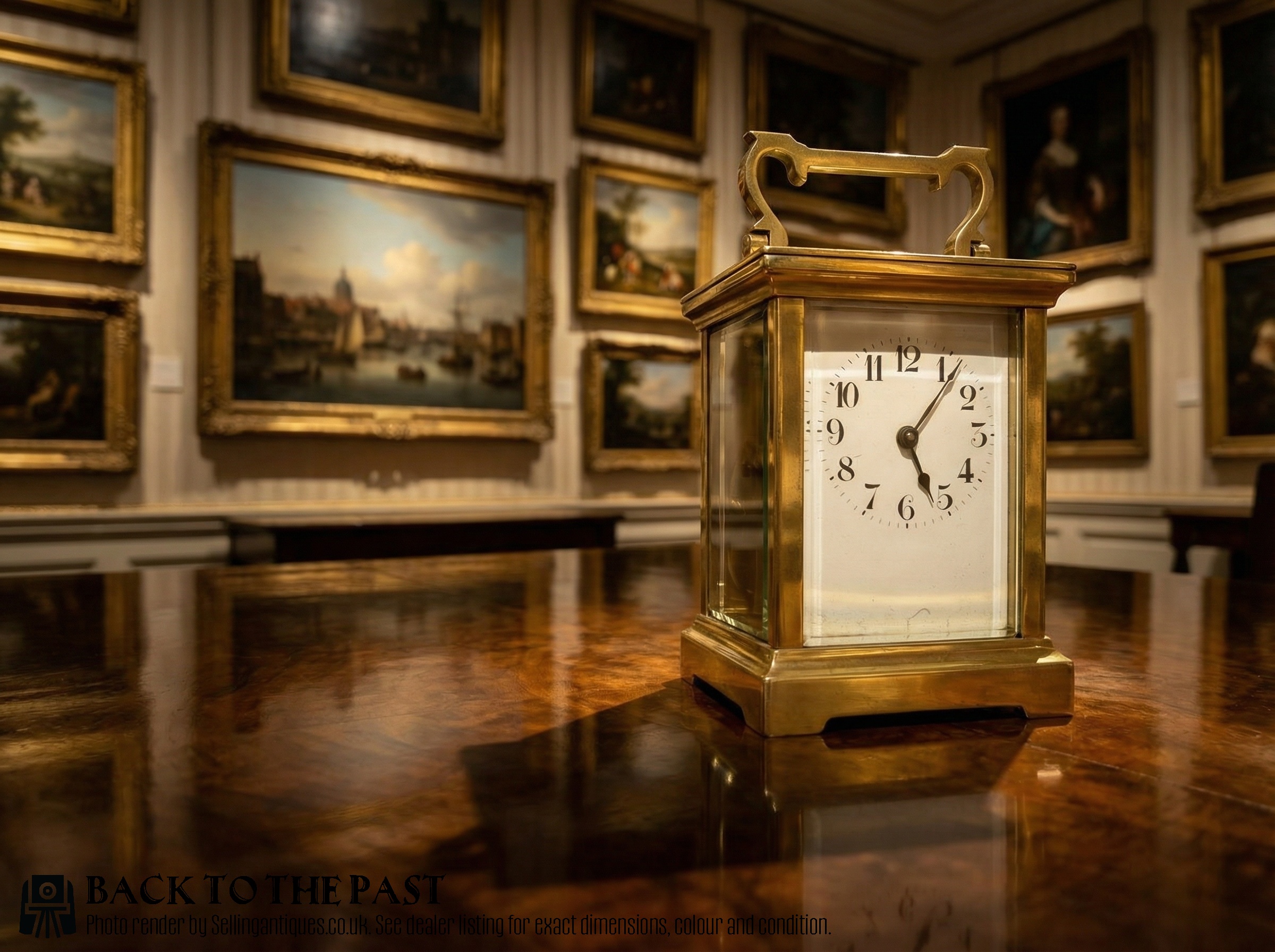
These vintage portable clock pieces are robust travelling timepieces engineered for movement, prized for their heavy brass cases and bevelled glass panels.
Defining vintage portable clock forms
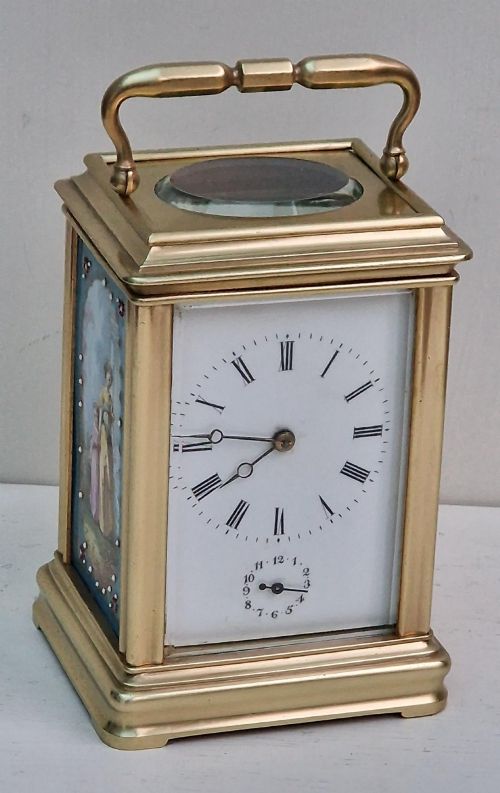
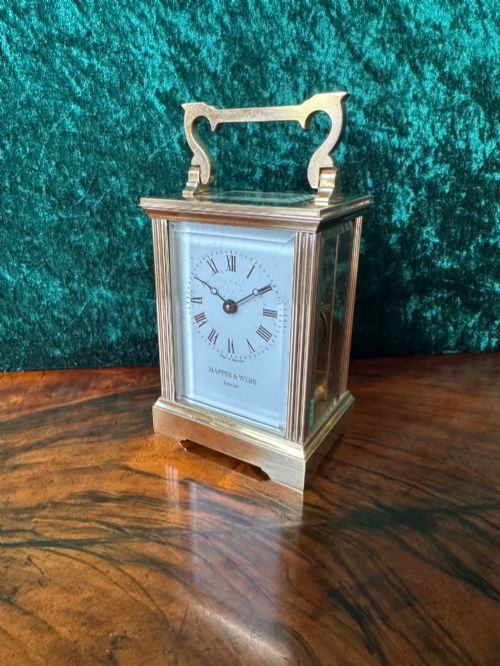
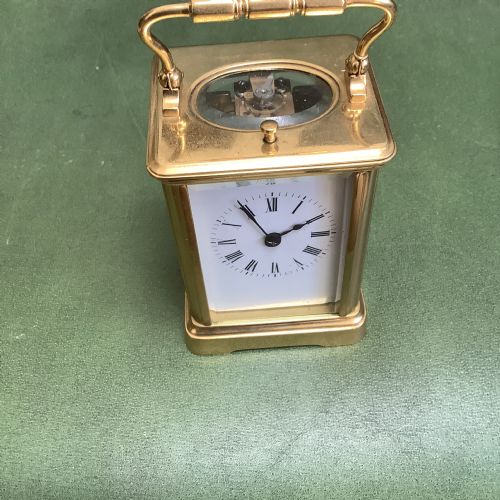
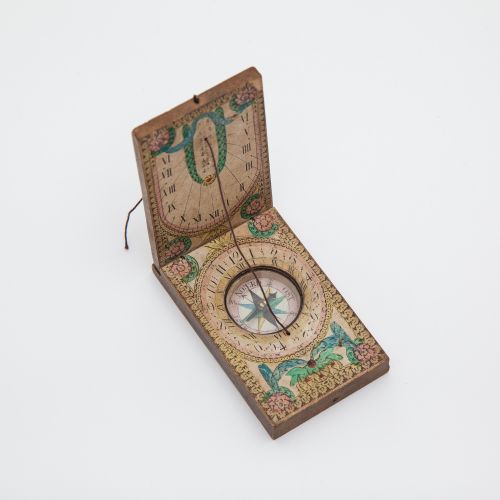
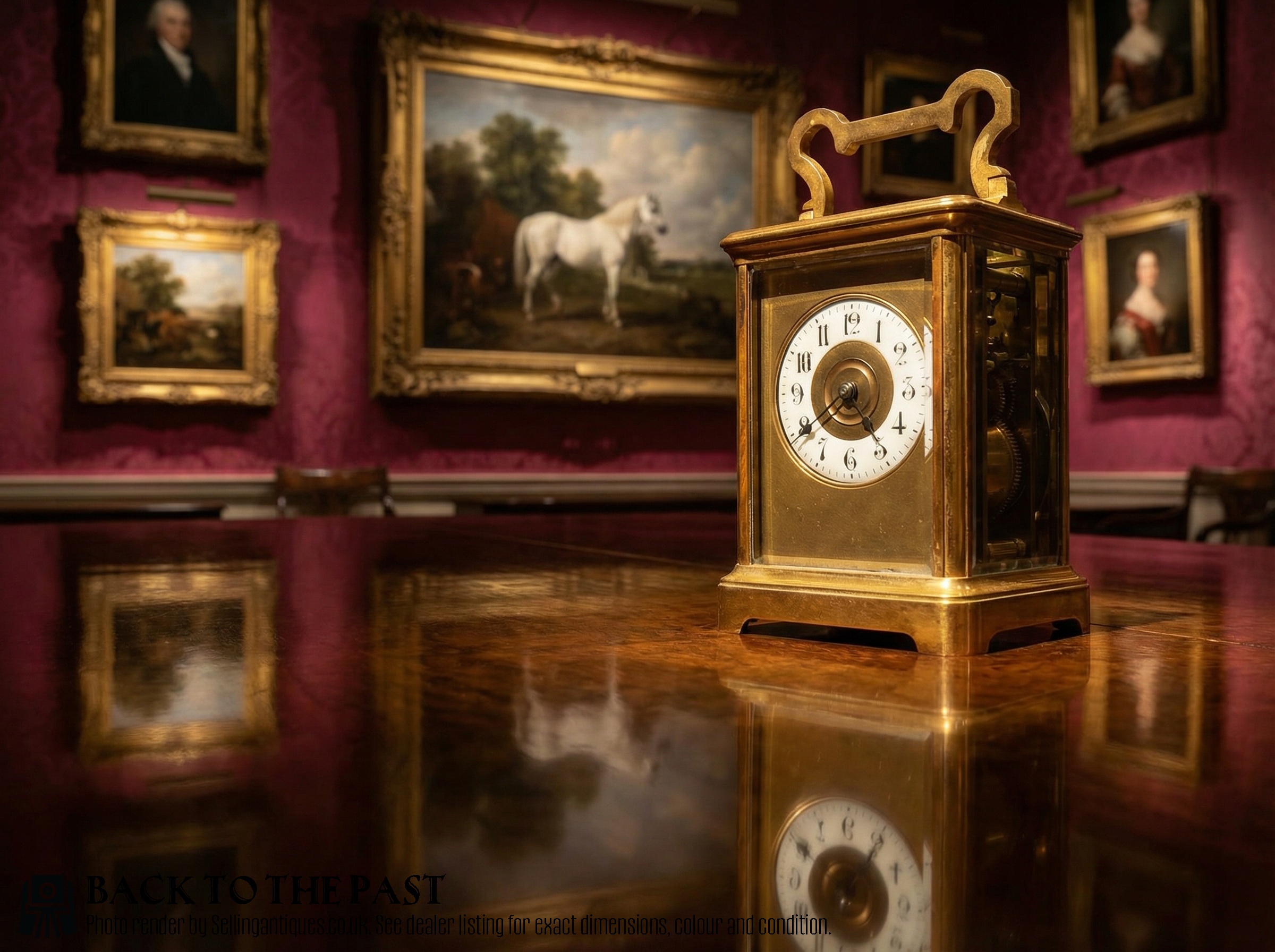
A vintage portable clock typically takes the form of a carriage clock, designed for mobility during the nineteenth and early twentieth centuries. These compact timepieces range from miniature travel models housed in leather cases to large striking pieces suited for desks or carriages.
The selections span distinct periods including Victorian and Edwardian eras, with many examples originating from French workshops. Buyers encounter brass frames, gilt finishes, and intricate dial masks across these diverse iterations.
Materials and construction
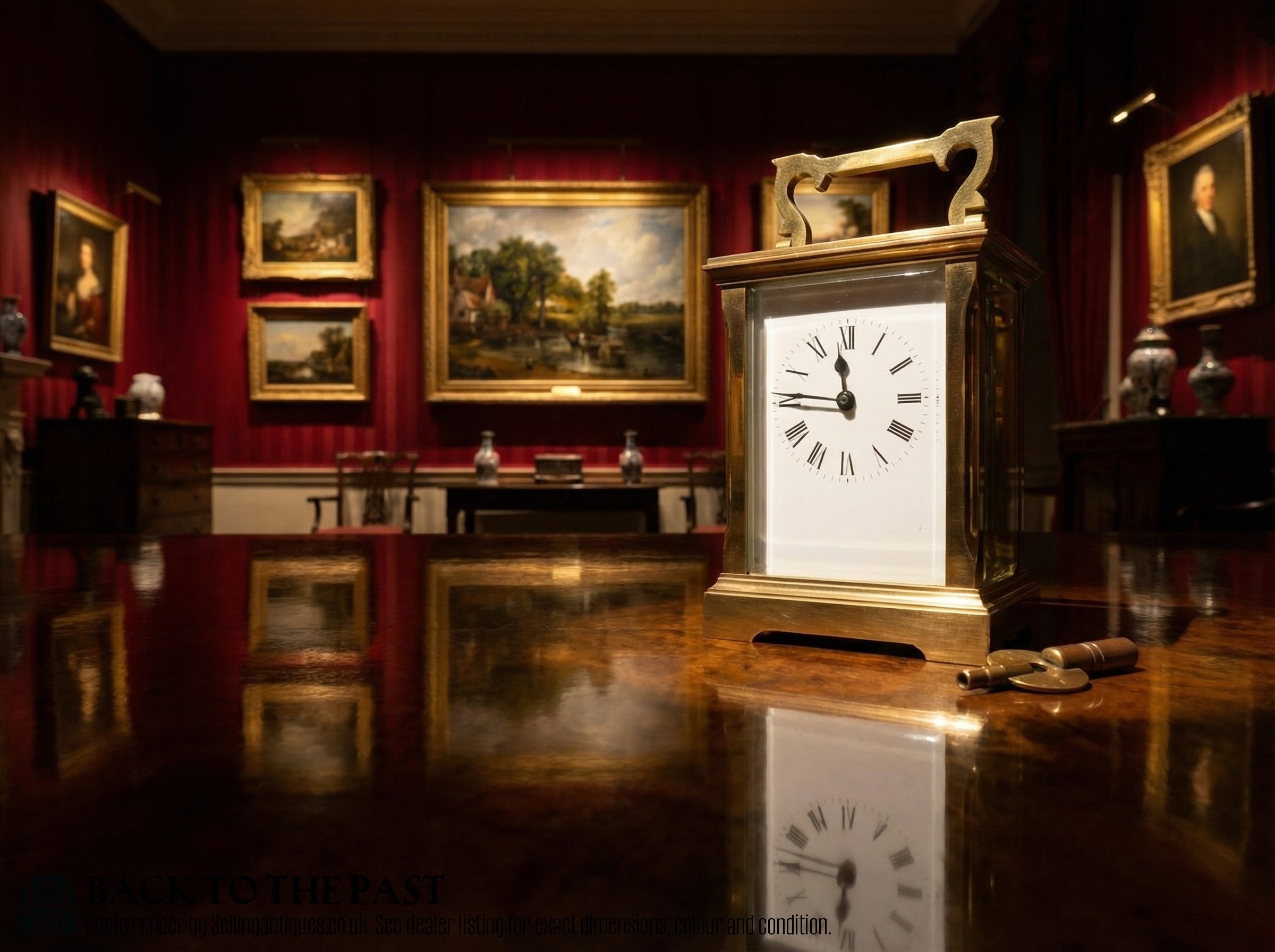
Makers construct these timepieces using heavy brass and gilt brass frameworks to protect the delicate internal mechanism during transit. Transparent glass and enamel feature prominently, allowing views of the escapement while protecting the dial.
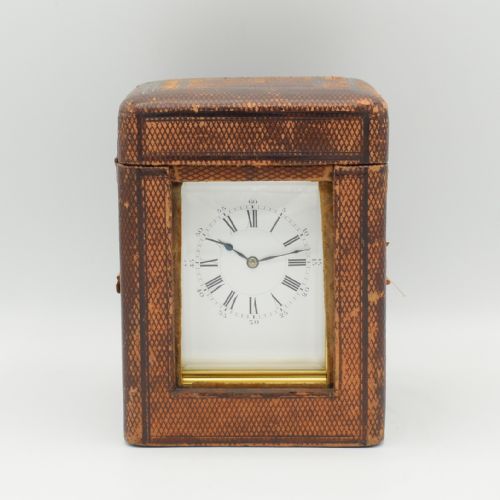
Outer protection often includes fitted leather cases designed to absorb the knocks of travel. Metalwork incorporates decorative elements such as filigree masks and side panels.
Retail Price Guide 2026
Typical UK retail prices for vintage portable clock, calculated from the Sellingantiques database of over a million retail prices indexed since 2003. This retail price guide relies exclusively on Sellingantiques data; no external sources or auction records are used, so the figures do not describe the wider market.
Distinctions in quality
Superior quality manifests in the weight of the gilt brass casting and the clarity of the bevelled glass panels. Movement complexity, such as eight-day striking capabilities, distinguishes standard travel pieces from finer examples.
The presence of an original leather travelling case and signed movement plates elevates a piece above unsigned or later altered specimens.
Henri Jacot Paris·Latshea & Sons Edinburgh
The Vintage Portable Clock Glossary
- Carriage clock
- A portable spring-driven timepiece designed for travellers during the eighteenth and nineteenth centuries. These clocks feature a rectangular brass case with glass panels and a handle on top.
- Escapement
- The mechanism within a clock that controls the wheel train and delivers impulses to the balance wheel. Visible escapements are a notable feature on many better carriage clocks.
- Gilt brass
- Brass that has been treated with a thin layer of gold or gold-coloured wash to enhance appearance and prevent tarnish. This finish appears frequently on nineteenth-century French models.
- Filigree
- Delicate ornamental work consisting of fine wire twisted into patterns. It appears on the dial masks and side panels of select Edwardian pieces.
Frequently Asked Questions
What is a vintage portable clock?
A vintage portable clock is a mechanical timepiece built for travel, typically featuring a brass frame and glass windows. These objects were manufactured primarily during the nineteenth and early twentieth centuries.
Most examples operate via a spring-driven movement rather than weights, allowing them to function reliably while displaced from a wall or mantelpiece.
How do I date these clocks?
Dating relies on stylistic clues, case construction, and any maker signatures inscribed on the movement backplate or dial. Victorian and Edwardian examples often display distinct decorative motifs.
Materials such as heavy gilt brass and specific enamel dial layouts help narrow the period of production down to decades like the 1880s or 1900s.
Were all carriage clocks made in France?
While a significant proportion of nineteenth-century portable clocks originated in French workshops, makers in other regions also produced them. Swiss manufacturers created miniature versions for specific export markets.
Retailers in Britain often imported these French movements and housed them or retailed them alongside domestic inventory.
How do I travel with one?
Moving a mechanical carriage clock requires securing the internal pendulum or balance wheel if a transit lock is present. Many period examples include fitted leather cases designed specifically for safe transport.
Keeping the clock upright and avoiding sudden jolts preserves the alignment of the delicate gear train during relocation.