




Vintage Porcelain Plates
Vintage porcelain plates bring rich hand-painted detail and history to a room, ranging from delicate cabinet pieces to robust Imari chargers.
Vintage Porcelain Plates
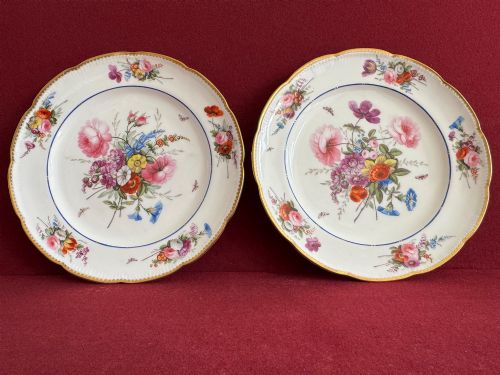
When searching for vintage porcelain plates, buyers encounter a diverse selection spanning the eighteenth, nineteenth, and early twentieth centuries. These objects include decorative cabinet plates, serving dishes, and large chargers intended primarily for display rather than daily dining.
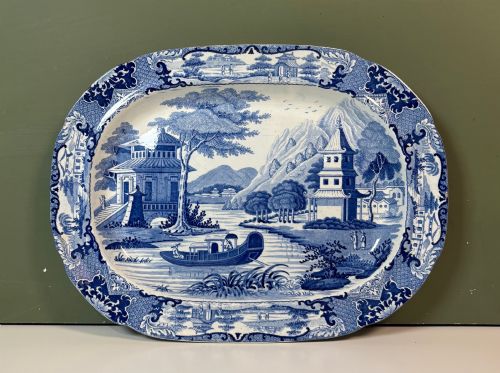
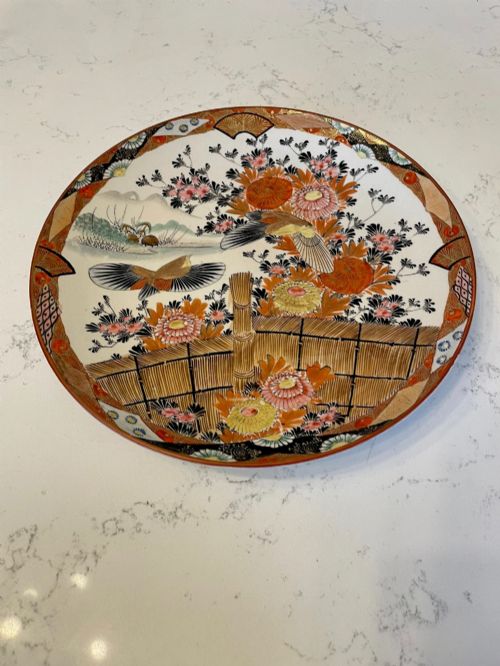
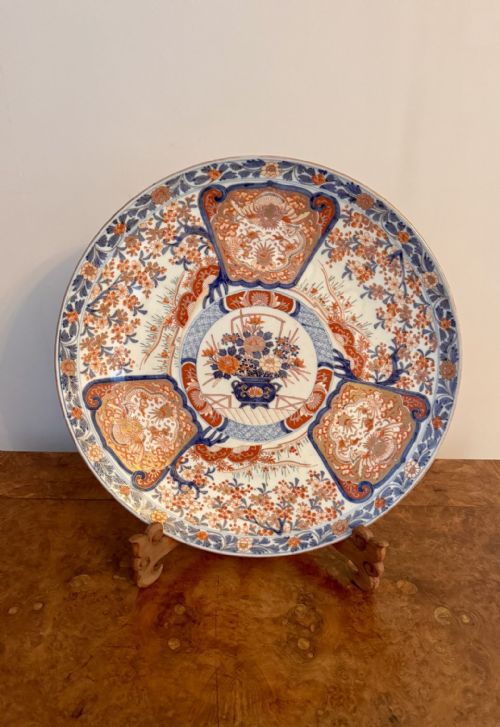
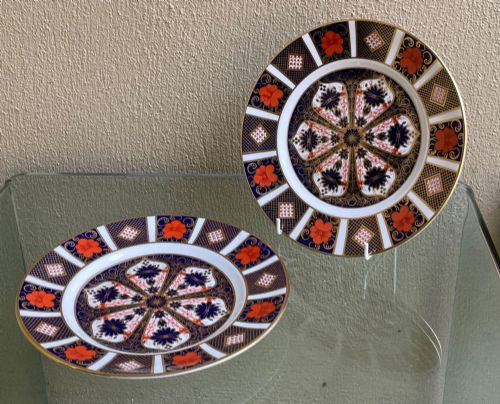
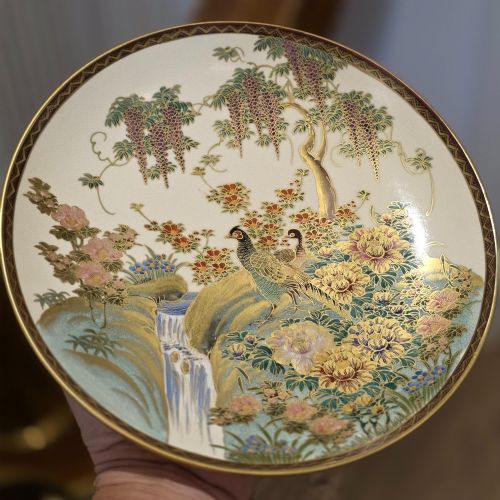
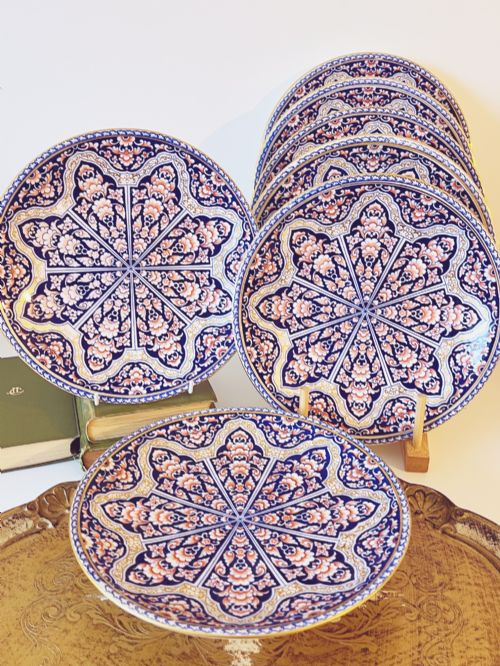
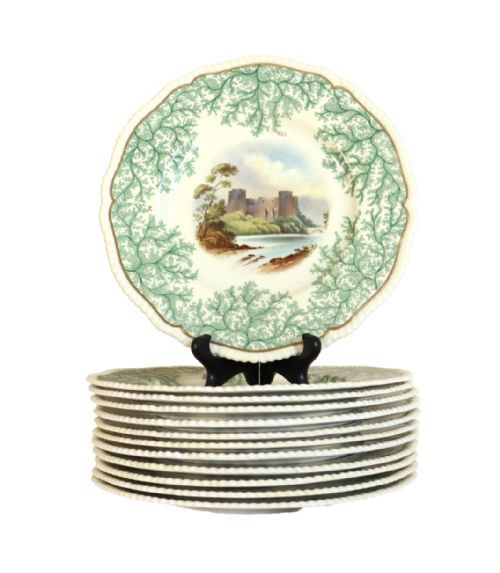
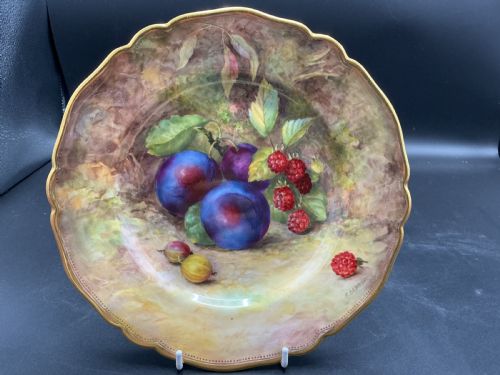
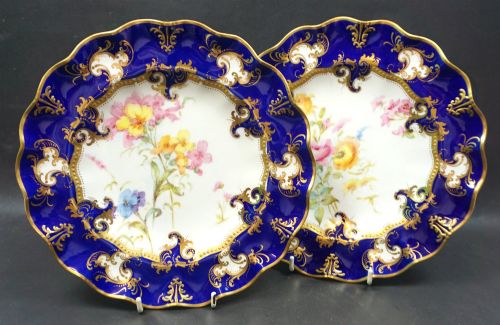
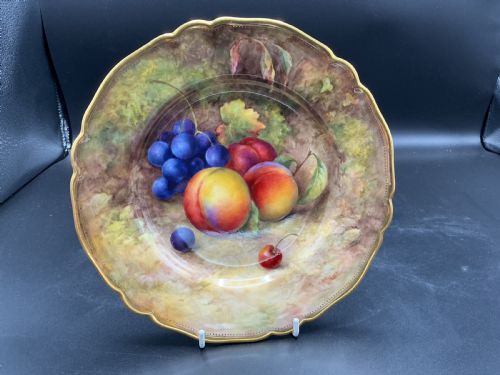
The selection on this page draws heavily from English factories like Royal Worcester and Royal Crown Derby, alongside Japanese Imari and Satsuma imports from the Meiji period. Pieces range from floral nineteenth-century earthenware and bone china to striking hand-painted fruit studies and blue and white chargers.
How they were made
Potters shaped fine porcelain, bone china, and ceramic bodies before applying detailed enamel pigments and rich gilding or gold leaf. Many works incorporate hand-painted scenes, signed botanical or fruit studies, and transfer-printed borders.
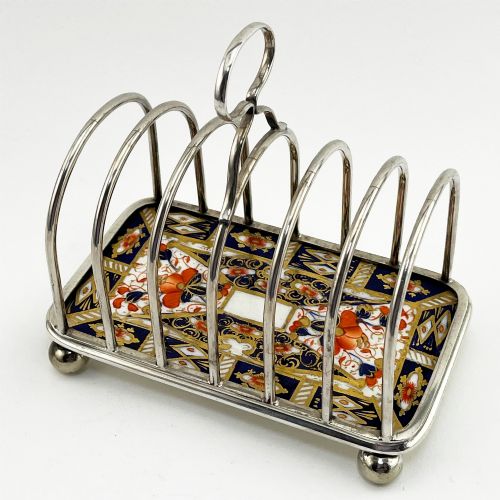
Firing techniques varied from traditional kiln processes in European factories to specialised Japanese methods seen on Meiji period Imari and Satsuma wares. Silver plate and enamel additions occasionally supplement the ceramic bodies on specific serving items.
Vintage Porcelain Plates Retail Price Guide 2026
Typical asking prices for vintage porcelain plates among the pieces listed under this phrase on Sellingantiques today, from the lower quarter to the upper quarter. They describe what is for sale here now, not the wider market.
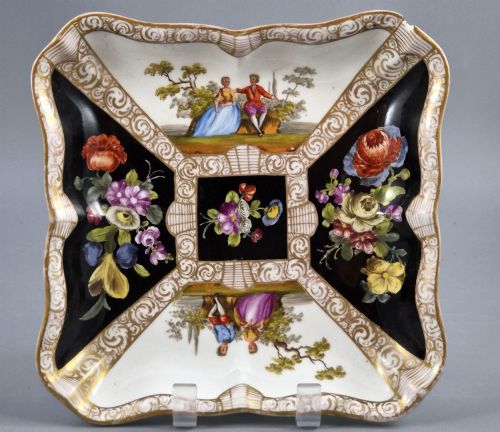
The inventory highlights specialised forms like biscuit barrels, shallow bowls, walking sword sticks, and square dessert dishes alongside standard plates.
What varies in quality
Quality rests upon the skill of the painter, evident in signed works by artists like Richard Sebright or Albert Shuck compared to standard factory production. Crisp detail in hand-painted motifs and precise application of gold leaf separate superior cabinet plates from ordinary tableware.
The weight and purity of the porcelain body, along with the complexity of styles such as Rococo Revival moulding or Japanese Imari patterns, dictate the tier of the piece. Provenance and association with notable makers or family collections further elevate certain examples.
Royal Worcester·Royal Crown Derby·Spode·Meissen·Sevres·Nantgarw·Davenport·New Hall·Royal Doulton·Hicks and Meigh
The Vintage Porcelain Plates Glossary
- Cabinet plate
- A decorative plate intended for display in a cabinet or on a wall rather than for practical table use. These often feature elaborate hand-painted scenes and heavy gilding.
- Imari
- A style of Japanese porcelain featuring a distinct palette of underglaze blue, iron red, and gold. This aesthetic heavily influenced European potteries during the nineteenth century.
- Bone china
- A type of soft-paste porcelain containing bone ash, known for high whiteness and translucency. English factories frequently utilised this material for fine service plates.
- Charger
- A large decorative plate or dish used primarily as a base for other courses or displayed centrally on a sideboard. Eighteenth and nineteenth-century examples often display deep wells and bold patterns.
- Gilding
- The application of gold leaf or gold paint to ceramic surfaces to highlight rims, handles, and borders. The thickness and hand-burnishing of the gold indicate the work level.
Vintage Porcelain Plates: Frequently Asked Questions
How do I display vintage porcelain plates safely?
Cabinet plates with hand-painted enamel and gold leaf benefit from secure wall hangers with protective prongs or dedicated display stands inside enclosed cabinets. This keeps them safe from accidental knocks while allowing clear visibility of the artwork.
Avoid placing delicate ceramic pieces in direct sunlight to prevent fading on painted fruit and floral scenes. Stable indoor humidity also protects the glaze and any subtle silver plate or gilt details over time.
Are these plates suitable for daily dining?
Most antique and vintage porcelain plates, particularly hand-painted cabinet pieces and delicate bone china, function best as decorative items rather than everyday tableware. Older glazes and delicate gold leaf can wear down under heavy modern cutlery use and frequent dishwasher cycles.
For practical dining, sturdier nineteenth-century earthenware or plain service plates are occasionally utilised, but valuable decorative chargers remain strictly for display. Hand washing in lukewarm water with mild soap preserves the antique surface.
How do I tell Japanese Imari from European copies?
Japanese Imari pieces from the Meiji period typically display characteristic iron red, cobalt blue, and gold pigments over a slightly heavier porcelain body with specific potting traits. The brushwork carries a distinct fluidity that sets it apart from later European factory interpretations.
Examining the foot ring and the underside of the dish often reveals clues about firing spurs and regional kiln marks. Comparing pieces side by side highlights the subtle tonal differences in the blue underglaze.
What does signed cabinet plate mean?
A signed cabinet plate bears the personal signature or monogram of the artist who painted the central motif, such as Richard Sebright or Albert Shuck at Royal Worcester. This indicates an individual work of art rather than a standard factory transfer print.
Signed pieces generally command greater interest from collectors due to the documented skill of the named porcelain painter. These signatures usually appear discreetly near the edge of the painted scene.