

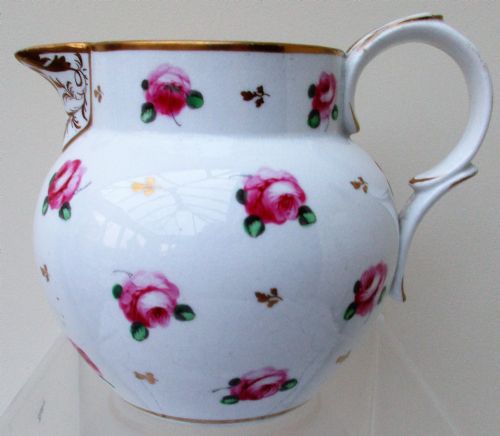


Vintage Porcelain Milk Pitcher
These vintage porcelain milk pitcher pieces combine practical pouring utility with handpainted artistry, offering a glimpse into centuries of ceramic design.
Vintage Porcelain Milk Pitcher
A vintage porcelain milk pitcher provides a functional vessel for table service while displaying historic ceramic artistry. When exploring this selection, buyers encounter cream jugs, decorative ewers, and handled pitchers spanning multiple eras.
Collectors will find works originating from renowned potteries alongside unmarked traditional English pieces. Each vessel reflects the domestic customs of its period, whether utilised for daily dining or kept as a cabinet display item.
Materials and methods
Makers shaped these milk pitchers primarily from porcelain and ironstone, forming durable bodies suited to both utility and decoration. Artisans applied smooth enamel glazes to seal the surfaces before adding detailed handpainted motifs.
Decoration often involved intricate handpainted birds, insects, armorial crests, and botanical fruit scenes executed by skilled hands. Gilding, gold leaf, and gold gilt accents were frequently added to rims and handles to catch the light.
Vintage Porcelain Milk Pitcher Retail Price Guide 2026
Typical asking prices for vintage porcelain milk pitcher among the pieces listed under this phrase on Sellingantiques today, from the lower quarter to the upper quarter. They describe what is for sale here now, not the wider market.
The listings span from Georgian and eighteenth-century examples to mid-century Royal Worcester productions.
Judging the quality
Quality rests significantly upon the fineness of the porcelain body and the precision of the handpainted details. Pieces featuring signed artist work or crisp armorial crests represent a higher tier of craftsmanship than standard utilitarian wares.
The application of gold leaf and enamel glaze indicates the original cost and intended market of the object. Well-preserved gilding and vibrant, stable enamel work distinguish superior examples from simpler production pieces.
Masons·Chamberlain Worcester·Royal Worcester·New Hall Porcelain·Meissen·Crown Derby·Liverpool Herculaneum
The Vintage Porcelain Milk Pitcher Glossary
- Hydra jug
- A specific pitcher form featuring a serpent-handled design popular in early ceramic production. This shape nods to classical antiquity while serving modern table functions.
- Armorial crest
- A painted heraldic symbol denoting the family or institution that commissioned the ceramic service. These personalized details elevate the historical significance of the piece.
- Clip handle
- A distinct handle attachment style seen on eighteenth-century vessels. It provides a secure grip while maintaining the elegant lines of the body.
- Ironstone
- A heavy-duty ceramic material developed to resist chipping during daily use. It offers a robust alternative to finer translucent porcelain bodies.
- Enamel glaze
- A vitreous coating fused to the ceramic surface during firing. This layer provides a glossy finish and protects the underlying painted decoration.
Vintage Porcelain Milk Pitcher: Frequently Asked Questions
How do I date an antique porcelain milk pitcher?
Dating relies upon examining the paste body, glaze characteristics, and any factory marks stamped or painted on the base. Stylistic cues such as handle shape and decorative motifs also help narrow down the period of manufacture.
Comparing pieces to documented examples from known factories provides further clarity. Examining the wear patterns on the base can confirm the age of the item.
Were these pitchers used for daily dining?
Many of these vessels served practical roles on tea and breakfast tables for pouring cream or milk. Their durable porcelain and ironstone construction made them suitable for regular household service.
More ornate or armorial examples may have been reserved for formal gatherings. Today, collectors often use them for similar tabletop purposes or display them as decorative art.
What is the difference between porcelain and ironstone?
Porcelain is a fine, translucent ceramic fired at high temperatures to achieve a vitrified body. Ironstone is a dense, opaque earthenware developed to be heavier and more durable for everyday use.
Both materials accepted enamel glazes and gilding equally well. Handled pitchers appear in both mediums depending on the intended market of the pottery.
How should I care for a painted porcelain pitcher?
Hand washing in lukewarm water with mild soap preserves the delicate enamel paints and gold leaf accents. Avoid abrasive sponges or harsh detergents that can wear away historic surface decorations.
Displaying the vessel away from direct sunlight prevents the painted fruit and insect scenes from fading over time. Careful handling ensures the handle and spout remain undamaged.