



Vintage Porcelain Candlesticks
These vintage porcelain candlesticks bring sculptural elegance and hand-painted charm to a room, offering both practical lighting and decorative presence.
Vintage Porcelain Candlesticks
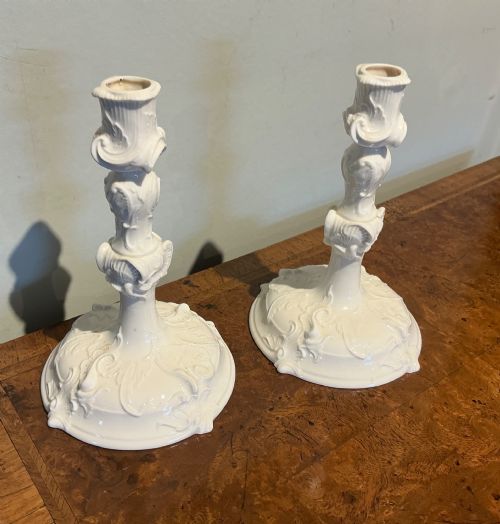
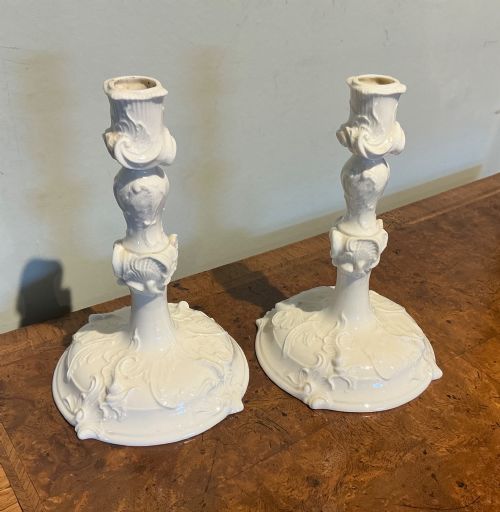
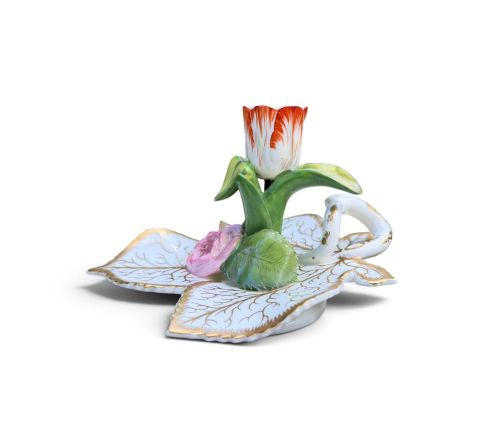
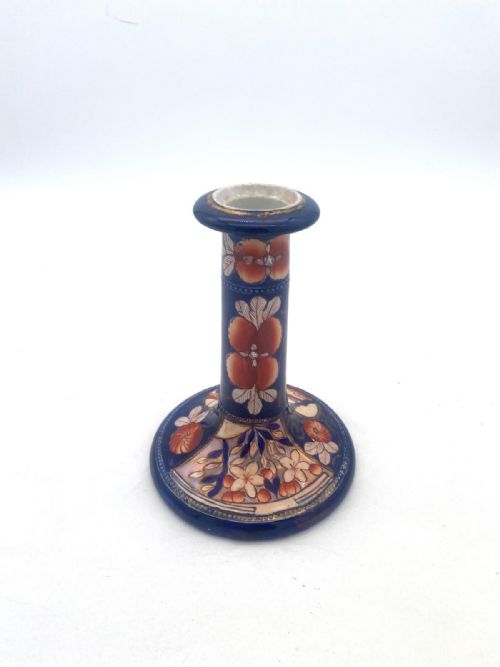
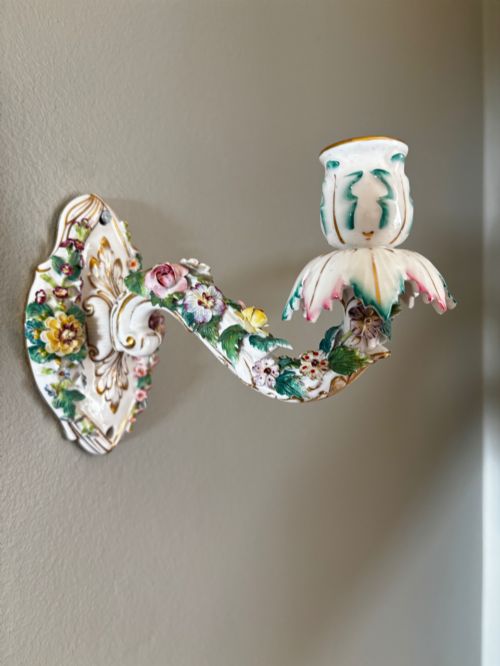
When you search for vintage porcelain candlesticks, you are looking at domestic lighting accessories and decorative table ornaments produced across the eighteenth, nineteenth, and early twentieth centuries. These pieces encompass chambersticks, candelabra, wall sconces, and table lamps alongside traditional single and paired candle holders.
The selections available range from early Georgian and eighteenth-century English works to elaborate Victorian and Edwardian Continental figures. Makers from Nymphenburg, Meissen, Sitzendorf, and Bow dominate the varied forms, featuring distinct regional styles such as Rococo revival and Neoclassical revival.
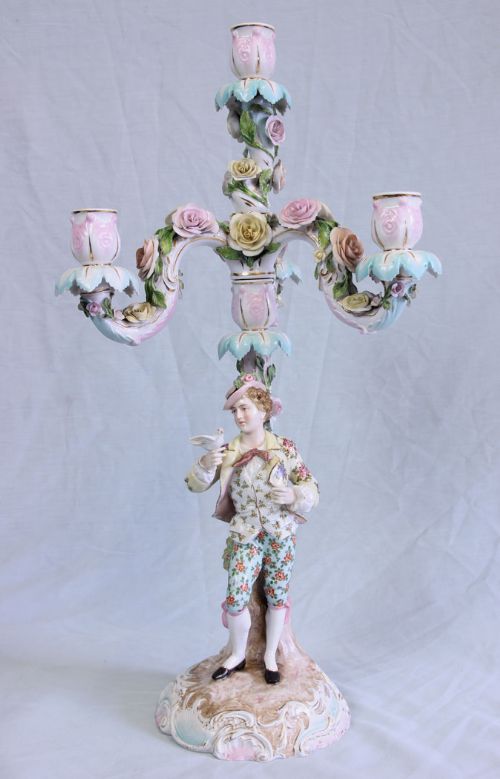
Buyers are most likely to encounter pairs of figural or floral-encrusted pieces dating from the nineteenth and early twentieth centuries. These items often combine porcelain bodies with gilt, brass, or enamel details, reflecting the interior tastes of their respective periods.
How they were made
Makers utilised fired ceramic pastes, building forms by hand or pressing clay into moulds to create intricate figural groups, columns, and bocage backgrounds. Enamel colours and underglaze paints were applied by hand before a final glaze was fired to seal the surface.
Many examples incorporate applied gold leaf or fire gilding on raised porcelain details, brass mounts, or cast metal bases to accent the contours. Ironstone and blanc de chine bodies provided alternative ceramic textures, sometimes paired with structural brass components for stability.
Gardeners with baskets and hunting foxes populate these ceramic candle holders, bringing woodland narratives straight to the mantelpiece.
What varies in quality
The integration of metal mounts, such as brass collars and weighted bases, dictates the physical balance and structural integrity of tall candelabra and candlesticks. Preservation of the original gilding and enamel vibrancy further establishes the tier of a piece.
Nymphenburg·Meissen·Masons Ironstone·Sitzendorf·Bow·Royal Bayreuth·Porcelain de Paris
The Vintage Porcelain Candlesticks Glossary
- Bocage
- An openwork background of applied leaves and flowers common on eighteenth-century porcelain figures. This foliage frames the figures and provides a naturalistic setting for candle sockets.
- Chamberstick
- A low candlestick fitted with a handle and a wide drip pan. These were designed for carrying safely through a house at night.
- Blanc de Chine
- A white porcelain produced in China and later imitated in Europe. The term refers to wares with a glossy white glaze over a fine white body.
- Candelabra
- A branched candlestick holding multiple lights. They often feature central figural columns surrounded by scrolling arms.
- Ironstone
- A heavy, durable type of earthenware patented in the nineteenth century. It combines the strength of stoneware with the smooth finish of porcelain.
Vintage Porcelain Candlesticks: Frequently Asked Questions
How do I date an antique porcelain candlestick?
Dating relies on stylistic markers such as Rococo revival curves or Neoclassical columns, alongside any factory marks pressed or painted on the underside. Material composition and manufacturing techniques also provide clues to the period of origin.
Examining the wear on the base and the method of glaze application helps confirm whether a piece dates to the eighteenth, nineteenth, or early twentieth century.
How should I clean antique porcelain candlesticks?
Dusting gently with a soft, dry brush prevents the accumulation of dirt in intricate moulded details like bocage leaves and figural hair. Avoid harsh chemical cleaners that can damage painted enamels and delicate gilding.
If washing is necessary, use lukewarm water and mild soap, ensuring the piece is dried completely before use.
Can I still use these candlesticks with real candles?
Many collectors use slender tapers in antique candlesticks, provided the socket diameter matches the candle size. Take care to extinguish candles before the flame reaches the porcelain to prevent thermal shock or wax staining.
For fragile figural or floral pieces, display without burning candles to preserve the delicate ceramic work.