
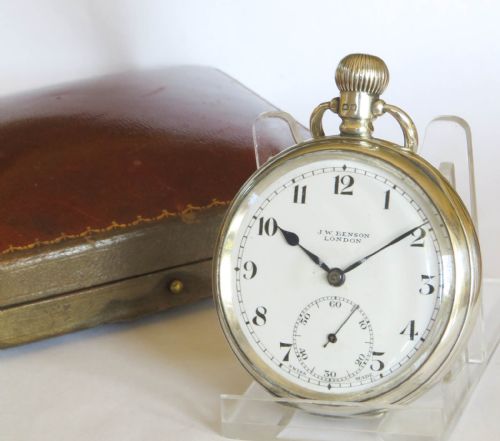
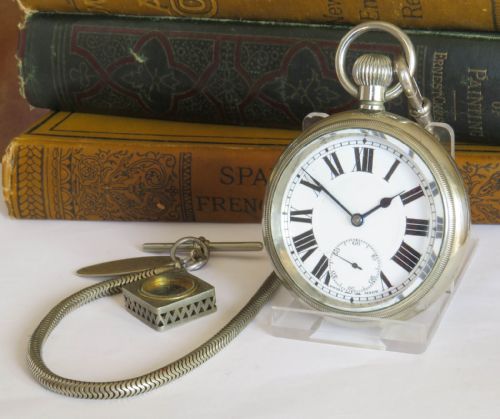
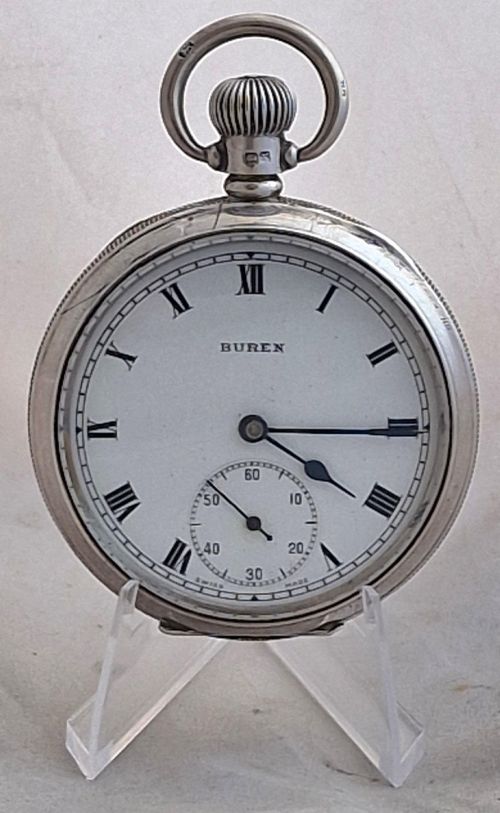
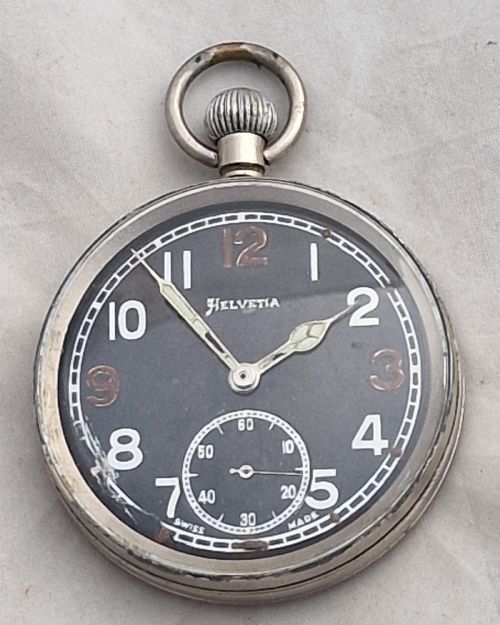

Vintage Pocket Watch Silver
These vintage pocket watch silver pieces offer traditional mechanical timekeeping housed in precious metal cases.
Understanding the Pieces
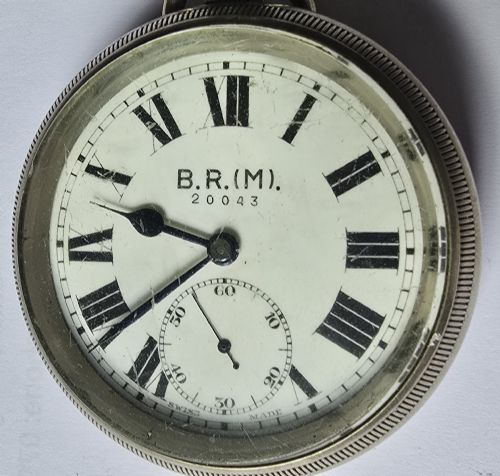
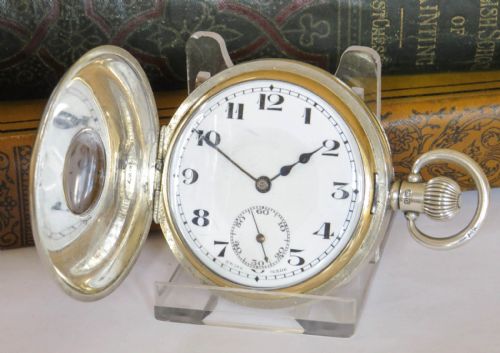
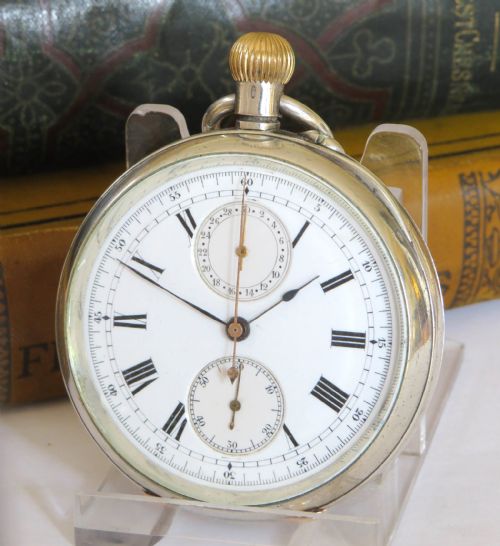
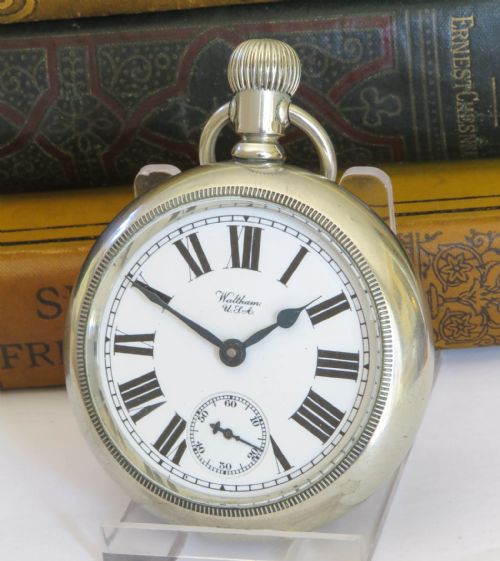
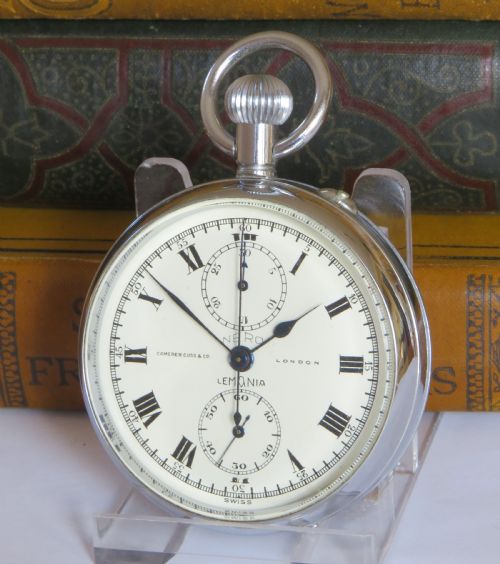
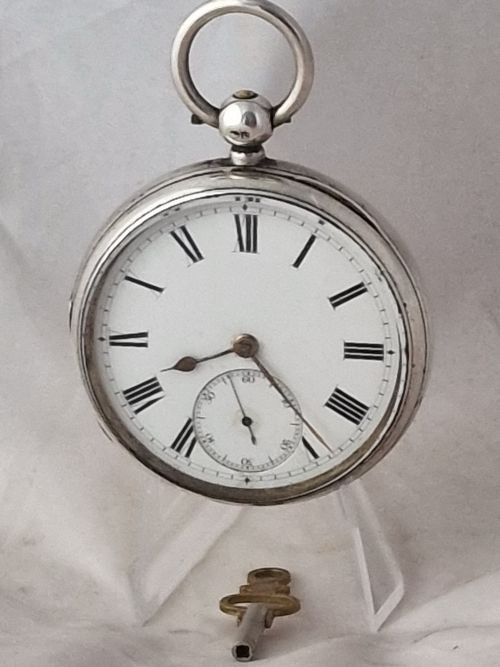
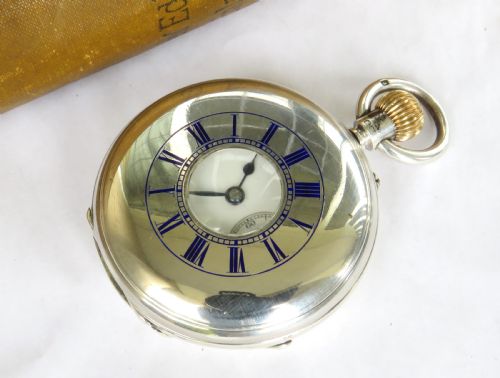
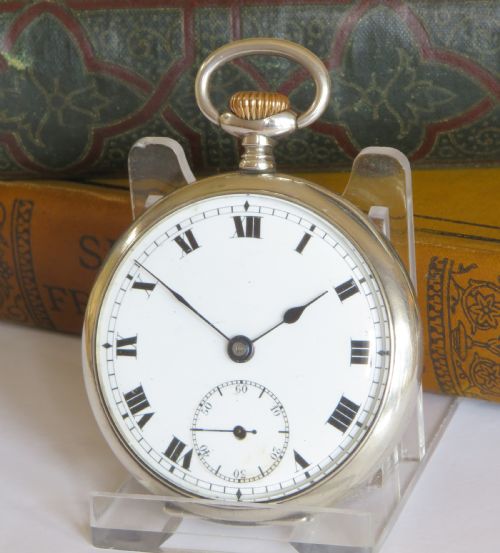
A vintage pocket watch silver piece combines mechanical horology with precious metal casing, representing an era when portable timepieces were carried in waistcoats. These items emerge from various decades including the nineteenth century, Edwardian era, and Art Deco period. Buyers encounter both open-faced designs and hunter styles featuring protective metal covers.
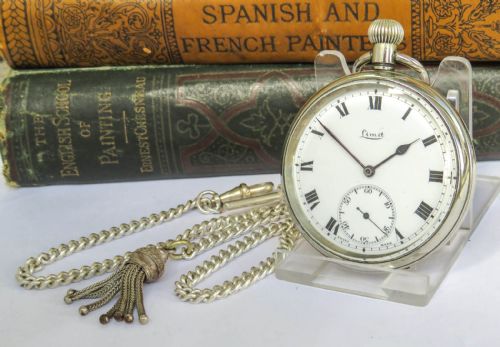
The selection here encompasses English hallmarked examples alongside Swiss movements and pieces retailed by prominent jewellers. Cases frequently utilise sterling silver or specific fineness standards such as point eight hundred, housing intricate geared mechanisms. Many examples retain complementary chains or alberts for secure attachment to garments.
Materials and Construction
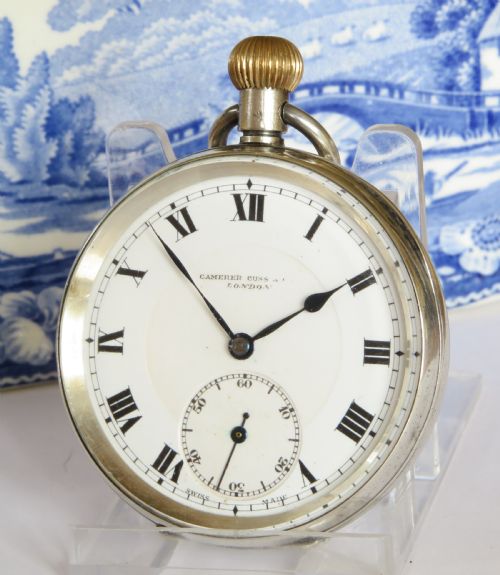
Watchmakers utilised silver for external cases, combining metalwork with internal brass and steel movement components. Dials frequently featured white enamel surfaces with painted numerals, protected by fitted glass crystals.
Movements relied on stem winding mechanisms and lever escapements, engineered with precision plates. Silversmiths applied hallmarks and maker marks directly to the interior case walls to denote metal purity and origin.
Retail Price Guide 2026
Typical UK retail prices for vintage pocket watch silver, calculated from the Sellingantiques database of over a million retail prices indexed since 2003. This retail price guide relies exclusively on Sellingantiques data; no external sources or auction records are used, so the figures do not describe the wider market.
Oddfellows society watches remind us that timepieces once served as proud fraternal badges.
Assessing Craftsmanship
Quality rests in the refinement of the movement, distinguishing standard three-quarter plate calibres from high-jewelled lever mechanisms. The precision of the regulator and the finish on the internal bridges indicate the maker's dedication to accuracy.
Case construction likewise defines the tier of a timepiece, from heavy mass-produced silver housings to finely engraved full hunter designs. Preserved white enamel dials free from hairline fractures alongside crisp hallmark stamps elevate the standing of an individual watch.
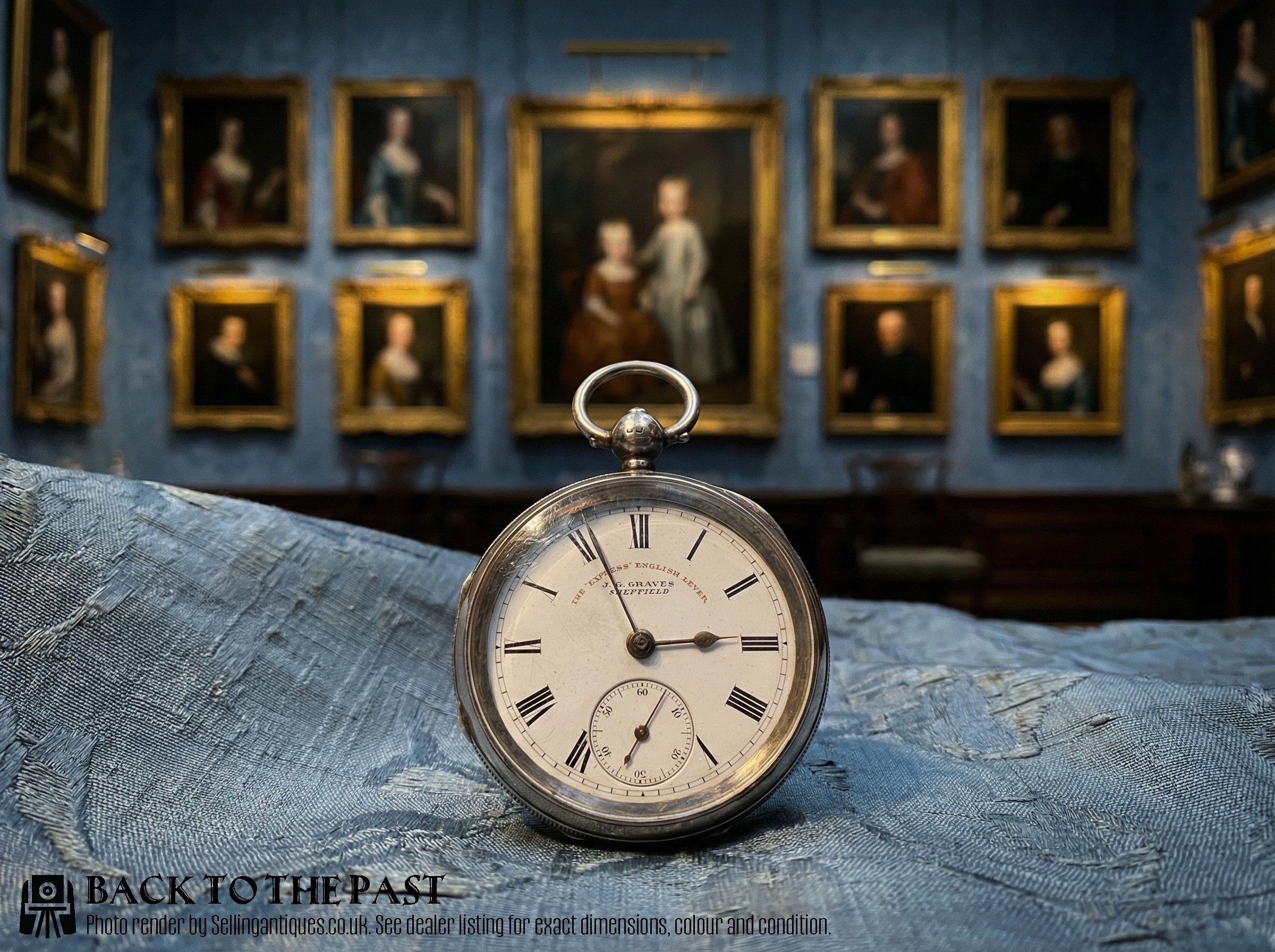
J W Benson·J G Graves Sheffield·James Walker·James Wadsworth·H Samuel·Waltham·Cyma·Revue
The Vintage Pocket Watch Silver Glossary
- Sterling silver
- A silver alloy containing ninety-two point five percent pure silver and seven point five percent other metals, typically copper. This standard composition provides durability for pocket watch cases.
- White enamel
- A fused glassy substance applied to metal dials to create a smooth, clean surface for painted numerals. It offers a classic, legible backdrop for timekeeping.
- Stem winding
- A method of tensioning the mainspring via the crown at the top of the watch rather than using a separate key. This innovation became standard in later Victorian and twentieth-century pieces.
- Full hunter
- A pocket watch style featuring a spring-loaded metal cover that protects the glass crystal and dial from scratches. The cover springs open via a pusher in the crown.
- Lever escapement
- A mechanical linkage that controls the release of power from the gear train to the balance wheel. It remains the foundational escapement for accurate portable mechanical watches.
Frequently Asked Questions
How do I wind a vintage silver pocket watch?
Most pieces utilise a stem winding system where you rotate the crown clockwise until firm resistance is felt. Avoid overwinding, as this can place excessive strain on the mainspring.
Ensure your fingers are clean and dry when handling the crown to maintain a secure grip during the winding process.
What is the difference between an open face and a hunter watch?
An open face watch exposes the glass dial directly to the user for immediate time reading. A hunter watch encloses the dial behind a solid metal spring cover that requires a button press to view the hands.
Both styles utilise silver cases but offer varying degrees of protection for the crystal.
How do I read silver hallmarks on these watches?
Hallmarks stamped inside the case interior reveal the assay office, metal purity standard, and date letter. English pieces bear standard town marks and lion passant symbols denoting sterling silver.
Continental pieces often display alternative numerical fineness marks such as point eight zero zero.
Can I wear a vintage pocket watch daily?
These mechanical items function well with regular daily wear provided they receive proper care and occasional professional servicing. Keep them secured in a waistcoat pocket using a compatible silver chain or albert to prevent accidental drops.
Protect the movement from moisture and strong magnetic fields to ensure consistent timekeeping.