
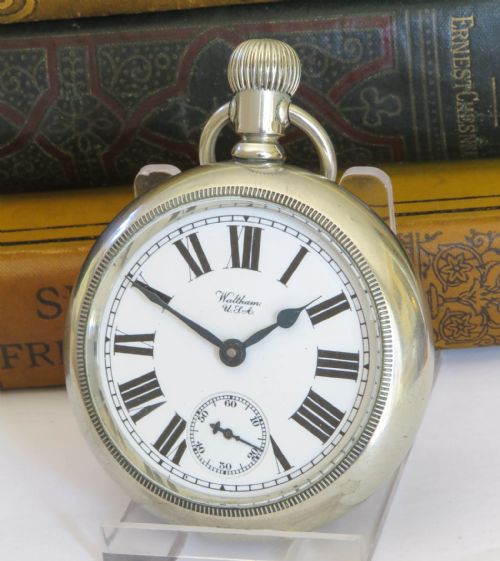
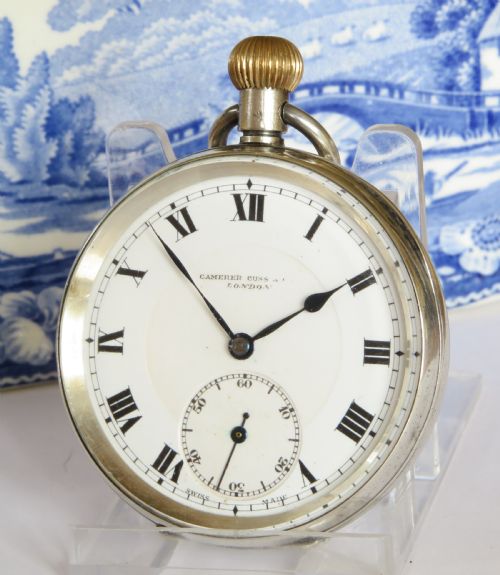
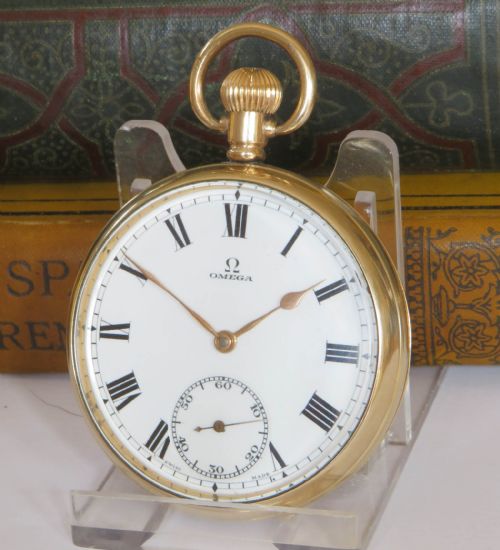
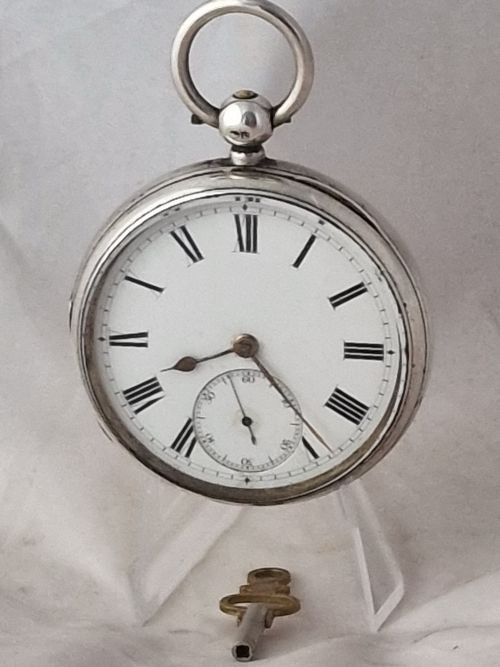
Vintage Pocket Timepiece
A vintage pocket timepiece offers portable mechanical precision, representing decades of portable timekeeping history in silver, steel, and gold plate.
Vintage Pocket Timepiece
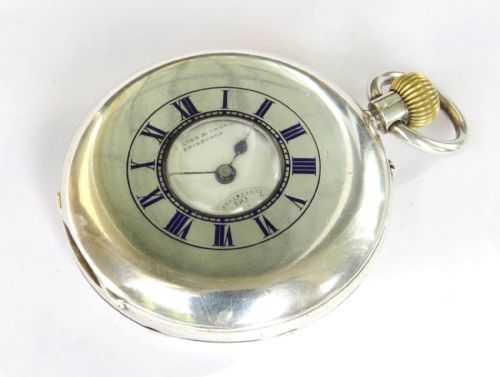
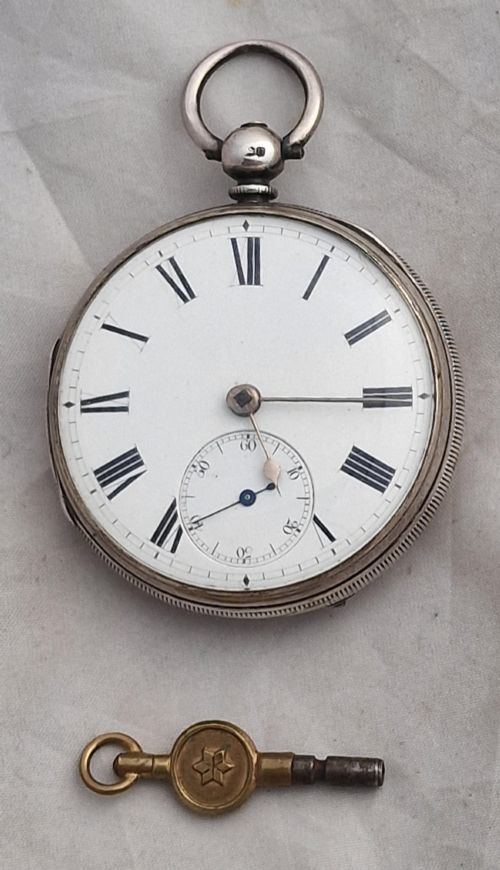
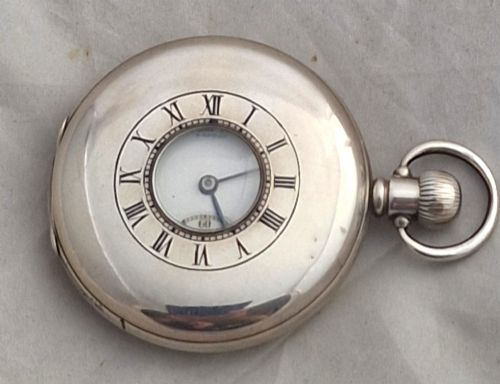
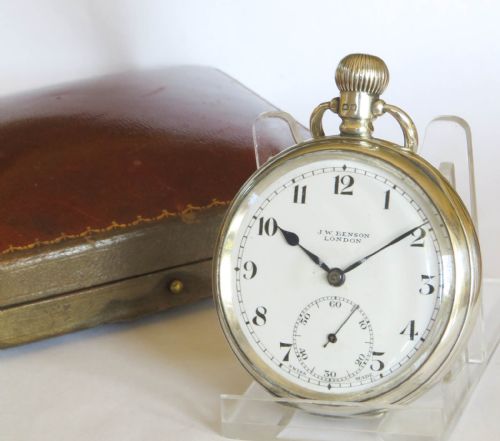
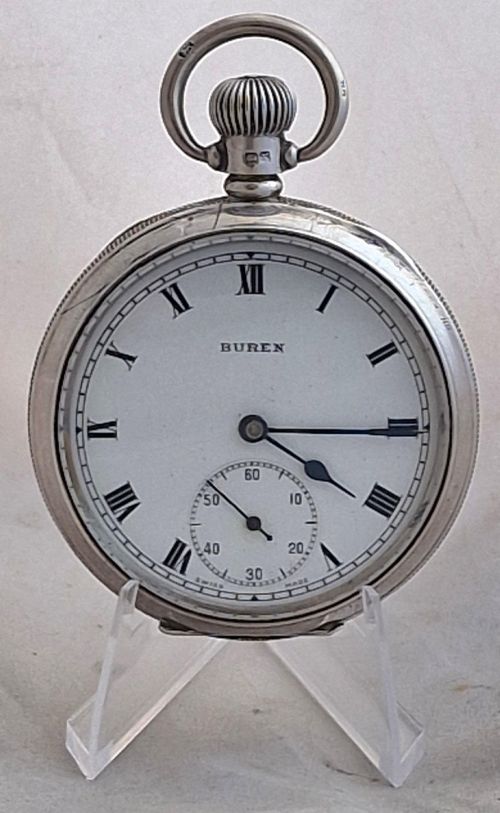
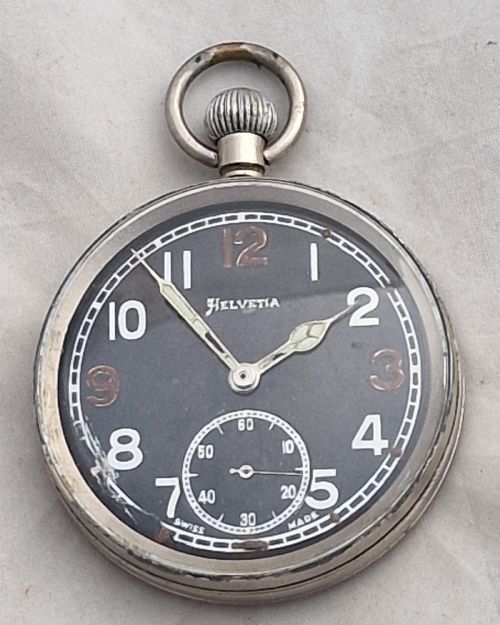
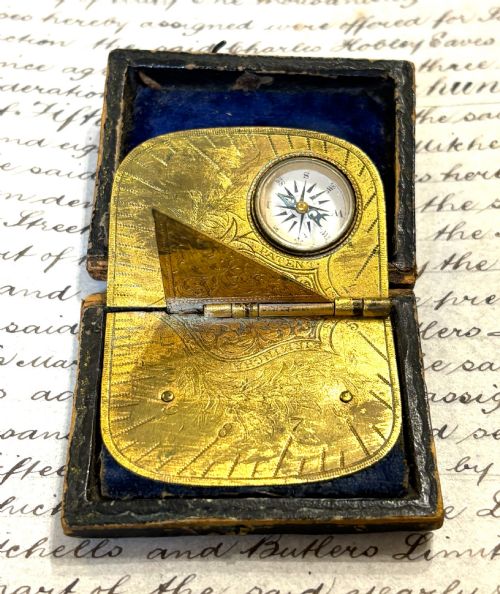
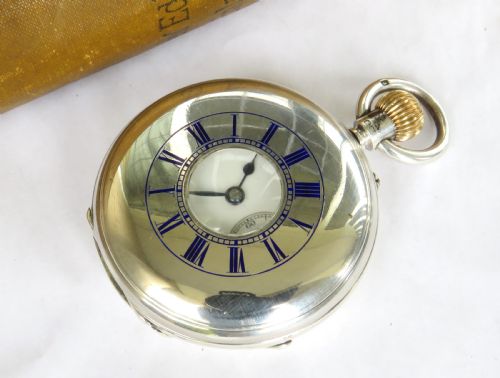
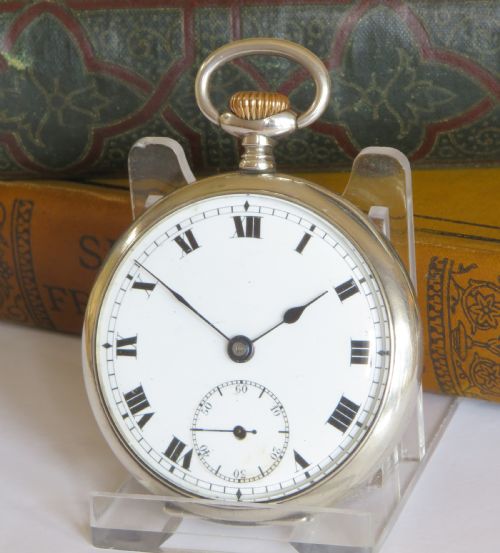
A vintage pocket timepiece encompasses portable mechanical objects designed for personal timekeeping across the late nineteenth and mid-twentieth centuries. Collectors browsing this selection encounter pocket watches, scientific instruments, and folding pocket sundials spanning Victorian, Edwardian, and Art Deco eras. Silver hunter and half hunter designs appear frequently alongside railway models and military issues.
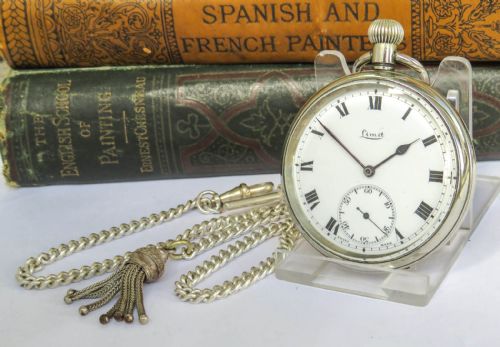
The objects originate from diverse makers and towns, reflecting British, Swiss, and American manufacturing traditions. Pieces range from simple nickel-plated models to elaborate silver cases complete with alberts, compasses, and fobs. Buyers select these items for their mechanical movement, historical associations, and daily utility as portable timepieces.
How they were made
Cases utilise metals such as sterling silver, gold plate, steel, and brass, often paired with glass crystals and enamel dials. Fusee movements and standard geared mechanisms provide the internal mechanics, built with precise metal components requiring skilled hand assembly.
Specialised finishes include niello decoration on cases and hand-painted or enamelled numerals on dials. Maker signatures and hallmarks stamped into silver and gold cases record the assay office, metal purity, and year of manufacture.
Vintage Pocket Timepiece Retail Price Guide 2026
Typical asking prices for vintage pocket timepiece among the pieces listed under this phrase on Sellingantiques today, from the lower quarter to the upper quarter. They describe what is for sale here now, not the wider market.
Oddfellows lodge pocket watches remind us that secret societies kept strict track of their meeting times.
What varies in quality
Quality rests in the complexity of the movement, the integrity of the metal case, and the clarity of the dial. High-grade specimens feature jewelled lever movements and heavy silver or gold cases with crisp hallmark stamps.
The presence of original fitted chains, alberts, fobs, and specialised complications such as chronographs or 8-day reserves separates standard utility pieces from exceptional examples of horological manufacturing.
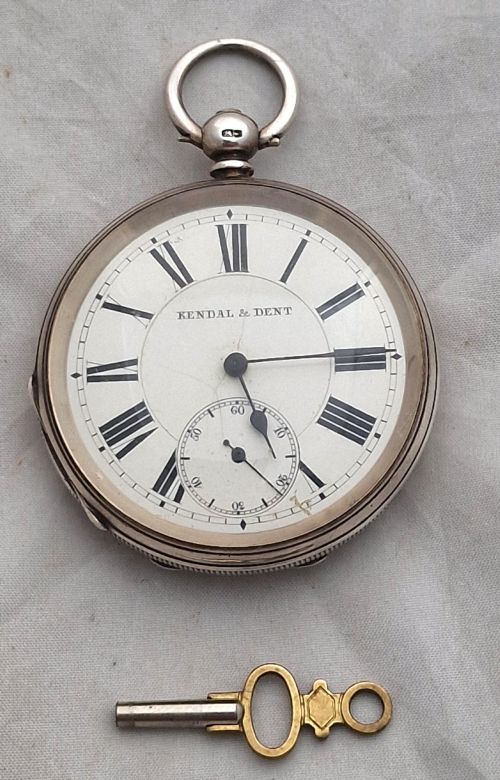
Hamilton and Inches·Kendal and Dent·J W Benson·Lange and Sohne·Thomas Russell and Son
The Vintage Pocket Timepiece Glossary
- Hunter
- A pocket watch featuring a spring-loaded metal cover that protects the glass dial. This cover opens via a push-piece on the crown.
- Half Hunter
- A pocket watch with a case cover possessing a glass or open-centred window in the middle. This permits the wearer to read the hands without opening the outer case.
- Fusee
- An antique mechanical mechanism utilising a cone-shaped pulley and chain. This device equalises the diminishing power of the mainspring as it unwinds.
- Albert
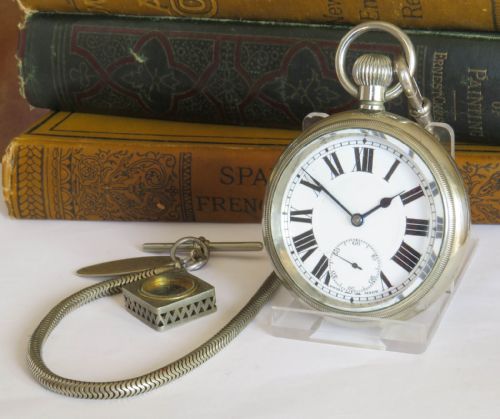
- A chain attached to a pocket watch, designed to secure the timepiece to a waist-coat buttonhole or pocket. It often includes attached fobs, compasses, or medallions.
- Niello
- A black metallic alloy used as an inlay on engraved metal surfaces. It creates contrasting dark decorative patterns against a silver background.
Vintage Pocket Timepiece: Frequently Asked Questions
How do fusee movements work?
A fusee movement employs a conical pulley connected to the mainspring via a tiny chain. As the spring unwinds, the chain moves to a wider part of the cone to maintain even tension.
This clever mechanical arrangement ensures consistent power delivery to the escapement, improving the timekeeping accuracy of older pocket watches.
What does an albert chain include?
An albert chain secures a pocket watch to clothing and often supports decorative items like compasses, keys, or fob medals. These accessories reflect the personal style and affiliations of the original owner.
Lengths and link designs vary, ranging from simple silver curb chains to elaborate double-strand configurations suited for formal waistcoats.
How do I identify silver hallmarks?
Hallmarks stamped inside the case reveal the assay office, metal standard, and date letter for the piece. British sterling items show symbols like a lion passant alongside city marks.
Matching case and movement numbers help confirm that the components remain original to each other rather than assembled from mixed parts.