

Vintage Planter Pedestals
These vintage planter pedestals hold botanical specimens inside rooms and upon terraces, offering height and architectural weight to greenery.
Vintage Planter Pedestals
Vintage planter pedestals encompass plant stands, jardiniere stands, and garden urns raised on plinths or bases, hailing from the nineteenth and twentieth centuries. These objects elevate flora to eye level, functioning as functional display pieces for parlours, halls, and gardens.
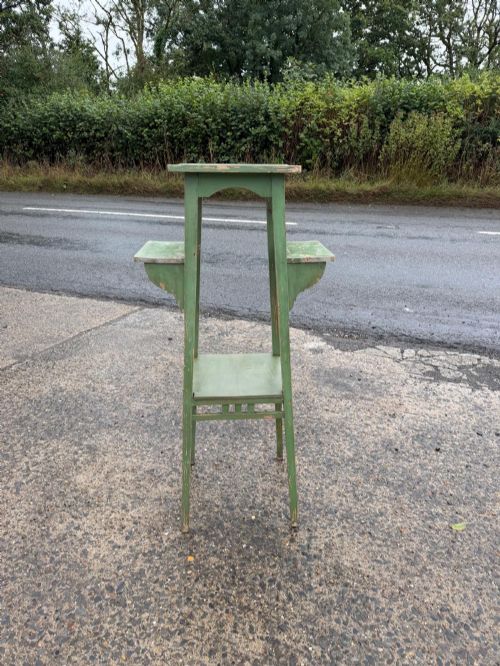
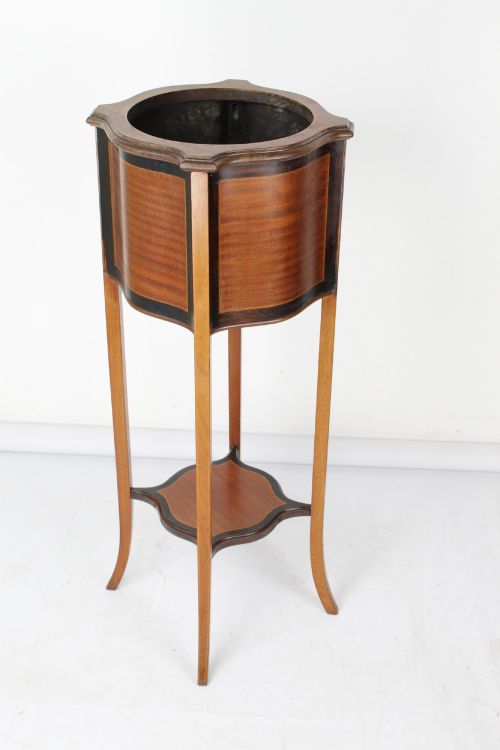
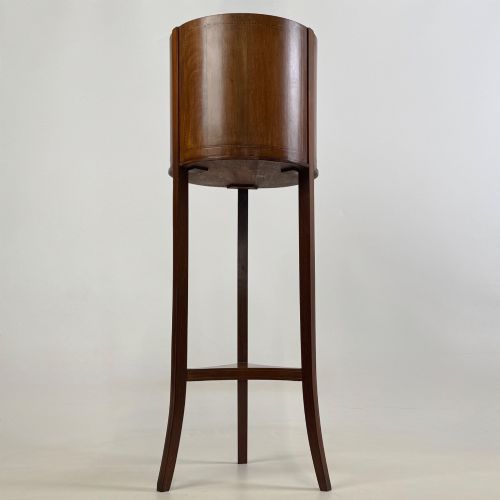
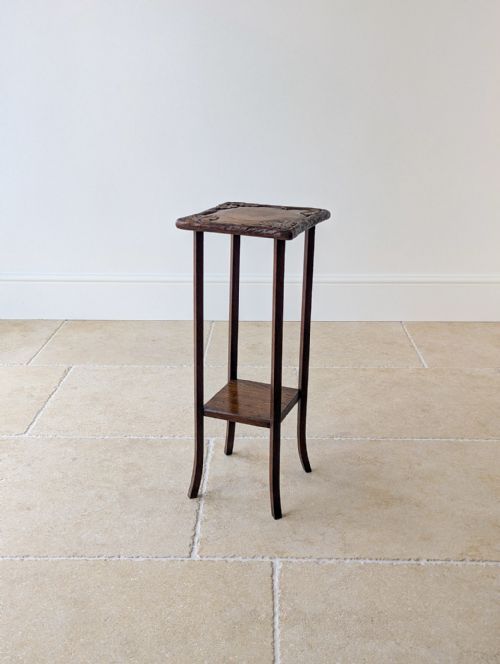
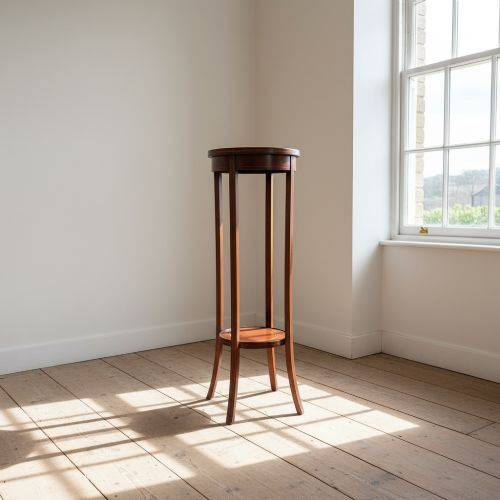
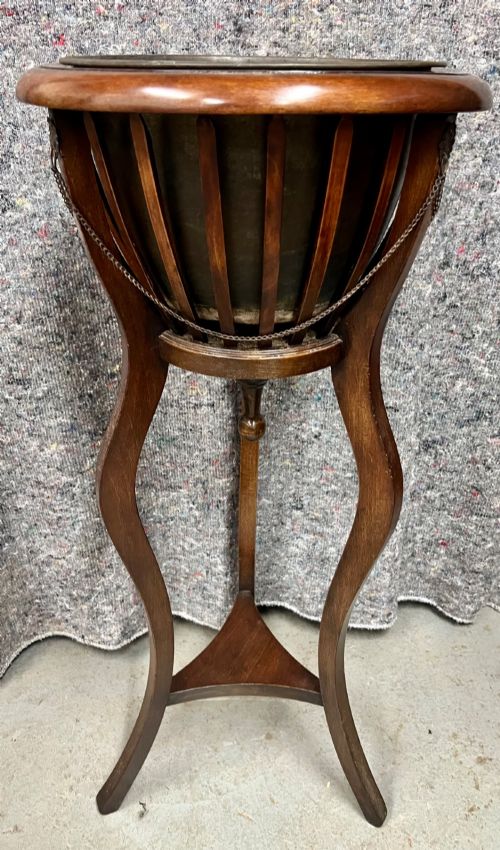
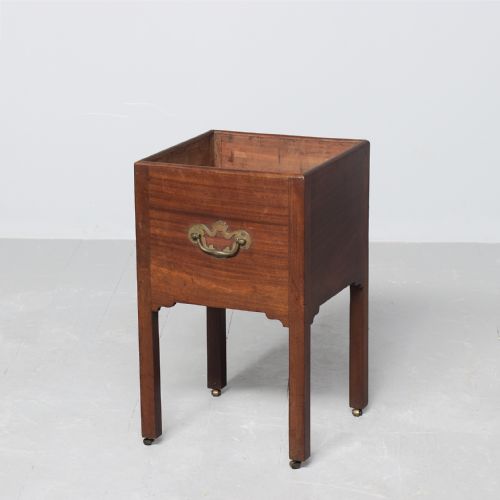
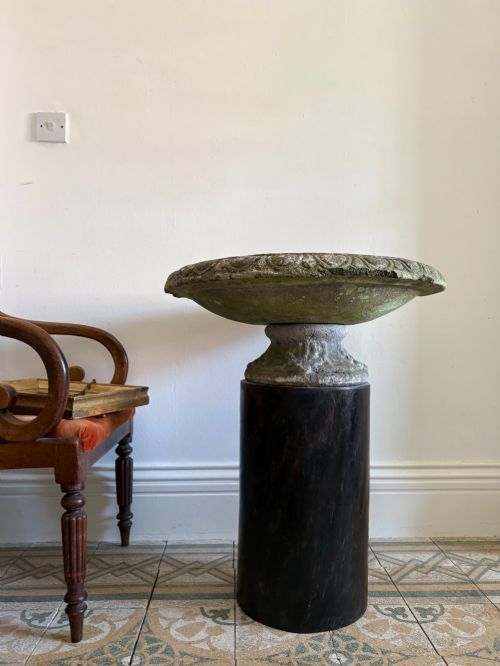
The domestic versions met on this page lean towards timber construction such as mahogany and oak, adopting Edwardian, Georgian, and Arts and Crafts idioms. Interior examples often take the form of slim stands with single or double tiers designed for potted plants and jardinieres.
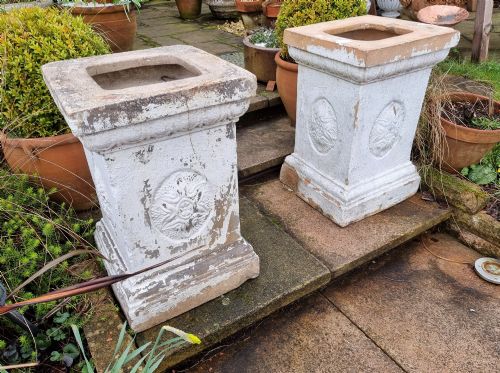
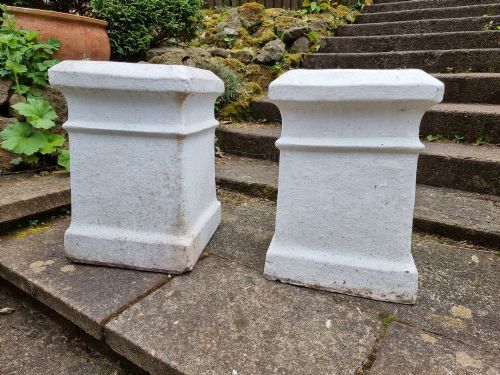
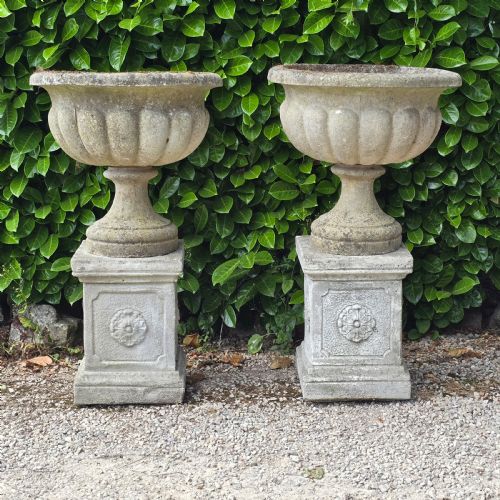
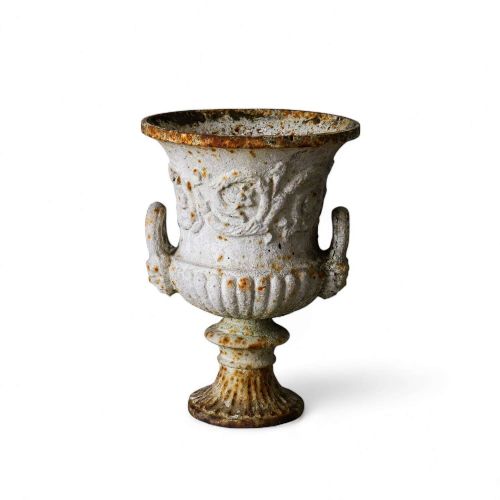
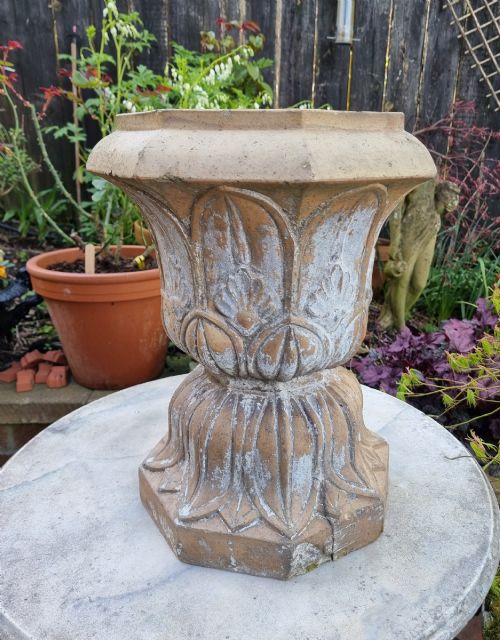
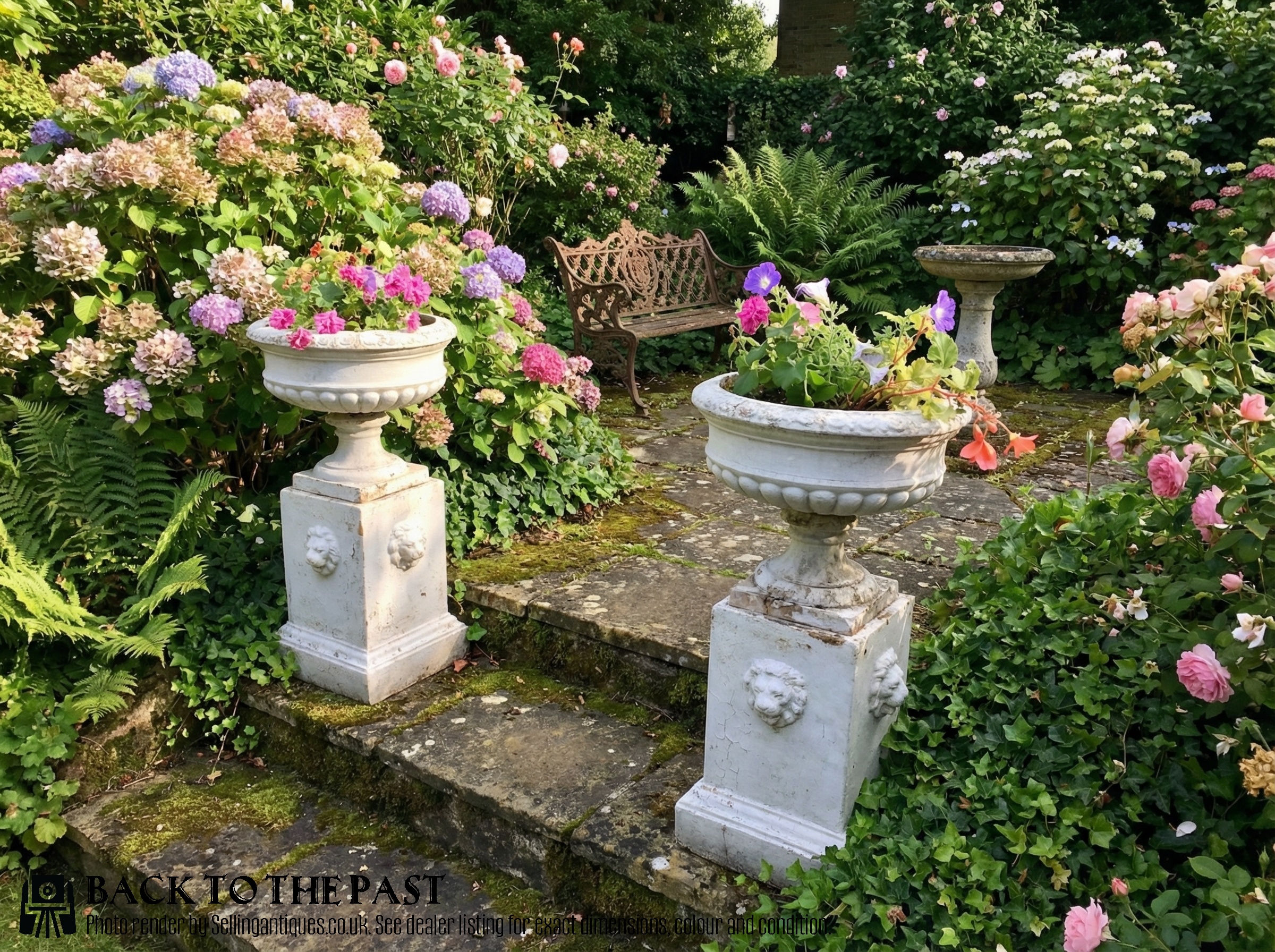
Exterior variants shift toward rugged durability, utilising cast iron, terracotta, and cast stone in Neoclassical or campana shapes. These heavier pieces anchor garden paths and terraces, showing the weathering of decades outdoors.
Materials and Construction
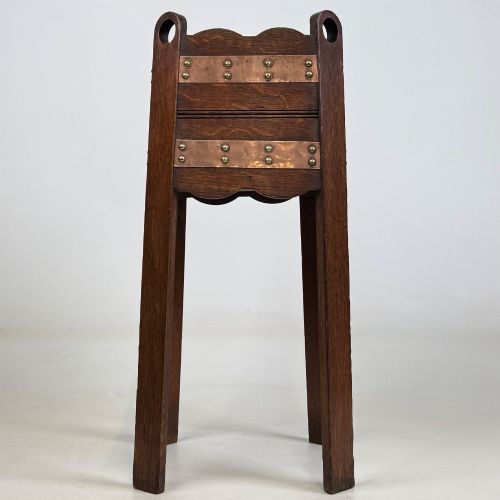
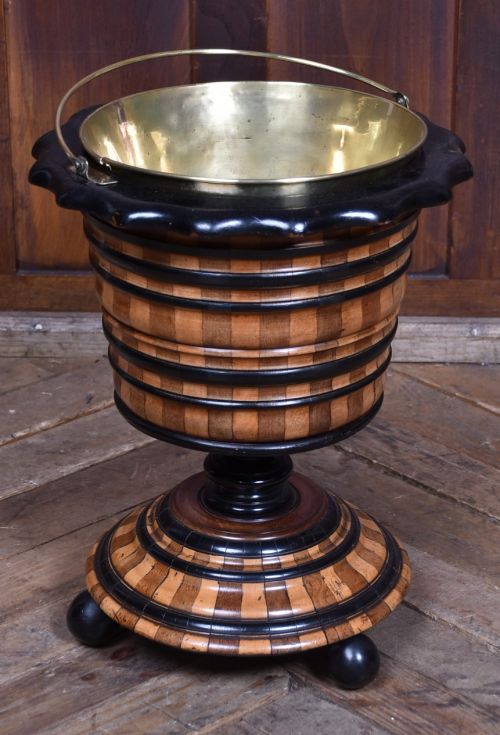
Cabinetmakers constructed indoor plant stands from hardwoods like mahogany, walnut, and oak, frequently incorporating inlay, marquetry, and turned columns. Brass and copper liners protected these timber frames from moisture damage during daily plant watering.
Foundries cast iron and brass into ornate campana urns, botanical relief patterns, and structural bases, utilising moulds to achieve consistent ornamentation. Stoneware, terracotta, and reconstituted stone were shaped by hand or press-moulded, then fired or cured for garden resilience.
Listings span the nineteenth and twentieth centuries, incorporating materials from cast iron and terracotta to mahogany and brass.
Substance and Detail
Quality rests upon the integrity of the primary material and the depth of its ornamentation, distinguishing heavy cast metal and dense hardwood from lighter substitute materials. Finer domestic stands display crisp joinery, thoughtful timber figure, and genuine period brass liners rather than later replacements.
Exterior pieces demonstrate quality through the sharpness of cast iron or terracotta relief work and the natural weathering acquired across decades. Sculptural elements, hand-chased brass, and integrated ceramic cabochons indicate superior workshop execution.
Dunfermline Clay Company·Coalbrookdale·Andrew Handyside·Julius Dressler
The Vintage Planter Pedestals Glossary
- Jardiniere
- An ornamental pot or stand for holding plants or flowers. These items sit on the floor or on dedicated tables.
- Campana
- A bell-shaped garden urn type popular in classical design. Such vessels typically feature flared rims and fluted bodies.
- Plinth
- A heavy base supporting a statue, vase, or urn. It raises the vessel above ground level to create visual prominence.
- Dinanderie
- European brass or copper beaten and cast utility items. The craft takes its name from the Belgian town of Dinant.
- Terracotta
- Fired unglazed clay of a brownish-red colour used for garden pots. This porous material breathes and absorbs soil moisture.
Vintage Planter Pedestals: Frequently Asked Questions
How do I protect indoor wooden plant stands from water damage?
Ensure the stand retains its original metal liner or insert a modern saucer inside the jardiniere bowl. This stops moisture from reaching the mahogany or oak timber.
Lift pots out when watering to prevent overflow from spilling onto antique polishes and veneer surfaces.
Can cast iron garden urns stay outside in winter?
Heavy cast iron and stone pieces withstand winter weather well, provided they drain adequately. Clear any blocked drainage holes at the base of the urn so water does not freeze and expand inside the bowl.
Elevate stone plinths slightly off freezing soil using slate shims to prevent rising damp from cracking the material.
How do I identify Edwardian plant stands?
Edwardian stands often feature lighter mahogany frames, satinwood stringing, and tapered legs influenced by earlier Georgian revivals. Arts and Crafts variants emphasise exposed oak grain and hammered copper bowls.
Look for honest construction methods and period fixings that match the early twentieth-century date.
What is the difference between a plant stand and a jardiniere?
A plant stand provides the supporting column or tiered frame, while a jardiniere is the specific vessel designed to hold the plant container. Many antique pieces combine both into a single integrated unit.
Separate stands often accommodate removable bowls, allowing the upper section to function independently.