
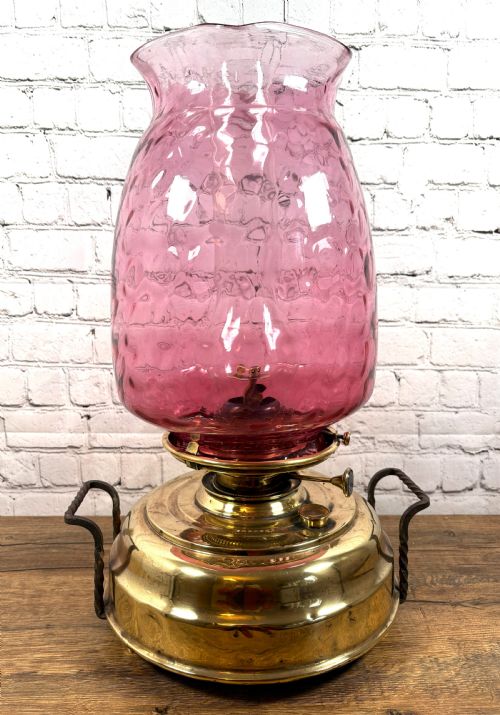


Vintage Pink Glass Lamp
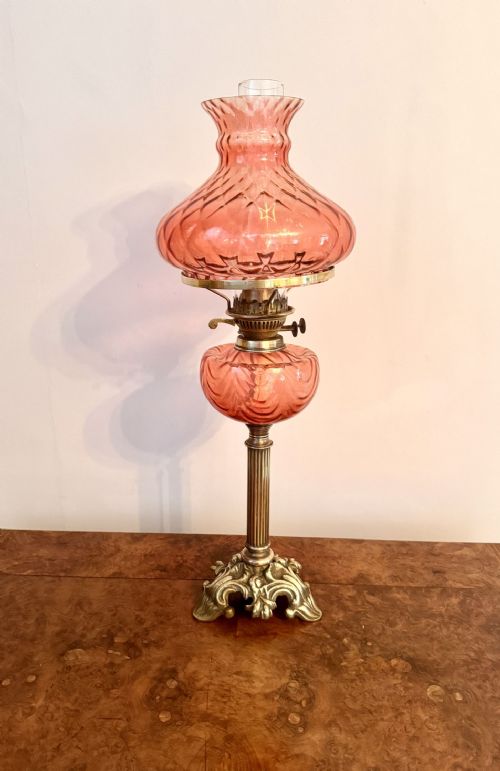
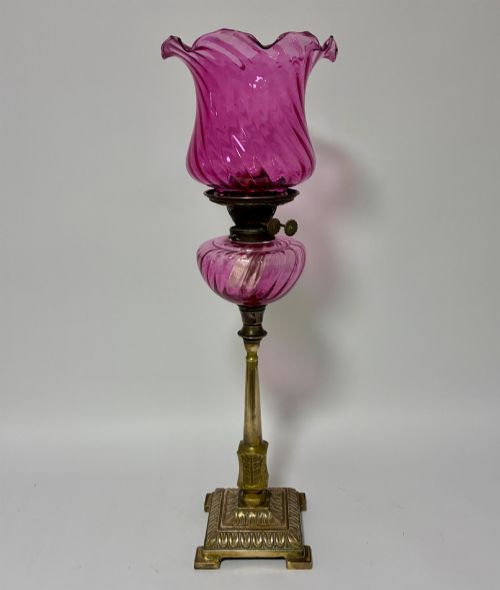
A vintage pink glass lamp brings a warm, rosy glow to a room through coloured glass fonts and matching shades.
Vintage Pink Glass Lamp
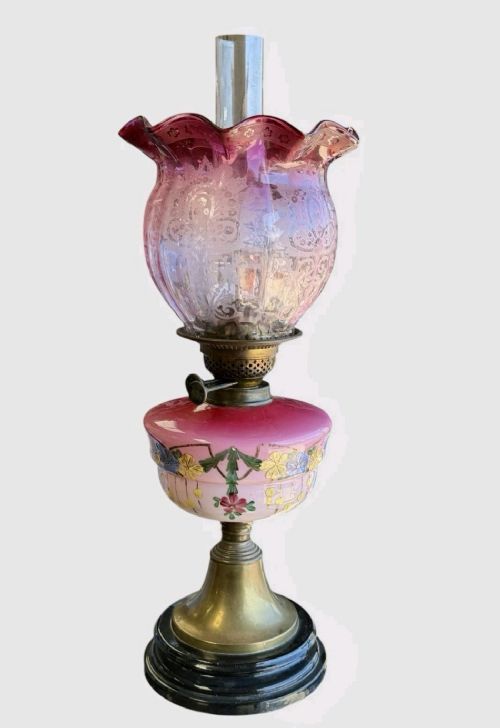
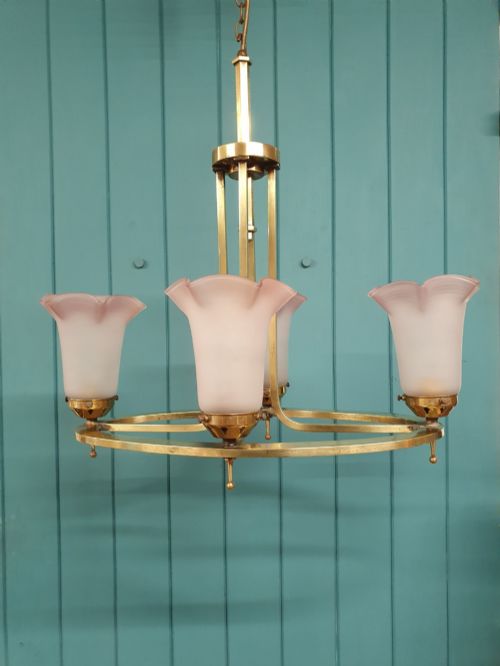
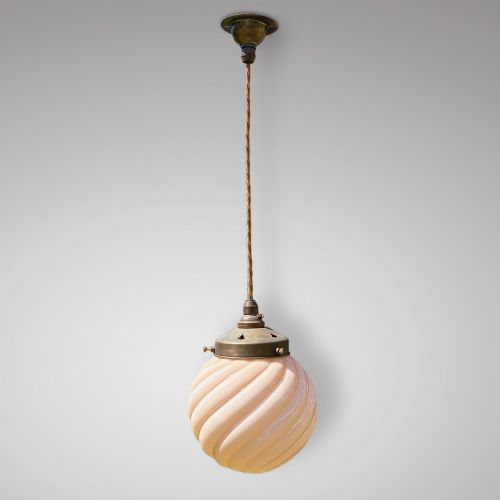
When searching for a vintage pink glass lamp, buyers encounter pieces that span the Victorian era, the Edwardian period, and the 1930s Art Deco movement. These luminaires primarily take the form of oil lamps, table lamps, and hanging shades that utilise tinted, opaline, or cranberry glass.
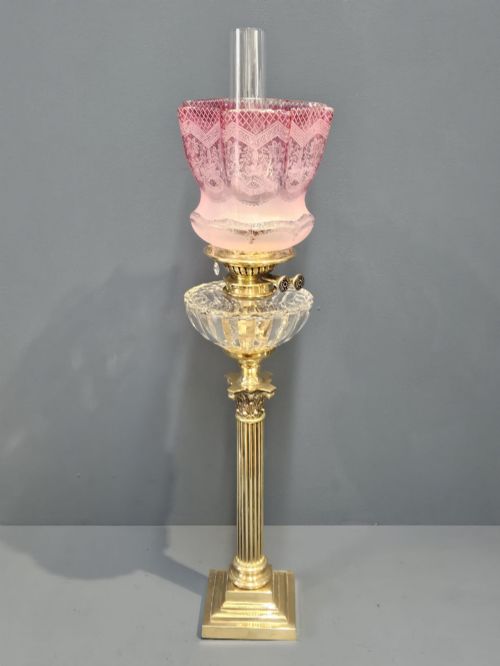
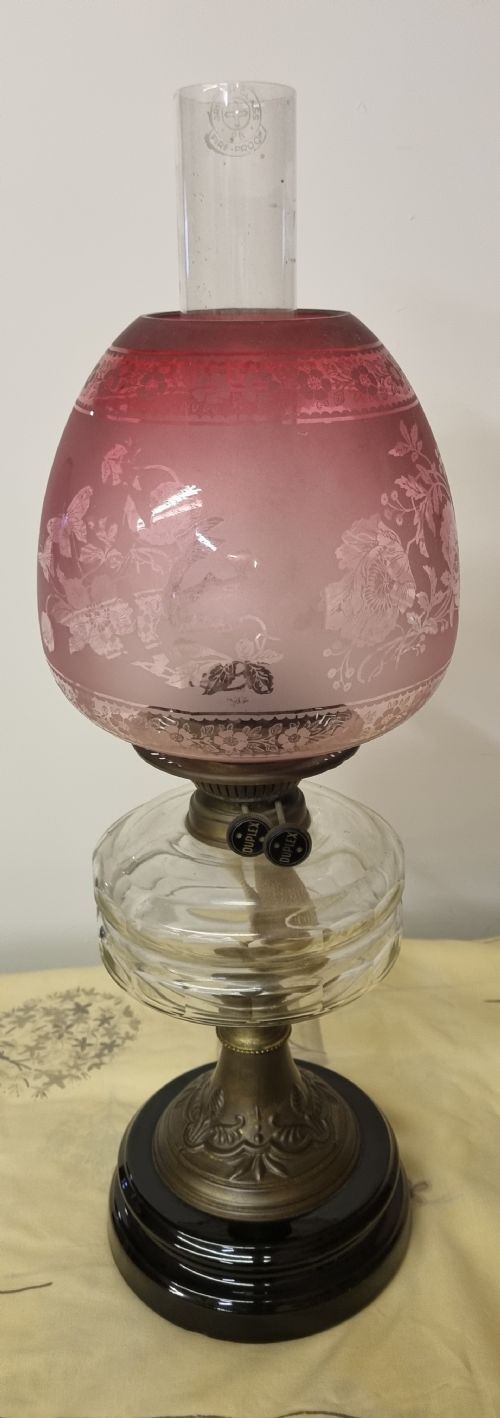
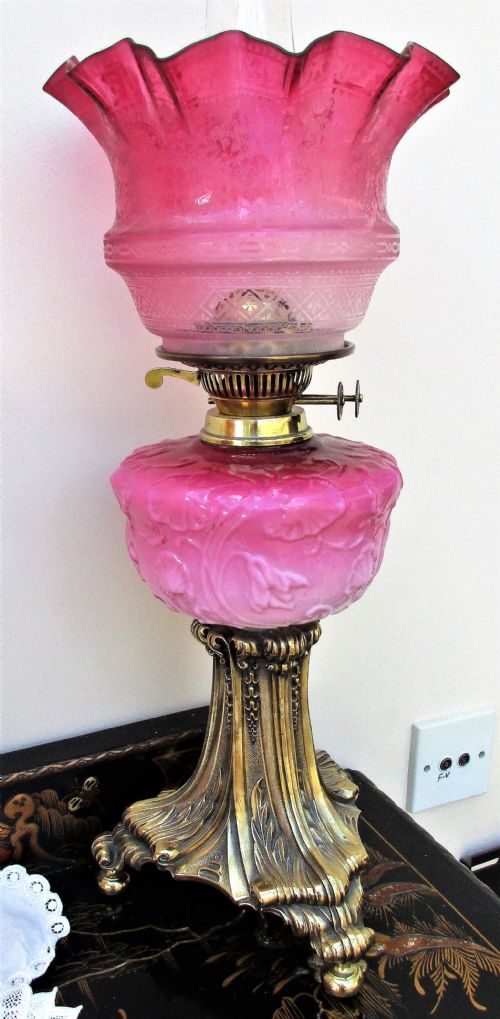
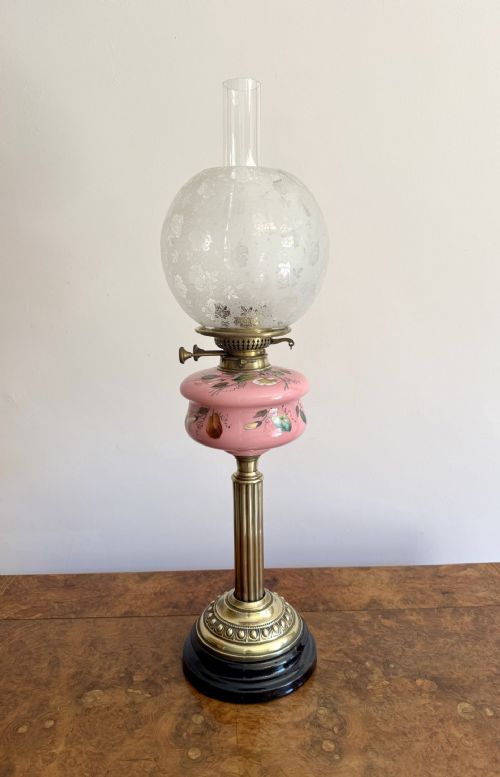
The most common examples on this page are Victorian and early twentieth-century oil lamps featuring pink or cranberry glass vessels, often paired with brass columns or matching glass shades. These items bridge decorative arts and functional lighting from the nineteenth and twentieth centuries.
How they were made
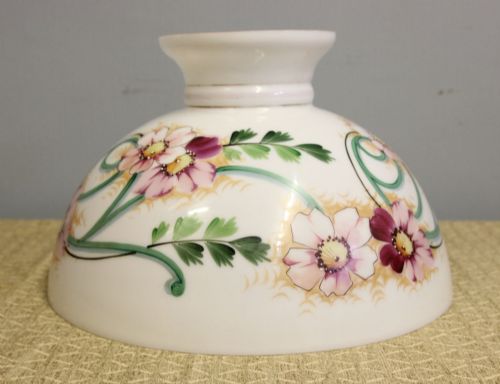
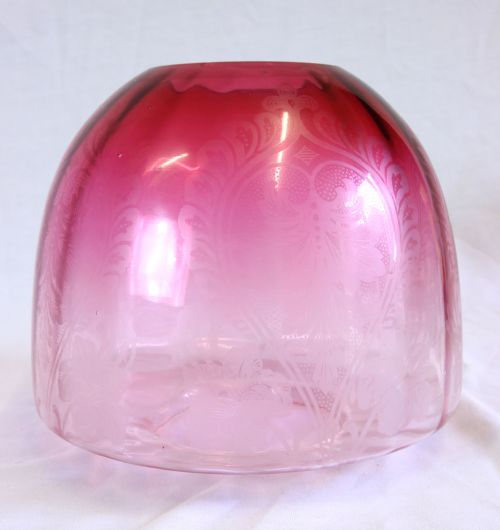
Glassmakers utilised specialised mineral oxides in the molten batch to achieve the characteristic pink and cranberry hues seen in these lamp vessels and shades. Workers often shaped the glass through blowing or pressing, sometimes adding hand-painted enamel details or etched patterns to the exterior surface.
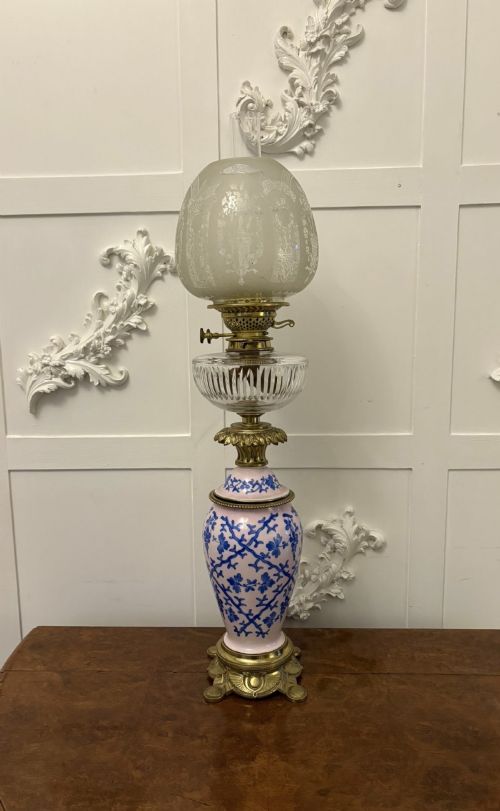
Metal components such as brass, chrome, and occasional spelter provide structural support for the glass bodies. These metallic elements range from heavy Corinthian columns to adjustable standard lamps and swan neck desk fittings.
Listings feature pink glass lamps across Victorian, Edwardian, and Art Deco styles, incorporating brass, cranberry glass, opaline, and porcelain materials.
What varies in quality
The distinction between standard examples and finer items rests upon the depth of hand-painting, the intricacy of glass etching, and the weight of the supporting brass or porcelain hardware. Superior specimens display crisp moulding, rich cranberry or opaline tones, and well-preserved gilt decoration.
Integrity of matching elements also dictates desirability, particularly where original glass shades accompany the matching pink font or base. Pieces retaining their coordinated period burners and complex brass mechanisms command greater interest.
The Vintage Pink Glass Lamp Glossary
- Cranberry glass
- A rich red-pink transparent glass produced by adding gold chloride to the molten batch. It is widely found in Victorian oil lamp shades and fonts.
- Opaline glass
- A semi-translucent white or tinted glass that diffuses light softly. It appears frequently in Edwardian and early twentieth-century shades and pendants.
- Standard lamp
- A tall floor-standing lamp base designed to hold a light fitting or oil burner at height. These often feature adjustable brass stems from the Edwardian period.
- Spelter
- An alloy of zinc and lead used as a cheaper substitute for bronze in decorative metalwork. It appears in French mood lamp bases alongside marble.
Vintage Pink Glass Lamp: Frequently Asked Questions
How do I date a pink glass lamp?
Dating relies on examining the combination of materials, burner mechanisms, and stylistic clues such as Victorian Corinthian columns or Art Deco geometric lines. Victorian examples often feature heavy brass bases and hand-painted fonts, while 1930s pieces lean towards pressed peach glass and streamlined forms.
Looking closely at the manufacturing techniques of the glass and the threading on the metal burners helps narrow down the decade of production. Comparing the piece against known styles from the 1860s through to the 1930s provides a reliable timeframe.
Were these lamps originally for oil?
Many of the Victorian and Edwardian examples on this page started life as paraffin or oil lamps before later conversion to electricity. This lineage accounts for the presence of glass fonts and specialised burners designed to draw fuel through a wick.
When living with these converted pieces, collectors appreciate the retention of original oil lamp components alongside modern electrical wiring. The conversion process preserves the historical aesthetic while meeting contemporary lighting needs.
How do I match a shade to a lamp base?
Matching a cranberry or pink glass shade to a lamp base involves observing the period style, the specific shade of pink, and the fitter size. Victorian pieces usually pair opaline or etched cranberry shades with matching brass or glass fonts.
Proportion remains key when assessing compatibility between the height of the standard or table lamp and the width of the shade. Ensuring the collar size fits the existing burner gallery prevents instability.
Are these lamps fragile for daily use?
While historic glass requires careful handling during cleaning or relocation, these lamps were built as durable household items using thick-walled moulded or blown glass. Brass and porcelain components add considerable weight and stability to the base.
Placing them on secure, level surfaces away from heavy traffic areas protects both the delicate glass shades and the decorative metalwork. Regular dusting with a soft cloth maintains the finish without risking the hand-painted details.