



Vintage Pine Tallboy Drawers
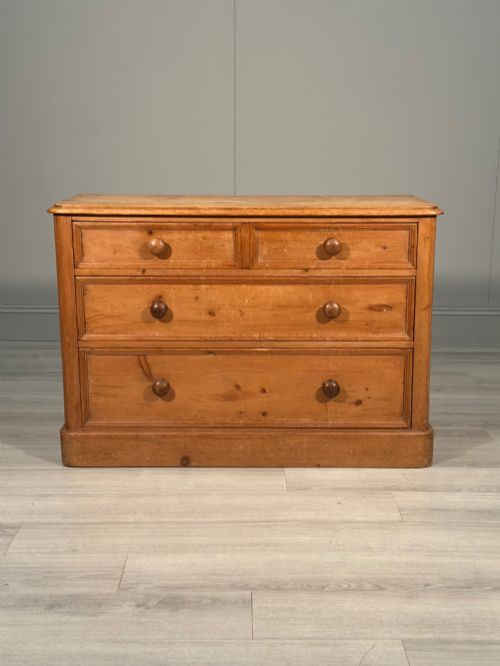
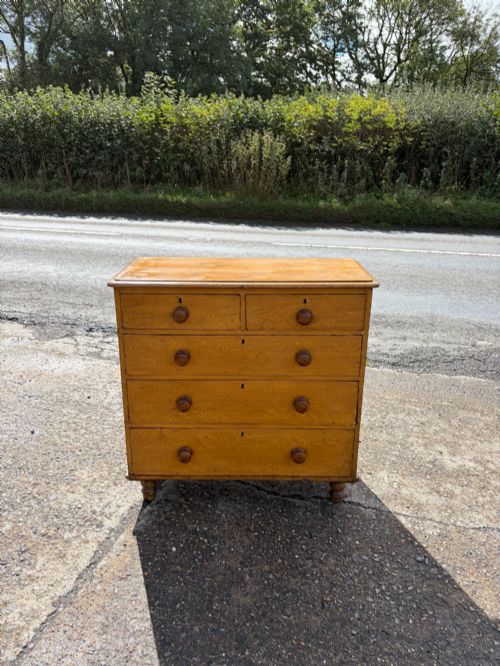
These vintage pine tallboy drawers offer practical storage, combining the warmth of timber with the utility of classic chest forms.
Vintage Pine Tallboy Drawers
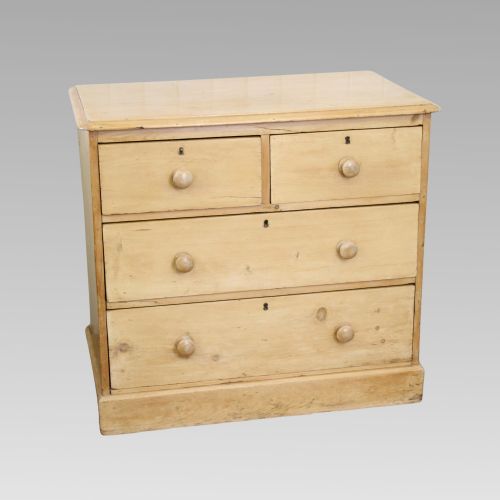
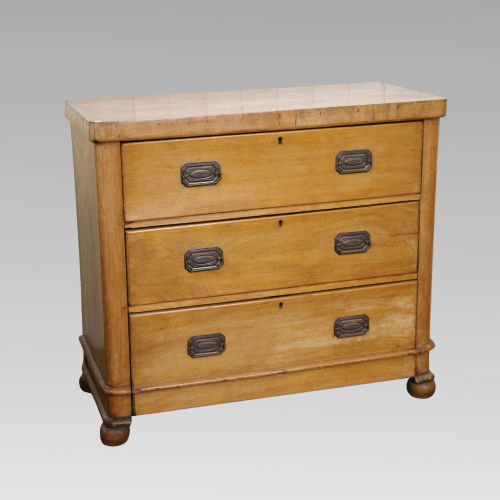
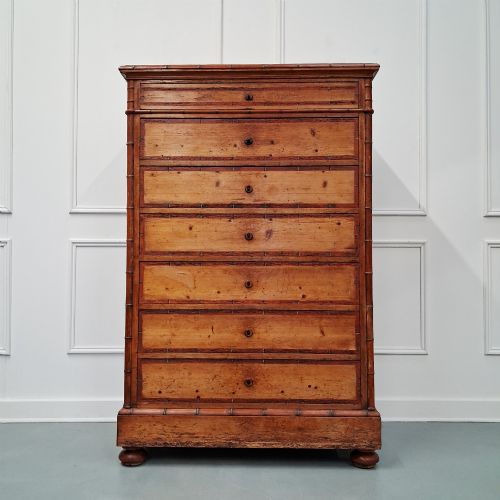
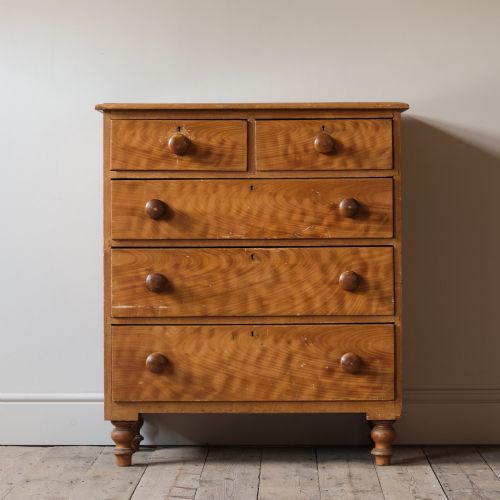
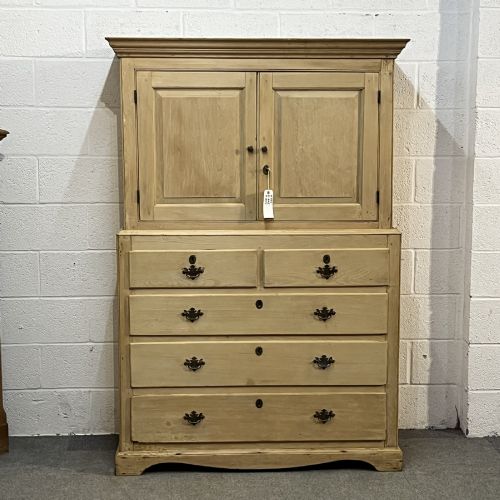
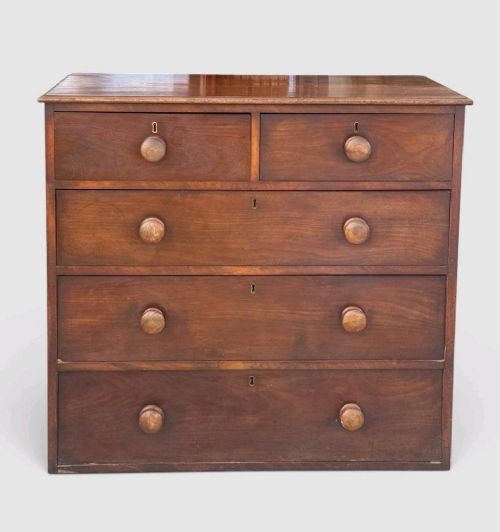
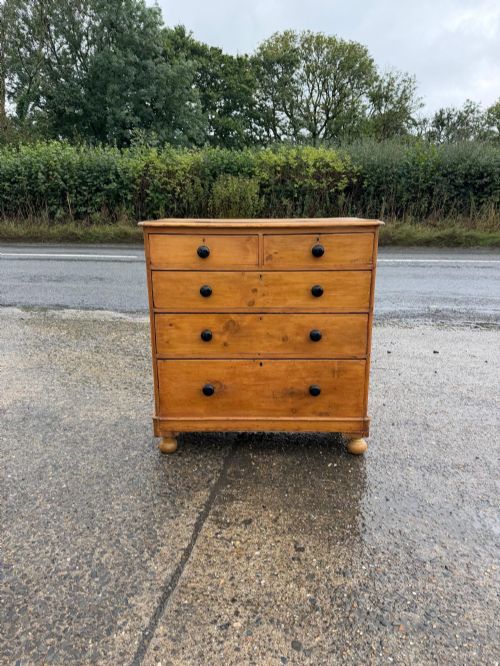
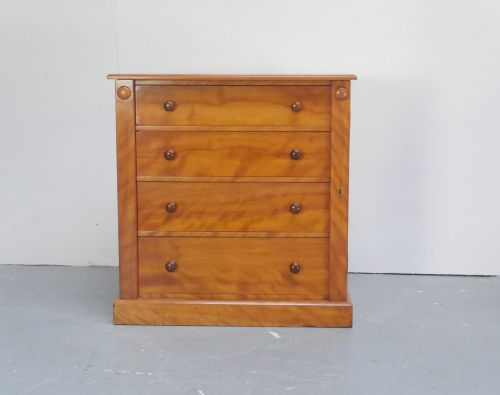
Vintage pine tallboy drawers comprise substantial storage furniture primarily originating from the Victorian and Edwardian eras, along with nineteenth-century examples. Buyers searching for vintage pine tallboy drawers will encounter various drawer configurations, such as two-over-three arrangements or larger five-drawer formats.
The regional origins of these pieces span English country workshops, Scandinavian countries like Sweden, and Hungarian houses. Makers constructed these storage items using native and imported softwoods, resulting in both waxed timber finishes and original painted surfaces.
Forms extend beyond standard chests to include bonnet top cabinets, linen presses, and office units. This variety reflects the adaptability of nineteenth-century domestic and institutional storage requirements.
Materials and Construction
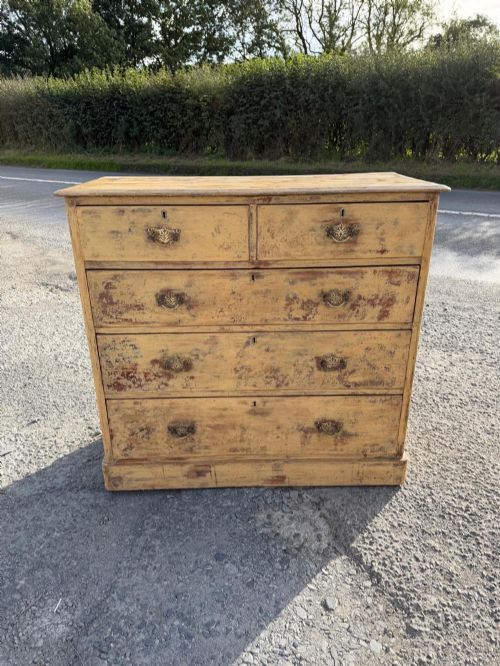
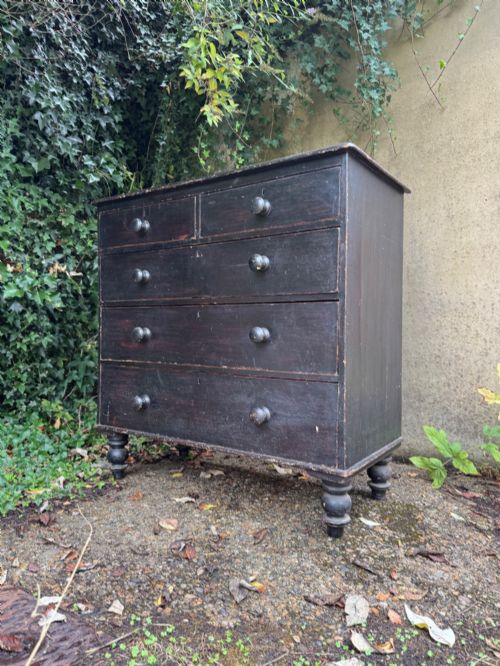
Makers utilised pine as the primary structural timber, occasionally incorporating ship's pitch pine or oregon pine for durability. Surfaces were either left as scrubbed timber, waxed to preserve the grain, or coated in paint layers including black and light grey.
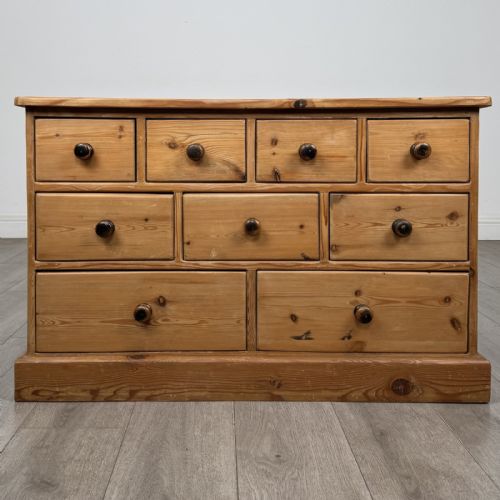
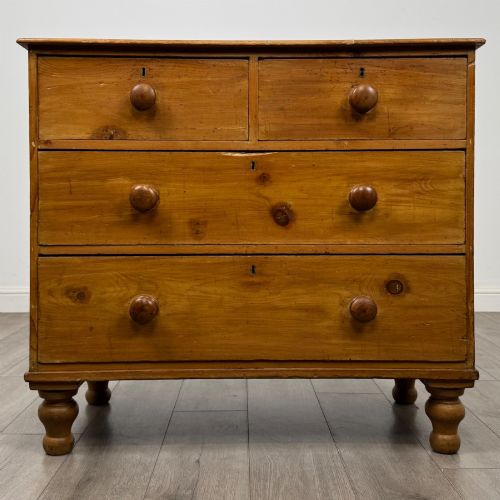
Hardware details typically include brass or ceramic elements, alongside turned wooden bun handles. Construction methods relied on traditional joinery techniques suited to softwood, ensuring stability across large multi-drawer carcasses.
Vintage Pine Tallboy Drawers Retail Price Guide 2026
Typical asking prices for vintage pine tallboy drawers among the pieces listed under this phrase on Sellingantiques today, from the lower quarter to the upper quarter. They describe what is for sale here now, not the wider market.
Materials recorded on this page include pine, pitch pine, brass, ceramic, and painted wood finishes.
Factors of Quality
Proportion and scale distinguish individual examples, ranging from low wide configurations to massive five-drawer carcasses. The integrity of original painted surfaces or the depth of a waxed patina influences the character of each piece.
The retention of original handles, whether turned wooden bun pulls or contrasting metal hardware, affects the authenticity of the chest. Craftsmanship is visible in the alignment of drawer tiers and the balance of proportions between the upper and lower sections.
Gemla Fabrikers
The Vintage Pine Tallboy Drawers Glossary
- Pine
- A softwood timber widely utilised for domestic furniture construction throughout the nineteenth century. It accepts wax, paint, and stain finishes readily.
- Bun Handle
- A rounded, turned wooden knob attached to drawer fronts. These handles are typical of Victorian and Edwardian chest designs.
- Scrubbed Pine
- A finish achieved through repeated washing of the timber surface. This process creates a pale, matte appearance free of heavy varnishes.
- Bonnet Top
- A curved or arched upper cabinet structure. This architectural detail provides additional internal height above standard drawer tiers.
- Waxed Finish
- A protective treatment applied to timber surfaces. It enhances the natural grain and deepens the colour of the pine over time.
Vintage Pine Tallboy Drawers: Frequently Asked Questions
How do I date a pine chest?
Dating relies on construction methods, handle types, and recorded stylistic periods. Nineteenth-century examples often display hand-cut dovetails and specific proportions.
Later pieces from the Edwardian era or the early twentieth century introduce machine-sawn components and different pine varieties like pitch pine.
Are these chests painted or waxed?
Both finishes appear frequently across the available pieces. Many retain their original painted surfaces, including historical black or grey coats.
Alternatively, stripped and waxed examples showcase the natural grain and knots of the softwood timber.
How do I care for antique pine?
Waxed surfaces benefit from occasional applications of natural beeswax to nourish the timber and prevent drying. Avoid placing softwoods in areas with fluctuating humidity.
Painted examples require gentle cleaning with a dry or barely damp cloth to protect the historic pigment layers.