
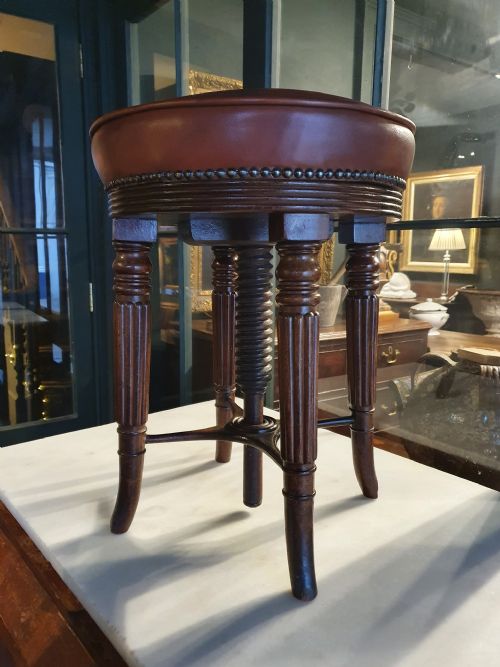
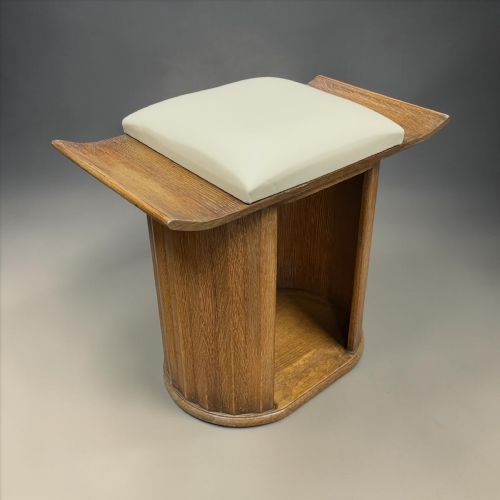
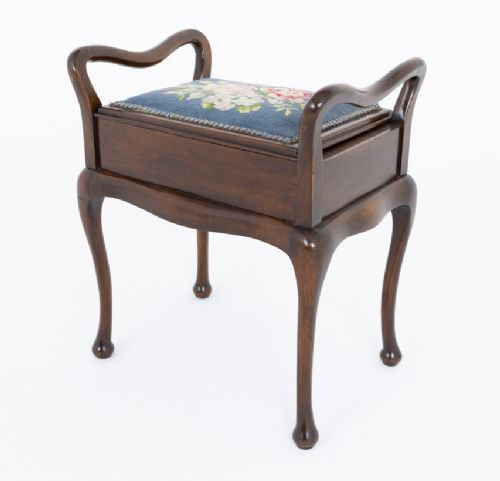
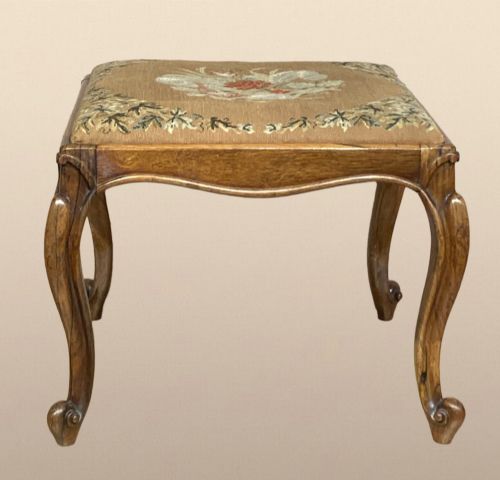
Vintage Piano Stool Seat
A vintage piano stool seat brings practical seating and period character to an interior, moving effortlessly from the music room to the dressing table.
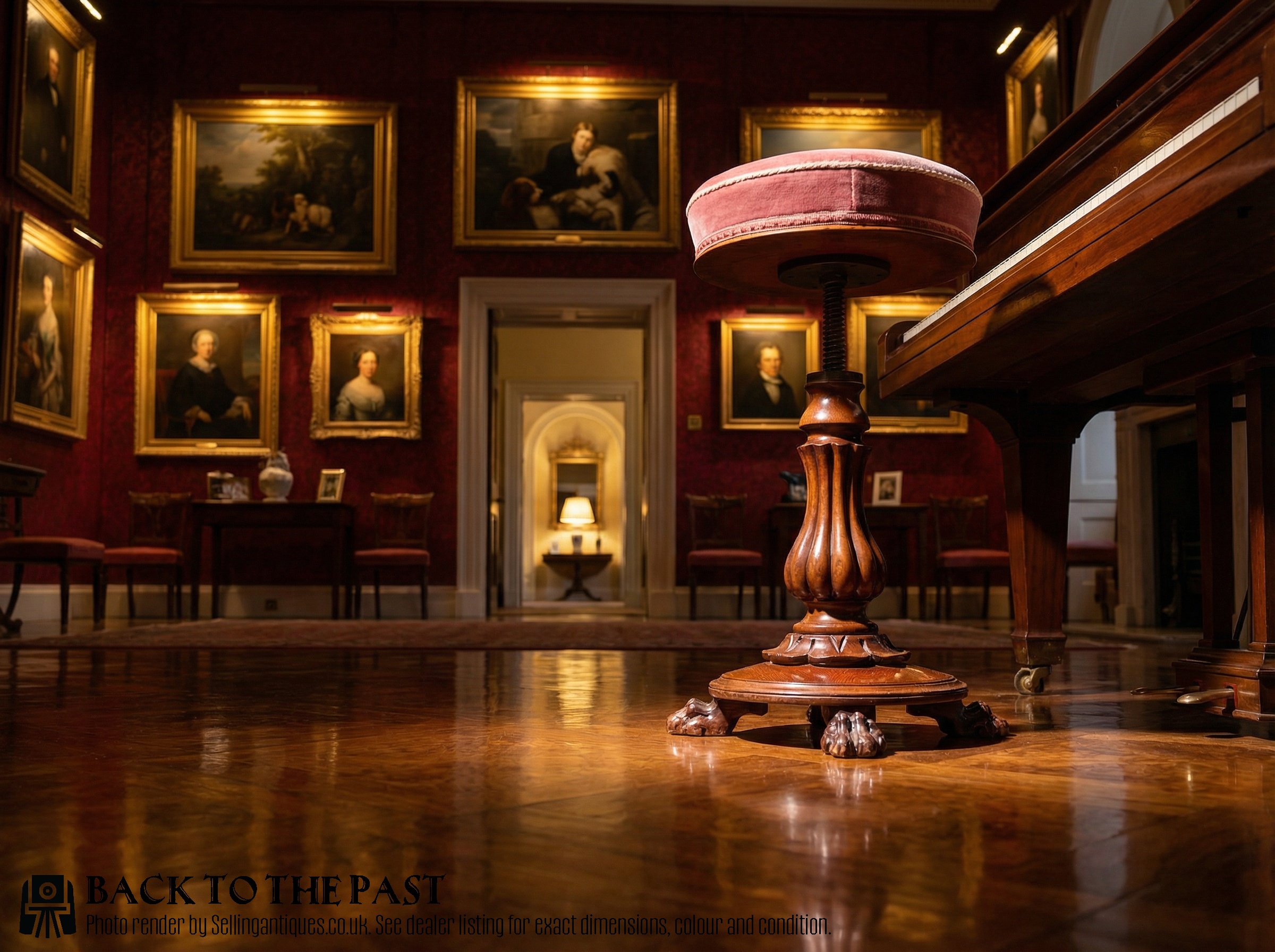
Vintage Piano Stool Seat
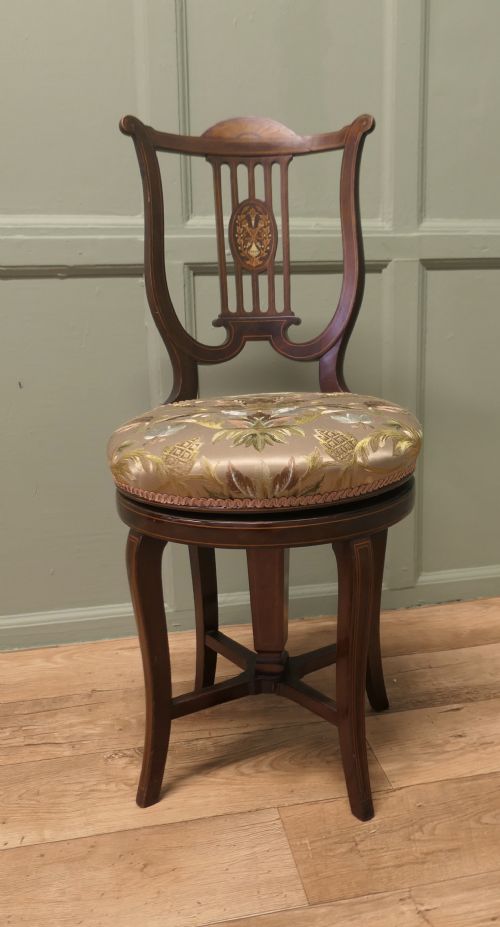
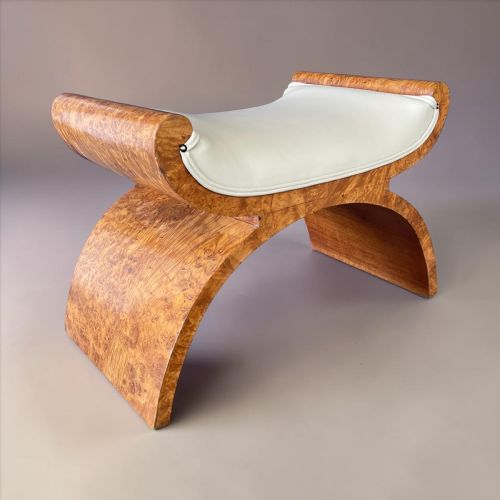
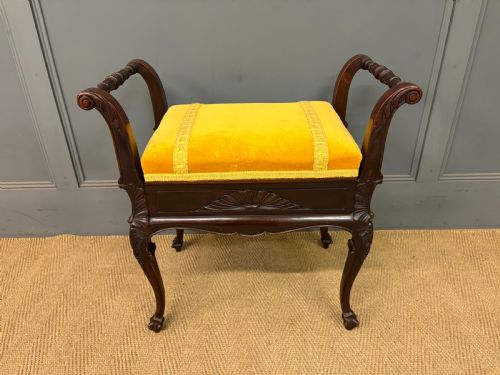
A vintage piano stool seat is a dedicated seat designed for musicians at the keyboard, which frequently doubles as a dressing table chair or small bench in contemporary homes. These pieces emerge from periods spanning the nineteenth century through the Edwardian era and into the Art Deco years of nineteen thirty. Most examples met on this page take the form of single stools, duet benches, or revolving music chairs with adjustable heights.
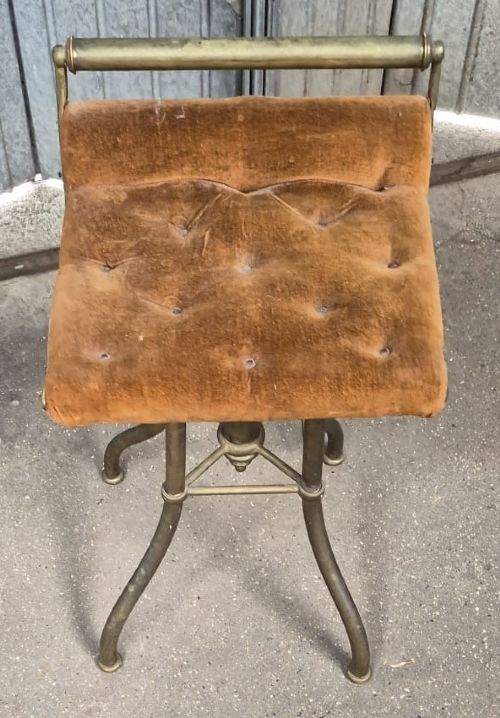
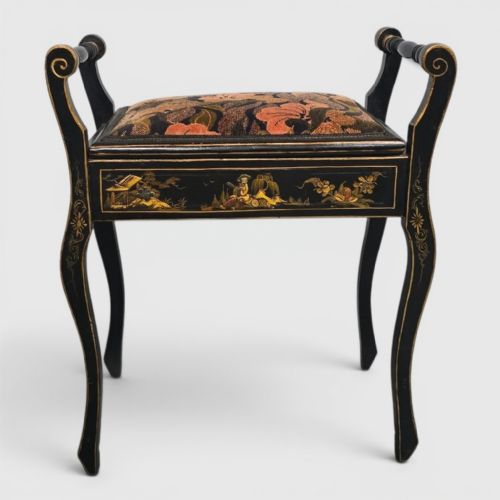
Makers and designers from the Victorian era onward shaped these seats to match prevailing interior fashions, ranging from heavy carved walnut to sleek burr walnut. Buyers encounter styles labelled as Sheraton Revival, Queen Anne, Georgian, and Chinoiserie alongside industrial cast iron and wood swivel designs. The primary function remains adjustable comfort, whether via a revolving mechanism for harpists and pianists or a hinged lid revealing music storage beneath.
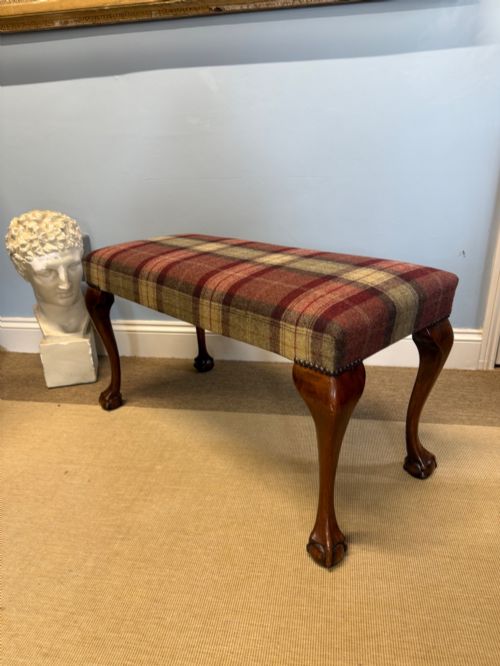
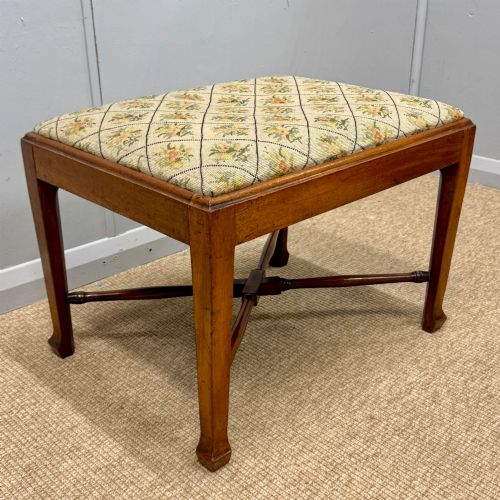
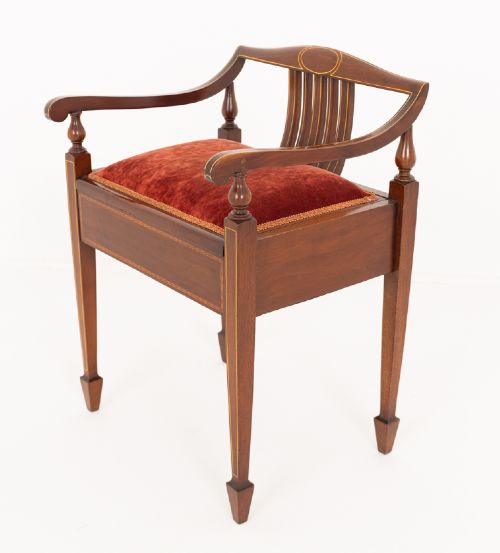
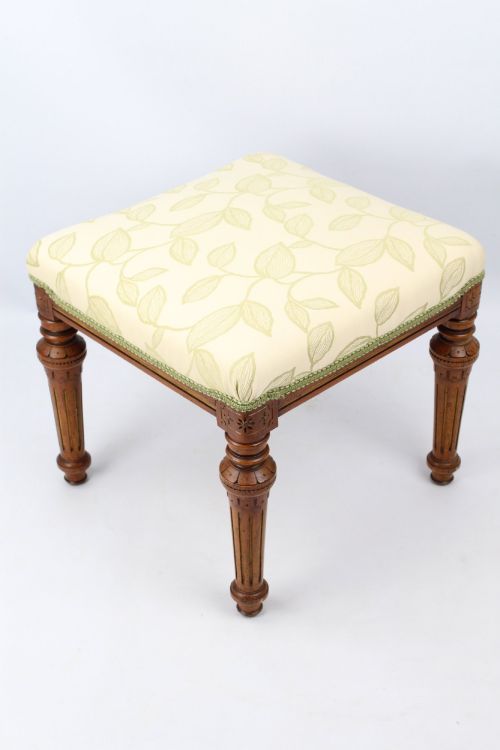
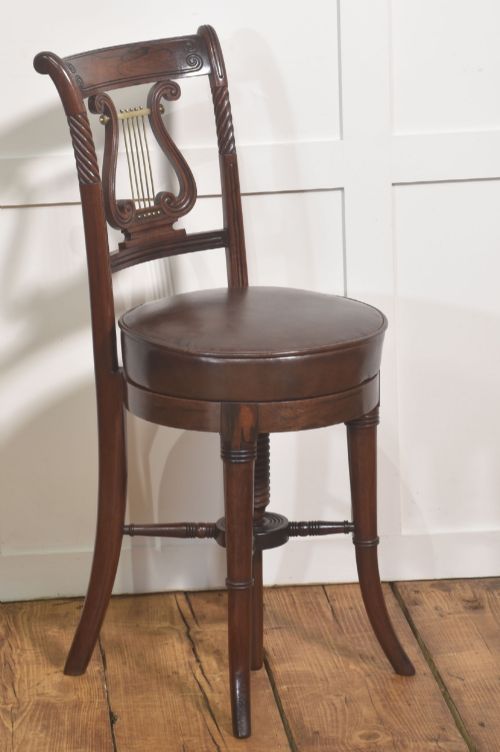
The selection here encompasses everything from simple mahogany piano stools to elaborate giltwood dressing stools and French walnut adjustable seats. Forms vary from rectangular duet piano stools to lyre-back revolving chairs and needlepoint-topped benches. Each piece reflects the domestic habits of its original era, prioritising sturdy construction and tactile upholstery for daily use.
How they were made
Upholstery techniques combined traditional stuffing with durable surface materials including fabric, velvet, leather, tapestry, and needlepoint. Adjustable mechanisms utilised brass screw threads and iron pivots to allow smooth height rotation for musicians.
Materials recorded across current inventory include brass fittings, leather, tapestry, needlepoint, and velvet upholstery paired with rosewood and gilt oak.
What varies in quality
The sophistication of the timber carving and the choice of facing veneers set finer examples apart from utility pieces. Fine burr walnut and figured mahogany with crisp mouldings indicate workshops of higher ambition, whereas plain secondary woods occupy the simpler end.
The engineering of the revolving and adjustable mechanisms dictates daily performance. Smooth, precise height adjustment via well-cast brass or iron components demonstrates superior craftsmanship compared to stiff or loose joints.
Gillows·Harry and Lou Epstein
The Vintage Piano Stool Seat Glossary
- Duet stool
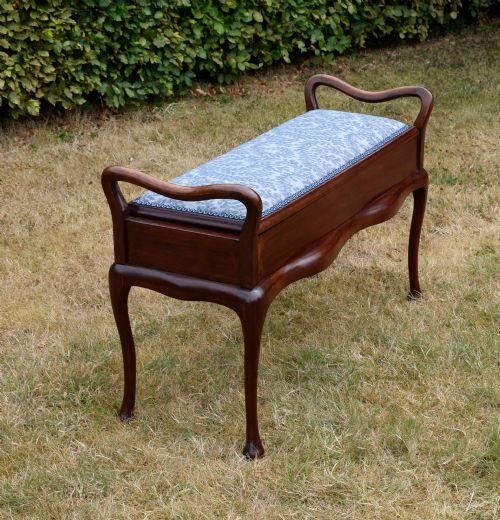
- A wider bench designed to accommodate two players side by side at a piano keyboard. These often feature lift-up lids for sheet music storage.
- Revolving stool
- A seat featuring a threaded spindle or swivel joint allowing the player to adjust their height by turning the top. These are frequently found on music chairs and industrial pieces.
- Cabriole leg
- A furniture leg that curves out and then in, resembling the leg of an animal. This form appears frequently on Victorian and Edwardian walnut pieces.
- Cross stretcher
- Wooden rails connecting the legs near the base to add structural rigidity. They often intersect in an 'X' shape beneath dressing stools.
- Sheraton Revival
- A late nineteenth and early twentieth century style drawing on eighteenth century neoclassical designs. It is characterised by delicate mahogany framing and subtle inlay.
Vintage Piano Stool Seat: Frequently Asked Questions
How do I adjust the height?
Many vintage piano stools feature a central wooden or metal screw mechanism that raises or lowers the seat when rotated. Turning the top clockwise or anticlockwise alters the height for the player.
Other models use side levers or simple swivel pivots. Checking the threaded shaft beneath the seat reveals how the mechanism operates.
Were these seats used only for pianos?
While originally designed for musicians, these seats served multiple domestic functions across the Victorian and Edwardian eras. Many examples double as dressing table chairs, window seats, or compact footstools.
Their adjustable heights and compact footprints made them versatile additions to bedrooms, drawing rooms, and music rooms alike.
How do I identify an Art Deco stool?
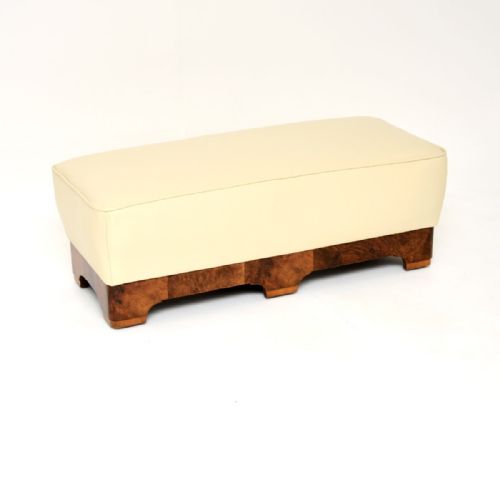
Art Deco piano stools and dressing seats from nineteen thirty typically display smooth, unadorned surfaces of burr walnut or sleek leather upholstery. They favour geometric silhouettes over Victorian carving.
Maker attribution and clean rectangular forms with built-in storage compartments are common indicators of this twentieth century aesthetic.
What is a duet piano stool?
A duet piano stool is an extended bench built to seat two people simultaneously during piano practice or performance. They frequently include a hinged top that opens to reveal internal storage for sheet music.
These wider benches appear in mahogany and walnut across the Victorian and Edwardian periods.