
Vintage Piano Seating
These vintage piano seating pieces combine utility with period design, offering adjustable mechanisms and rich timber frames that collectors seek.
Vintage Piano Seating
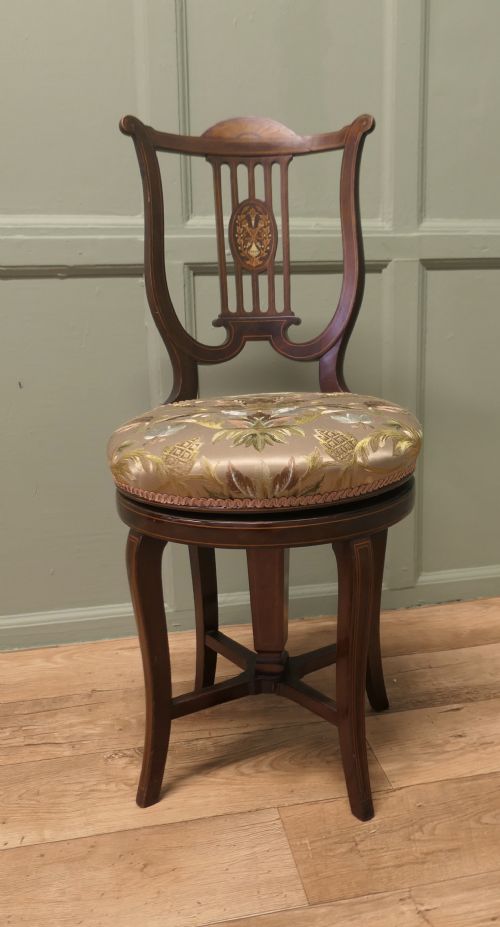
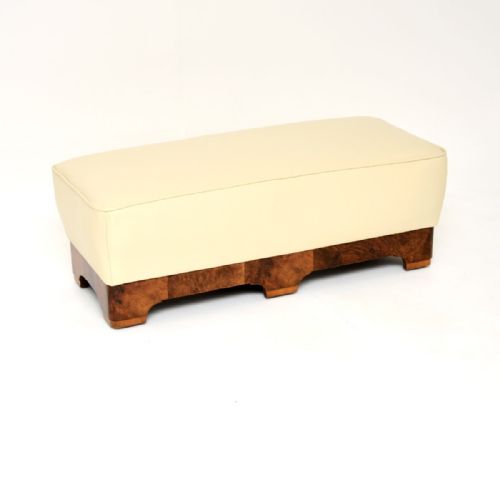
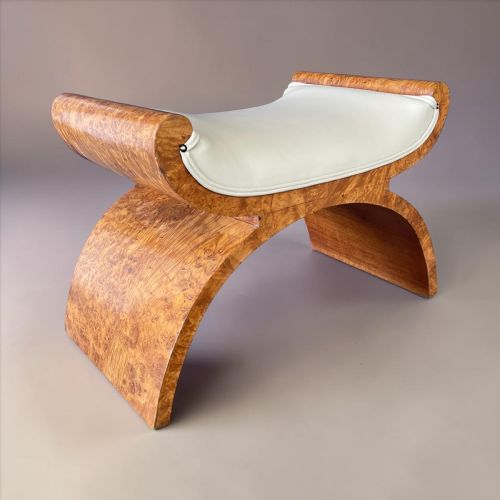
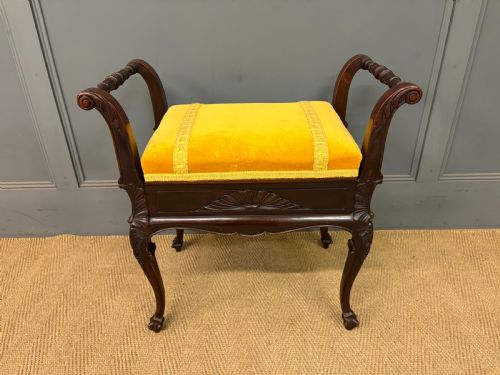
Vintage piano seating encompasses diverse forms such as stools, benches, music chairs, and ottomans originating from periods ranging from the nineteenth century through the Edwardian era and the nineteen-thirties. Buyers examining this category encounter items designed for keyboard instruments and dressing tables alike, spanning single seats and wider duet formats.
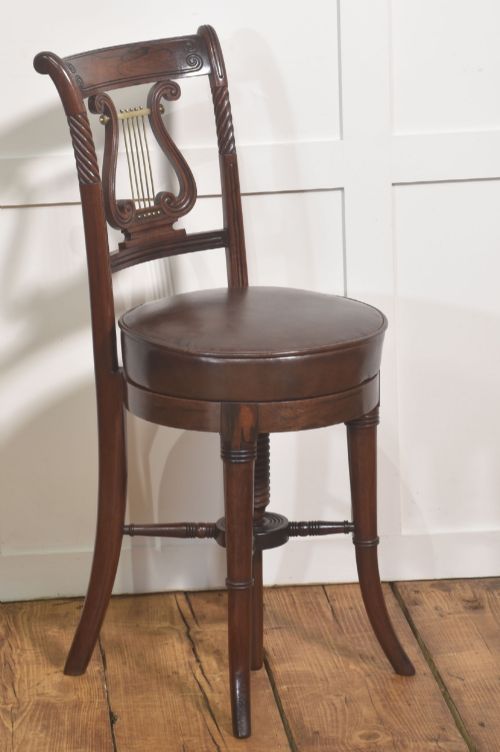
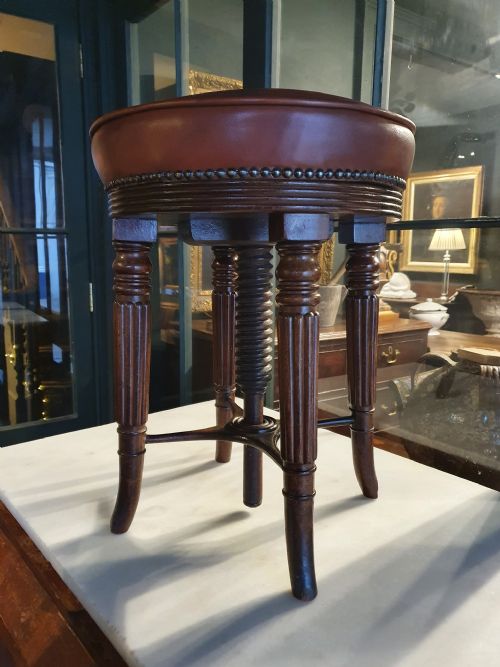
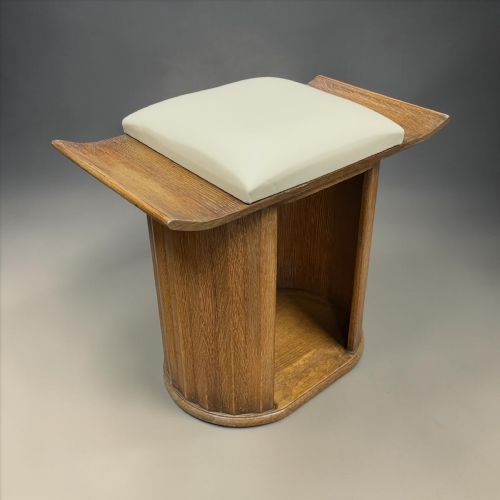
The selections on this page appear predominantly in Edwardian and Victorian styles alongside Art Deco and Georgian Revival pieces. Stools and swivel chairs dominate the selection, often incorporating mechanisms for height adjustment to suit different players.
Materials and construction
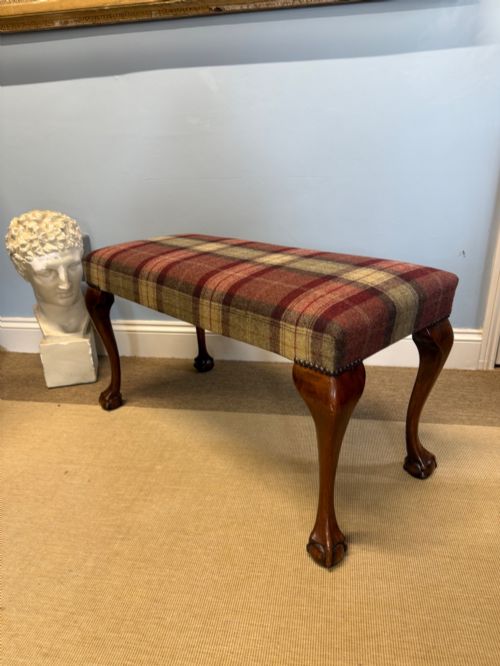
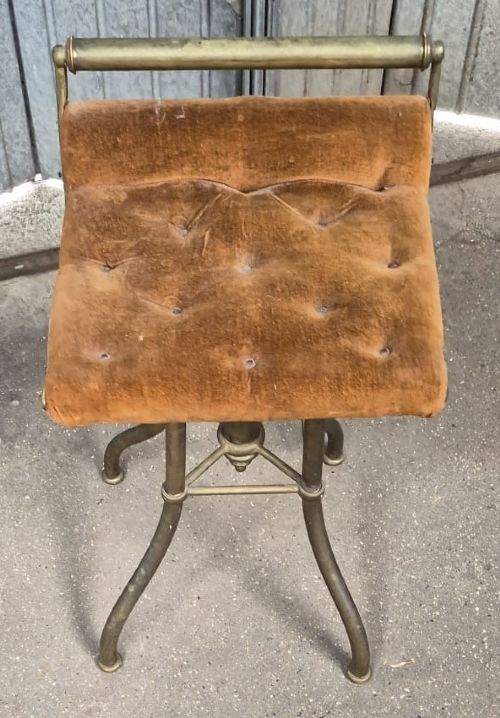
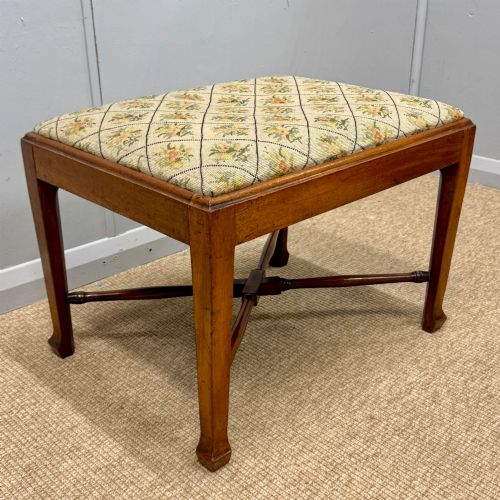
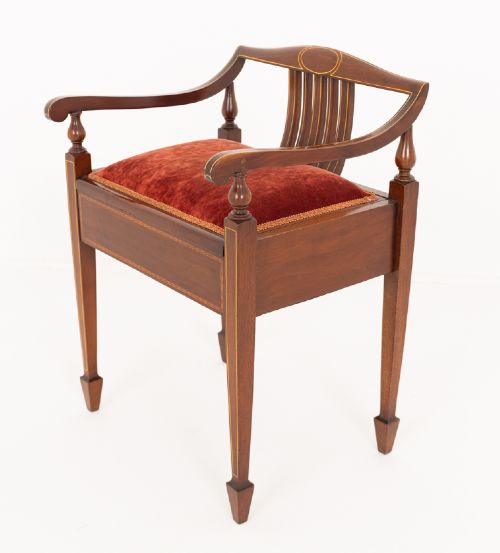
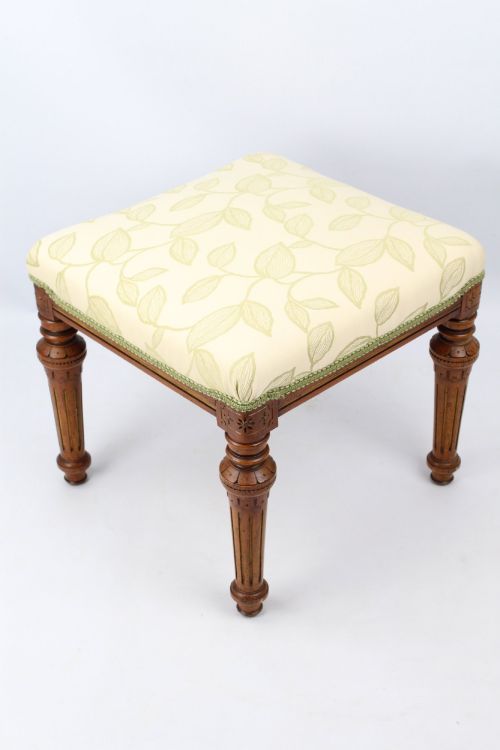
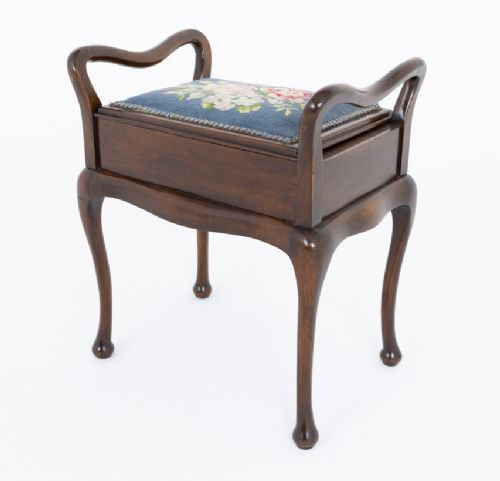
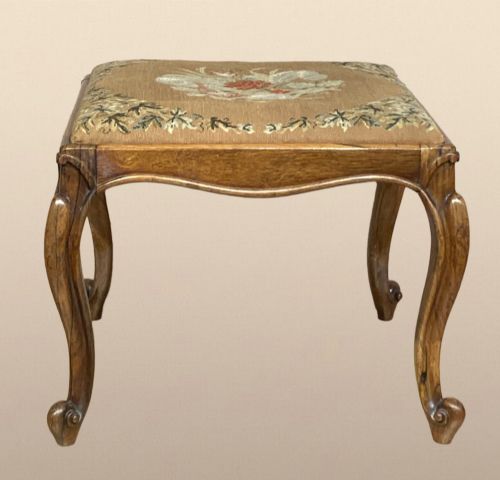
Frames rely heavily on timbers such as mahogany, walnut, rosewood, and oak, frequently shaped with cabriole legs, cross stretchers, or cast iron elements. Cabinetmakers utilised brass for adjustment fittings and hardware, while decorative details sometimes included inlay work and gilt finishes.
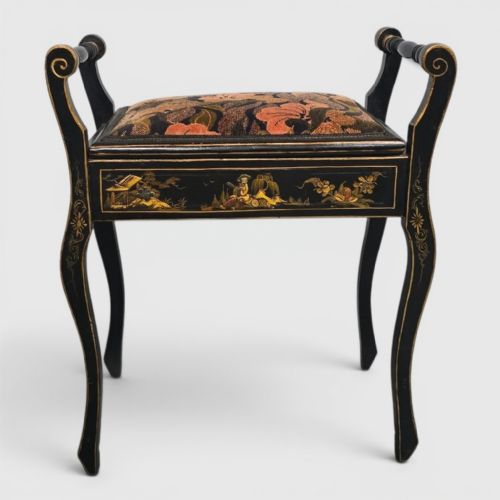
Upholstery forms a major component of these pieces, utilising fabric, leather, velvet, tapestry, and needlepoint. Interior padding supports the seat tops, which are occasionally paired with enclosed storage compartments for sheet music.
Listings feature mahogany, walnut, and rosewood timbers paired with leather, velvet, and needlepoint upholstery across Victorian, Edwardian, and Art Deco periods.
Craftsmanship and materials
Quality separates pieces through the precision of the timber carving and the sophistication of the mechanical adjustment systems, such as revolving screws and rise-and-fall mechanisms. Finer examples display superior wood grain selection, including burr walnut veneers and rosewood.
The integrity of the original upholstery materials and the execution of specialist decorative techniques, like Chinoiserie or intricate needlepoint, distinguish workshop output from standard production.
Harry and Lou Epstein·Gillows
The Vintage Piano Seating Glossary
- Revolving
- Describing a seat that rotates on a central screw mechanism to alter the height.
- Duet stool
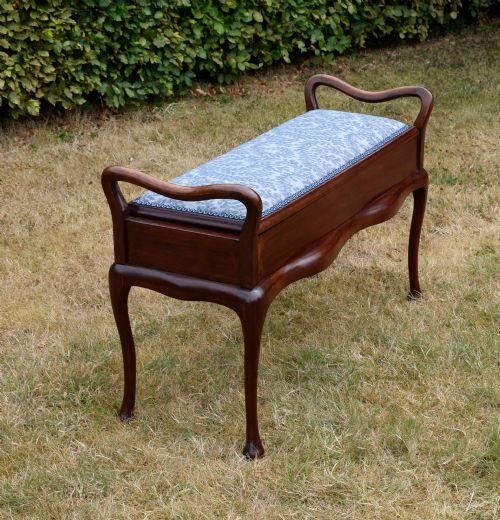
- An elongated bench designed to seat two musicians side by side at a keyboard.
- Cabriole leg
- A furniture leg that curves outward at the knee and inward at the ankle, common on Victorian designs.
- Cross stretcher
- Wooden bracing connecting the legs beneath a stool to provide structural rigidity.
- Needlepoint
- Hand-stitched canvas work utilised as decorative upholstery on seat tops.
Vintage Piano Seating: Frequently Asked Questions
How do adjustable piano stools work?
Many vintage piano seats utilise a threaded central screw mechanism that raises or lowers the circular or rectangular top when rotated. Other examples employ side handles or ratchet systems to alter the height for the player.
These mechanical elements allow precise positioning at the keyboard and often feature brass hardware to facilitate smooth movement.
What is a duet piano stool?
A duet stool is an extended bench built to accommodate two people playing together on the same keyboard. These wider seats frequently incorporate hinged lids that open to reveal compartment storage for sheet music.
Makers constructed these larger benches in matching timber frames such as mahogany or walnut, often matching the aesthetic of larger upright and grand pianos.
Were these seats used only for pianos?
Many pieces designed for music rooms also served double duty at dressing tables or in hallways as window seats. Adjustable revolving chairs accommodated harpists and cellists as well as pianists.
This versatility means surviving pieces appear across multiple room settings today, retaining their original mechanical functions.