



Wooden Piano Bench
A wooden piano bench provides sturdy seating while housing sheet music, and these period examples combine practical utility with refined domestic craftsmanship.
Wooden Piano Bench
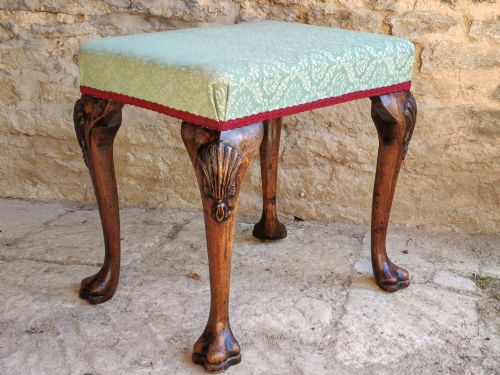
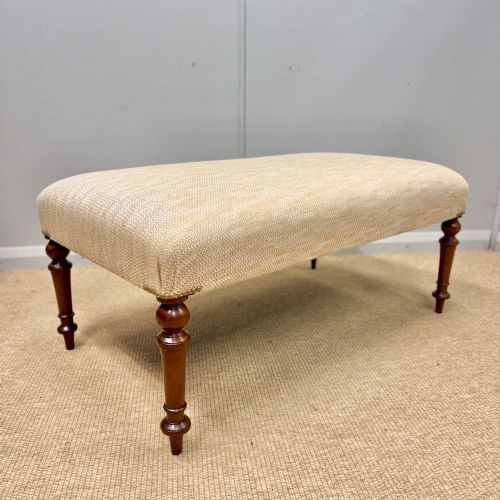
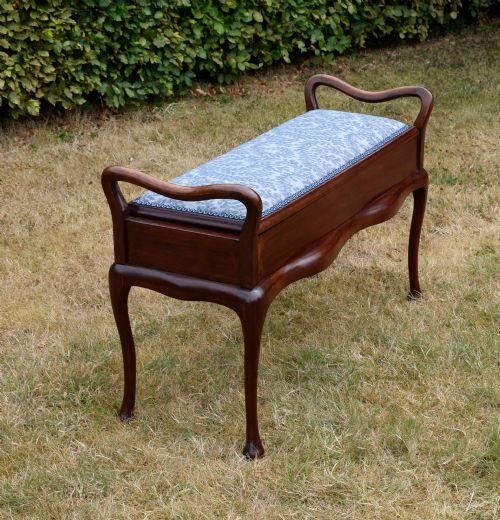
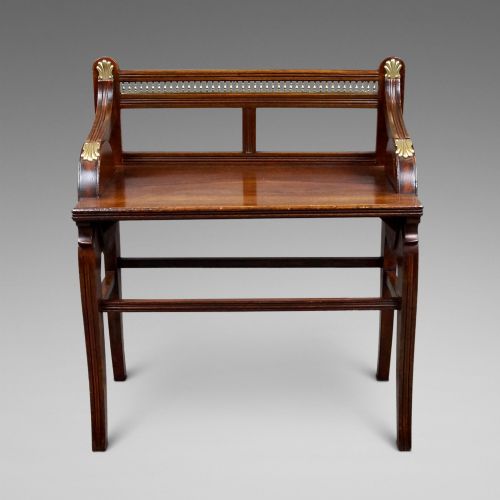
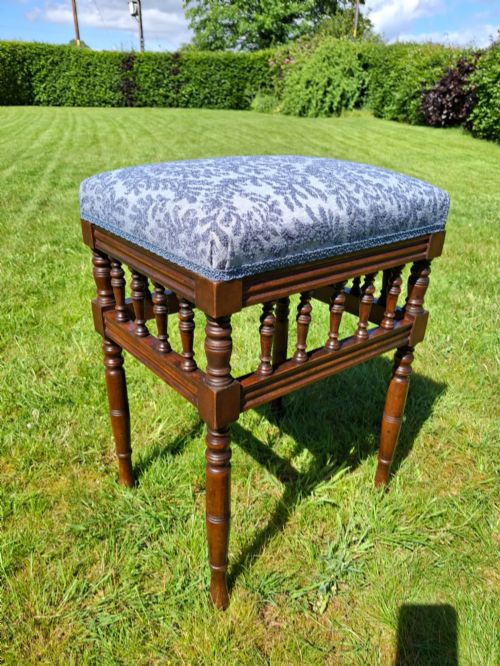
When you search for a wooden piano bench, you encounter seating designed for keyboard players, often featuring lift lids or duet proportions. The examples seen here range from late nineteenth century Victorian and Edwardian pieces to Art Deco creations from the nineteen thirties. Forms include piano stools, duet stools, window seats, and long benches tailored for domestic music rooms.
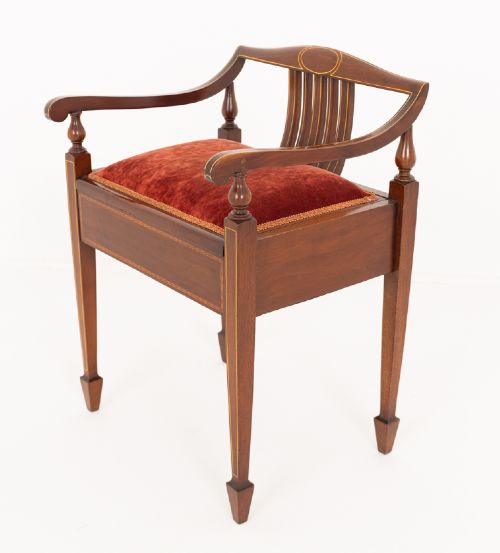
Victorian and Edwardian versions dominate the selection, frequently constructed in mahogany or walnut with period upholstery such as velvet and textile. Styles span from Sheraton Revival and Queen Anne Revival to Aesthetic Movement and Jacobean Revival. These items function equally well as dressing stools or window seats in contemporary spaces.
How they were made
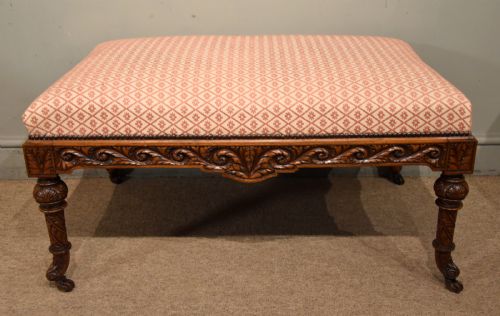
Makers utilised solid timbers including mahogany, walnut, oak, and ebonised woods to construct the frames, frequently applying intricate carving or decorative inlay. Rosewood also appears in nineteenth century pieces, providing dense grain and deep colour. Brass hardware supports adjustable mechanisms and hinges on duet and solo piano stools.
Upholstery forms an essential component of construction, utilising fabrics, textiles, and velvet over supportive padding. Frame assembly relies on traditional joinery methods, visible in carved rosewood dressing stools and X-framed designs from the nineteenth century.
Musicians used to hide extra chocolate rations inside duet stool compartments away from visiting guests.
What varies in quality
The distinction between standard production and finer pieces rests upon the crispness of the timber carving and the sophistication of the inlay work. Edwardian inlaid mahogany benches show varying degrees of precision in their contrasting wood veneers, while Victorian walnut and rosewood frames exhibit deeper relief carving.
Proportion and functionality also differentiate the selection, particularly in duet piano stools that require robust mechanical adjustment or stable long frames. The integration of quality upholstery fabrics and preserved frame finishes distinguishes superior examples from simpler utilitarian seating.
Jas Shoolbred·Harry & Lou Epstein
The Wooden Piano Bench Glossary
- Duet stool
- A wider bench designed to seat two piano players simultaneously. These often incorporate hinged seats for shared sheet music storage.
- Ebonised
- Wood treated with a dark finish to imitate ebony. This technique appears frequently on nineteenth century aesthetic and Victorian pieces.
- Inlay
- Decorative motifs created by fitting contrasting strips of wood into the primary timber surface. Edwardian makers utilised this extensively on mahogany frames.
- X-framed
- Furniture construction where the side supports cross in the shape of an X. This structural form yields considerable strength in nineteenth century rosewood stools.
- Window seat
- An elongated stool designed specifically to fit within a window recess. These share construction traits with piano benches but focus on room seating.
Wooden Piano Bench: Frequently Asked Questions
What is a duet piano stool?
A duet piano stool is an elongated seating bench built to accommodate two musicians side by side at the keyboard. They typically feature a hinged top that opens to reveal interior storage for sheet music.
These pieces emerged to support shared musical practice in Victorian and Edwardian drawing rooms. Their wider proportions make them practical for modern living spaces as hallway or bedroom benches.
How do I identify an Edwardian piano bench?
Edwardian piano benches generally exhibit lighter timbers like mahogany, frequently decorated with delicate wood inlay rather than heavy Victorian carving. Their forms lean towards refined revival styles popular in the early twentieth century.
Examination of the interior joinery and upholstery underframe often helps confirm this period of manufacture. The presence of subtle stringing or satinwood inlay is a strong indicator of Edwardian design.
Can I use a piano bench in a hallway?
Piano benches function exceptionally well in hallways due to their compact depth and sturdy wooden construction. Many include internal compartments that provide concealed storage for shoes or accessories.
Longer duet versions or window seats fit narrow spaces while offering practical seating when putting on shoes. Their decorative carved or inlaid frames add character to entranceways.
What woods were used for these benches?
Cabinetmakers utilised various hardwoods depending on the prevailing style and period of manufacture. Mahogany and walnut remain the most prevalent timbers, offering rich grain patterns suitable for formal parlour furniture.
Oak appears in heavier revival pieces, while ebonised finishes and rosewood denote specific nineteenth century aesthetic preferences. Brass frequently supplements these woods in mechanical adjustment fittings.