


Vintage Persian Flatweave
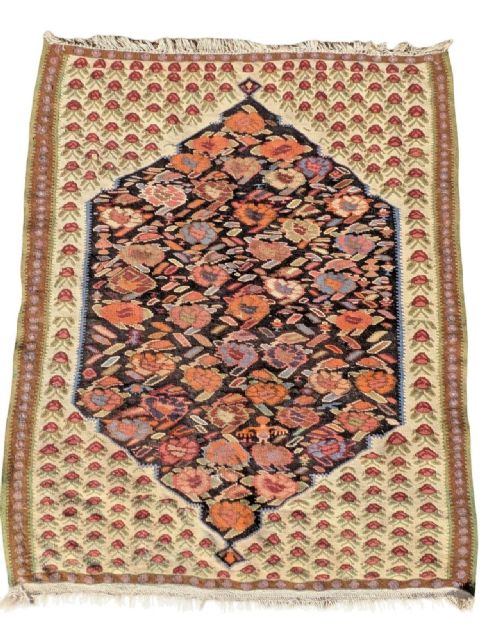
A vintage persian flatweave brings the bold geometric motifs and rich textile traditions of nomadic weavers straight into modern interiors.
Vintage Persian Flatweave
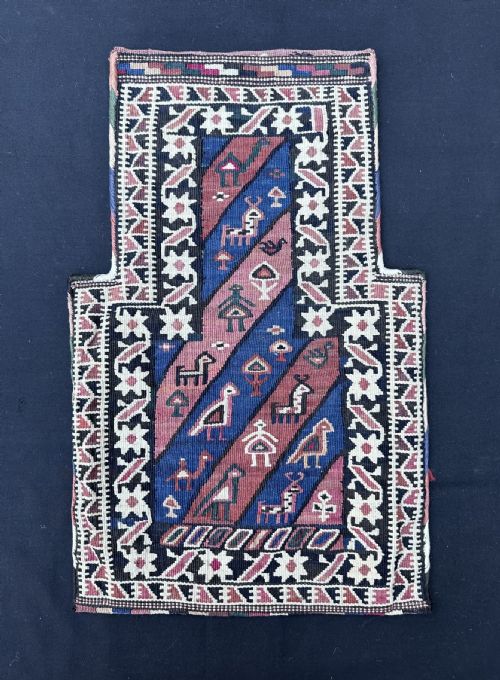
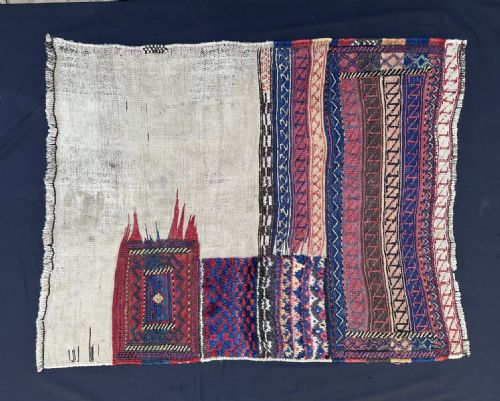
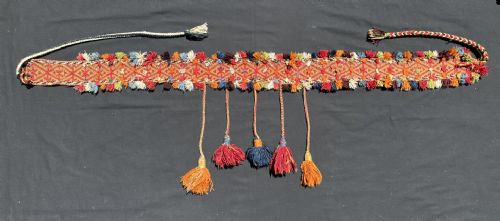
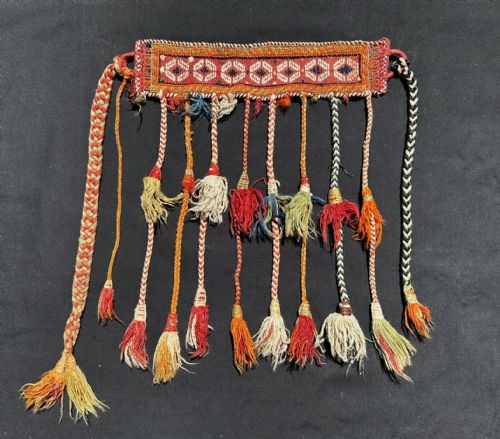
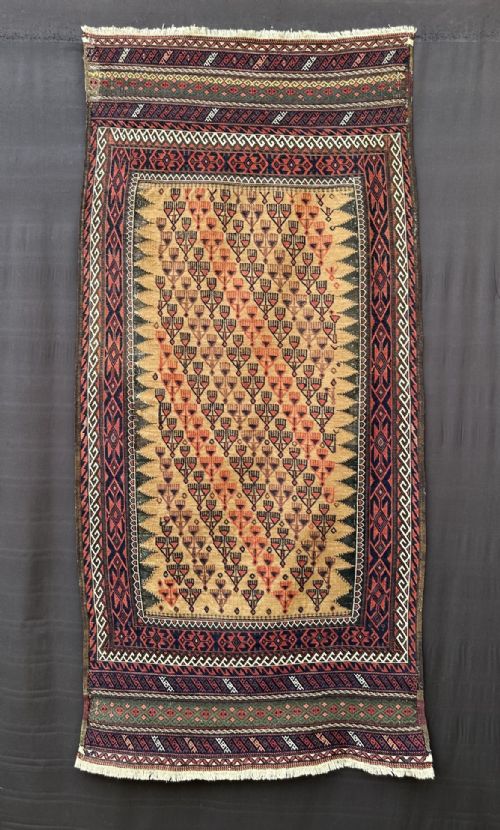
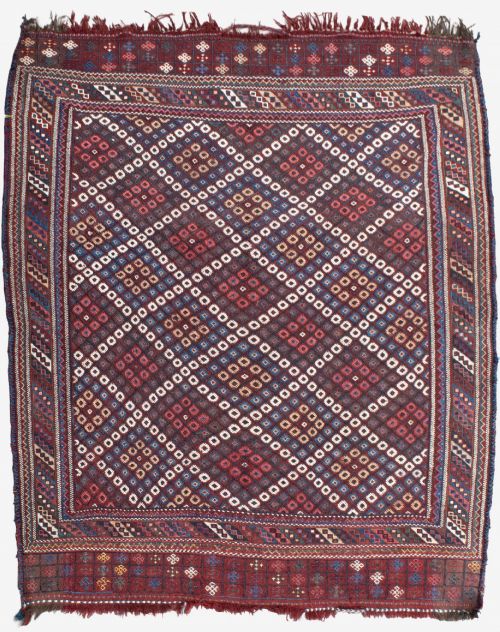
The objects available span from the mid nineteenth century through the early twentieth century, showing periods like 1900, 1920, and 1890. While some examples function as room-sized carpets or narrow runners, others survive as smaller panels, cushions, and bag faces. This variety allows collectors to select everything from large floor coverings to compact wall hangings.
Materials and Techniques
The construction of these flatweaves relies heavily on natural materials harvested and processed by hand. Weavers utilised wool, hand-spun wool, cotton foundations, goat hair, and occasional silk highlights to build durable textile structures without a traditional pile. Natural and vegetable dyes provided the foundational palette, yielding deep tones that soften gracefully over decades of exposure.
Techniques varied by region and purpose, ranging from straightforward slit-tapestry kilim weaving to complex Soumak wrapping and banded weft-work designs. Tribal artisans incorporated goat hair for structural durability along selvages and utilised sturdy cotton warps to support heavy daily use in nomadic camps.
Listings feature pieces spanning from the mid-nineteenth century to the 1930s, constructed from hand-spun wool, cotton, goat hair, and natural dyes.
Evaluating the Pieces
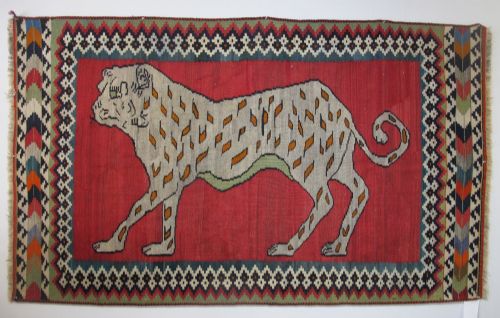
Quality in these textiles rests upon the precision of the weave and the complexity of the tribal iconography. Tighter structures with clean geometric lines or pictorial elements like animal and lion motifs demonstrate superior technical control by the weaver. The vibrancy and stability of natural dyes also set finer examples apart from simpler utilitarian items.
Condition and completeness heavily influence the standing of a piece. Survival of original flatweave backs on storage bags, intact side cords, and minimal historical repairs preserve the integrity of the object. Pieces that retain their full tribal character and structural soundness command greater appreciation from collectors.
The Vintage Persian Flatweave Glossary
- Kilim
- A flat-woven carpet or rug produced without a pile by tightly interlacing warp and weft strands. This technique creates a lightweight textile with identical patterns visible on both sides.
- Sofreh
- A textile spread or cloth traditionally used for dining, serving bread, or processing dough within nomadic households. These rectangular flatweaves often feature minimalist geometric borders and fields.
- Soumak
- A brocade-like flat-weaving technique where coloured weft threads are wrapped around warp threads in a continuous motion. This method produces a textured surface with extra structural weight.
- Tacheh
- A specific type of tribal storage bag or wheat sack utilised by nomadic groups in western Persia. They often display banded chevron patterns or specialised utility closures.
- Jajim
- A strong, durable flat-woven textile typically assembled from narrow woven strips joined together. They served multipurpose functions in nomadic tents as bedding covers or storage bands.
Vintage Persian Flatweave: Frequently Asked Questions
What is a tribal sofreh?
A sofreh is a flat-woven textile used traditionally as a dining cloth or bread-making surface in nomadic households. These utilitarian pieces double as striking geometric floor coverings or wall displays.
Nomads relied on them for daily domestic life, which accounts for the sturdy wool and goat hair construction found in surviving examples.
How do I care for a flatweave rug?
Regular gentle vacuuming without a rotating brush roll keeps dust from settling into the flat weave structure. Professional cleaning tailored to antique wool textiles ensures the natural dyes remain stable.
Placing a breathable rug underlay beneath the piece prevents slipping and reduces friction against hard flooring.
How are Qashqai kilims identified?
Qashqai kilims originate from the nomadic confederations of the Fars province in south-west Persia. They frequently feature deep indigo grounds, medallion layouts, and distinct animal or lion motifs.
The wool used in these pieces is typically hand-spun and dyed with rich natural substances that weather into subtle patinas.
What is the difference between a kilim and a soumak?
A kilim is created using a flat slit-tapestry weave that leaves the surface smooth and pattern flat. A soumak incorporates wrapped weft threads that create a raised, textured surface on the face of the textile.
Soumak structures generally offer heavier weight and greater durability than standard flat-woven kilims.