





Vintage Persia Mat
These vintage persia mat pieces are hand-knotted and flatwoven tribal floor coverings created to bring centuries of weaving heritage into domestic spaces.
Vintage Persia Mat
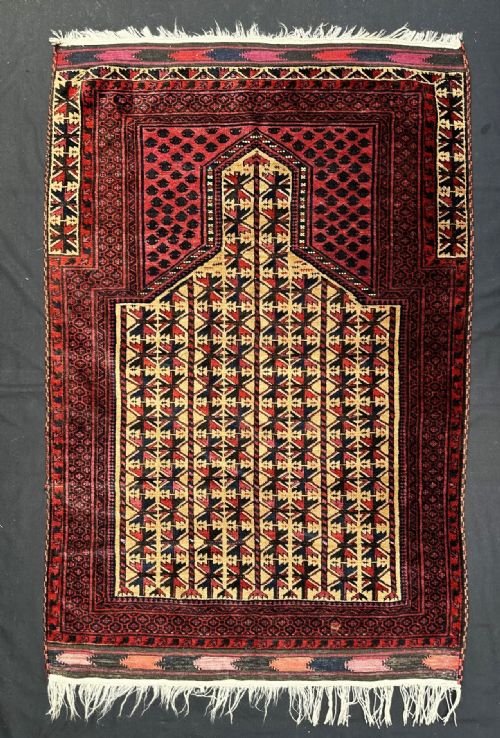
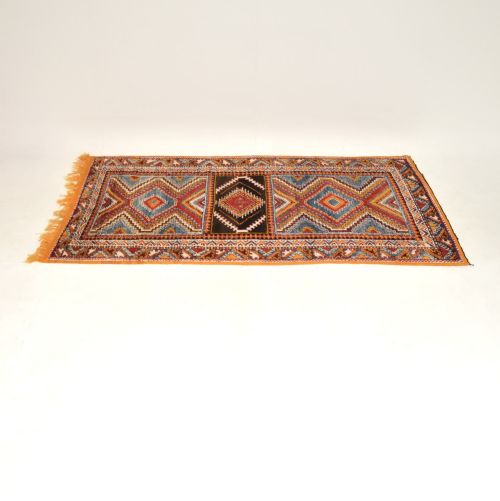
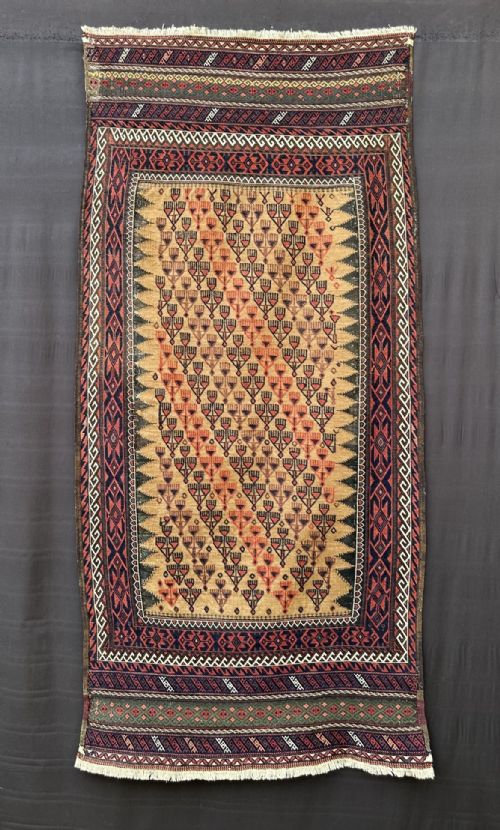
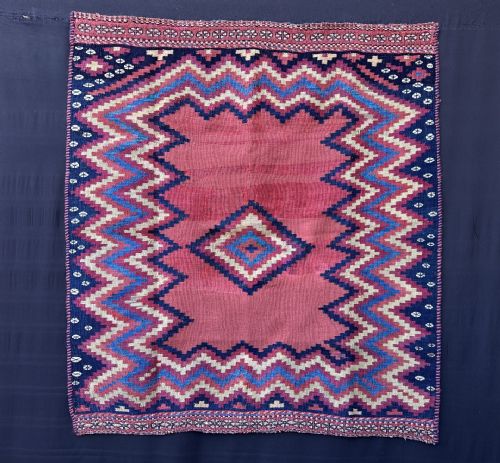
A vintage persia mat brings together diverse tribal and village traditions from across the Iranian plateau, including nomadic works by Afshar, Baluch, and Luri makers. These floor coverings and textiles range from compact prayer rugs and saddlebag faces to utilitarian bread sofreh and dining flatweaves.
The most common examples on this page date from the late nineteenth century through the early decades of the twentieth century. They reflect regional designs influenced by Persian tribal aesthetics, utilising wool and cotton foundations with varied geometric and pictorial motifs.
Materials and construction
Weavers constructed these pieces using hand-spun wool for the pile and structure, frequently incorporating natural dyes to achieve rich, enduring hues. Cotton foundations provide stability in many village rugs, whilst camel hair appears in select nomadic pieces.
Techniques vary from dense pile knots in city and village workshops to flatwoven kilim and sofreh structures used by tribal groups. The integration of natural colourants results in subtle tonal variations across the surface of each textile.
Vintage Persia Mat Retail Price Guide 2026
Typical asking prices for vintage persia mat among the pieces listed under this phrase on Sellingantiques today, from the lower quarter to the upper quarter. They describe what is for sale here now, not the wider market.
The listings span production dates from the 1870s through the 1930s, featuring wool, cotton, and camel hair materials.
Assessing quality and execution
Quality in these textiles rests upon the precision of the knotting or weave, the integrity of the wool, and the depth of the natural dyes. Finer tribal and village pieces exhibit tighter construction and more deliberate composition in their geometric or figurative layouts.
The handling of the border design and the balance of the central field distinguish superior examples from standard utility pieces. Preservation of original selvedges and ends also plays a significant role in the overall integrity of the textile.
The Vintage Persia Mat Glossary
- Sofreh
- A flatwoven or textile spread traditionally used for eating, kneading bread, or serving meals. These pieces often feature striking minimalist or tribal geometries.
- Prayer rug
- A small rug designed with a Mihrab or arch motif to indicate the direction of prayer. They were produced extensively by Baluch and other regional weavers.
- Flatweave
- A textile produced without a pile by interlocking warp and weft threads. Examples include kilims and dining sofrehs found across western and southern Persia.
- Natural dyes
- Colourants derived from plants, insects, and minerals rather than synthetic compounds. They yield harmonious patination and soft ageing over decades.
Vintage Persia Mat: Frequently Asked Questions
How were these mats originally used?
Nomadic and village communities utilised these textiles for daily domestic life, including dining spreads, prayer, and storage via saddlebags.
Many items served specific practical functions, such as the bread sofreh used during meal preparation in tent households.
How do I care for a vintage Persian rug?
Protect the textile by vacuuming gently without a rotating brush bar and keeping it away from prolonged direct sunlight.
Professional cleaning tailored for antique wool textiles ensures the natural pile and dyes remain preserved.
How can I tell tribal rugs apart?
Tribal attributions rely on distinct structural traits, wool characteristics, and specific geometric vocabulary associated with groups like the Afshar or Baluch.
Regional palettes and specific border motifs further help identify whether a piece originated in Khorasan, Kerman, or Luristan.
What is a saddlebag face?
A saddlebag face is the front panel of a larger paired animal bag used by nomads for transport and storage.
These fragments survive as compact rugs displaying concentrated tribal iconography and dense knotting.