


Vintage Persia Flatweave
Vintage Persia flatweave textiles are nomadic tribal flatweaves made for daily utility, offering buyers rich geometry and enduring natural dyes.
Vintage Persia Flatweave
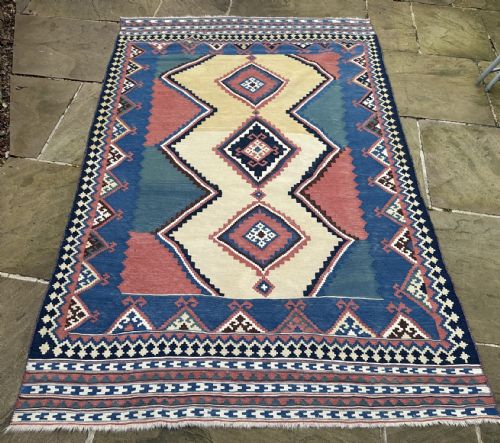
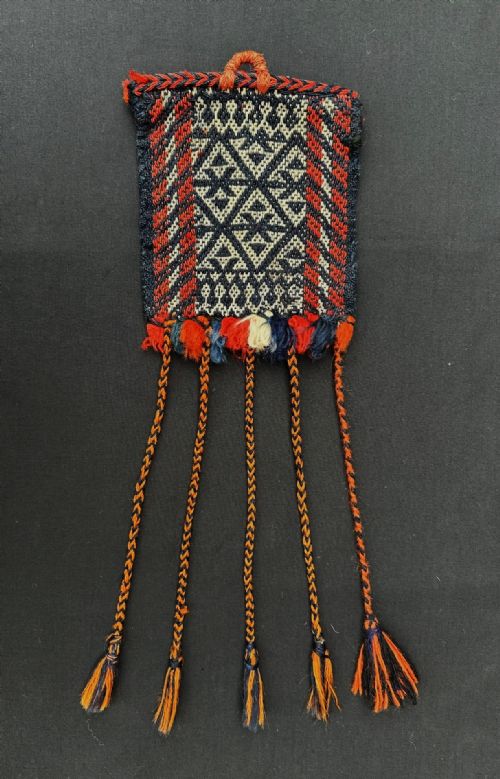
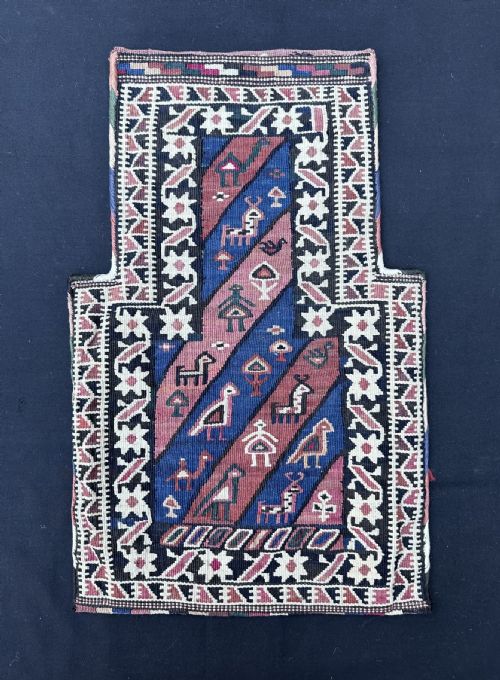
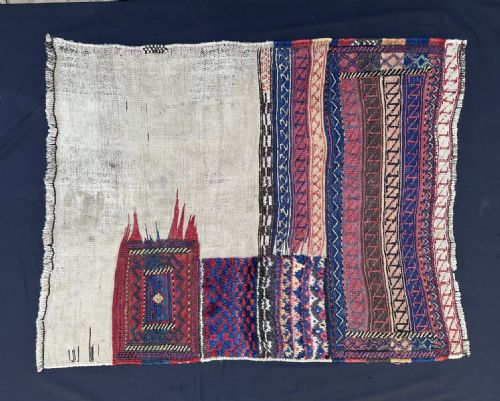
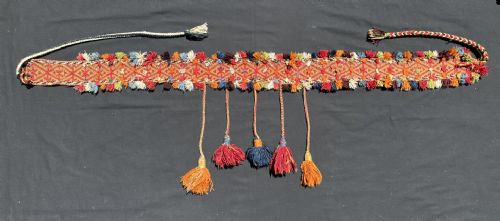
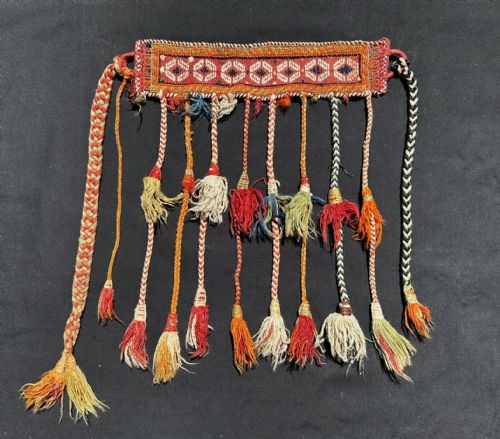
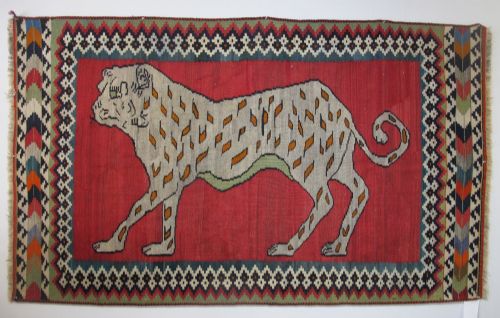
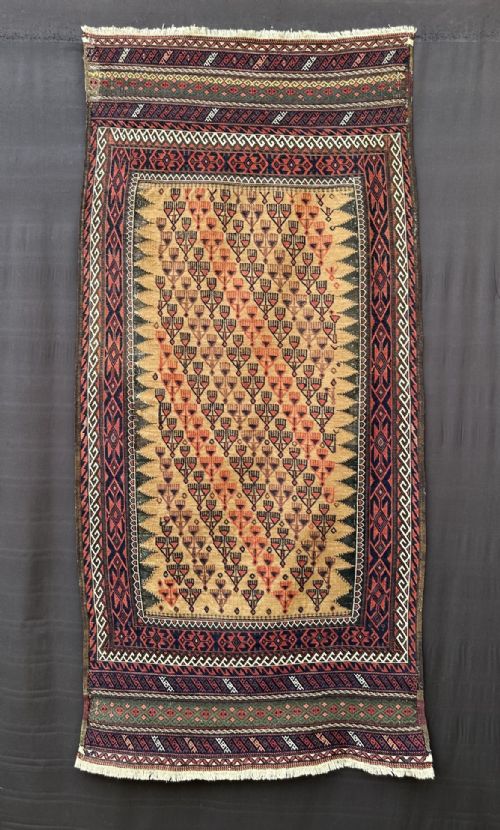
When you search for a vintage persia flatweave, you encounter utilitarian tribal textiles created by nomadic groups across western, southern, and north-eastern Persia. These pieces include bread sofreh, dining sofreh, animal trappings, salt-bags, tacheh wheat-sacks, and kilim rugs.
The objects originate from specific tribal confederations and regions such as the Qashqai, Afshar, Lori-Bakhtiari, Kurdish, Timuri, and Senneh communities. Production dates span from the late nineteenth century into the early decades of the twentieth century, reflecting traditional weaving methods passed down through generations.
How they were made
Weavers relied on hand-spun wool, cotton, goat hair, and camel hair to construct these flatweaves without a pile. Natural dyes provided the deep colour palette, derived from local plants and minerals utilised by nomadic dyers.
Techniques varied between slit-tapestry kilim weaving, soumak wrapping, and specialised structural weaves designed to endure heavy use in nomadic camps. The resulting textiles combined functional strength with intricate geometric and symbolic patterning.
Origin regions represented include the Chahar Mahal valley, Fars province, Kerman, and the borderlands of Persia and Afghanistan.
What varies in quality
Quality rests upon the fineness of the weave, the complexity of the tribal design, and the clarity of the natural dyes. Tighter construction and sophisticated layout distinguish superior tribal pieces from simpler utility work.
Condition and integrity of the original wool or hair fibres also shape the standing of a piece. Preserved edges, intact start and end finishes, and uncompromised structural tension mark the upper tier of these textiles.
The Vintage Persia Flatweave Glossary
- Sofreh
- A woven spread or cloth utilised for dining, bread making, or food preparation among nomadic tribes. These textiles often display minimalist geometric fields bordered by tribal motifs.
- Tacheh
- A traditional grain, wheat, or storage sack woven by tribal groups such as the Lori-Bakhtiari and Kurds. They combine durable utility construction with expressive regional patterns.
- Soumak
- A brocade-like flatweave technique where pattern yarns are wrapped over the warp threads before being beaten down. This method adds structural thickness and textural depth to the textile.
- Kilim
- A tapestry-woven rug or flatweave produced without a pile by interlocking horizontal woofs over vertical warps. This technique creates crisp geometric edges along the colour changes.
- Qashqai
- A confederation of nomadic pastoralist tribes based primarily in the Fars province of south-west Persia. Their textiles are celebrated for bold tribal layouts and saturated natural dyes.
Vintage Persia Flatweave: Frequently Asked Questions
What is a sofreh used for?
Nomadic families laid a sofreh upon the ground to serve as a clean surface for rolling dough, baking bread, and sharing communal meals. They functioned as essential household items rather than decorative floor coverings.
Once the meal concluded, the cloth was folded or hung away, protecting the stored flour and bread from dust in the tent environment.
How do I identify a Qashqai flatweave?
Qashqai flatweaves usually originate from the Fars province and exhibit characteristic geometric medallions, animal motifs, and rich dark blue or terracotta tones. The handling of the wool reveals a dense, resilient structure.
Tribal weavers often incorporated asymmetric details and characteristic slit-tapestry techniques that distinguish these southwestern pieces from northern or eastern Persian weaving.
Can these flatweaves be used on floors?
Many of these textiles function well as light floor rugs or runners in low-traffic areas of the home. Their flat construction means they lack a traditional pile, sitting close to the ground.
For fragile or older utility pieces like delicate grain sacks, hanging them on a wall or displaying them as a table spread protects the vintage fabric from abrasive foot traffic.
What is the difference between a kilim and a soumak?
A kilim is constructed using flat slit-tapestry weaving where the weft threads are pulled tight to cover the vertical warps completely. This creates a smooth, reversible surface with sharp geometric pattern lines.
Soumak involves wrapping coloured weft threads around the warps in a continuous motion, leaving floating threads on the reverse side. This technique produces a heavier, more rigid textile with distinct raised surface textures.