
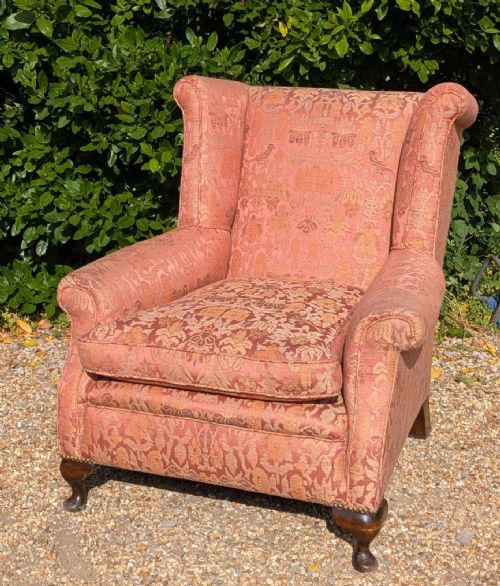
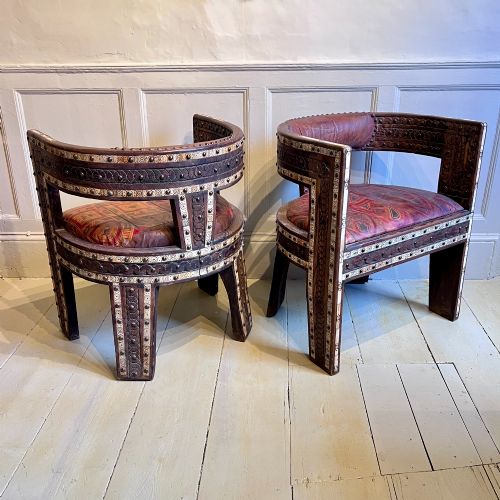
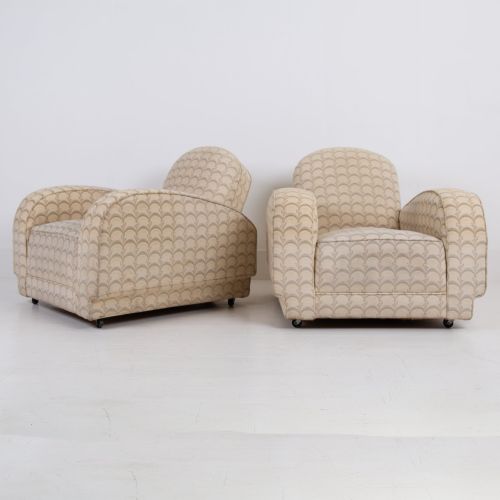
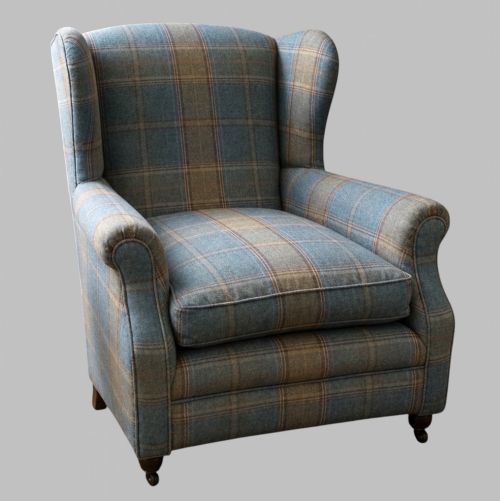
Vintage Patterned Armchair
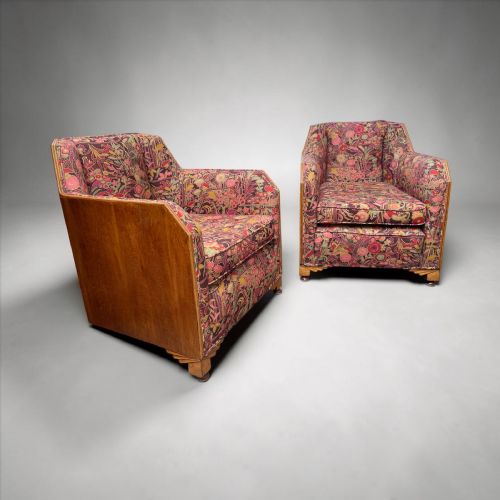
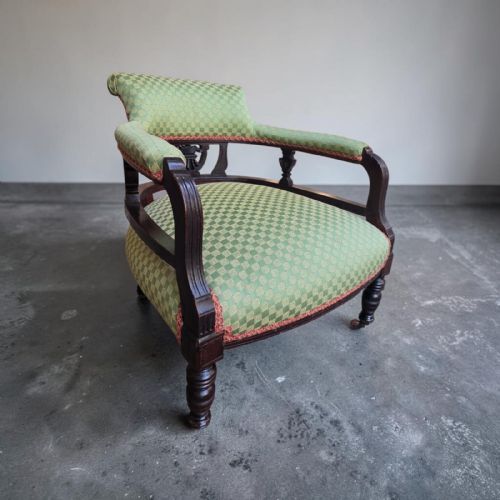
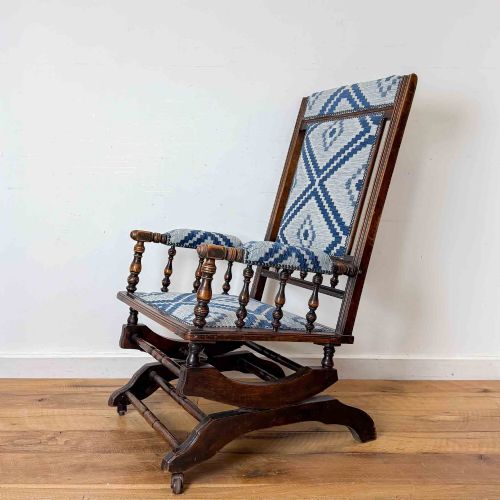
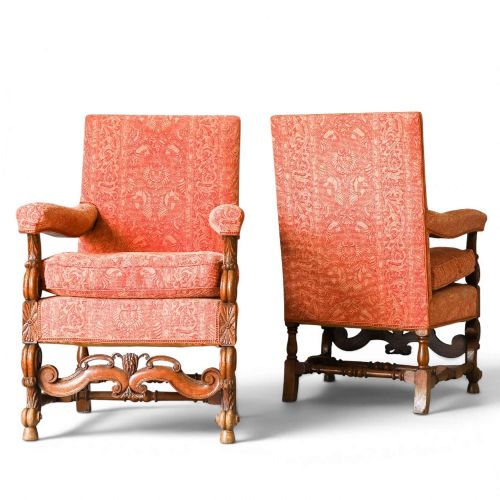
These vintage patterned armchairs bring character to a room through varied textiles and enduring wooden frames.
Vintage Patterned Armchair
A vintage patterned armchair brings character to a sitting room through textile choices that range from wool plaids to printed themes. You meet designs spanning the Victorian and Edwardian eras alongside later twentieth-century styles.
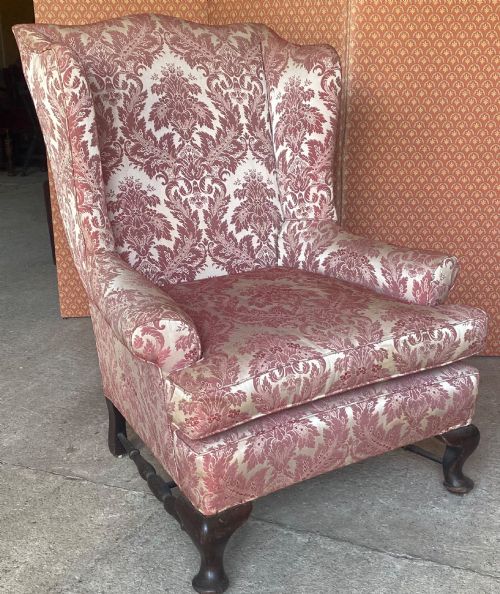
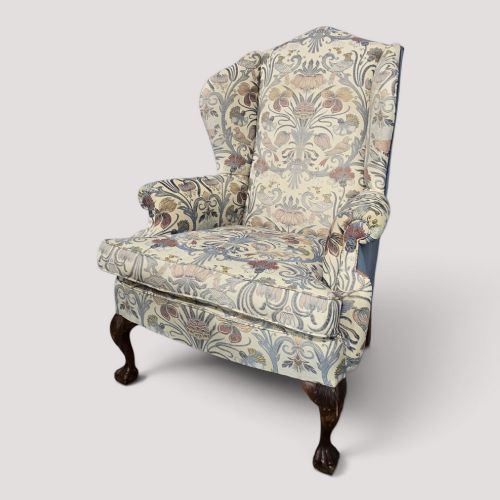
The selection here includes upholstered wingbacks, library chairs, and rocking variants built on timber frames. Fabric patterns sit atop woods such as mahogany, walnut, oak, and rosewood.
Makers and makers' types represented include Howard & Sons, James Shoolbred, Heals, and Dryad & Co. Pieces often arrive covered in specific textiles like Mulberry Shetland plaid or horse racing themes.
Assessing construction and upholstery quality
Frame integrity dictates the foundation, where sturdy hardwoods and tight joints separate robust seating from loose construction. Original timber shows depth through grain and patination.
Upholstery execution defines the finish, with careful pattern matching across cushions and backrests signalling superior workshop execution. Internal padding materials range from basic stuffing to feather filled support.
One Edwardian armchair arrives upholstered in an unexpected horse racing theme fabric.
Howard & Sons·James Shoolbred·Whytock & Reid·Dryad & Co
The Vintage Patterned Armchair Glossary
- Bergère
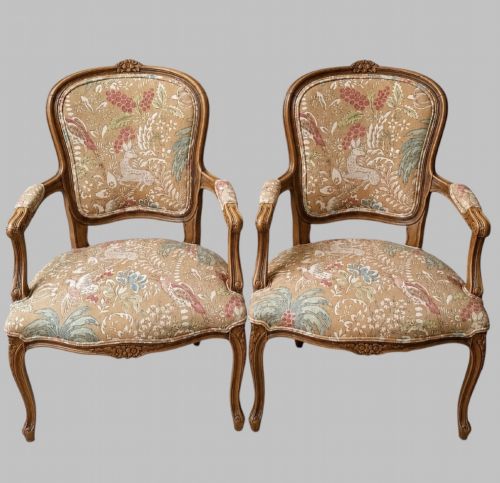
- A closed-arm armchair with cane or upholstered panels set into a wooden frame. This French style gained popularity in various forms throughout the nineteenth and twentieth centuries.
- Wingback
- An armchair with side panels attached to the arms and back to shield the sitter from draughts. These upholstered seats often feature patterned wool or printed textiles.
- Barley twist
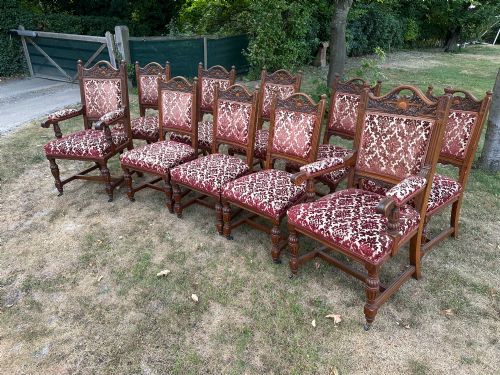
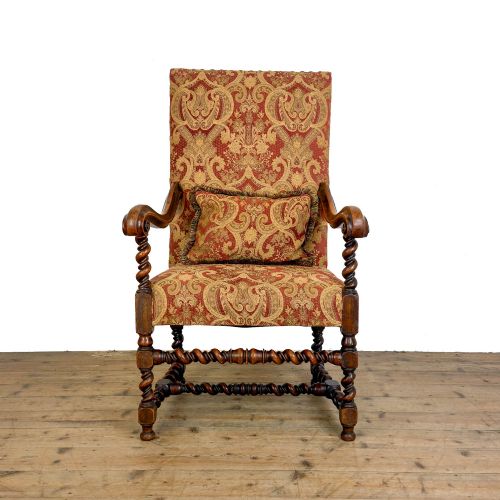
- A type of turned woodwork resembling a spiralling rope. You find this decorative carving on the legs and supports of Victorian and Edwardian chairs.
- Tub chair
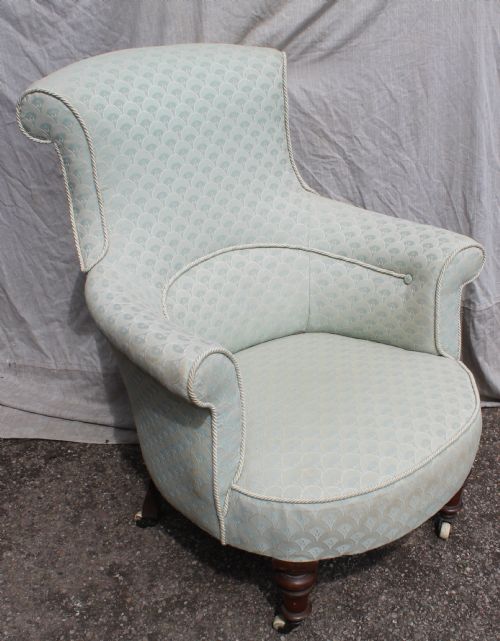
- A seating form with a rounded back that curves continuously into the arms. These upholstered chairs often sit low to the ground.
- Slipper chair
- A low-seated upholstered chair originally designed for bedrooms. They appear in nineteenth-century forms without arms for ease of movement.
Vintage Patterned Armchair: Frequently Asked Questions
How do I date a vintage patterned armchair?
Dating relies on combining the timber type, upholstery style, and construction methods visible in the frame. Early examples display Victorian or Edwardian turning, while later pieces adopt Art Deco geometric lines.
Looking beneath the upholstery or inspecting the timber underneath often reveals construction clues. Comparing the silhouette against known period styles helps narrow down the decade of manufacture.
Are these chairs suitable for daily use?
Most wooden-framed armchairs are structurally sound for regular sitting room use. Checking the internal webbing and springs ensures the seat maintains proper support over time.
Fabric durability depends on the chosen textile and whether the piece has received recent reupholstery. Feather filled cushions require occasional plumping to maintain their original shape.
How do I clean patterned upholstery?
Cleaning methods depend entirely on the specific textile used on the chair cover. Wool, cotton, and blended fabrics each require appropriate care to avoid damaging the pattern.
Professional cleaning is advisable for antique or vintage textiles to protect the fibres. Vacuuming with a soft brush attachment removes surface dust without harming the weave.
What is a bridge-water armchair?
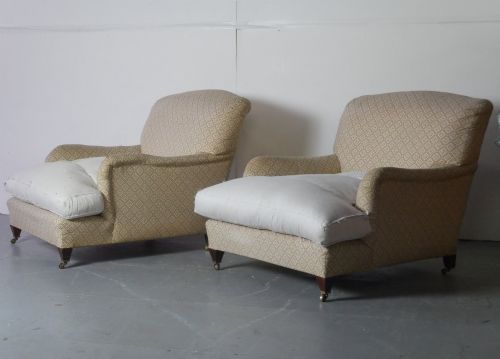
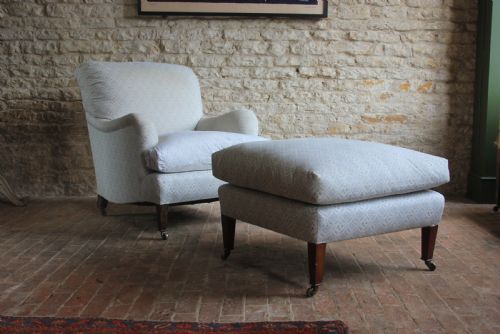
A Bridgewater armchair is a traditional English seating design characterised by low arms and a relaxed profile. These pieces often feature generous padding and comfortable loose cushions.
Maker examples from firms like Howard & Sons set a high standard for this armchair style. They pair well with matching footstools and patterned wool or plaid covers.