

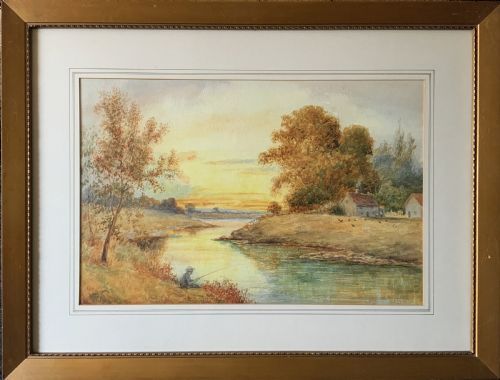


Vintage Pastoral Scene Artwork
When you search for vintage pastoral scene artwork, you find oil and watercolour paintings of fields, farmhands, and livestock spanning centuries of rural life.
Vintage Pastoral Scene Artwork
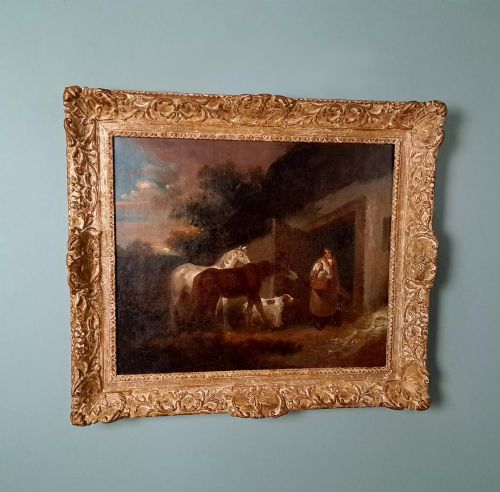
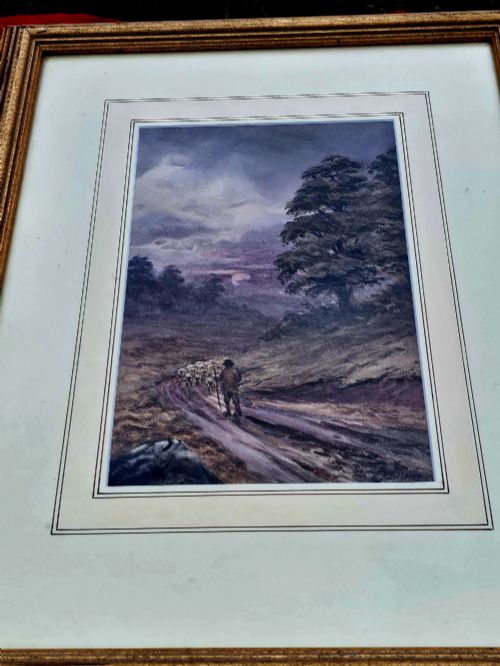
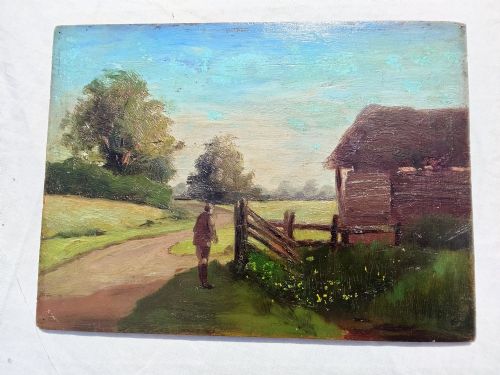
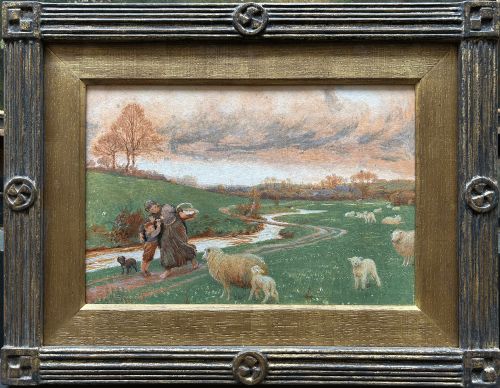
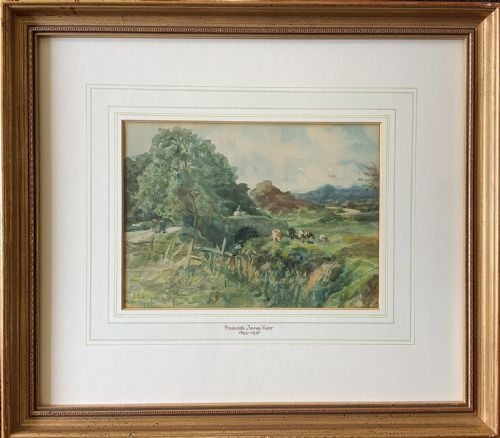
Vintage pastoral scene artwork depicts traditional rural subjects such as cattle in woodland, sheep herding, farm hands at harvest time, and thatched cottages by streams. These pieces capture the rhythm of country life through various British and European artistic movements.
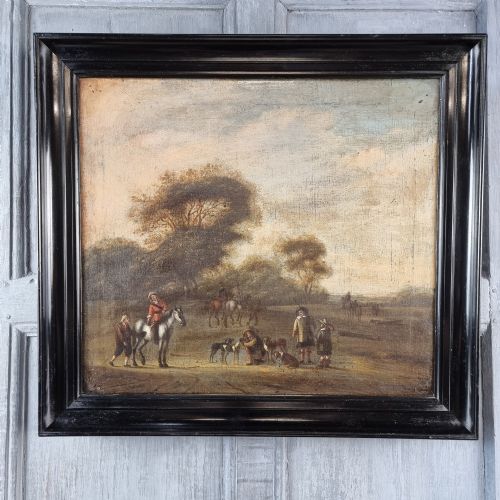
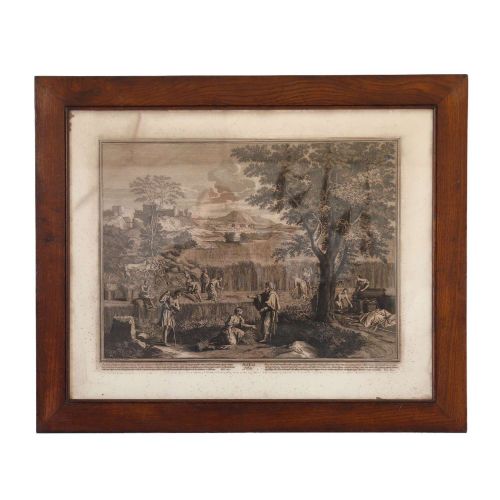
The versions most commonly met on this page include watercolours and oil paintings originating from the nineteenth and early twentieth centuries, alongside occasional seventeenth-century engravings and landscapes. Works span Victorian realism, Edwardian pastoral styles, and British impressionism.
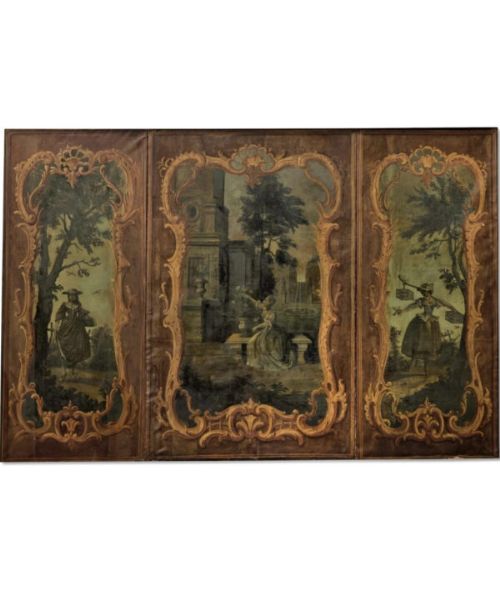
Subjects range from grand grisaille triptychs to intimate miniatures and framed watercolours, reflecting diverse interpretations of the countryside by named painters and the English School.
How They Were Made
Artists applied oil paint or watercolour pigment onto traditional supports such as canvas, paper, wooden boards, and panels. Oil on canvas and watercolour on paper dominate the selection.
Many works feature hand-applied signatures, original frames, and specific preparatory techniques like grisaille or polychrome layering. Pigments are handled through impressionist brushwork or meticulous realism depending on the period.
Geese, ducks, and cattle populate these historic fields far more often than people do.
What Varies in Quality
The distinction between standard works and exceptional examples lies in the fidelity of the brushwork and the expressive capture of light and atmosphere. Masterpieces by recognised artists command attention through confident handling of form and depth.
Condition of the canvas or paper, preservation of original pigment vibrancy, and the presence of period-appropriate framing contribute significantly to the standing of an individual piece.
William Joseph Shayer Senior·Ernest Higgins Rigg·John Sanderson Wells·Benjamin Williams Leader·Harry Sylvester Stannard
The Vintage Pastoral Scene Artwork Glossary
- Grisaille
- A painting executed entirely in shades of grey or greyish-blue, often used for decorative schemes or as a monochrome underpainting.
- Watercolour pigment
- A paint consisting of colorants suspended in a water-soluble vehicle, frequently applied to paper for delicate landscape studies.
- Oil on canvas
- Pigment bound in a drying oil medium applied to stretched woven fabric, offering rich colour depth and durability.
- English School
- A designation for artists working within England whose shared stylistic traits define a national tradition.
- Pastoral scene
- An artistic representation depicting the idealized rural life of shepherds, farmers, and livestock in natural settings.
Vintage Pastoral Scene Artwork: Frequently Asked Questions
What periods do these artworks cover?
The selection spans from the seventeenth century through the Victorian and Edwardian eras up to the mid-twentieth century.
Most pieces date from the nineteenth and early twentieth centuries, reflecting changing British and European landscape traditions.
How were these pastoral paintings used?
These artworks served as wall art and fine art decorations for domestic interiors, capturing nostalgic views of rural life.
Larger oil canvases hung in formal reception rooms, while smaller watercolours and miniatures decorated private studies.
Are the paintings signed by the artists?
Many pieces feature visible signatures or attribution to specific painters of the English School and continental schools.
Others remain indistinctly signed or capture anonymous rural subjects typical of their period.
What subjects appear in these scenes?
Common subjects include cattle grazing, sheep herding, farm hands harvesting hay, and country cottages by rivers.
Scenes often depict specific agricultural tasks and tranquil rural vistas across different seasons.