




Vintage Pastoral Scene Art
When you search for vintage pastoral scene art, you are tracking down framed views of rural life, farming, and quiet riverbanks from past centuries.
Vintage Pastoral Scene Art
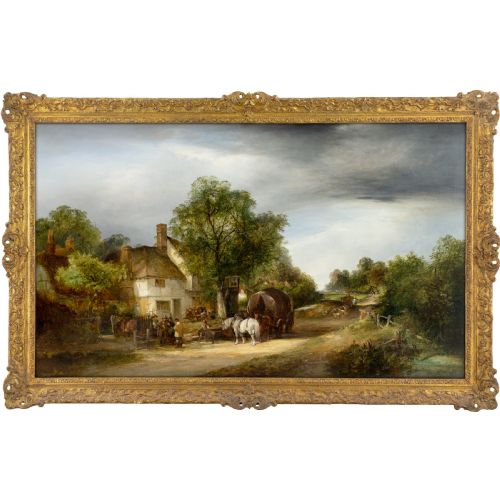
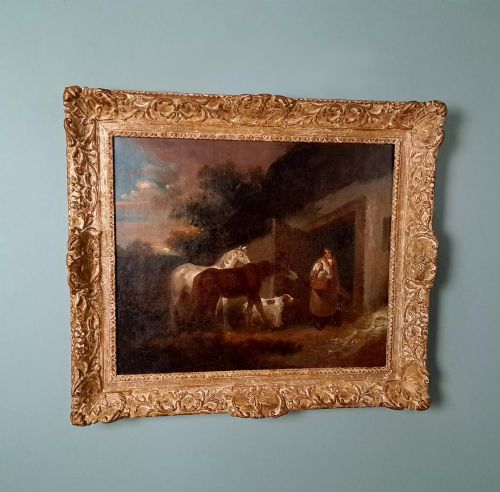
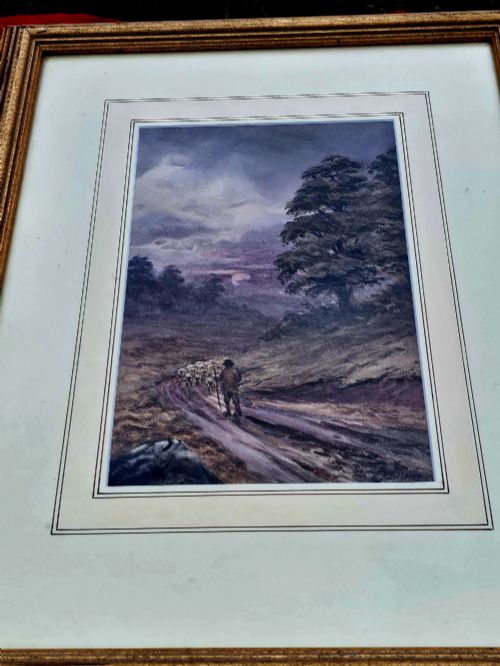
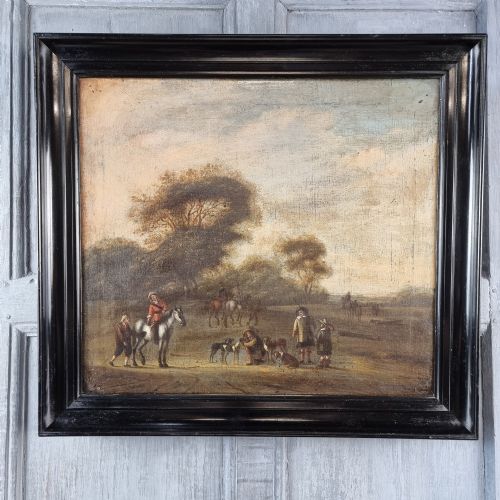
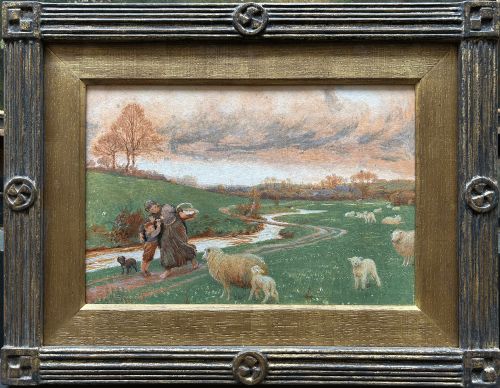
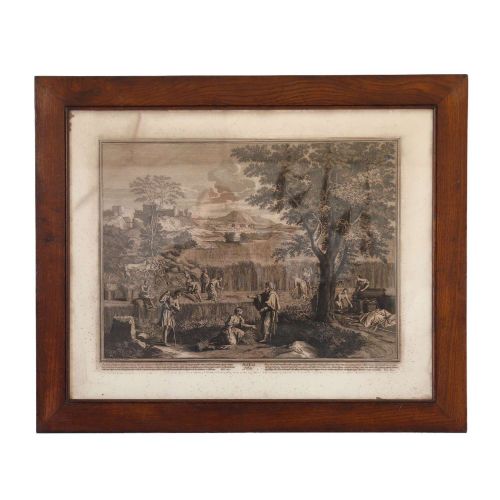
Vintage pastoral scene art encompasses framed works that depict rural life, including cattle grazing, herding sheep, farm hands at harvest, and quiet river landscapes. These pieces capture idealised countryside settings through traditional artistic mediums.
The selection ranges widely across time, appearing in periods from the late seventeenth century through the nineteenth century and into the mid twentieth century. Buyers encounter everything from small watercolours to large oil paintings and woven wall tapestries.
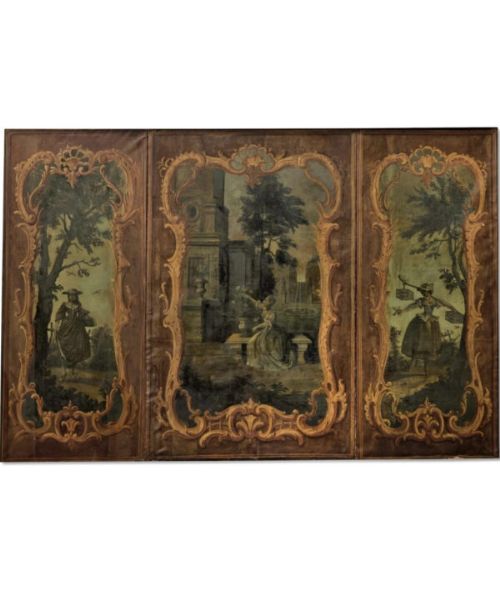
British and European schools dominate the selection, with styles spanning Victorian and Edwardian pastoral art, British Impressionism, and French country subjects. Common formats include single framed watercolours, oil paintings on canvas or wooden board, and antique tapestry panels.
How they were made
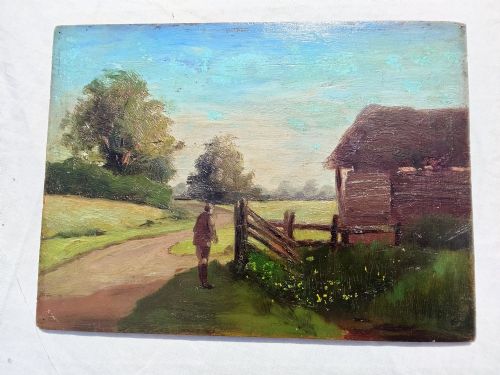
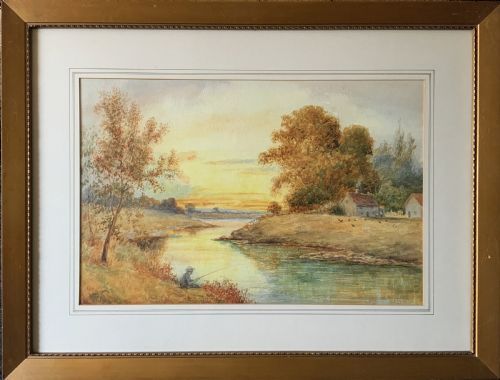
Artists painted these rural subjects using oil paint on canvas, wooden boards, or paper, alongside watercolour pigments applied to fine paper. Many works rely on layered brushwork to build depth in woodland foliage, fields, and skies.
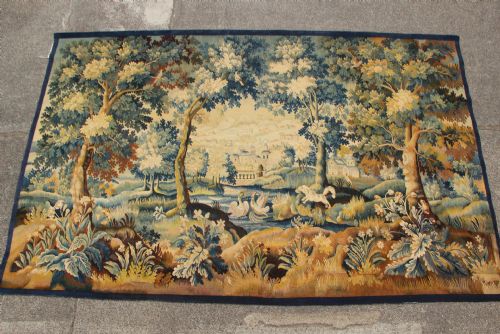
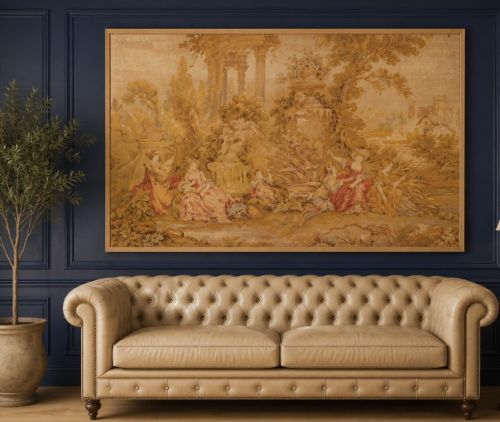
Larger wall hangings utilise weaving techniques, creating verdure tapestries from wool and silk threads. Original framing often involves wood, sometimes accented with gold leaf moulding to finish the piece.
Geese, ducks, and cattle populate these fields so frequently that ducks occasionally steal the entire pastoral focus.
What varies in quality
Quality rests on the precision of the brushwork, the naturalism of the figures and animals, and the handling of light within the landscape. Superior works demonstrate careful composition and depth rather than flat, repetitive application of pigment.
The condition of the medium also defines the standard, distinguishing strong, stable canvases and vibrant watercolours from pieces suffering from heavy fading or material degradation. Original frames in good preservation add considerable integrity to the artwork.
William H Myers·George Graham·William Joseph Shayer Senior·EJ Letheren·Frederick James Kerr·Ernest Higgins Rigg·John Sanderson Wells·James William Booth·Owen Bowen·Frederick Septimus Lewis·Ernest Pile Bucknall·Henry John Boddington·James Hardy Junior·Frederick James Knowles·Willem Anton Alexander Knip·Giulio Cecchini·Charles Vickers·John Atkinson·Alfred Grey RHA·Benjamin Williams Leader·George Soper·Florence Hess
The Vintage Pastoral Scene Art Glossary
- Verdure tapestry
- A woven wall hanging featuring a lush countryside scene, foliage, or woodland landscape. These textiles often use muted greens and earthy tones.
- Oil on canvas
- A painting technique using pigments suspended in a drying oil, applied to a stretched canvas support. This medium allows for rich texture and deep colour blending.
- Watercolour painting
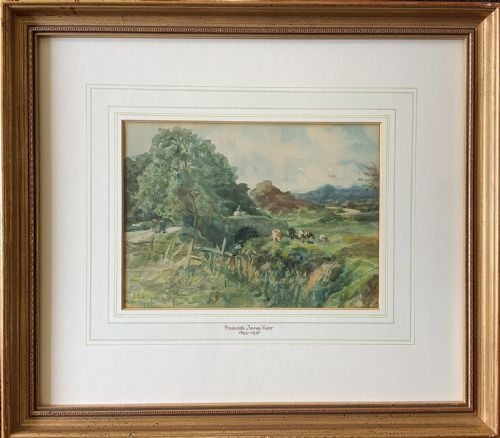
- Artworks created using water-soluble pigments on paper. This technique produces translucent washes of colour suited to atmospheric sky and water effects.
- British Impressionism
- A painting style focusing on light, fleeting moments, and everyday rural subjects using visible brushstrokes. Practitioners captured outdoor lighting conditions typical of the British countryside.
Vintage Pastoral Scene Art: Frequently Asked Questions
What periods do these rural artworks cover?
The selections span multiple centuries, starting from late seventeenth-century landscapes and eighteenth-century tapestry panels. You will also find many examples from the nineteenth century, the Edwardian era, and mid-twentieth-century twentieth-century British schooling.
Each period brings distinct framing choices, mediums, and artistic approaches to countryside and farming subjects.
How do watercolours differ from oil paintings here?
Waterworks utilise paper supports and translucent pigments, resulting in lighter, more delicate atmospheric effects. They often capture gentle river views and open skies.
Oil paintings use thicker pigment on canvas or wood panels, allowing for textured brushwork and richer colour depths in woodland and harvest scenes.
What subjects appear most often in these scenes?
Common subjects include cattle grazing, sheep being herded to market, and farm hands gathering the harvest. You will also see thatched cottages, river fishing spots, and quiet woodland paths.
These motifs reflect traditional rural life and agrarian routines across Britain and continental Europe.
Are tapestries included alongside painted artworks?
Yes, large French and verdure tapestries appear alongside traditional paintings and watercolours. These woven textile panels depict rich woodland and pastoral scenery.
They offer an alternative wall art format created through loom work rather than brush application.