






Yorkshire School Oil Painting
A yorkshire school oil painting captures northern light and rugged landscapes across centuries, offering collectors a direct window into local heritage.
Yorkshire School Oil Painting
When someone searches for a yorkshire school oil painting, they are looking at regional British art spanning from the seventeenth century through to the early twentieth century. These works capture local landscapes, coastal scenes, and portraits rooted firmly in northern topography and society.
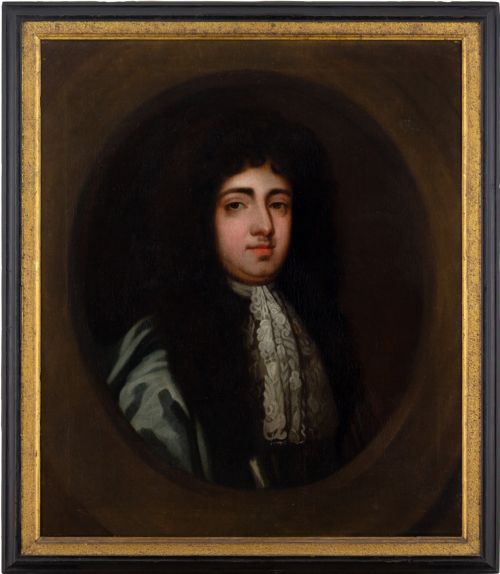
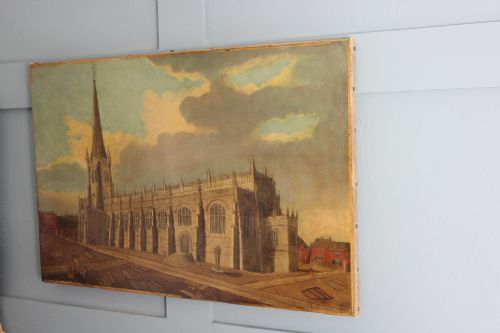
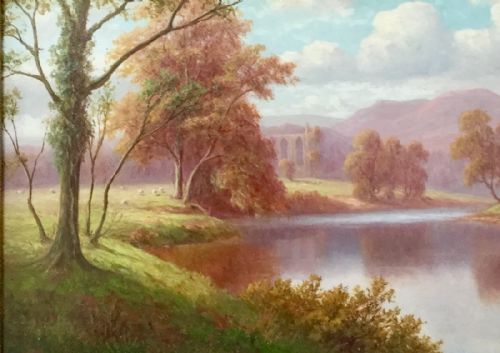
The pieces listed on this page range from early portraits attributed to regional hands to impressionistic views of coastal villages and inland valleys. Buyers will frequently encounter twentieth-century depictions of familiar places such as Staithes, Wetherby, and Swaledale alongside earlier historic depictions.
How They Were Made
Artists painted primarily using oil on canvas, wooden panel, or board, applying oil paint to build texture and depth. These supports formed the traditional foundation for capturing varied light conditions across rural and coastal settings.
Many surviving works retain their original wood frames, frequently enhanced with gilt finishes that complement the palette of the paintings. The combination of durable canvas or panel with traditional framing helped preserve these regional scenes over the centuries.
Several artists clearly braved the bitter northern winds to capture winter at Nesfield and evening light over Yorkshire.
What Varies in Quality
Quality rests upon the artist's ability to render light, atmosphere, and local character with conviction. Works by recognised names demonstrate superior brushwork and compositional balance compared to anonymous or simpler school pieces.
Condition and originality also set works apart, particularly the preservation of the paint surface and the retention of period wood frames. Stronger examples maintain their original visual impact without heavy intervention or loss to the pigment layer.
Reginald Grange Brundrit·Florence Hess·Herbert Royle·John Cawthorn·Ernest Higgins Rigg·Owen Bowen·Alec Caruthers Gould·James William Booth·Everett Watson Mellor
The Yorkshire School Oil Painting Glossary
- Canvas
- A heavy woven fabric stretched across a wooden frame to serve as a support for oil painting. It provides a flexible and durable surface favored by artists for centuries.
- Wooden Panel
- A flat piece of timber used as a rigid support for oil paint before canvas became dominant. Panels offer a stable surface that often survives in remarkably crisp condition.
- Oil Paint
- A slow-drying medium made of pigments mixed with a drying oil, typically linseed. It allows artists to blend colours smoothly and build rich surface textures.
- Gilt
- A thin layer of gold leaf or gold paint applied to the surface of wood frames. It provides a traditional decorative border that enhances the artwork it encloses.
- British Impressionism
- A painting style influenced by French movements but adapted by British artists to capture natural light outdoors. It appears frequently in twentieth-century regional landscapes.
Yorkshire School Oil Painting: Frequently Asked Questions
What is a yorkshire school oil painting?
It is an artwork depicting northern landscapes, coastal views, or regional portraits created by artists working within or inspired by the area. These pieces range from seventeenth-century portraits to early twentieth-century impressionistic village scenes.
The term encompasses both named professional painters and talented anonymous hands working within the local British tradition.
How do I identify the period of these paintings?
Periods are identified through costume in portraits, stylistic movements like British Impressionism, and documentation recorded by artists or previous owners. Materials such as wooden panels often point to earlier dates, while twentieth-century boards reflect later practice.
Examining the back of the canvas or panel frequently reveals historical inscriptions, signatures, or framing clues that narrow down the date.
Where were these regional scenes typically painted?
Artists painted across varied northern locations, from Whitby harbour and Staithes on the coast to inland valleys like Swaledale and Wharfedale. Places such as Bolton Abbey and local waterfalls also provided recurring motifs for generations of painters.
Many works document specific towns, landmarks, and rural industries that defined the northern landscape during the eighteenth and nineteenth centuries.
How should I care for an antique oil painting?
Keep the artwork out of direct sunlight and away from rapid temperature shifts that might cause the canvas or wooden panel to warp. Display it on a stable wall where humidity levels remain relatively constant.
Dust the surface gently with a soft, dry brush and avoid using liquid cleaners on either the paint layer or the wood frame.