



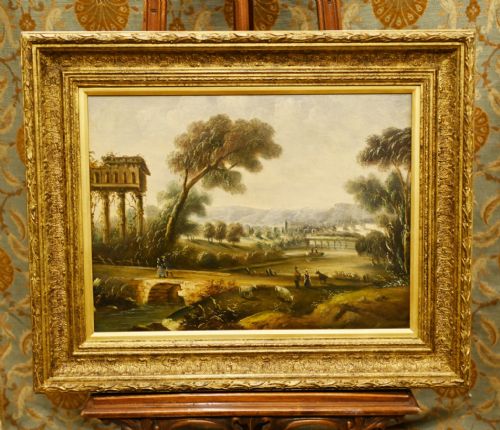
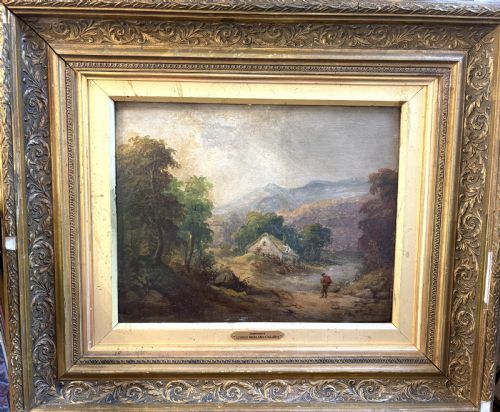


Vintage Pastoral Oil Painting
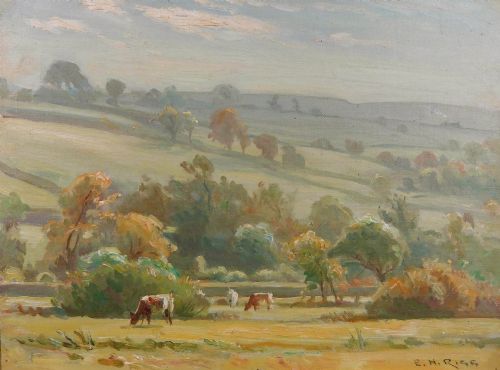
When you search for a vintage pastoral oil painting, you find rural scenes and livestock rendered on canvas, wood panel, or board.
Vintage Pastoral Oil Painting
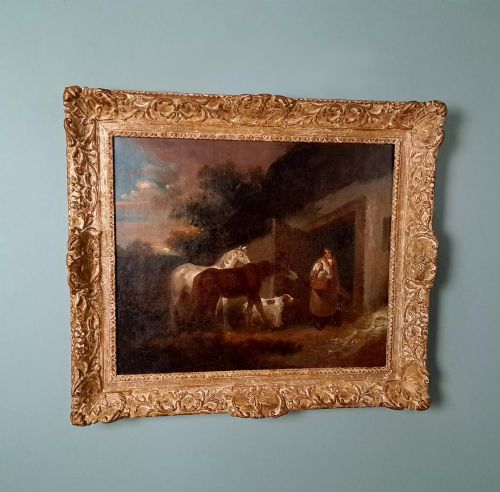
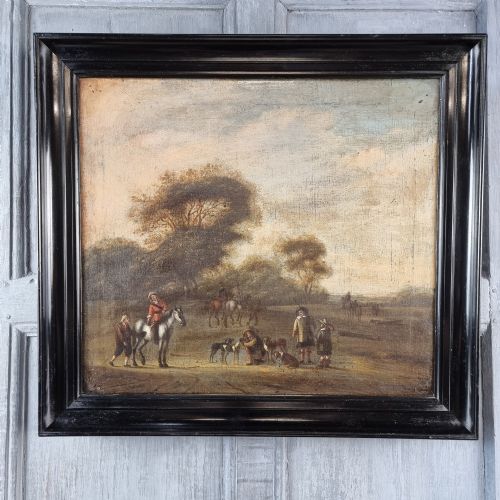
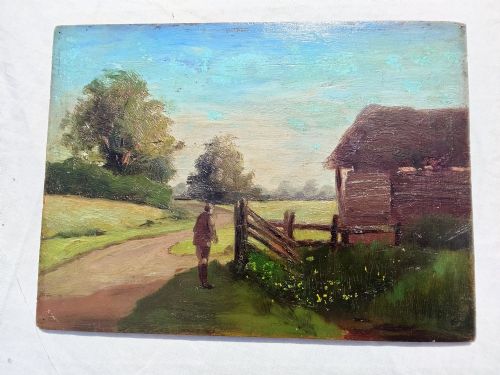
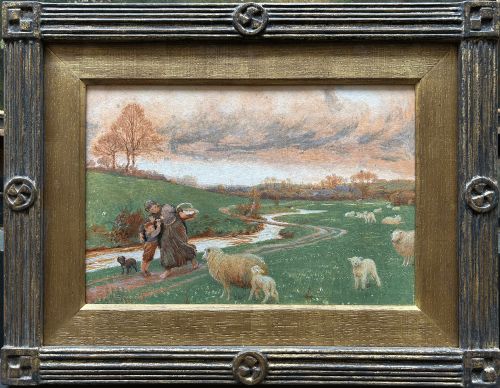
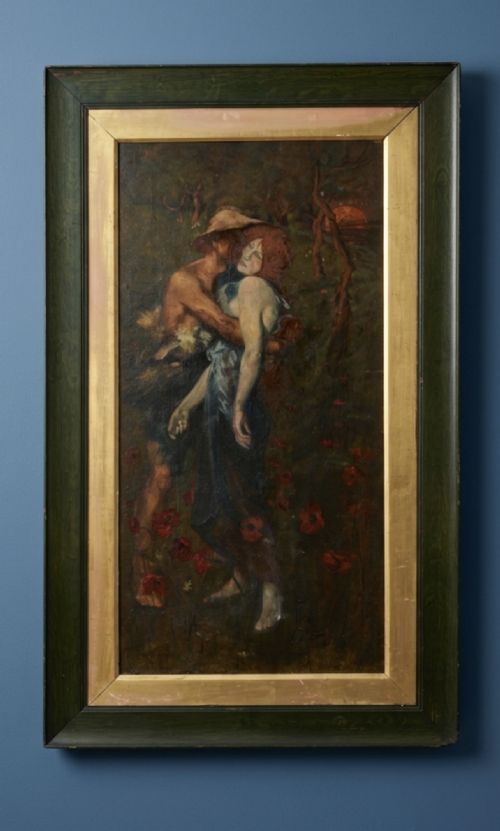
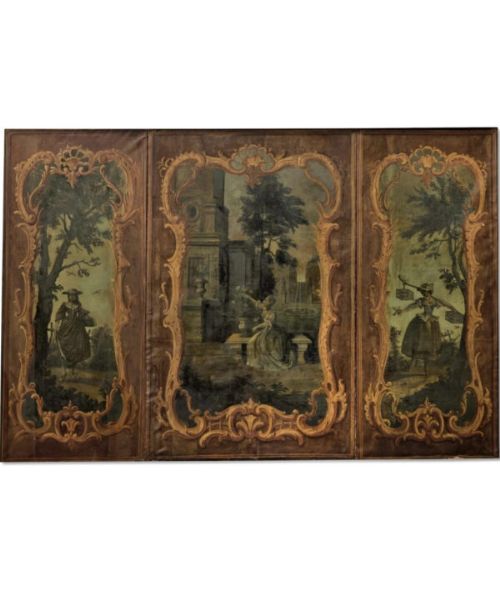
A vintage pastoral oil painting depicts rural scenes, farming life, cattle, sheep, and cottage landscapes originating primarily from the nineteenth and early twentieth centuries. These works span British Impressionism, Victorian pastoral traditions, and Edwardian country scenes.
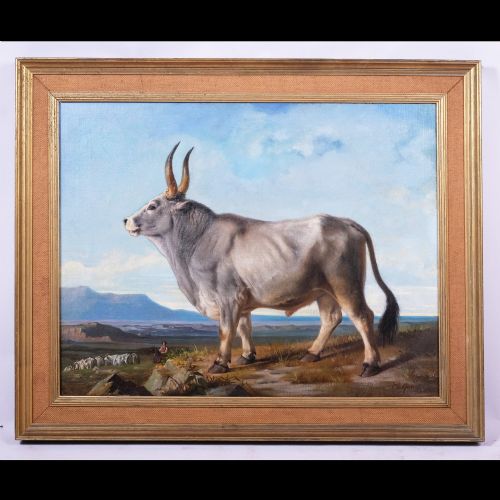
The compositions frequently feature animals such as shorthorn bulls, ponies, and geese alongside figures working the land or fishing by rivers. Framed works on canvas or wood panel predominate across the selection.
Origins stretch from English and Scottish schools to Italian and Dutch interpretations of the countryside. Buyers encounter everything from intimate river valleys to grand harvest scenes.
What varies in quality
Brushwork precision and atmospheric depth separate standard decorative works from accomplished academic pieces. The handling of natural light across water and livestock reveals the artist's ability to render texture and form.
The integrity of the canvas or wooden panel and the preservation of the original paint layer dictate the overall standard. Signed works by documented artists carry distinct archival weight compared to anonymous school pieces.
Listings feature works spanning the 17th, 19th, and 20th centuries, executed in oil on canvas, wood panel, and board.
William H Myers·Tom Campbell·William Joseph Shayer Senior·Ernest Higgins Rigg·John Emms·Charles Clair·Margaret Maitland Howard·John Sanderson Wells·Owen Bowen·Henry John Boddington·Frederick James Knowles·Willem Anton Alexander Knip·Eugene Joseph Verboeckhoven·Giulio Cecchini·Frank Percy Wild·Charles Vickers·Benjamin Williams Leader·Florence Hess
The Vintage Pastoral Oil Painting Glossary
- Oil paint
- A slow-drying paint made of pigment particles suspended in a drying oil, typically linseed oil. This medium allows for rich blending and textured impasto applications.
- Wood panel
- A rigid support surface made from timber, utilised by artists before canvas became dominant. Wooden boards provide a firm, stable ground for detailed brushwork.
- Gesso
- A plaster mix applied to canvas or wood to create a smooth, absorbent surface for painting. It prepares the foundation before the artist applies oil colours.
- Gilt
- A thin layer of gold leaf or gold paint applied to framing. It enhances the visual presentation of the framed artwork.
- Pastoral
- A genre of art depicting rural life, shepherds, and agricultural scenes in an idealized or naturalistic manner. These compositions celebrate the simplicity of the countryside.
Vintage Pastoral Oil Painting: Frequently Asked Questions
What subjects appear in these paintings?
These artworks predominantly show rural landscapes, farming activities, and agricultural scenes. Common motifs include cattle, sheep, rivers, cottages, and figures working the land.
Animals feature heavily, from prizewired shorthorn bulls to geese on ponds and ponies near the coast. The settings range from Scottish highlands to English valleys and Italian pastoral views.
How should I hang an oil painting?
Secure the painting using appropriate wall fixings that match the weight of the frame and the canvas or wood panel. Ensure the piece hangs away from direct sunlight and excessive moisture.
Maintain a stable room temperature to protect the oil paint and wooden support from warping or cracking over time.
How do I identify the period of a painting?
Examine the materials, including the type of canvas, stretcher bars, or wooden panel used for the support. Gilt frames and handwritten inscriptions on the reverse often provide clues to the era.
Stylistic elements, such as the brushwork characteristics of nineteenth-century realism or Edwardian pastoralism, help narrow down the date of creation.
What is the difference between canvas and panel?
Canvas consists of woven fabric stretched across a wooden frame, offering flexibility and a characteristic textured weave beneath the paint. It became widely used for larger pastoral compositions.
Wood panels provide a rigid, solid support that resists the sagging associated with aged textiles. Artists often utilised wooden boards for smaller, highly detailed studies.