

19th Century British School
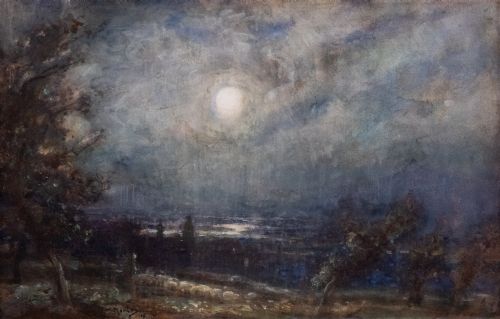
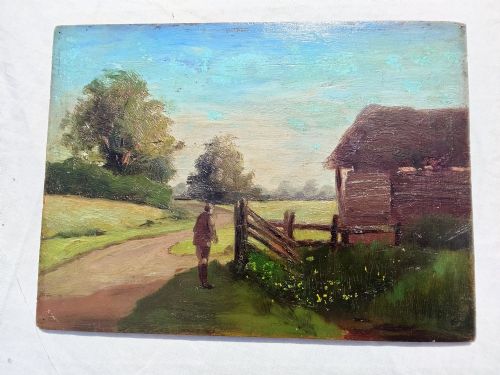
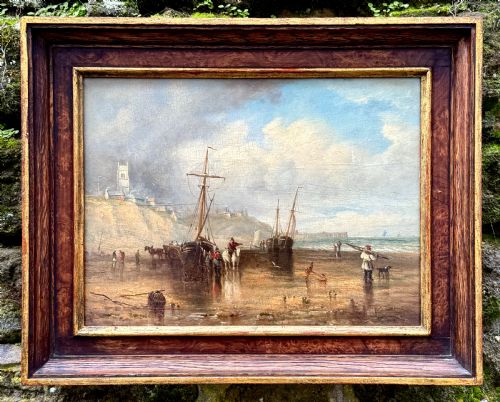
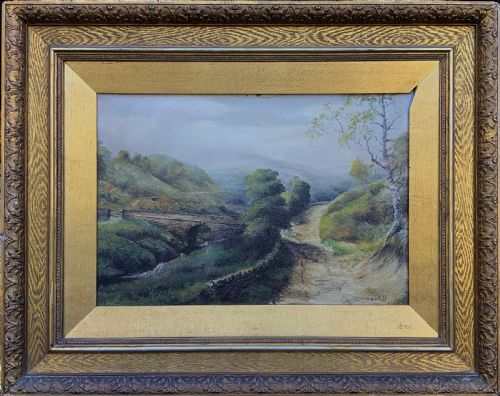
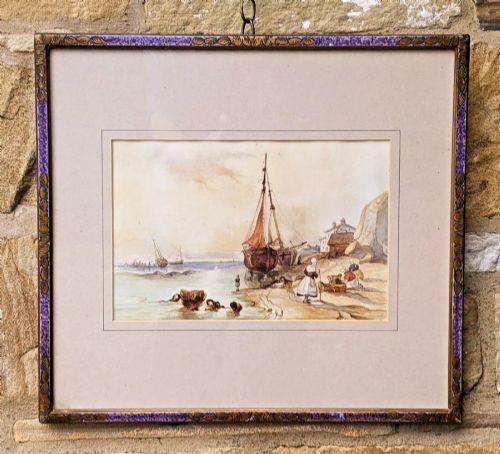
A 19th century british school painting captures the varied landscapes, coastal scenes and intimate portraits produced across the islands during a transformative artistic era.
19th Century British School
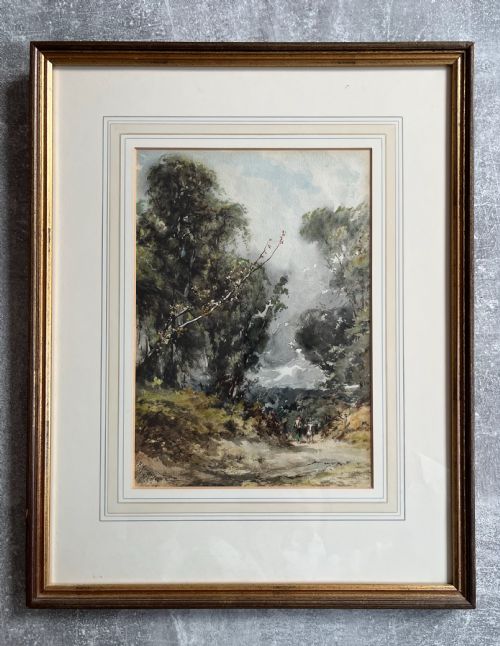
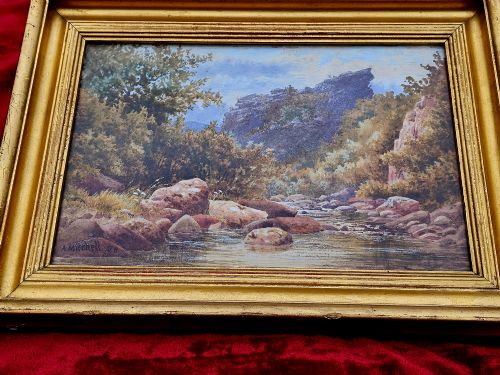
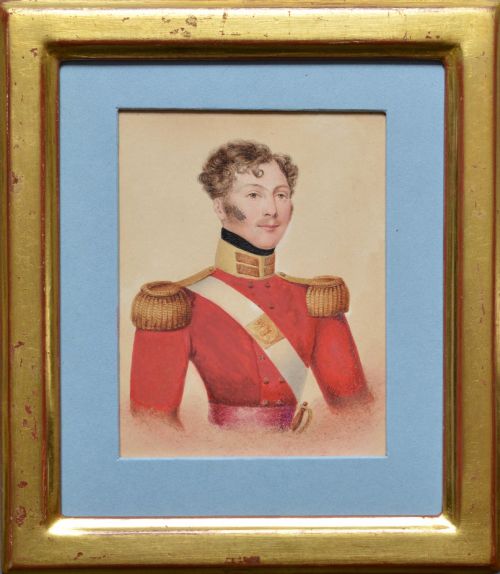
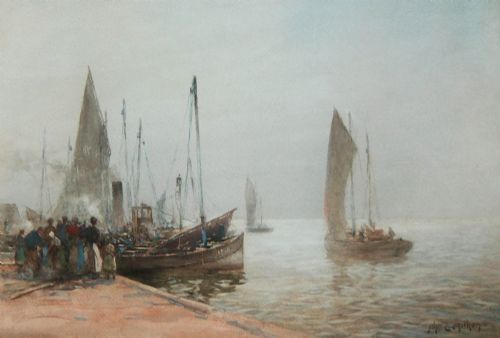
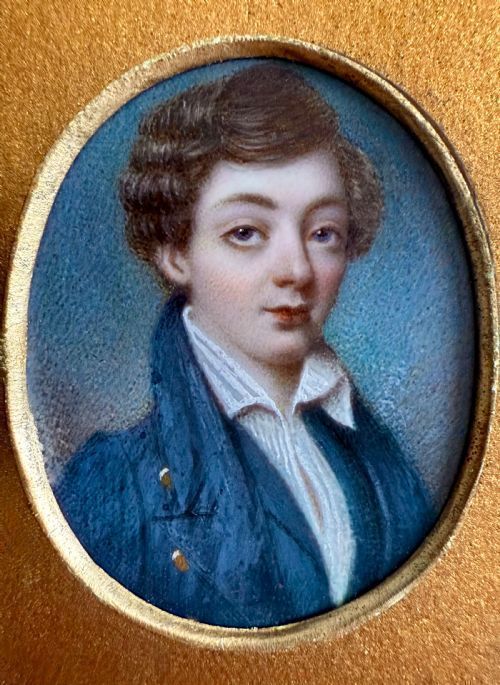
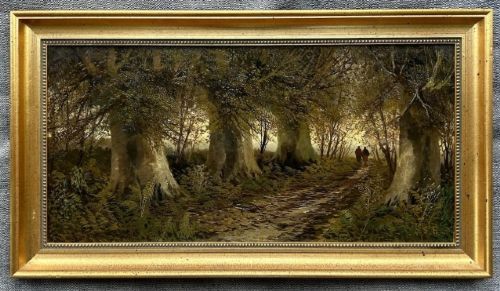
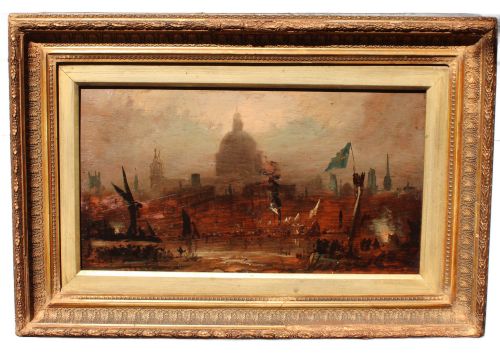
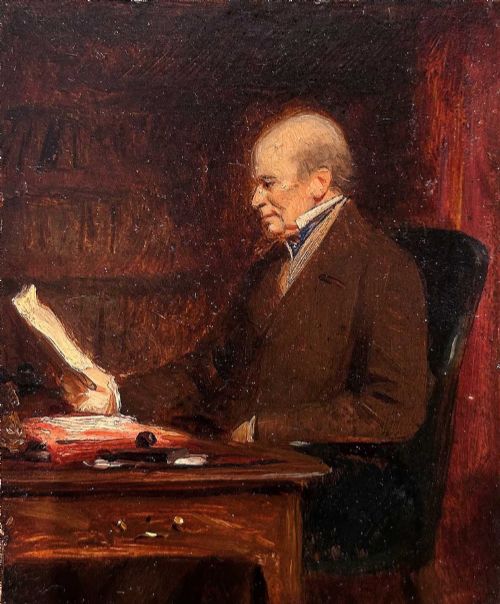
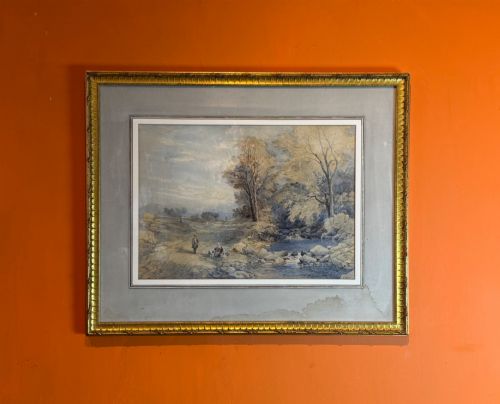
When searching for a 19th century british school piece, a buyer encounters oil paintings, watercolours and portrait miniatures created during the Georgian, Victorian and Edwardian periods. The selection encompasses regional landscapes, maritime views of shipping and coastal activity, and characterful studies of figures or animals.
Most works on this page reflect the observational skill of provincial and metropolitan artists working outside strict academic confines. These range from tightly rendered watercolours of Scottish rivers to expressive oil sketches on canvas, wood panel or card.
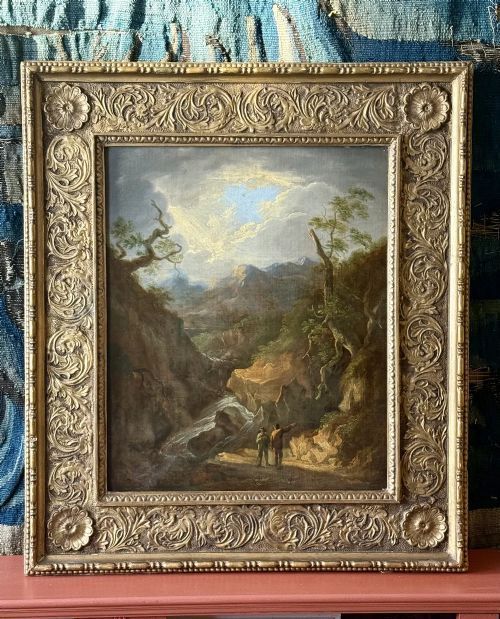
Portraits of gentlemen, ladies and children sit alongside pastoral scenes depicting cottages, harvest gatherings and mountainous terrain. Many bear signatures or attribution notes pointing to named painters and regional art associations.
How They Were Made
Artists of this era painted primarily in oil or watercolour, applying pigment to stretched canvas, prepared wooden panels, heavy paper or card. Ground layers and primed surfaces dictated how the paint absorbed light and retained colour over generations.
Watercolour works relied on transparent washes and careful layering on paper, while oils allowed for heavier impasto and blended transitions. Many pictures retain their original or period giltwood frames, which complete the construction of the framed artwork.
Several portraits preserve the intense gaze of Victorian cats and hunting hounds.
What Varies In Quality
Quality rests upon the artist's handling of light, atmospheric depth and anatomical proportion within the subject matter. Superior works demonstrate confident brushwork and precise tonal balance, whereas simpler provincial pieces rely on naive charm.
The preservation of the pigment layer and the stability of the underlying support dictate the visual strength of each painting. Intact original framing and documented provenance further distinguish museum-standard works from anonymous student studies.
George Fotherly Hargitt·James E Aitken·Richard Cosway·Thomas W Lascelles·Benjamin Barker of Bath·Thomas William Morley·Thomas Creswick·Stephen Pearce·David Cox·William Frederick Settle·Thomas Baker of Leamington·Arthur Tucker·William Henry Knight·Henry John Boddington·James Hardy of Bath·George Hilditch·Robert Finley McIntyre·James Thomas Linnell·Peter Deakin·Frederick Waters Watts·John Wright Oakes·William Wyld·Will Anderson
The 19th Century British School Glossary
- British School
- A term applied to artists born or working in Britain, encompassing both named masters and anonymous practitioners. It unites diverse regional styles under a common national artistic heritage.
- Oil on Canvas
- Pigment mixed with drying oil applied to a woven fabric stretched across a wooden frame. This medium offered durability and rich textural possibilities for landscape and portrait painters.
- Watercolour
- A painting method where fine pigment is suspended in a water-soluble binder and applied to paper. It was favoured for rapid topographical recording and atmospheric landscape studies.
- Portrait Miniature
- A small, highly detailed painting on card, ivory or vellum, often created to commemorate an individual. These intimate works frequently feature delicate facial rendering and fine detailing.
- Giltwood
- Carved wood finished with a thin layer of gold leaf. Period frames utilising this material add significant context and decorative value to 19th-century paintings.
19th Century British School: Frequently Asked Questions
What defines a 19th century british school painting?
These works represent the diverse output of artists working across Britain during the Georgian and Victorian eras. They capture domestic life, topography and portraiture through varied regional lenses.
The category includes both celebrated Royal Academy exhibitors and anonymous painters whose identities remain lost to history. Each piece reflects the prevailing aesthetic tastes of its specific decade.
How should I care for an antique oil painting?
Keep paintings away from direct sunlight and dramatic shifts in temperature or humidity. Avoid hanging them above active fireplaces where soot and heat can damage the canvas.
Dust the surface gently with a soft, dry brush and leave any deep cleaning or restoration to professional conservators. The original stretcher and frame require equal care to maintain structural integrity.
How can I tell a watercolour from an oil painting?
Watercolours are painted on paper and typically displayed behind glass to protect the delicate pigments from moisture. They display transparent washes and a flat surface texture.
Oil paintings utilise a heavier paint body applied to canvas, board or panel, creating a textured surface that reflects light differently. Oils do not require glass protection and possess a distinct aromatic or aged resin scent.
Where were these landscape and portrait paintings displayed?
Original owners hung these artworks in country houses, town residences and institutional parlours across Britain. They served as personal mementos, family likenesses or decorative records of travels.
Many pictures retain inscription labels or exhibition markers on the reverse, revealing their journey through private collections and provincial galleries.